Ravenna sits in Romagna, the eastern half of Emilia-Romagna, one of the great food regions of Italy. The cooking here is generous, rustic and rooted in the land and sea. After a morning among mosaics, lunch is a pleasure. This guide explains what to order and how to eat well without tourist traps.
Piadina
The signature street food of Romagna is the piadina, a thin, soft flatbread cooked on a hot plate and folded around fillings. The classic version is stuffed with prosciutto and squacquerone, a creamy, tangy fresh cheese, and often rocket. You will find it at kiosks and bars across the centre. It makes a perfect quick lunch between monuments.
Pasta
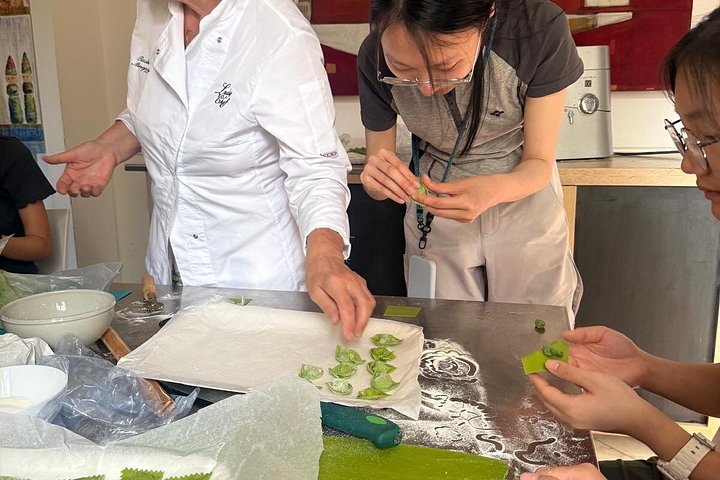
Romagna is a land of hand-made pasta. Cappelletti, small hat-shaped parcels, are traditionally served in broth, especially in winter. Tagliatelle with ragu, strozzapreti, which are hand-rolled twists, and tortelli with a variety of fillings are common. Look for restaurants that advertise fresh pasta made in-house. The cooking class is a good way to learn the technique.
Seafood
The Adriatic coast is close, and local fish appears on menus. Fritto misto, a mix of fried small fish and squid, grilled fish, clams and mussels are good choices, and the best places are near the harbour at Marina di Ravenna. Ask for the catch of the day.
Cheese and cured meats
Squacquerone is the local fresh cheese, often paired with honey or figs. Look for prosciutto and salami from the region and for the local custom of a taglieri, a board of cold cuts and cheese, to share with a drink.
Desserts and gelato
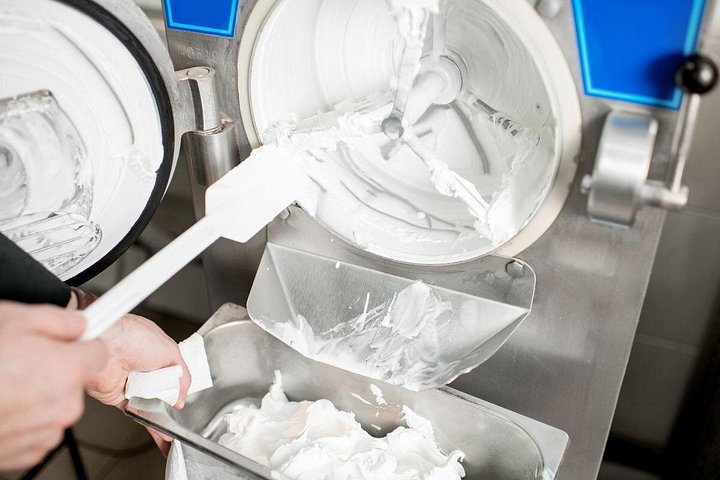
Sweet tooth satisfied: tiramisu, fruit tarts and local cakes are widely available, and gelato is everywhere. A reliable guide is to avoid mountains of brightly coloured gelato piled high and look for flavours kept in covered tubs. A gelato class lets you see how it is made.
Wine
Romagna produces Sangiovese, a red with cherry fruit and good acidity that suits pasta and grilled meats, and Albana, a white grape with an old reputation. Trebbiano is the everyday white. Ask for local wine by the glass, and consider a half-day tour if wine interests you. Aperitivo hour is a ritual: a spritz or a glass of wine with small snacks around six in the evening.
Eating like a local
Lunch is the main meal for many, usually between twelve thirty and two. Dinner starts late, often after eight. Many restaurants close one day a week and some shut on Sunday evenings, so book ahead. Coffee is taken standing at the bar, and cappuccino is a breakfast drink. A cover charge is common and service is often included.
Breakfast and coffee
Italians take breakfast light and quick: a cappuccino and a pastry at the bar. A cornetto, often filled with jam or cream, is the standard. If you want something savoury, ask for a toast. Hotel breakfasts are usually larger and include cold cuts, cheese and fruit.
Vegetarian and special diets
Pasta with butter and sage, vegetable-filled tortelli, local cheeses and seasonal vegetables make vegetarian eating easy. Gluten-free options are increasingly available in the centre, but tell the staff clearly about allergies, and ask before you order.
Budget tips
Lunch menus and piadina kiosks offer the best value. A coffee at the bar costs much less than at a table. Share a board of cold cuts and cheese for an easy dinner, and look for a daily set menu at traditional trattorias.
Seasonal notes
Winter brings broth-based dishes and hearty ragu, spring brings asparagus and artichokes, summer brings tomatoes, melon and cool white wine, and autumn brings mushrooms, chestnuts and new wine. Ask what is in season and order that.
Markets and shops
The covered market in the centre sells fresh produce, cheese and cured meats, and is a good place to assemble a picnic for the pine forest or the beach. Small delis will make you a sandwich on request.
Plan a food day
Start with a coffee and pastry, picnic or piadina for lunch, a gelato in the afternoon and a long dinner with pasta and local wine. Add a cooking class if you want to bring the skills home. Always check opening hours.