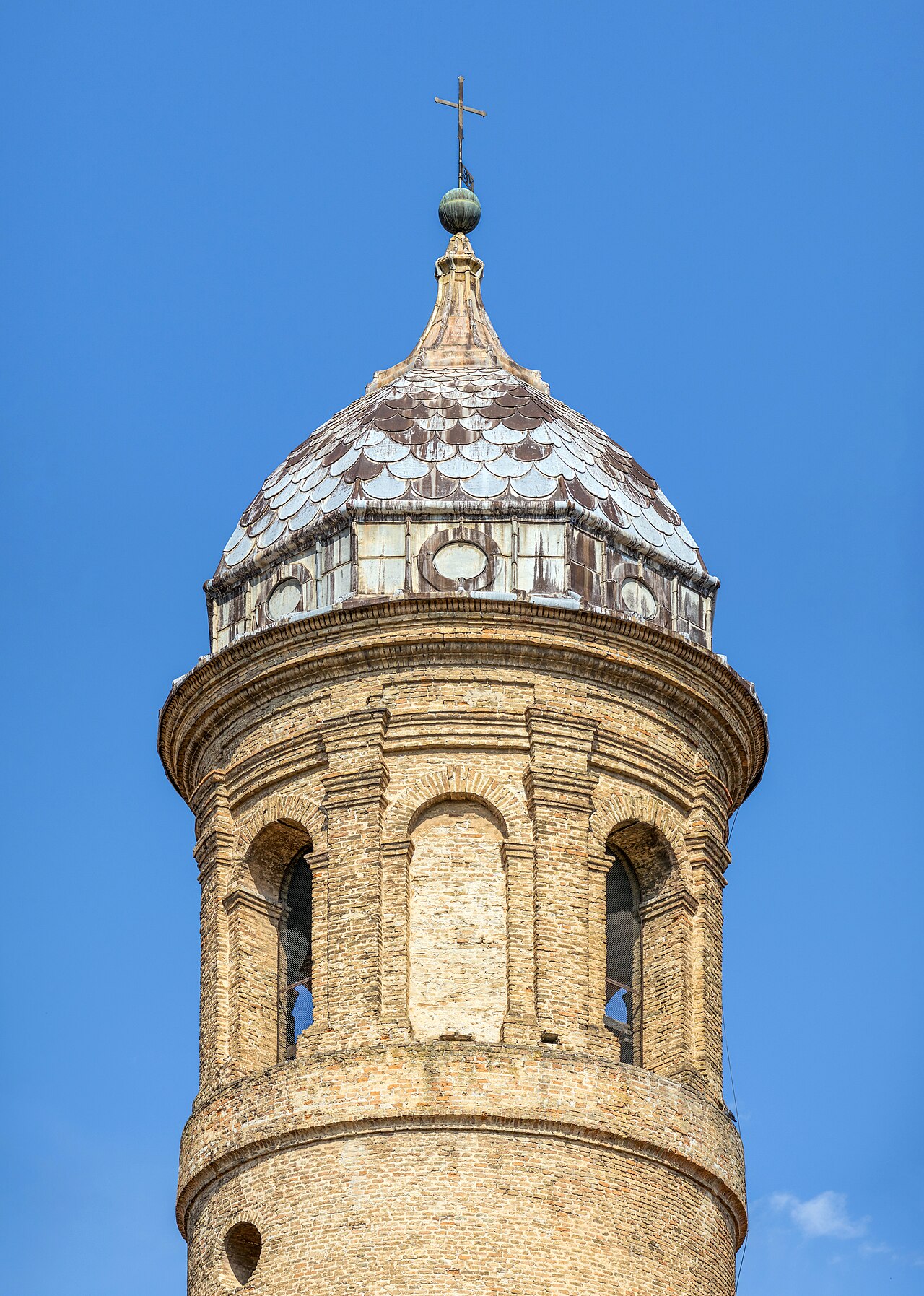
Basilica di San Vitale
An octagonal sixth-century church whose gold apse mosaics show Emperor Justinian and Empress Theodora with their courts, the single most famous image in Ravenna and a landmark of Byzantine art.
Italy
Ravenna was a Roman imperial capital, a Gothic kingdom and the western seat of Byzantium, and it kept the gold to prove it: eight early Christian monuments, all UNESCO listed, hold some of the finest mosaics ever made.
San Vitale glows with Justinian and Theodora, Galla Placidia's tiny chapel shines under a vault of stars, and Sant'Apollinare Nuovo walks saints down its nave. Beyond the churches are Dante's tomb, a flooded crypt with goldfish, a ten-sided Gothic mausoleum, pine forest and Adriatic beaches, all in a flat, bike-friendly town with excellent Romagna food. This guide covers 20 sights and experiences, 8 hotels and 6 planning guides.
Basilica di San Vitale
An octagonal sixth-century church whose gold apse mosaics show Emperor Justinian and Empress Theodora with their courts, the single most famous image in Ravenna and a landmark of Byzantine art.
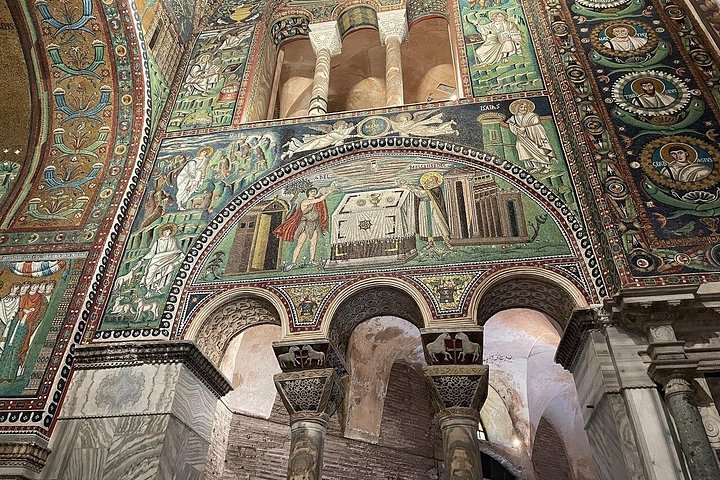
Mausoleum of Galla Placidia
A tiny cross-shaped brick chapel from the fifth century with a vault of deep blue mosaic stars, one of the oldest and most atmospheric mosaic interiors anywhere in the world.
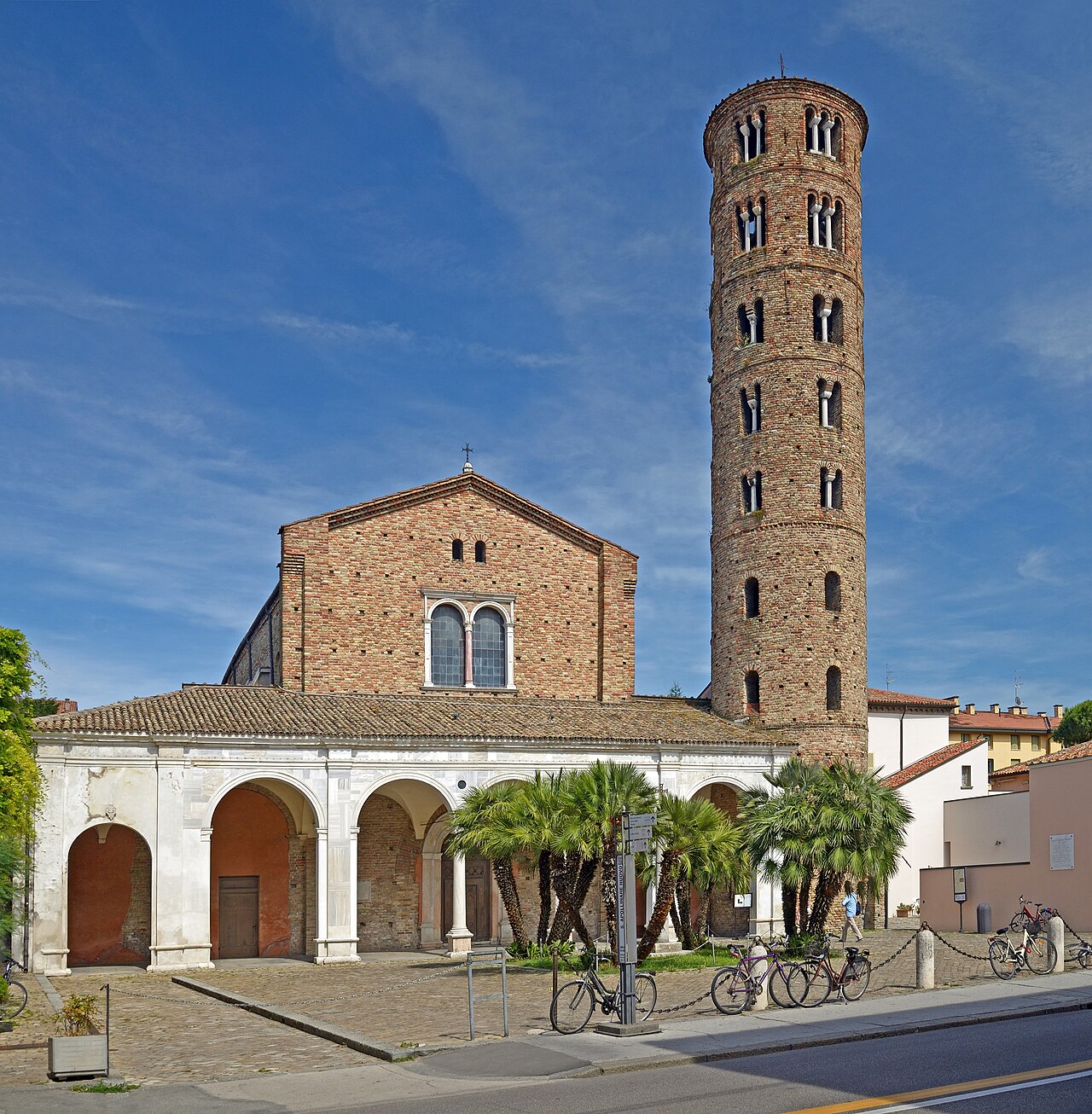
Basilica of Sant'Apollinare Nuovo
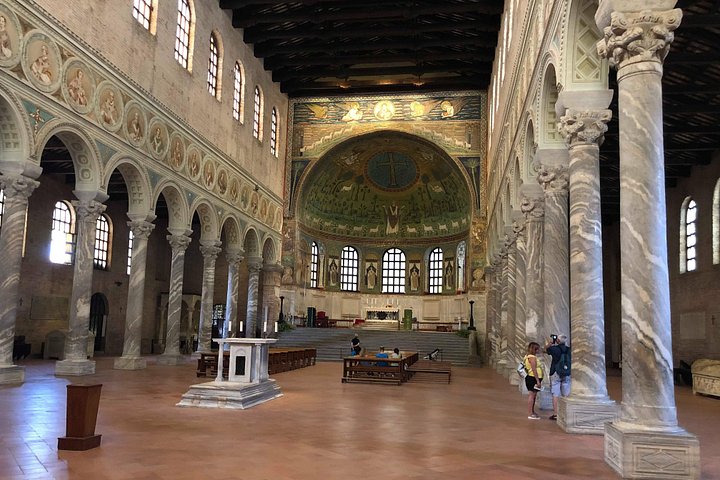
A long basilica built by King Theodoric whose nave walls carry two great mosaic processions: martyrs and saints walking toward Christ, and a harbour city and palace in gold.
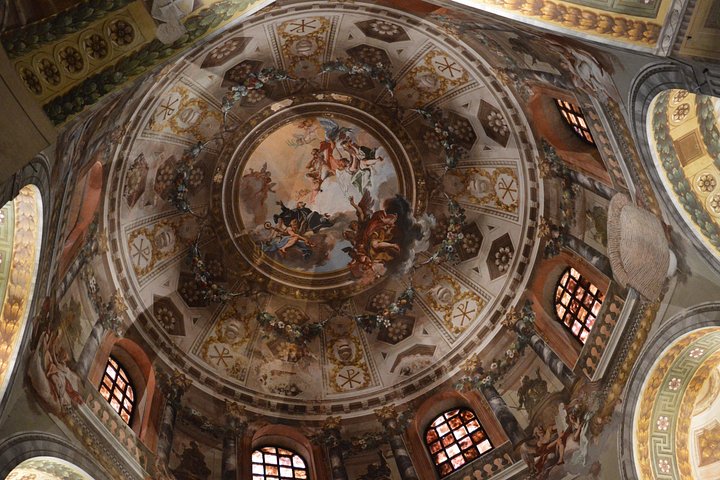
Neonian Baptistery
An octagonal fifth-century baptistery built over a Roman bath, with a dome mosaic of Jesus baptised in the Jordan surrounded by the apostles in a ring of blue and gold.
Hand-picked: every experience here has strong traveler reviews and a verified booking link.
An octagonal sixth-century church whose gold apse mosaics show Emperor Justinian and Empress Theodora with their courts, the single most famous image in Ravenna and a landmark of Byzantine art.
A tiny cross-shaped brick chapel from the fifth century with a vault of deep blue mosaic stars, one of the oldest and most atmospheric mosaic interiors anywhere in the world.
A long basilica built by King Theodoric whose nave walls carry two great mosaic processions: martyrs and saints walking toward Christ, and a harbour city and palace in gold.
An octagonal fifth-century baptistery built over a Roman bath, with a dome mosaic of Jesus baptised in the Jordan surrounded by the apostles in a ring of blue and gold.
A compact museum beside the cathedral holding Bishop Maximian's carved ivory throne and a tiny chapel whose vault glitters with birds, flowers and a young warrior Christ.
 Free
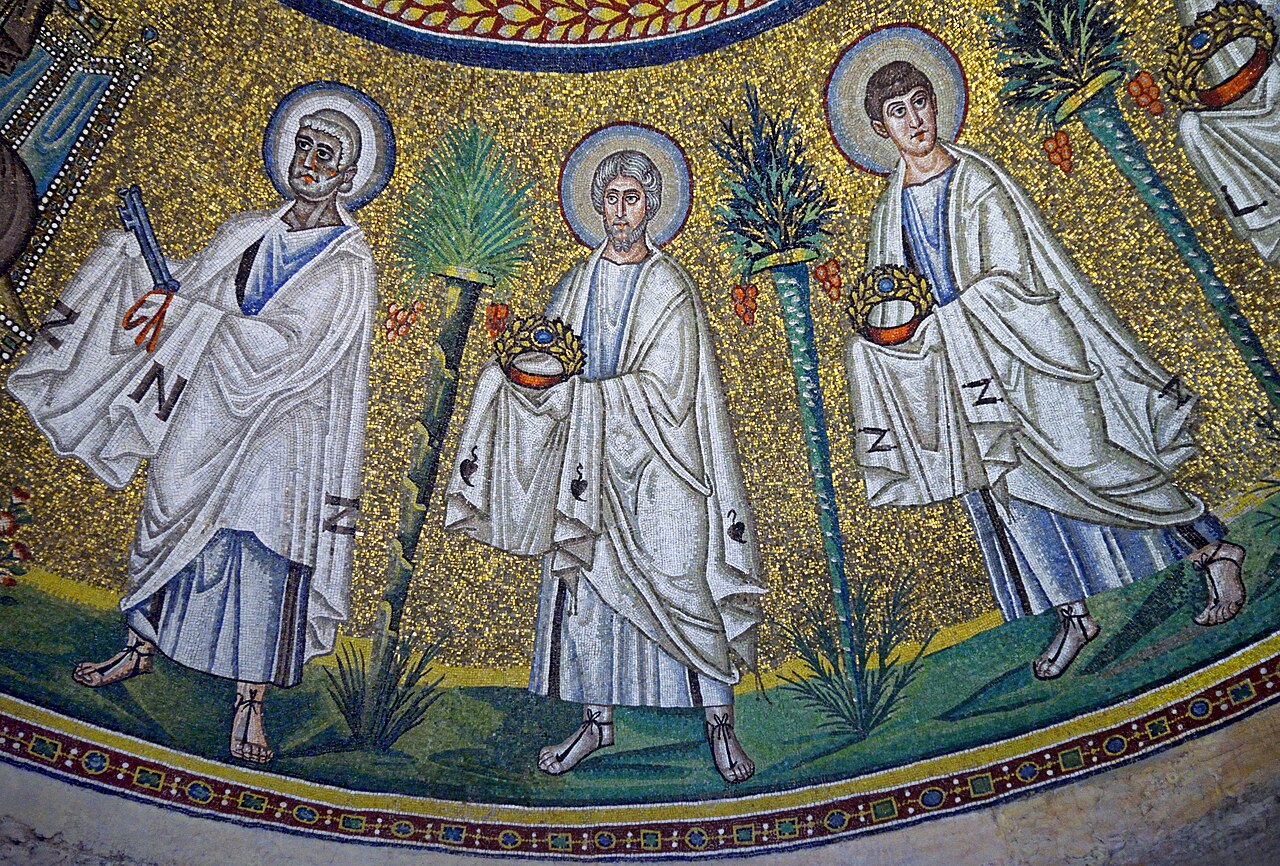
Theodoric's small octagonal baptistery with a bright dome mosaic of Christ's baptism, a rare surviving monument of the Arian faith and usually free to enter.
A museum on the site of Ravenna's ancient port plus the basilica of Sant'Apollinare in Classe, whose apse mosaic of green hills, white sheep and Saint Apollinaris is one of the finest in Italy.
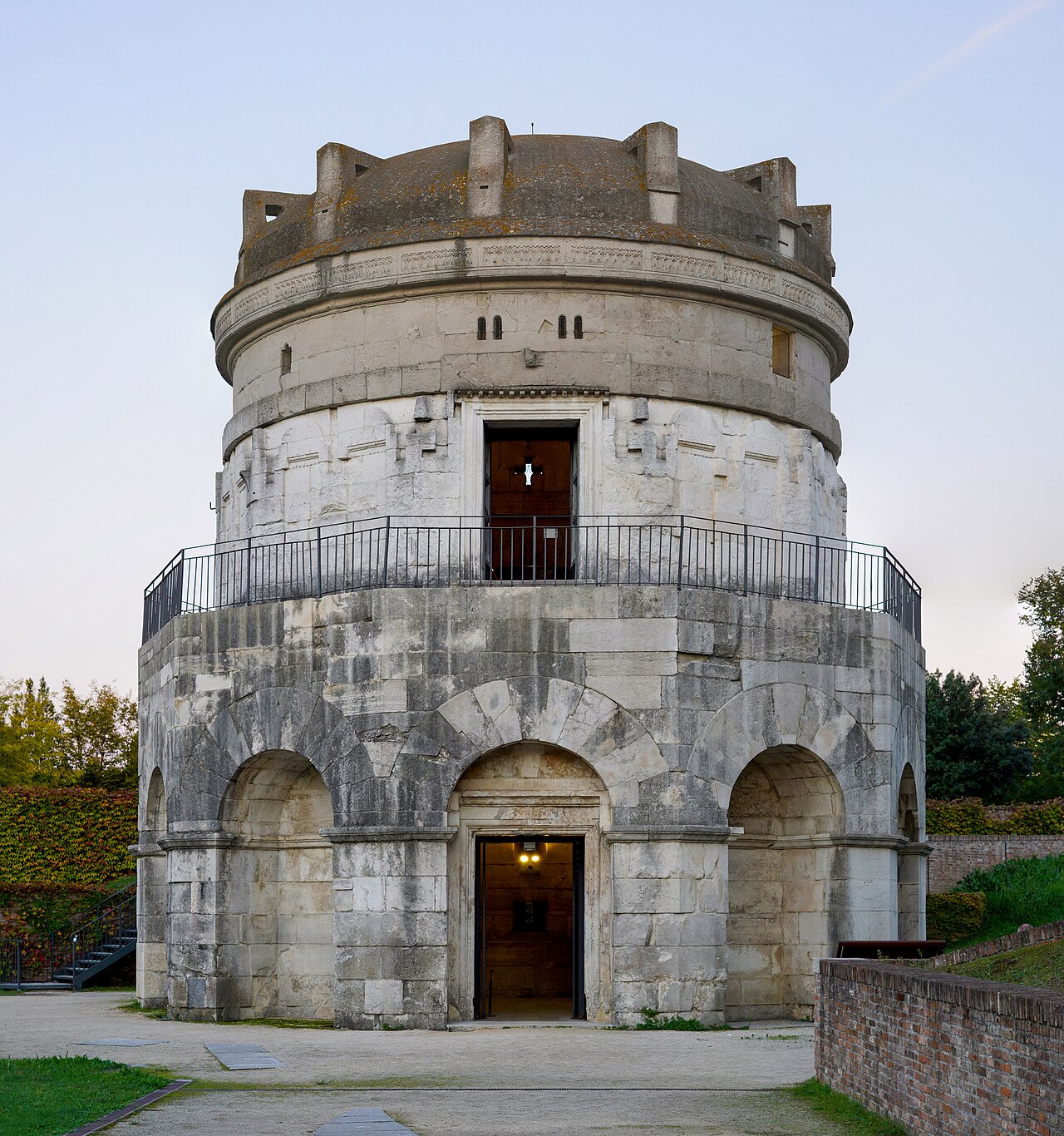
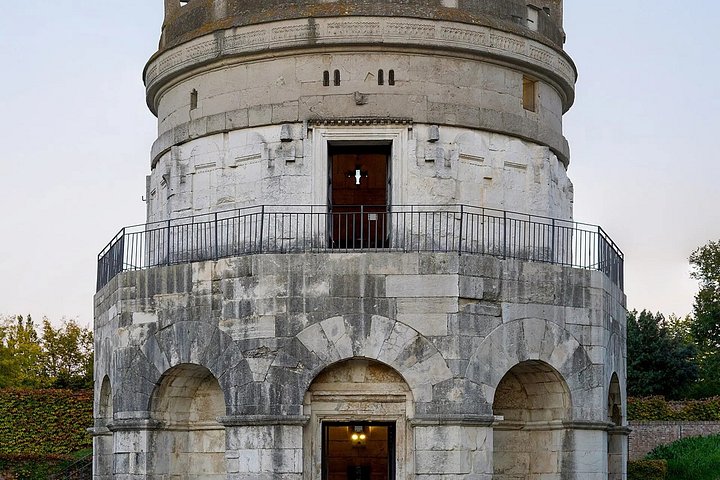
A ten-sided stone tomb crowned by a single monolithic dome, built around 520 for the Ostrogothic king who ruled Italy from Ravenna.
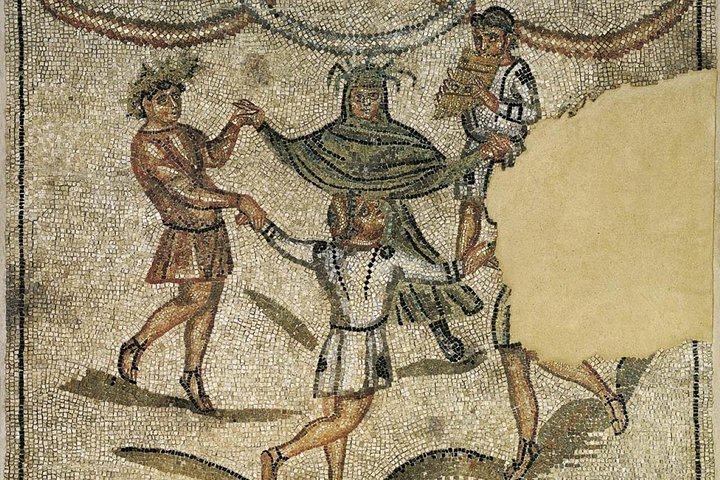
An underground Byzantine palace beneath a church, with fourteen rooms of intricate floor mosaics, geometric patterns, dancers and birds, from the sixth century.
The small neoclassical tomb of Dante Alighieri, who died in exile in Ravenna in 1321, set in a quiet precinct beside the Basilica of San Francesco. Free to visit.
A low-cost smartphone audio walk through the places connected with Dante's last years in Ravenna, letting you set your own pace through the old town.
Ravenna's main square, framed by Venetian columns, a Renaissance palace and cafes, and the starting point for wandering the pedestrian lanes of the historic centre.
Hotels we would book ourselves, from splurges to good-value bases.
Historic Centre near San Vitale
A comfortable hotel in the old-town quarter close to San Vitale and Galla Placidia, handy for early visits to the mosaic monuments before the groups arrive.
Check rates →Historic Centre
A boutique hotel in a historic palazzo in the heart of the old town, mixing period details with contemporary rooms a few steps from the main square.
Check rates →Historic Centre
An elegant hotel in a historic palazzo in the centre of Ravenna, a short walk from the cathedral area, the Baptisteries and the main square.
Check rates →Historic Centre
A practical mid-range hotel in the pedestrian heart of Ravenna, named for the poet Lord Byron, who lived in the city, within walking distance of the main sights.
Check rates →Historic Centre
A modern, good-value hotel in the centre of Ravenna, a short walk from the main square and the monuments, suited to short stays and families.
Check rates →Historic Centre
A mid-range hotel with a name that suits the city, placed in the central area close to the station and the monuments for easy sightseeing on foot.
Check rates →Outside the Centre, Ring Road Side
A larger, modern hotel just outside the old town on the main road, with easier access by car and a good option for families and drivers.
Check rates →Ravenna
A modest, budget-friendly Ravenna hotel, a practical choice for travellers who want a simple room and plan to spend their days at the mosaic monuments.
Check rates →Ready-made pairings: a top sight and a hotel that suits it. Add both to your trip and book each when you are ready.
Do
Basilica di San VitaleStay
Hotel BisanzioHistoric Centre near San Vitale
Do
Mausoleum of Galla PlacidiaStay
Albergo CappelloHistoric Centre
Do
Basilica of Sant'Apollinare NuovoStay
Palazzo Bezzi HotelHistoric Centre
A two-day plan that sequences the mosaic monuments, the Dante quarter and an afternoon in Classe or on the beach, with practical tips on tickets and pacing.
A guide to choosing a base in Ravenna, comparing the historic centre, the Darsena canal district and larger hotels outside the core, with tips on parking and trains.
A short guide to reading Ravenna's mosaics: how they were made, how the styles differ from Roman to Gothic to Byzantine, and what to notice at each monument.
What to eat and drink in Ravenna: piadina, cappelletti, fresh pasta, Adriatic seafood, Sangiovese and Albana, with advice on where and how to eat like a local.
Ideas for day trips from Ravenna by train, coach or car: Venice, Bologna, Ferrara, the Po Delta, the Adriatic beaches and the Classe countryside.
When to go to Ravenna: spring and autumn for walking, summer for the beach and festivals, winter for quiet mosaics, with notes on heat, fog and crowds.