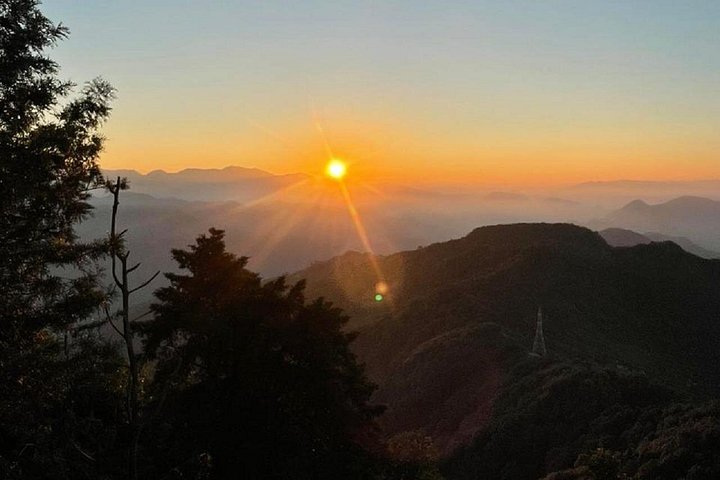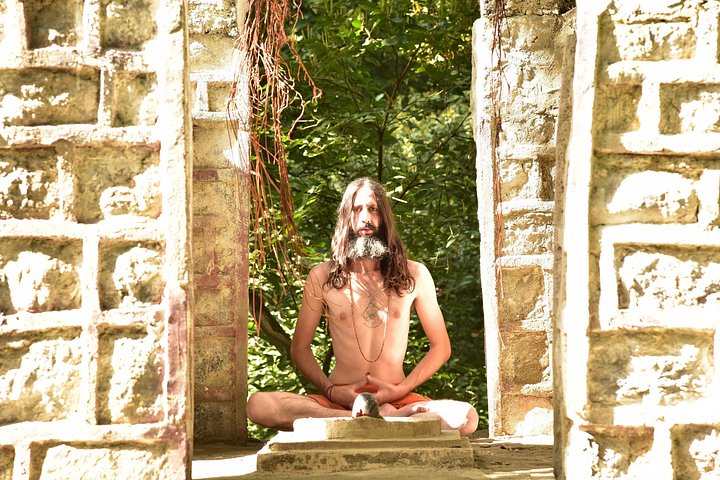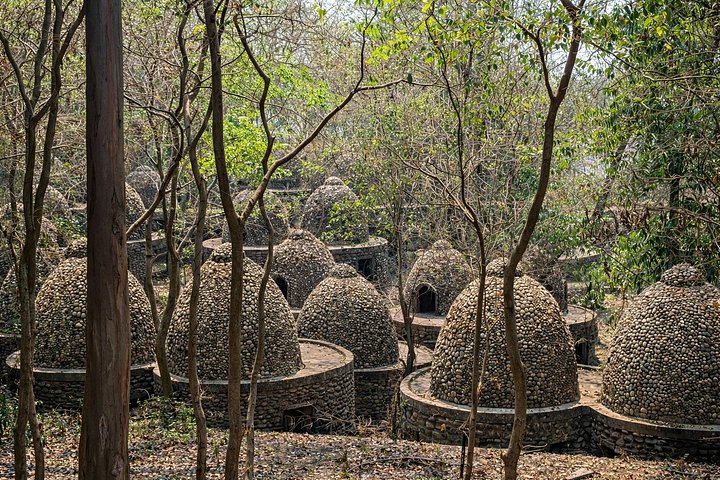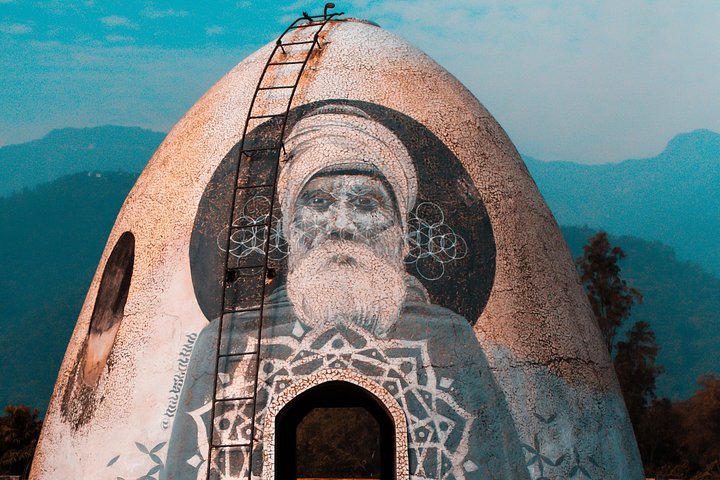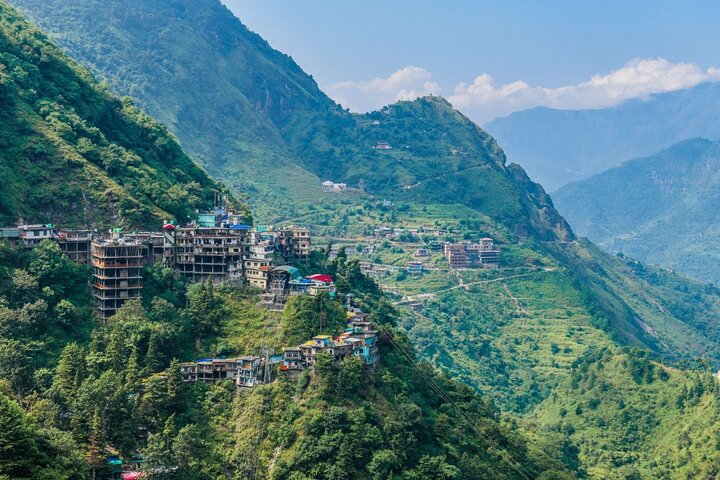
The Neelkanth Mahadev Temple stands on a forested hill above Rishikesh, around 1,100 metres up, and is one of the most important Shiva shrines in the region. According to tradition, this is the place where Shiva rested after drinking the poison that emerged during the churning of the ocean, which turned his throat blue, hence the name Neelkanth, meaning the blue-throated one. Pilgrims have walked here for centuries, and in the festival month of Shravan, usually in July and August, huge crowds make the journey. The guided trek follows a forest trail from near Rishikesh, climbing through pine and mixed woodland with views opening across the Ganges valley. It is a moderate hike, long enough to feel like a day out and short enough that most reasonably fit people can manage it. A guide adds the legends and the route knowledge, which helps when trails branch. Combined with the temple's serene setting, the trek offers a real mix of exercise and devotion that few other local trips can match.
Route and effort
The trek commonly starts near Ram Jhula or Swarg Ashram and climbs along a well-trodden path to the temple, with a total walking distance that depends on the route chosen. The ascent is steady and sometimes steep, with some rocky sections and shaded forest stretches. Allow roughly five to six hours for the round trip at an unhurried pace, longer if you linger at the temple. Many tours drive you back down, so you walk only one way, which is a good compromise for people with limited energy.
At the temple, you will find a busy but welcoming complex, with a shrine, courtyards, small stalls and a place for offerings. Footwear is left outside, and modest dress is expected. Lines can be long on weekends and during the festival season, so avoid the Shravan period unless you want to join the pilgrim crowds. Outside festival time the mood is calm and the views are excellent. A short rest on the terrace is often the high point of the day.
Prepare sensibly. Wear sturdy shoes, a hat and sun protection, and carry water and snacks. In the hot months start early to avoid the midday heat, and watch for monkeys near the temple that may snatch food or bags. Trails can be slippery after rain. Part of the forest lies within protected land, so stay on the path, carry out your rubbish and follow the guide on wildlife. Fitness requirements are moderate, so it suits teenagers and adults who walk regularly.
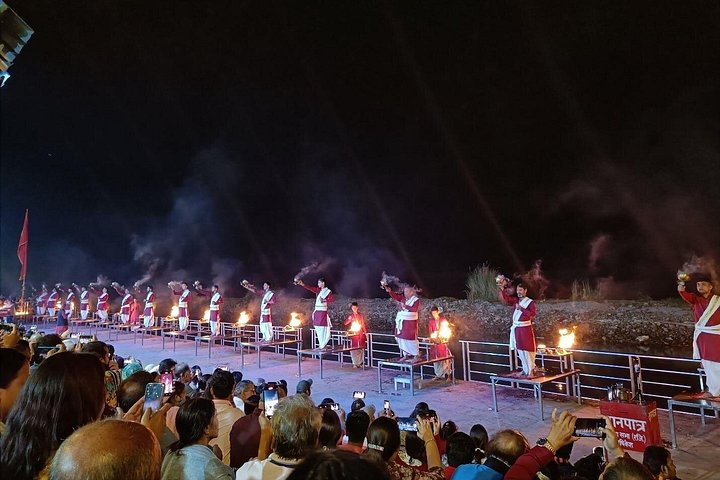
The trek makes a satisfying day that balances effort and devotion. It pairs with a relaxed evening, such as the aarti or a quiet cafe, and offers a different view of Rishikesh from the heights rather than the riverbank. If you have a day in hand and want something more energetic than the ashrams but gentler than a multi-day trek, this is a good option.
Planning around the crowds
Outside the Shravan festival the temple can be reached on a quiet weekday morning with plenty of space to sit and look out over the valley. If you go during the busy month, expect long queues, closed trails and many pilgrims walking barefoot with water pots, an impressive sight but a slow day. Whichever time you choose, an early start remains the best protection against heat, crowds and afternoon cloud.
What to expect
The experience
A guided forest trek to a hilltop Shiva temple, with a legend-rich visit and views across the valley.
Best time
Early morning in the warm months; avoid the Shravan pilgrimage period for quieter trails.
How long
Five to seven hours depending on route and return transport.
Tips
Start early, wear sturdy shoes, carry water and mind the monkeys.
Quick picks
- Best for
- Active travellers who want a trek with cultural meaning.
- Families
- Suitable for teenagers; check the route length for younger children.
- Couples
- A shared challenge with a calm reward at the top.
- Pair with
- The evening aarti once you are back in town.
- Time needed
- A full morning or day.
Good questions
Why is it called Neelkanth?+
Tradition says Shiva drank poison here that turned his throat blue, so the temple is named for the blue-throated one.
How hard is the trek?+
It is moderate, with a steady climb and some steep sections. A reasonable level of fitness is enough.
When is it busiest?+
During the festival month of Shravan, usually in July and August, huge crowds visit.
Do I need to dress modestly?+
Yes. Cover shoulders and knees and leave shoes outside the shrine.
Can I do it in the monsoon?+
Trails can be slippery and leeches are possible, so ask the operator about conditions.