Riyadh is one of the most interesting places to eat in the Gulf, because its food scene combines deeply rooted Najdi home cooking with a fast-growing restaurant culture from around the world. For a first-time visitor, the challenge is knowing where to start. This guide covers the dishes to try, the customs around coffee and hospitality, the districts for different kinds of meal and a few practical points about dining out.
Start with Saudi coffee
Saudi coffee, known as gahwa, is the opening gesture of hospitality. It is lightly roasted and spiced with cardamom, sometimes with saffron or cloves, and it is poured in small cups, usually with dates alongside. It is polite to accept the first cup, and when you have had enough you shake the cup gently from side to side to signal that you are finished. You will meet it in hotel lobbies, in heritage sites and at tastings, and it is a pleasant way to slow down in the middle of a sightseeing day.
The dishes to try
The signature dish is kabsa, a fragrant rice dish cooked with spices and chicken, lamb or sometimes camel, often topped with nuts and raisins and served on a large shared platter. Najdi cooking, from the central region, also includes jareesh, a crushed-wheat porridge, margoug, a stew with thin dough and vegetables, and qursan, a bread-based dish in a rich sauce. Mandi, a slow-cooked meat and rice dish, is common across the Gulf and appears on many menus. For breakfast, look for foul, a spiced fava bean dish, with fresh bread and tea. For something sweet, dates are everywhere, and the better shops sell many varieties, from soft and sticky to firm and nutty, along with date pastries and sweets.
A food trail is the easy way in
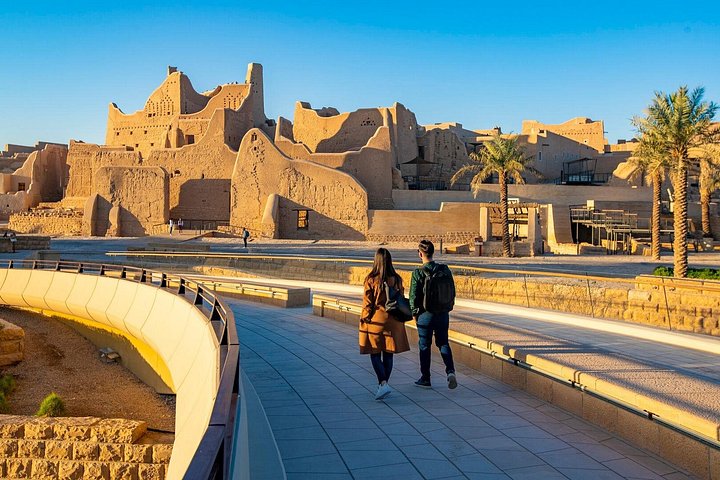
If you are not sure what to order, a guided tasting is the simplest introduction. The food trail in the Qasr Al-Hukm district in old Riyadh links short stops at heritage landmarks with tastings of coffee, dates and traditional dishes, and a host explains what each item is and how it is eaten. It is a good first-night activity and pairs naturally with the Masmak Fortress and Souq Al Zal, which are in the same part of town. Tell the guide about allergies and dietary needs when you book, because many traditional dishes are built around meat.
Where to eat by district
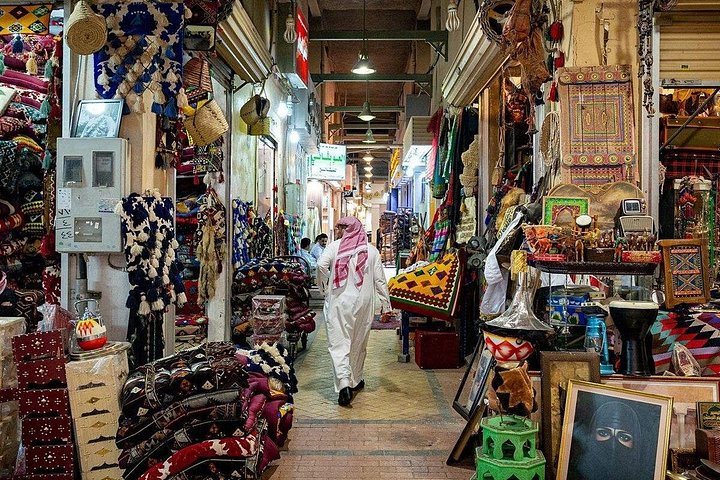
In the old centre, around Masmak and the souqs, you will find simple, traditional restaurants and cafés where the focus is on local dishes at modest prices. Olaya has the greatest variety, with international restaurants, hotel dining rooms and cafés close together, and it is the easiest place for a late dinner. Diriyah’s Bujairi Terrace offers an atmospheric setting beside At-Turaif, with a mix of Saudi and international restaurants, and booking ahead is wise on busy nights and weekends. The financial district and the Boulevard areas offer modern dining and a lively evening scene, especially in the cooler months.
Drinks and the dining day
Alcohol is not served in Saudi Arabia, so the drinks scene is built around coffee, tea, fresh juices and mocktails. Specialty coffee has grown quickly, and Riyadh has a strong café culture, with many places open late. Meals are often later than in Europe or North America, with dinner commonly starting after sunset, and restaurants are busiest in the evening, particularly at weekends. Short pauses around prayer times are normal, when some restaurants and shops close briefly, so check hours if you are planning a lunch or an early dinner.
Practical tips
Booking ahead is wise for popular restaurants, especially on weekends and during Riyadh Season, when the city is at its busiest. Cards are widely accepted, though small local places may prefer cash. Many traditional dishes are shared from large platters, so go with a group if you can and order a few dishes to share. Vegetarians can find dishes made with rice, vegetables, breads and salads, but should ask in advance, because many traditional dishes use meat. Tipping practice varies, so check whether a service charge has already been added to the bill.
Make it part of the trip
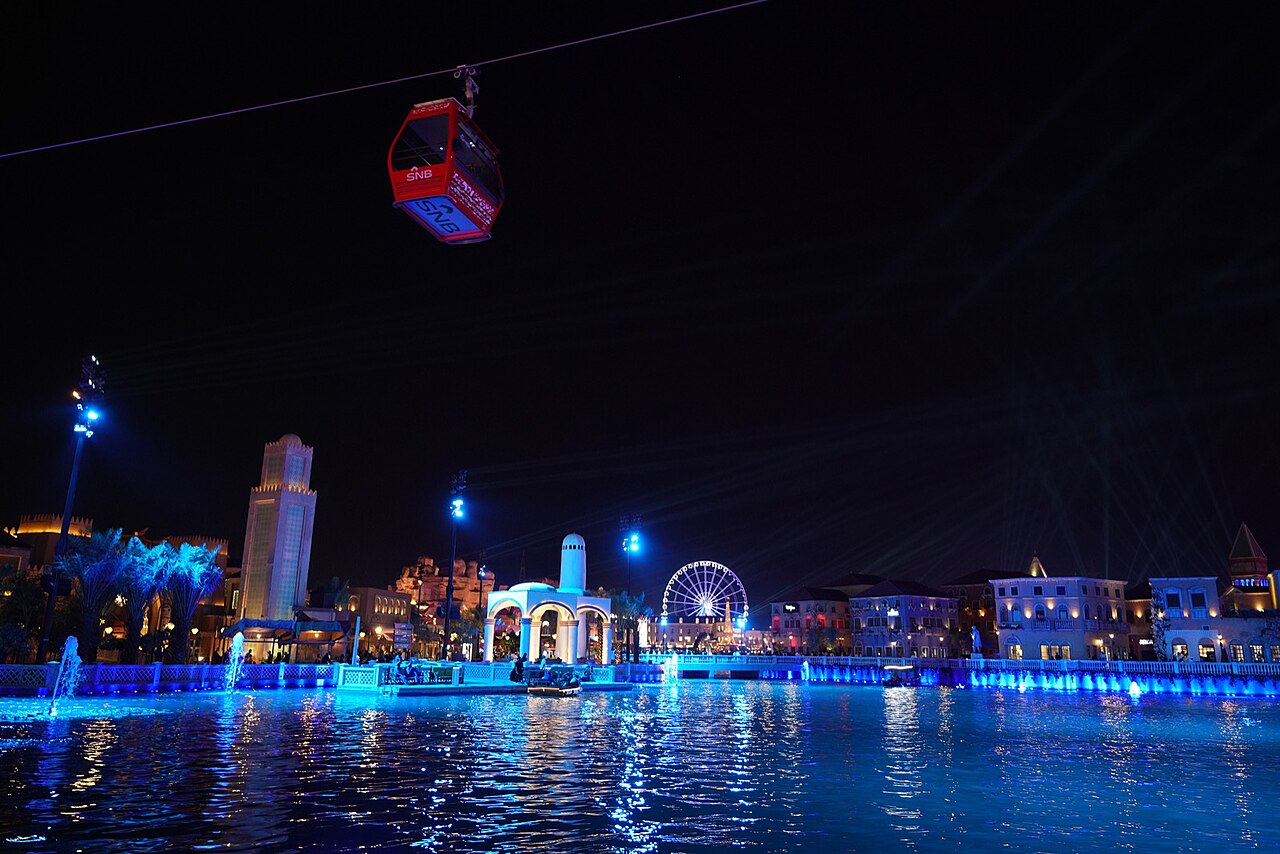
Plan one meal that is traditional, one that is modern and one that is simply a coffee and dates stop in a heritage setting, and your trip will taste as varied as the city looks. Ask your hotel for recommendations near your base, and keep an eye on the evening events in the cooler months, when street food and pavilions at Boulevard World add another way to sample many cuisines in one night.