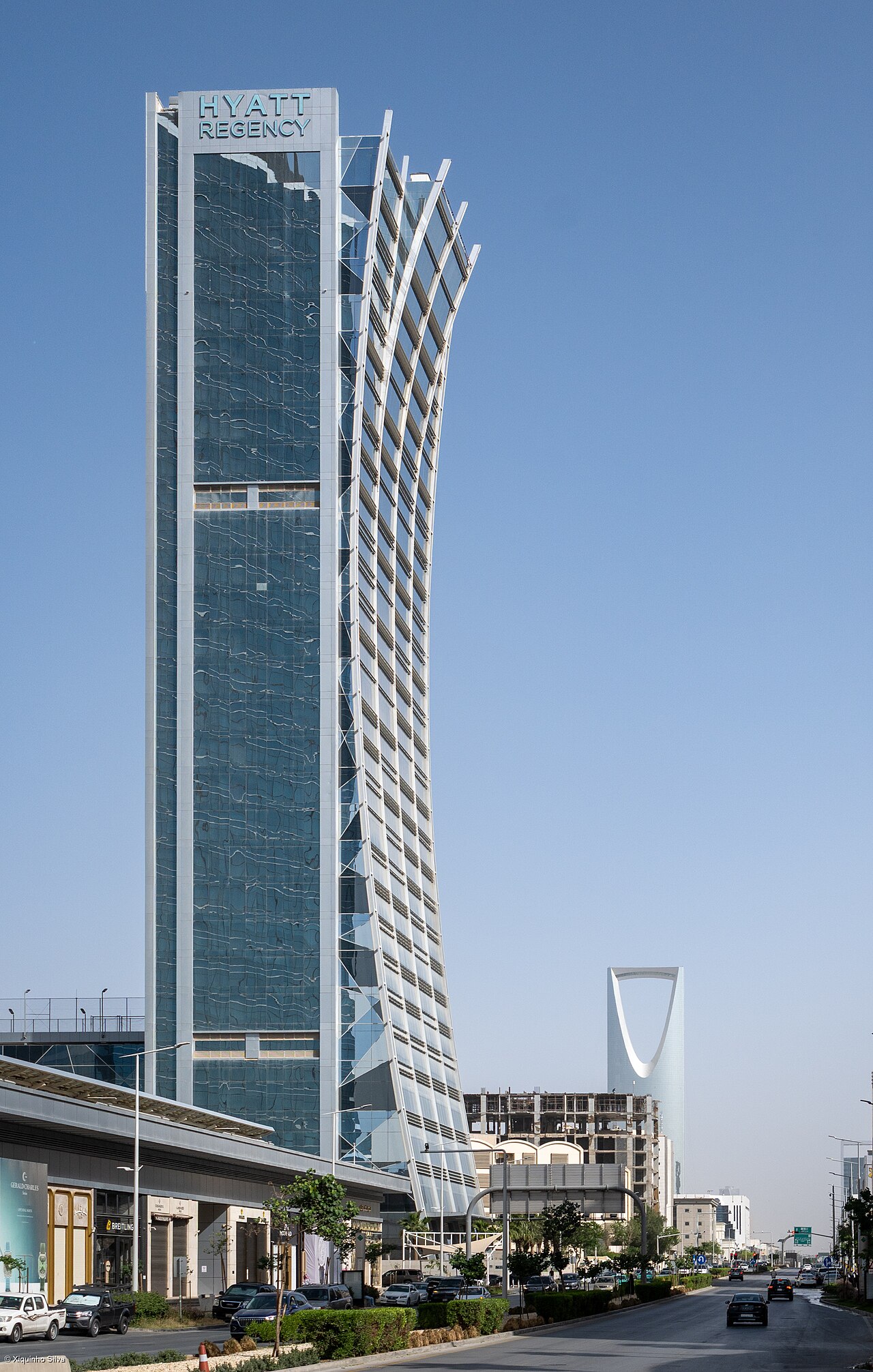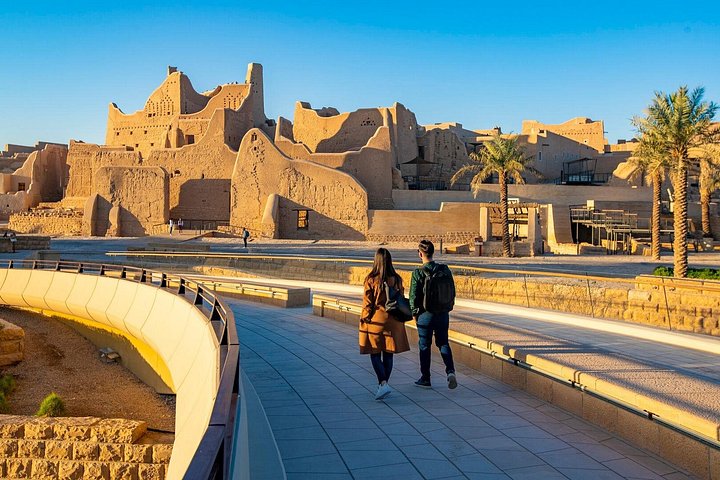
Riyadh is a big, spread-out desert capital, and a good first trip mixes three things: the heritage sites where the kingdom began, a few modern landmarks and one taste of the desert. Most visitors are happy with three or four days, and the trick is to book the handful of things that need it and to plan around the heat, the traffic and the rhythm of the day.
Entry and travel
Visitors from many countries can apply online for a Saudi tourist e-visa before travel. Eligibility, fees and any arrival rules change, so check the Visit Saudi portal for your passport, and your government’s current travel advice, before you book flights. Dress modestly, with loose clothing that covers shoulders and knees, and carry a light layer for air-conditioned interiors. Alcohol is not served in Saudi Arabia, so plan evenings around coffee, mocktails and food.
When to go
The cooler months, from about November to March, are the best time, with warm days and pleasant evenings. This is also Riyadh Season, which fills the city with events through the winter, including Boulevard World. Summer is very hot, so outdoor sightseeing shifts to the evening and indoor sights.
What to book ahead
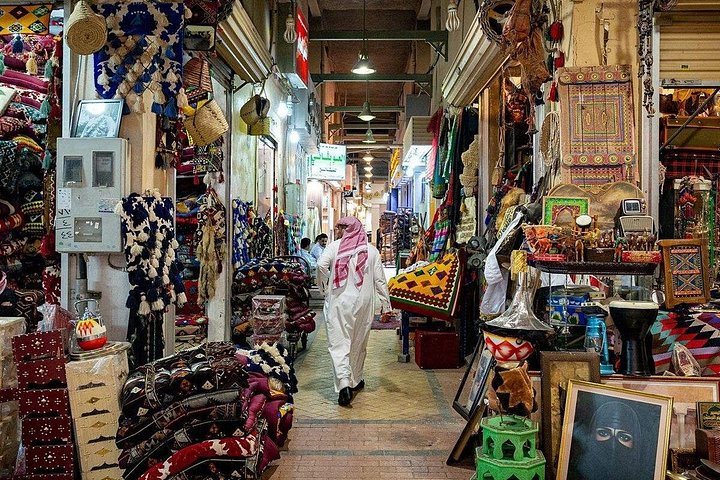
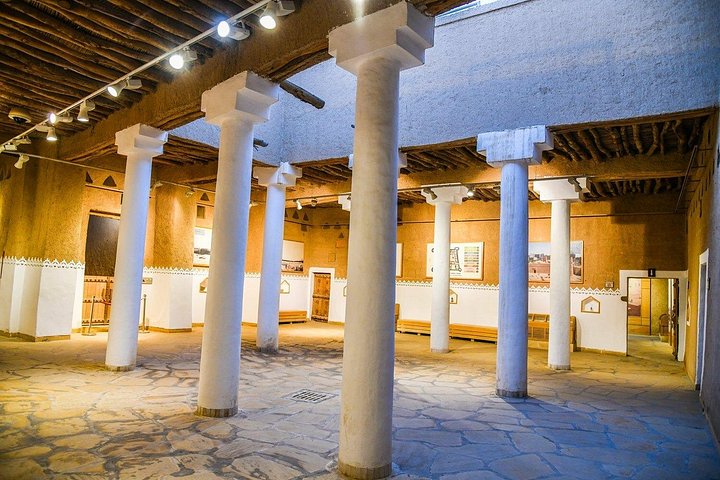
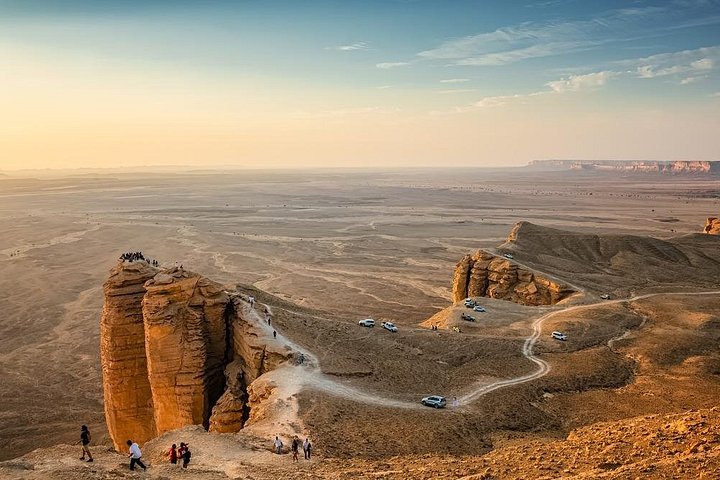
The evening visit to At-Turaif in Diriyah works best with a pass bought in advance through Diriyah’s own channels, and a restaurant table on Bujairi Terrace is worth reserving. The Edge of the World and a red sand dunes safari are guided trips that need a booking, and the Sky Bridge is easier with a ticket bought ahead at weekends. Boulevard World tickets are sold online. Masmak Fortress, Souq Al Zal, Murabba Palace and Wadi Hanifa need little planning.
How to get around
Riyadh is built for cars, and public transport is limited, although a metro network now serves some main routes. Taxis and ride-hailing apps are the easiest way to move between sights, and traffic can be heavy in the late afternoon and evening, so allow extra time. Diriyah is on the north-west edge of the city, the old centre is in the middle and the desert trips need a driver or a tour.
How many days
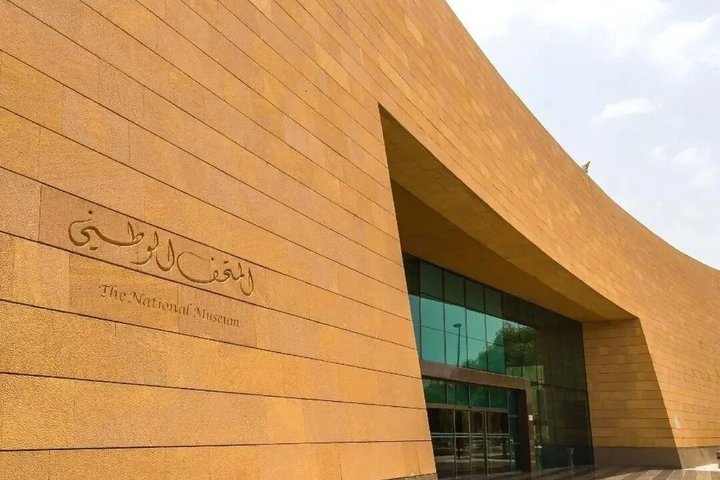
With two days, spend one on the old city and Diriyah and one on the Sky Bridge and the desert. With three days, add the National Museum, Murabba Palace and a Boulevard World evening. With four days, add the Edge of the World as a full outing, or a slow day at Wadi Hanifa. If your trip is short, protect At-Turaif at dusk and one desert experience, and treat the rest as a bonus.
A simple three-day plan
On day one, visit the National Museum and Murabba Palace in the morning, then Masmak Fortress and Souq Al Zal in the late afternoon and dinner nearby. On day two, spend the morning resting, then the Sky Bridge before sunset and an evening at Boulevard World. On day three, go to the Edge of the World or the red sand dunes in the late afternoon for sunset and dinner.
Practical notes
Short pauses around prayer times are normal, so check opening hours and be flexible. Carry water, sun cream and a hat in the day, and a light jacket in winter evenings. Cash is useful in souqs, though cards are widely accepted elsewhere.
Where to stay
Olaya is the most convenient base for a first visit, with the Sky Bridge, malls and restaurants close together, while Hittin and Diriyah suit a quieter stay near the heritage sites. The where to stay guide explains the options and the hotels cover the range from a five-star landmark hotel to a budget base near the Sky Bridge.