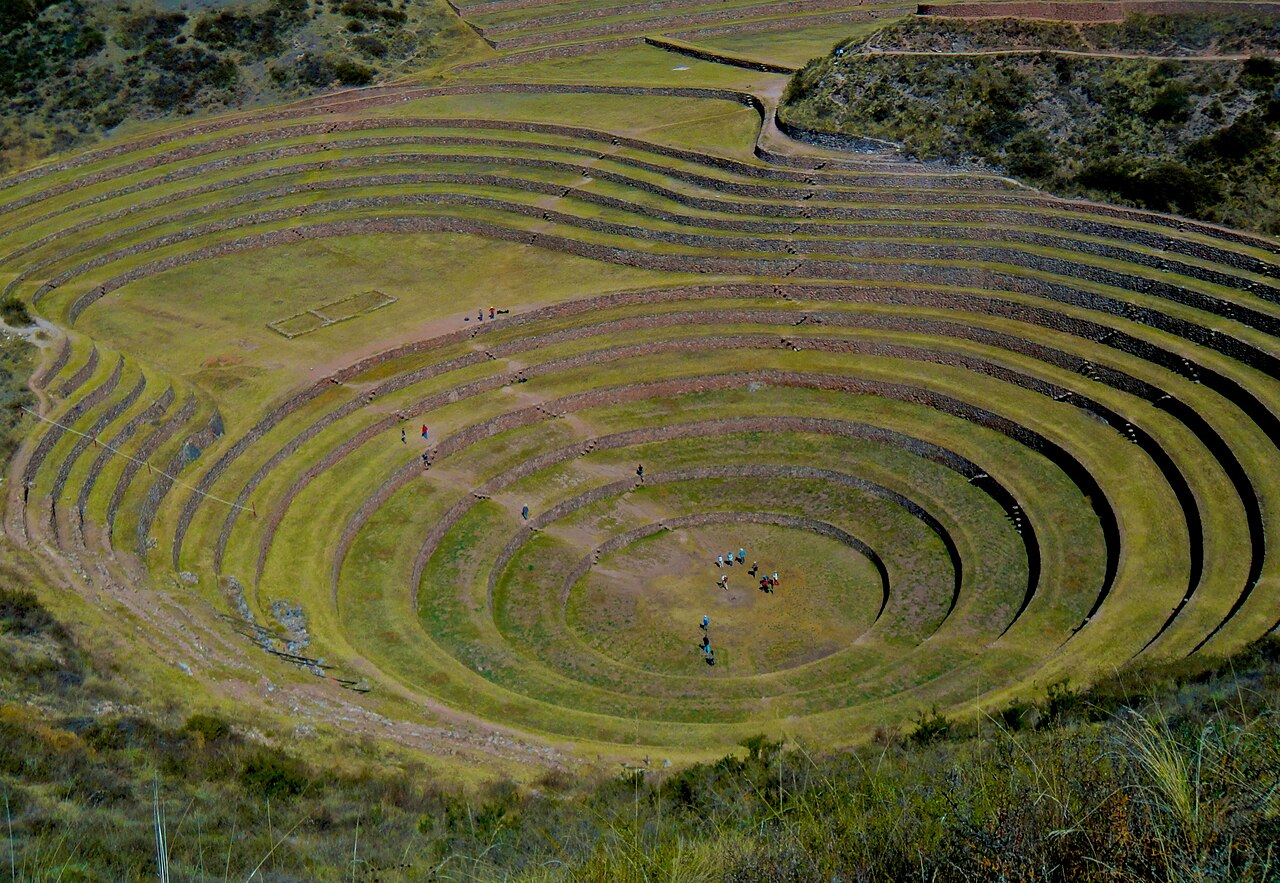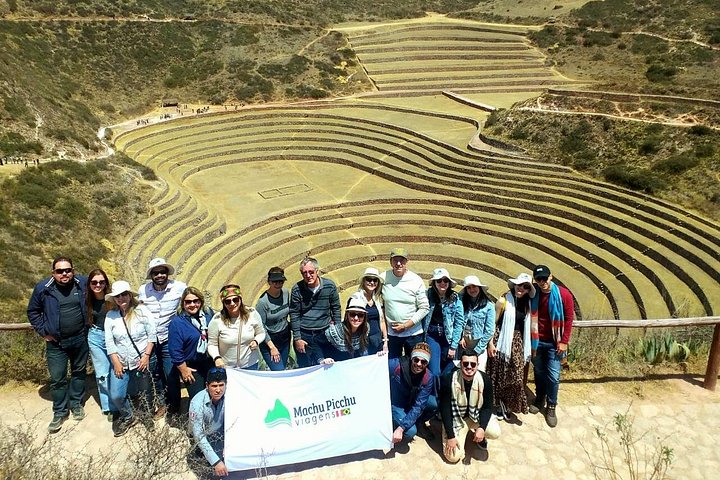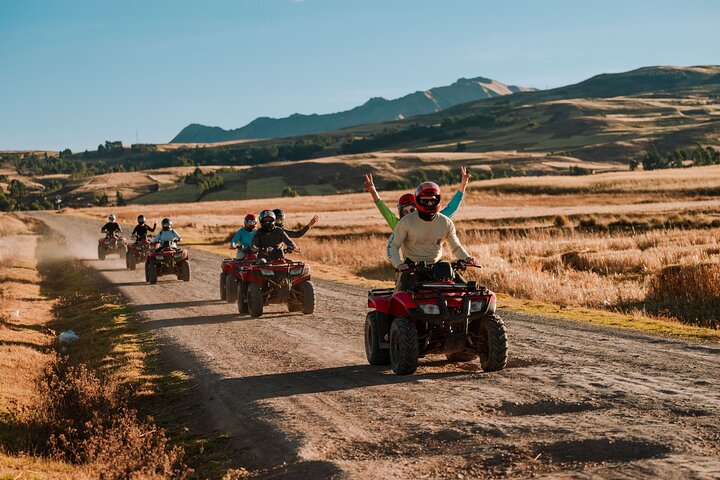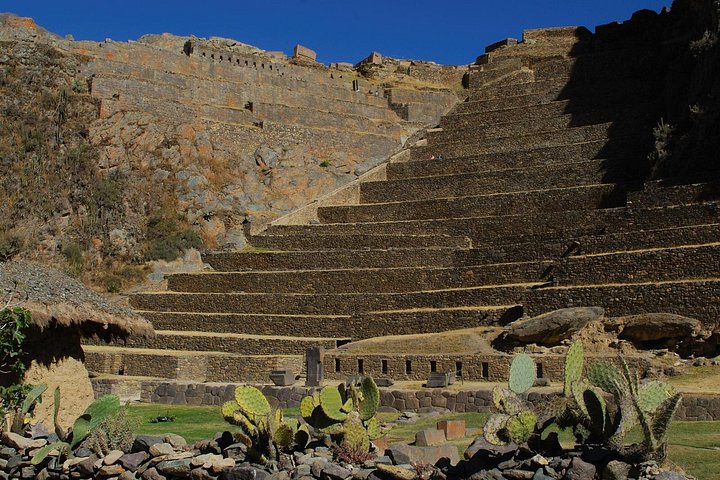
The plateau above the Urubamba valley is made for riding. Wide fields of potatoes, barley and quinoa roll toward snow-capped peaks, dirt tracks connect small villages, and the two great sights of the area, the circular terraces of Moray and the glittering salt pans of Maras, sit a few hours apart on horseback. A full-day riding tour lets you cover that ground at walking pace, with stops to look at the view, hear about farming life and visit the sites themselves. Horses are matched to your experience, and guides lead the group along established routes, so beginners are welcome as long as they are comfortable on a calm animal for several hours. Compared with a minibus tour, riding gives you silence, space and the feeling of travelling the way local farmers did for centuries, which is why it appeals to couples, photographers and anyone who has seen enough of the car window.
Expect a day of real riding rather than a pony ride. Tours usually collect you from your hotel in the valley or in Cusco, drive to the stables, and spend a few minutes fitting you to your horse and explaining the basics of steering, stopping and sitting on a downhill. The route then climbs gently across farmland, often with a pause at a viewpoint, before reaching Moray.
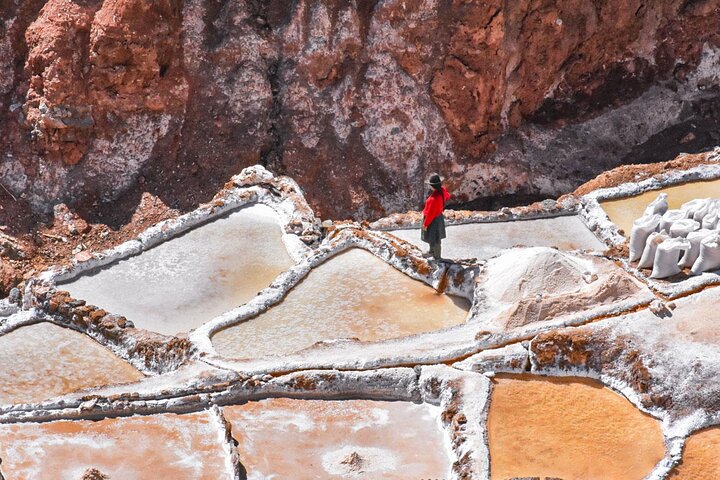
After exploring the terraces on foot, the ride continues toward Maras, where the salt pans cascade down a hillside in hundreds of small white and pink pools. A packed or served lunch is common, and the day ends with a drive back to your base.
Preparation matters. The plateau sits at roughly 3,500 metres, so give yourself a day or two to adjust before booking, and carry water, sun protection and a warm layer, since the weather can change quickly. Wear long trousers and closed shoes with a small heel, and avoid loose clothing that can catch on the saddle. Most operators provide helmets; ask when you book if you prefer to wear one. Weight limits apply for the animals' welfare, so be honest about your size, and check the minimum age for children.
Timing and season shape the experience. From April to October the days are dry and clear, with brilliant light on the terraces but cold early mornings. The rainy season from roughly November to March turns the fields vivid green but brings muddy tracks, afternoon showers and the occasional cancelled departure, so a flexible schedule helps.
Remember that the salt pans are a working site, so keep to the paths, and that the Boleto Turistico covers Moray but the Maras salt mines have a separate entrance fee, so check what your tour includes. Tip the guides and wranglers who look after the horses, ideally in soles, and treat the animals gently on steep or slippery ground.
What to expect
The experience
A guided full-day ride across the plateau, with a walking visit to the Moray terraces and a stop at the Maras salt pans, plus lunch.
Best time
The dry months from April to October for clear light, or the green season for lush fields and fewer visitors.
How long
About eight hours door to door, with several hours in the saddle.
Tips
Wear long trousers and closed shoes, bring water, sun protection and a warm layer, and confirm helmets, entry fees and weight limits when you book.
Quick picks
- Best for
- Confident beginners and keen riders who want countryside and quiet more than a quick photo stop.
- Families
- Check the minimum age and weight limits, as it is a long day for young children.
- Couples
- A scenic, slower alternative to the minibus, with plenty of room for photographs.
- Pair with
- A relaxed evening in Urubamba, or the salt mines and weaving village on a separate day.
- Time needed
- A full day.
Good questions
Do I need riding experience?+
Not necessarily. Horses are matched to your ability, but you should be comfortable sitting on a calm animal for several hours.
How high is the route?+
The plateau is around 3,500 metres, so spend a day or two acclimatising and carry water before you ride.
Are entry fees to Moray and Maras included?+
It depends on the operator. Moray is on the partial Boleto Turistico circuit, while the salt mines have a separate fee, so confirm what is covered.
What should I wear?+
Long trousers, closed shoes with a small heel, layers, a hat and sun protection. Avoid loose clothing that can catch on the saddle.
Does the tour run in the rainy season?+
Usually yes, though tracks can be muddy and showers are common from roughly November to March. Allow a flexible plan in case of cancellations.