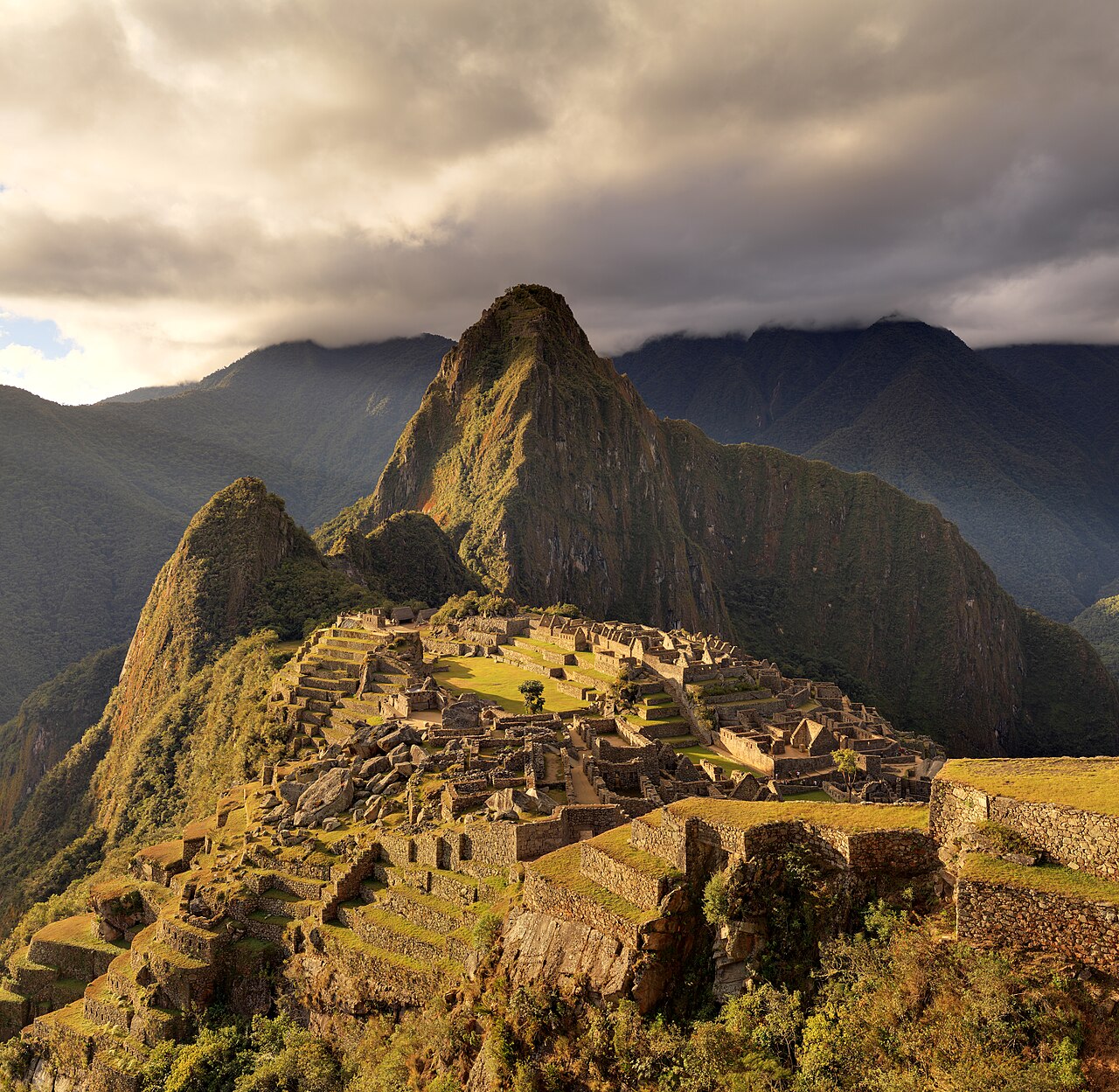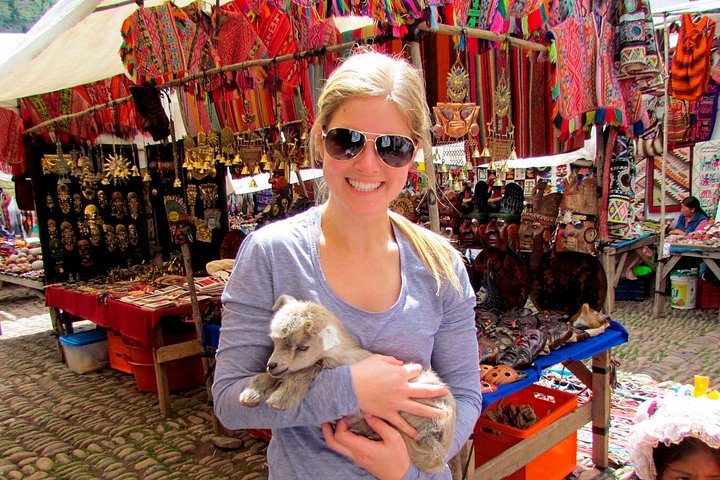
Pisac Ruins and Market
A sweeping Inca citadel of terraces and temples on a spur above the valley, with a craft market in the town below. A private half-day tour takes the stress out of the steep road and the timing.
Peru
The Sacred Valley of the Incas is the green corridor of the Urubamba River between Cusco and Machu Picchu, a fertile stretch of terraced hillsides, market towns and stone fortresses at roughly 2,800 metres.
This guide helps you plan it properly: the hilltop ruins and Sunday market of Pisac, the living Inca town and fortress of Ollantaytambo, the circular terraces of Moray and the glittering salt pans of Maras, and the weaving village of Chinchero where women still spin and dye by hand. It adds the adventures that suit the valley floor, from quad bikes between Moray and Maras to a via ferrata and zipline above the river and white-water rafting on the Urubamba, and it shows how Machu Picchu fits in as a day by train from the valley. We explain the Boleto Turistico that covers most of the ruins, what is not included, and why November is the start of the rainy season, so you know what to pack and when to go. Then it matches you to a bed, from a riverside Belmond hotel to a boutique stay on the Ollantaytambo plaza, because sleeping in the valley rather than Cusco changes the whole trip.
Pisac Ruins and Market
A sweeping Inca citadel of terraces and temples on a spur above the valley, with a craft market in the town below. A private half-day tour takes the stress out of the steep road and the timing.
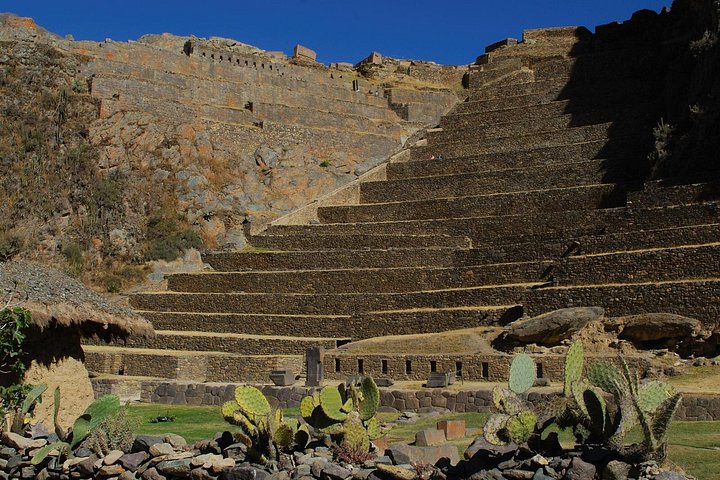
Ollantaytambo Fortress and Town
A massive stone fortress above one of the last living Inca towns, where the streets still follow the original grid. The valley's best ruins and the usual starting point for the train to Machu Picchu.
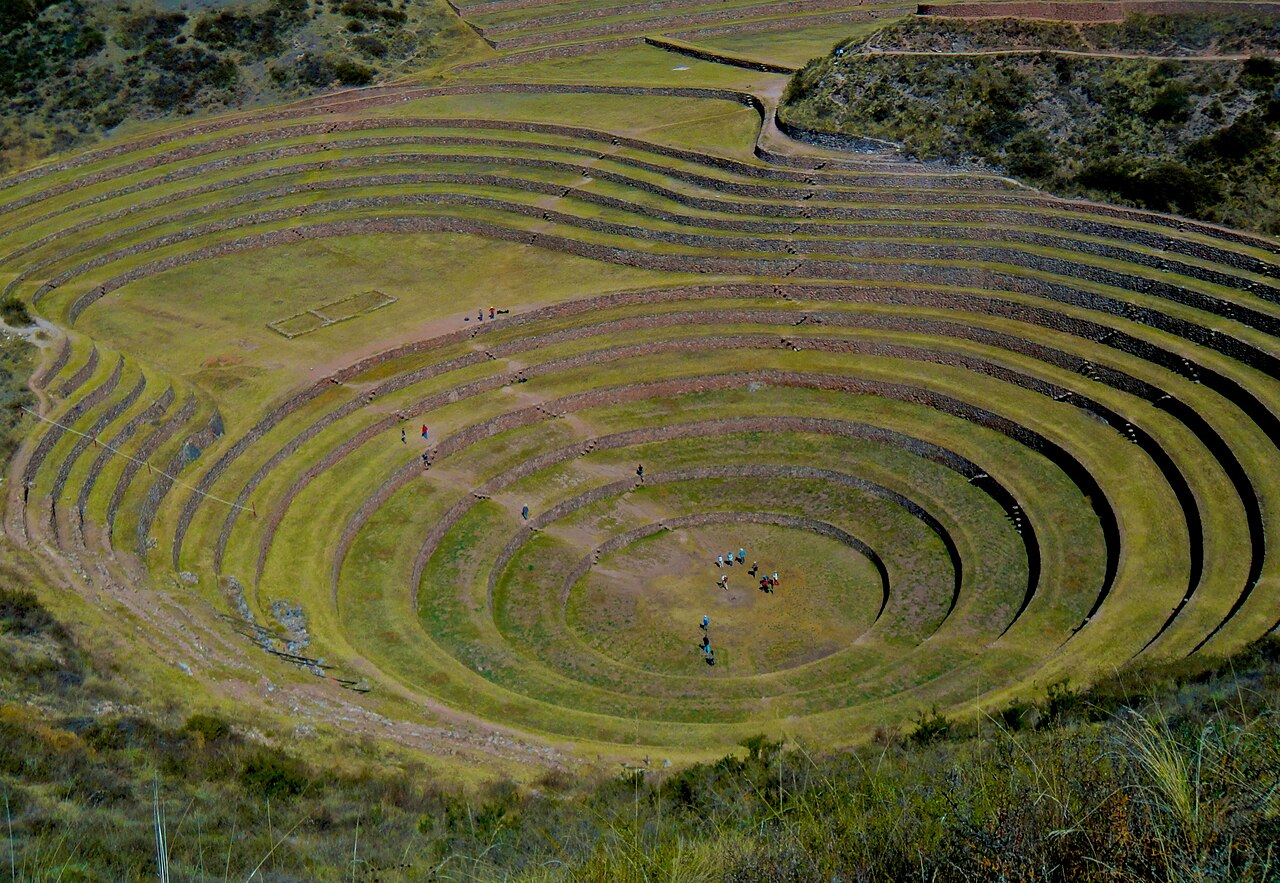
Moray Agricultural Terraces
Concentric circular terraces sunk into the earth like an amphitheatre, thought to be an Inca farming laboratory. A short, high-altitude stop, easily paired with the Maras salt pans on a half-day tour.
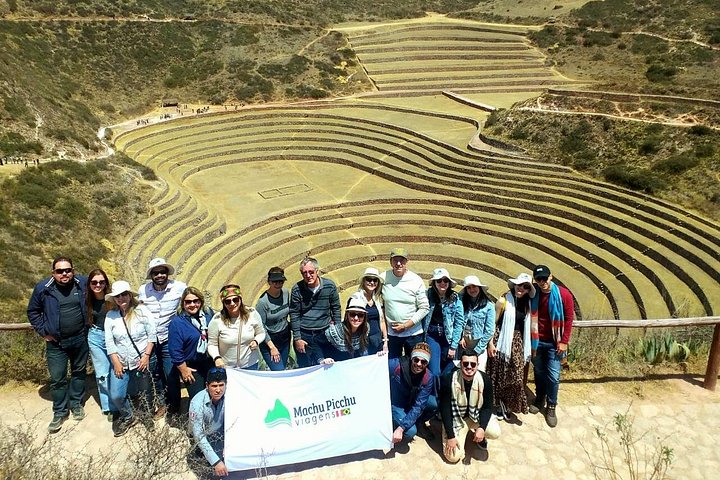
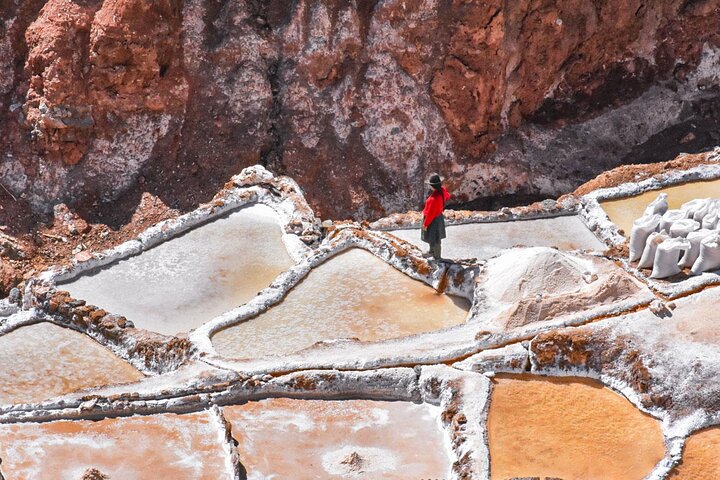
Maras Salt Mines
Thousands of small white salt pans stepped down a mountainside, fed by a warm salty spring and worked by local families since Inca times. A half-day tour with a snack pack takes in the pans and Moray.
Hand-picked: every experience here has strong traveler reviews and a verified booking link.
A sweeping Inca citadel of terraces and temples on a spur above the valley, with a craft market in the town below. A private half-day tour takes the stress out of the steep road and the timing.
A massive stone fortress above one of the last living Inca towns, where the streets still follow the original grid. The valley's best ruins and the usual starting point for the train to Machu Picchu.
Concentric circular terraces sunk into the earth like an amphitheatre, thought to be an Inca farming laboratory. A short, high-altitude stop, easily paired with the Maras salt pans on a half-day tour.
Thousands of small white salt pans stepped down a mountainside, fed by a warm salty spring and worked by local families since Inca times. A half-day tour with a snack pack takes in the pans and Moray.
A high Andean village with an Inca-era plaza, a Spanish colonial church and weaving cooperatives where women demonstrate natural dyeing and backstrap weaving. A half-day tour links it with Moray and Maras.
The valley's easygoing hub, with a leafy plaza, a good market, restaurants and farms along the river. A relaxed, lower-altitude base for the whole valley.
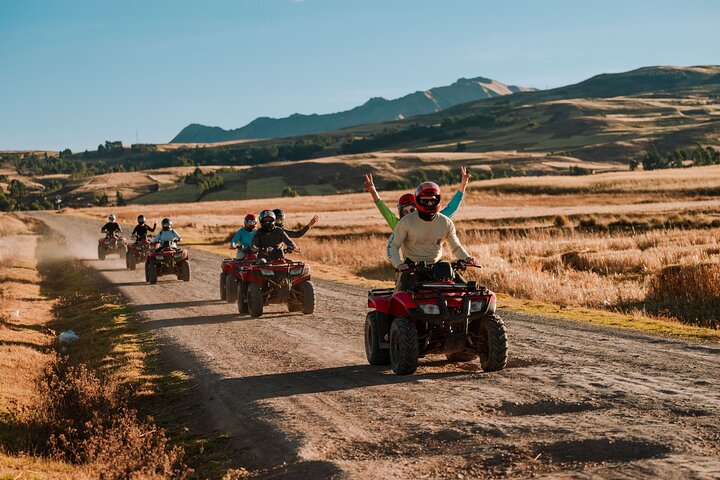
A guided quad-bike ride across the high plateau to the Moray terraces and the Maras salt pans, with big views and a lot of dust. Six hours of fun, whether or not you have ridden before.
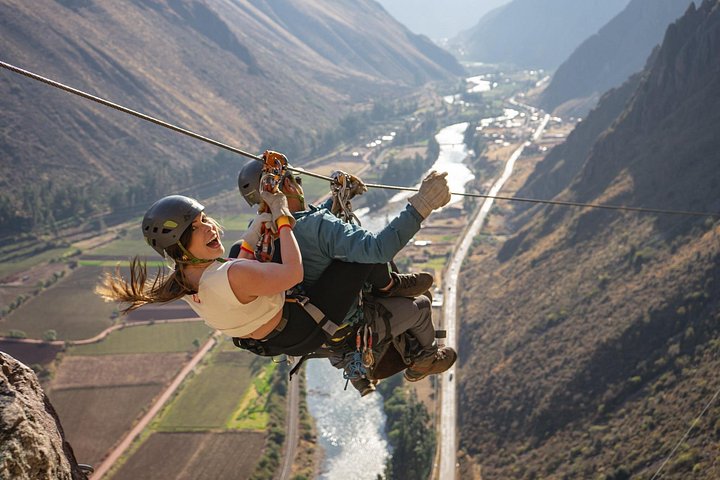
Climb a cliff on iron rungs and cables, then glide back down on ziplines high above the valley. The valley's best head-for-heights day, with lunch included.
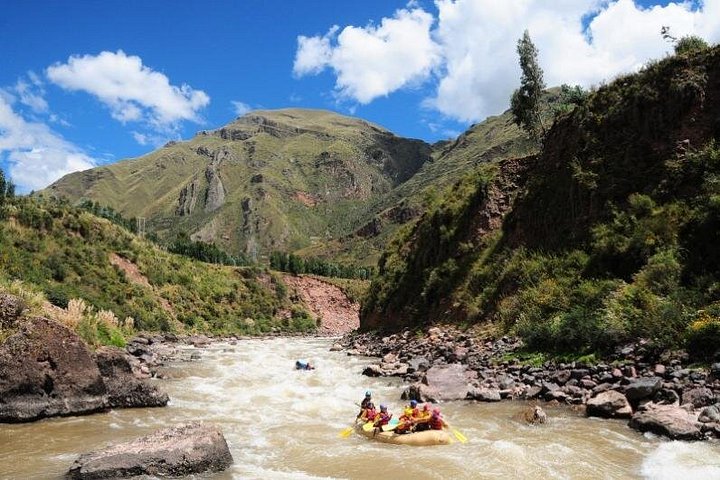
A full-day rafting trip on the Vilcanota, as the Urubamba is known upriver, combined with a zipline. Splashy, social and easy to add to a valley stay.
The Inca citadel in a day from Ollantaytambo: an early train to Aguas Calientes, a shuttle bus up the mountain and a few unforgettable hours on the ruins. This entry ticket is the piece you must secure first.
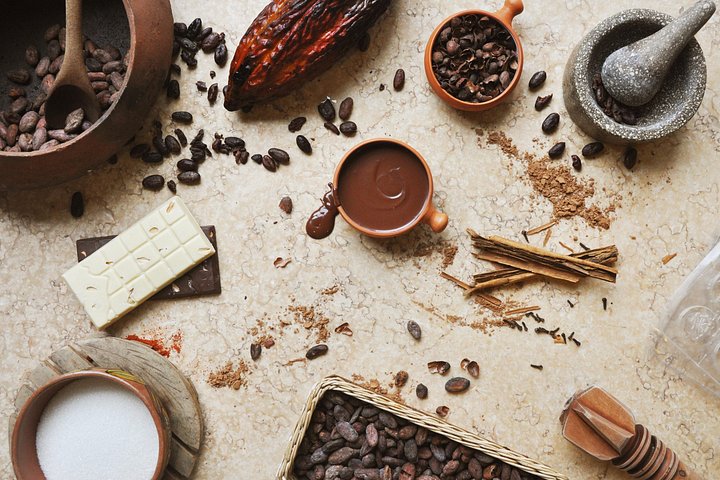
A hands-on two-hour workshop in Ollantaytambo that follows cacao from bean to bar, ending with chocolates you made yourself. An easy, rewarding rest from ruins and steep steps.
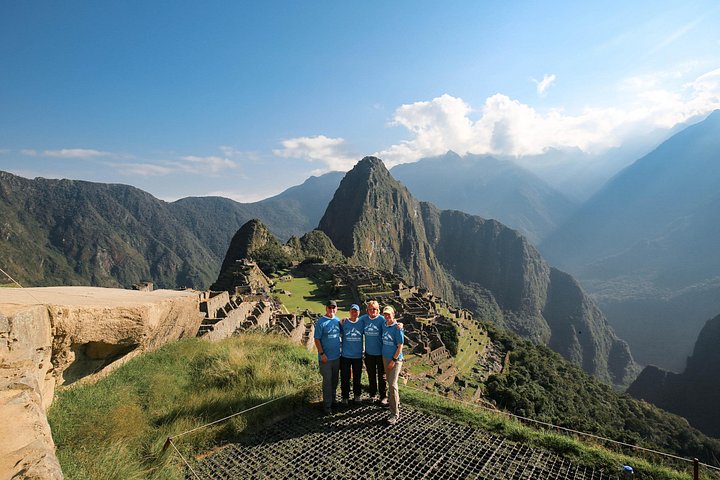
A taste of the Inca Trail without the four days: a train to the trailhead, a day on stone paths past Inca terraces, a night in Aguas Calientes and a guided morning at Machu Picchu.
Hotels we would book ourselves, from splurges to good-value bases.
Urubamba Riverside
A riverside luxury hotel with its own station for the Hiram Bingham train to Machu Picchu. Terrace rooms, a spa, a heated pool and alpacas on the lawn, the valley's splurge.
Check rates →Urubamba Town Edge
A large riverside resort a short walk from Urubamba plaza, with indoor and outdoor pools, a thermal spa circuit and a private train carriage service to Machu Picchu. The easy luxury choice in town.
Check rates →Ollantaytambo Historic District
A friendly mid-range hotel in Ollantaytambo with garden grounds, mountain views and a free shuttle to the train station. The sensible base for an early train to Machu Picchu.
Check rates →Ollantaytambo Plaza
A small boutique hotel right on the Ollantaytambo plaza with views of the ruins, free breakfast and a restaurant and winery on site. The best location in town for a short stay.
Check rates →Ollantaytambo Old Town
A small, friendly bed and breakfast a few minutes from the Ollantaytambo plaza, with generous breakfasts and views of the ruins. A budget-friendly base for a night or two.
Check rates →Huayllabamba
A quiet, garden-set hacienda lodge on the Urubamba road, with a spa, a restaurant and ecotours. A peaceful, nature-led stay for travellers who value calm over nightlife.
Check rates →Huayllabamba
A large riverside hacienda resort with a pool, a spa, spacious rooms with private hot tubs and a restaurant on site. The valley's comfortable choice for families and groups.
Check rates →What to book ahead, how the Boleto Turistico works, how to get around, how many days you need and how Machu Picchu fits in from the valley, including what the November rainy season means.
A guide to the two best bases in the valley, with seven hotels from a riverside Belmond hotel and two Huayllabamba hacienda stays to a plaza boutique stay and a budget bed and breakfast in Ollantaytambo.
A day-by-day plan for three days in the Sacred Valley, covering Pisac, Chinchero, Moray, Maras, Ollantaytambo and Machu Picchu, with tips on pacing, altitude and where to sleep.
A guide to the food of the Sacred Valley, from giant-kernel corn and potatoes to roast guinea pig, pachamanca, chicha and Peruvian chocolate, with tips on altitude, hygiene and classes.
When to go to the Sacred Valley: how the dry and rainy seasons differ, what each month feels like, how crowds and prices change, and how to plan around Machu Picchu.
A guide to active days in the Sacred Valley, from the Short Inca Trail and Lares Trek to quad bikes, rafting and a via ferrata, with advice on fitness, altitude and choosing a route.