Saint Lucian cooking is Creole at heart, a blend of African, French, Indian and British influences built on local produce, fresh seafood and a good deal of seasoning. It is hearty, bright and often spicy, and the best way to eat it is to follow the island's habits: breakfast on bakes and cocoa tea, a plate of grilled fish for lunch and a long evening of snacks, rum and music. This guide covers what to order and where to find it.
The national dish
Green fig and saltfish is the island's signature, and you will see it on menus and in home kitchens. The green figs are unripe bananas, boiled and tossed with flaked salted cod, onions, peppers and oil. It is simple, filling and eaten for breakfast or lunch. Order it once and decide for yourself whether it is for you. Pair it with fried plantain, avocado or a slice of local bread.
Fish and seafood
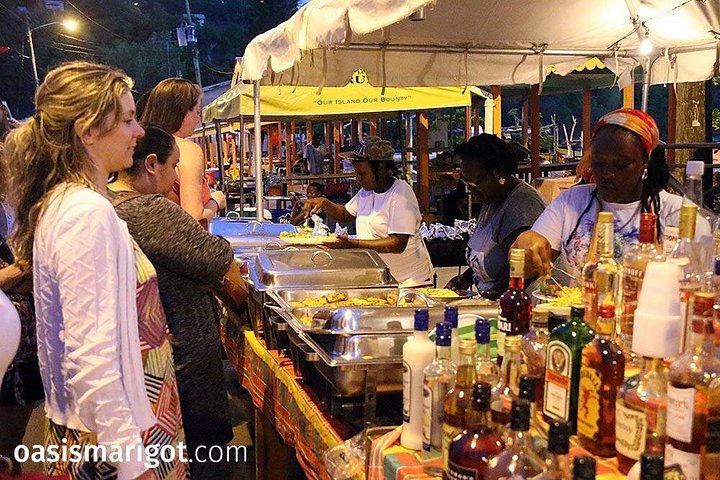
With the sea on every side, fish is the star. Expect mahi-mahi, snapper, kingfish and tuna, grilled, fried or cooked in a Creole sauce with tomato, thyme and pepper. Lobster is seasonal and best ordered where it is fresh. At weekend fish fries and street events, fishermen and cooks sell plates of grilled fish with sides, and the Friday night street party in Gros Islet is the best-known example. Look for stalls with a queue of locals and a smoking grill.
Markets and street food
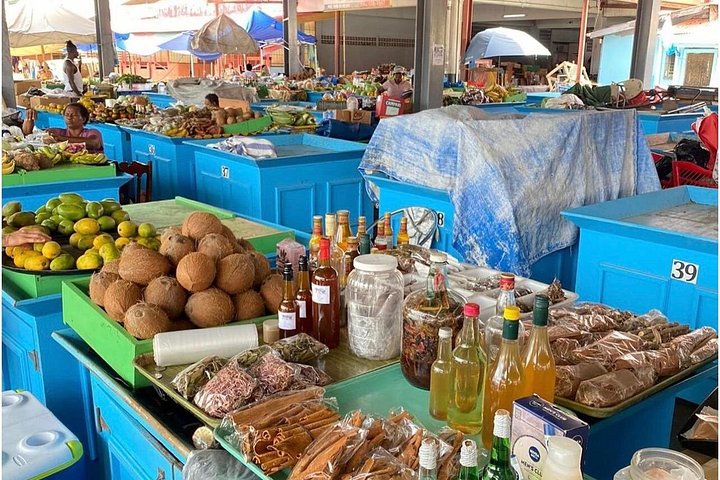
Castries Central Market is the place to see the island's produce at its best, from mangoes, soursop and breadfruit to cocoa sticks, spice and homemade pepper sauce. A guided food tour, which many visitors find worthwhile, explains what you are tasting and takes you to small spots you would not find alone. Street vendors sell bakes, accra, fried fish and fruit juices, and a cheap lunch from a roadside cook is often the best meal of the day.
Cocoa and chocolate
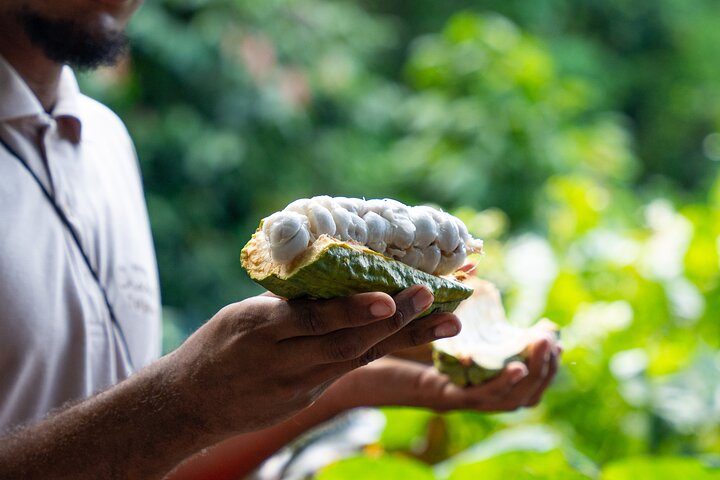
Cocoa is part of the island's identity. Locals drink cocoa tea, a spiced hot drink made from grated cocoa sticks, at breakfast, and the Soufrière area has several estates where you can see cocoa grown and make your own chocolate bar. The Hotel Chocolat cocoa estate is the best-known, and Fond Doux and Morne Coubaril offer walks through working plantations with tastings. Chocolate made from island cocoa makes an excellent and portable souvenir.
Rum and beer
Saint Lucia produces its own rum, and distillery visits and tastings are widely available, with options ranging from light white rums to aged and spiced bottlings. Local beer is light, cold and well suited to the heat, and fresh fruit punch is on every bar menu. Try a rum punch at a beach bar and a local rum neat at the end of a meal. Drink responsibly if you are driving or planning to hike the next morning.
Estate and hillside lunches
In Soufrière, several estates serve Creole lunch among the trees, often with a view of the Pitons. These meals tend to be set menus of rice, stewed meat or fish, vegetables and provisions such as breadfruit and yam, and they are a good way to end a morning of hiking or sightseeing. Book ahead for groups and on busy days.
Dining by area
Rodney Bay has the widest choice of restaurants, from casual beach grills to upscale dining, and is easy for evenings on foot. Marigot Bay has waterfront cafes and a marina atmosphere. Soufrière is quieter, with hotel restaurants, small local places and the best views. Resort restaurants at places like Cap Maison, Ladera and Sugar Beach are worth a special-occasion booking, and Hummingbird Beach Resort is known for French Creole dishes.
Sweet things
Save room for local fruit, from ripe mango and pineapple to sugar apple and passion fruit, and for coconut bread, banana fritters and homemade ice cream flavoured with local fruit and spice. Many hotels and estates serve a plate of fresh tropical fruit at breakfast, and roadside sellers offer coconut water cut open on the spot, which is among the cheapest and most refreshing treats on the island.
Practical tips
Ask your hotel whether the tap water is suitable for drinking, since many visitors prefer bottled or filtered water. If you have allergies or dietary restrictions, tell the cook, because seasoning blends and sauces often contain fish, peanuts or hot pepper. Tipping is usual where service is not included, and cash is welcome at markets, stalls and small restaurants. Ask your hotel or driver for current recommendations, because small places change hands and opening hours.