Saint Lucia is warm all year, with daytime temperatures in the high twenties Celsius and sea temperatures that never turn cold. What changes is the rain, the humidity, the crowds and the price. Choosing the right months depends on what you want to do, and this guide explains how the seasons play out on the island.
The dry season, December to May
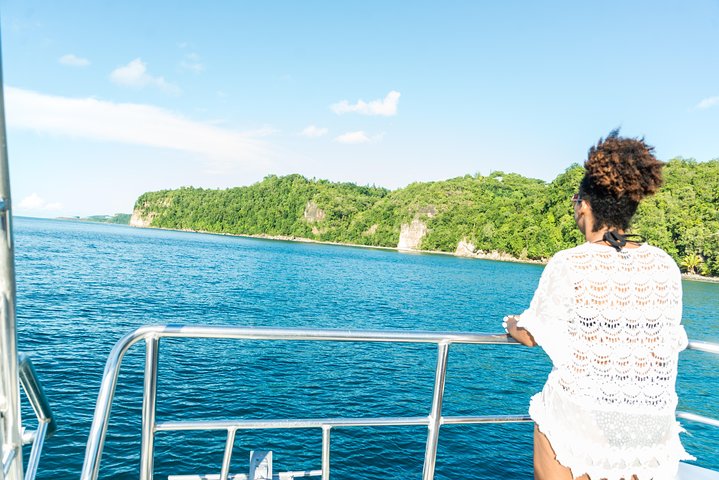
These months bring the driest weather, lower humidity and steady trade winds, which makes them the most comfortable for hiking, sailing and sightseeing. The sea is calm on the west coast, visibility is good for snorkelling and the trails up Gros Piton are less muddy. It is also the high season, so expect the highest hotel rates, busier tours and cruise ships in port on many days. Book hotels and key excursions well in advance, especially around Christmas, New Year and Easter.
The wet season, June to November
Showers become more frequent and heavier, humidity rises and the landscape is at its greenest. Rain usually comes in short, intense bursts followed by sunshine, so a trip is rarely ruined, but trails are muddier and waterfalls fuller. Hotel rates fall, crowds thin and many resorts run offers. The trade-off is weather risk, particularly in the later months when tropical systems are more likely.
Hurricane season
The Atlantic hurricane season runs from June to the end of November, with the peak usually in late summer and early autumn. Saint Lucia lies at the southern edge of the main hurricane belt, and direct hits are less common than in the northern Caribbean, but storms and heavy rain can still disrupt boat trips, flights and roads. If you travel in these months, buy travel insurance that covers weather disruption, choose flexible bookings, confirm that boat tours are running and monitor forecasts in the days before departure.
Shoulder months
May, early June and late November can offer a good balance, with lower rates and fewer crowds than the peak season and a reasonable chance of dry days. Early December is another sweet spot, with the island greener from the wet months but before the Christmas surge. If your dates are flexible, aim for these windows.
Whales and wildlife
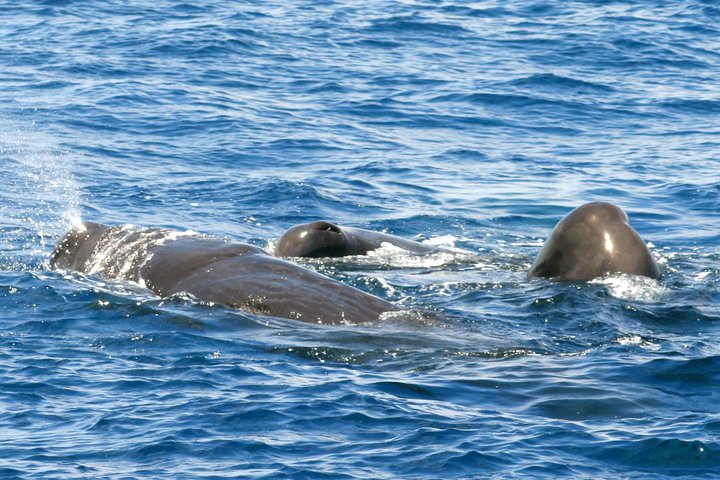
Dolphins can be seen year-round, and whale sightings are more common in the drier months, roughly from December to April. Sea turtles nest on some beaches in the warmer months. Birdwatchers will find the forest alive after the rains, with endemic species such as the Saint Lucia parrot found in the interior forests and best seen with a guide.
Festivals and events
The Saint Lucia Jazz and Arts Festival is held in the late spring and brings performers to Rodney Bay and Pigeon Island. The island's Carnival is held in July, with parades, costumes and soca music across Castries. In October, the Creole celebrations known as Jounen Kwéyòl bring food, music and traditional dress to villages around the island, and Gros Islet hosts its famous Friday street party all year. Dates change from year to year, so confirm them before you book flights.
Choosing by activity
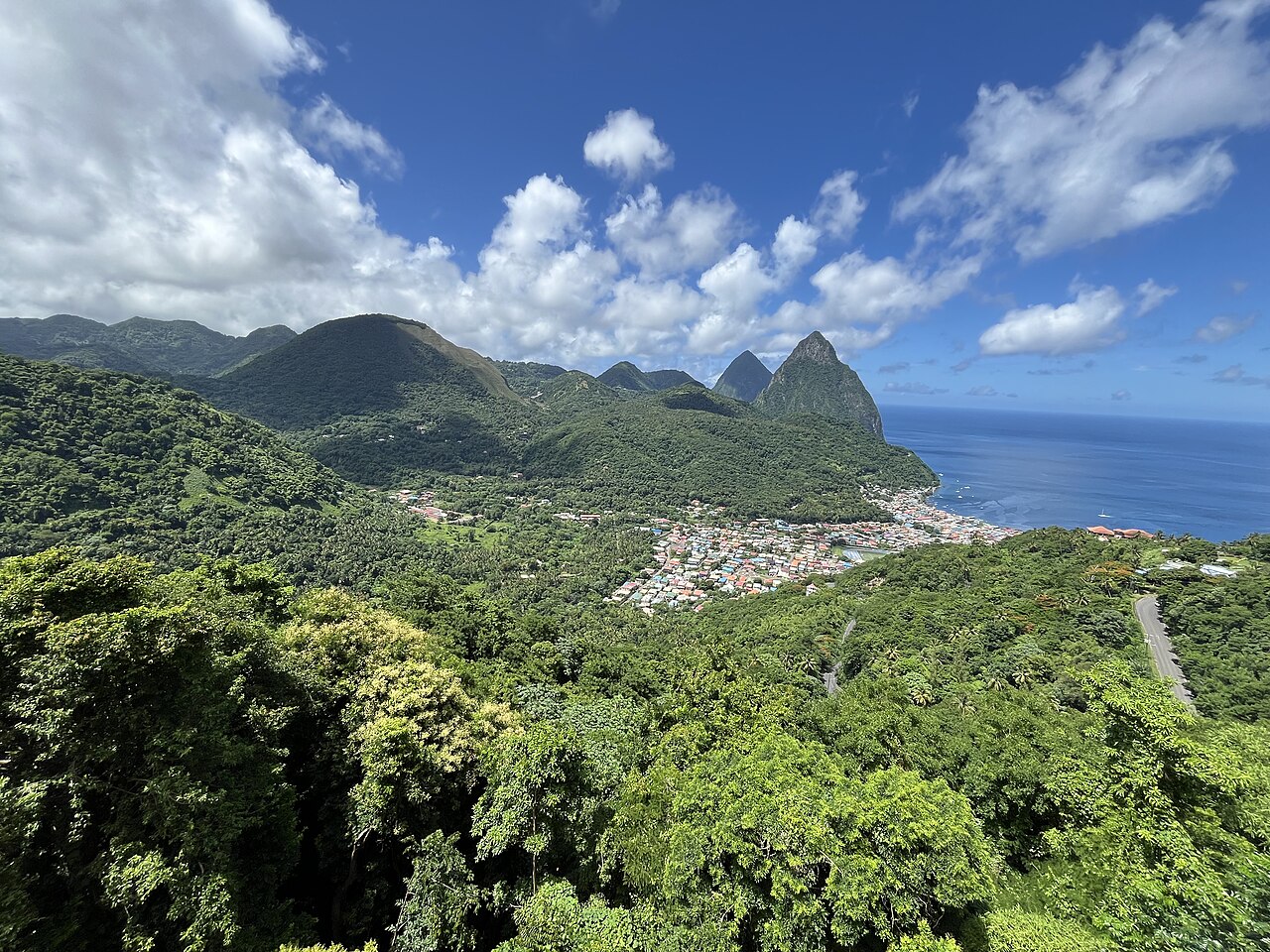
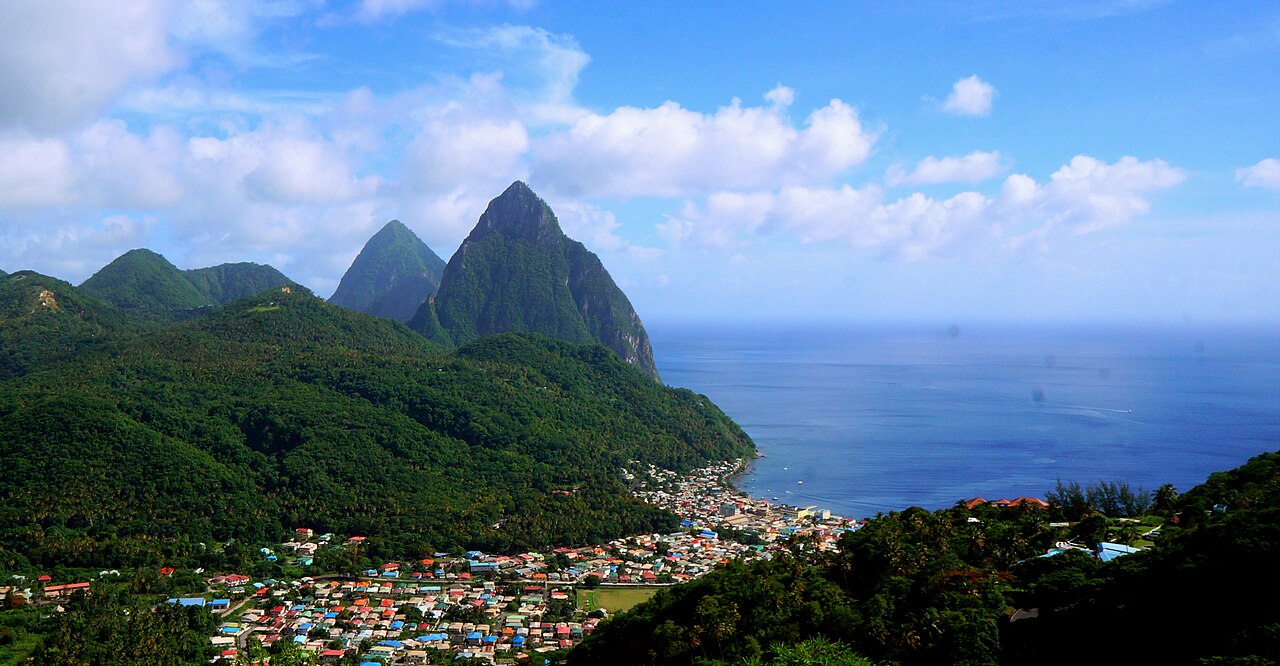
For hiking Gros Piton, the Tet Paul trail and plantation walks, choose the dry season. For sailing and snorkelling, the dry months bring calmer seas and clearer water. For honeymoons and views, the dry season again is safest, since clear skies make the Pitons at their best. For budget travel, the wet season and the shoulder months offer the best value, and for families the summer school holidays bring warm water and lively beaches, with a little more rain.
Crowds and prices
The busiest weeks are Christmas, New Year, February half-term and Easter, when flights and the best rooms sell out early and popular tours book up days ahead. Outside those weeks, you can often arrange excursions at short notice, and negotiate private drivers more easily. Cruise ships call on many days in the high season, so visit the best-known sights early or late to avoid the midday crowds, and ask your hotel which days the port is busiest.
Practical tips
Whatever the season, pack a light rain layer, reef-safe sunscreen and insect repellent. Mornings are the best time for hikes and photographs, since cloud builds around the peaks by midday. Keep plans flexible, build a spare day into a tight itinerary and ask your hotel about current conditions before committing to a boat or a mountain trip.