Three days is enough to see the best of Saint Lucia if you accept one rule: do not try to cover the whole island. The headline sights are at opposite ends of a mountainous coast, and the roads between them are slow, so the plan below uses one overnight move and keeps the long drive to a single day. If you land at the smaller airport near Castries, start in the north. If you land at Hewanorra in the south, reverse the order and begin in Soufrière.
Day one: the north and the coast
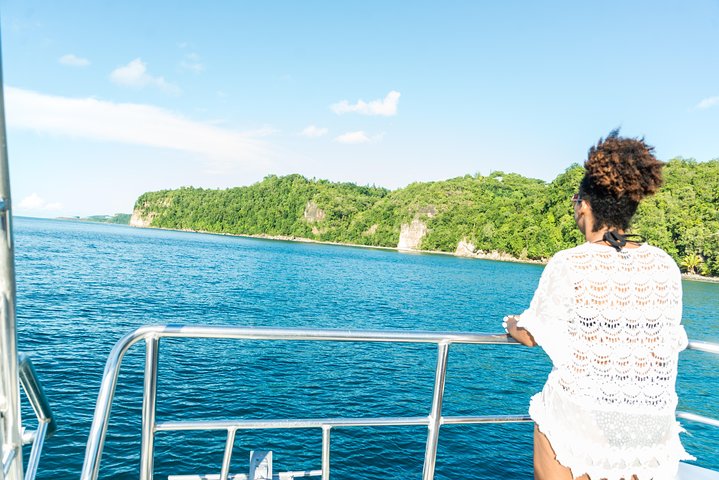
Spend the morning at Pigeon Island National Landmark, where a short climb to Fort Rodney gives you a view of the whole northwest coast and the beach below is calm enough for an easy swim. Have lunch around Rodney Bay, then take an afternoon catamaran or snorkelling trip, or a horseback ride along the sand if you would rather stay on land. In the evening, eat in Rodney Bay, and if it is a Friday, spend an hour at the Gros Islet street party. Sleep in the north if you want to keep your luggage in one place for the first night, or head south after dinner if your hotel is in Soufrière.
Day two: the long drive south and the Pitons
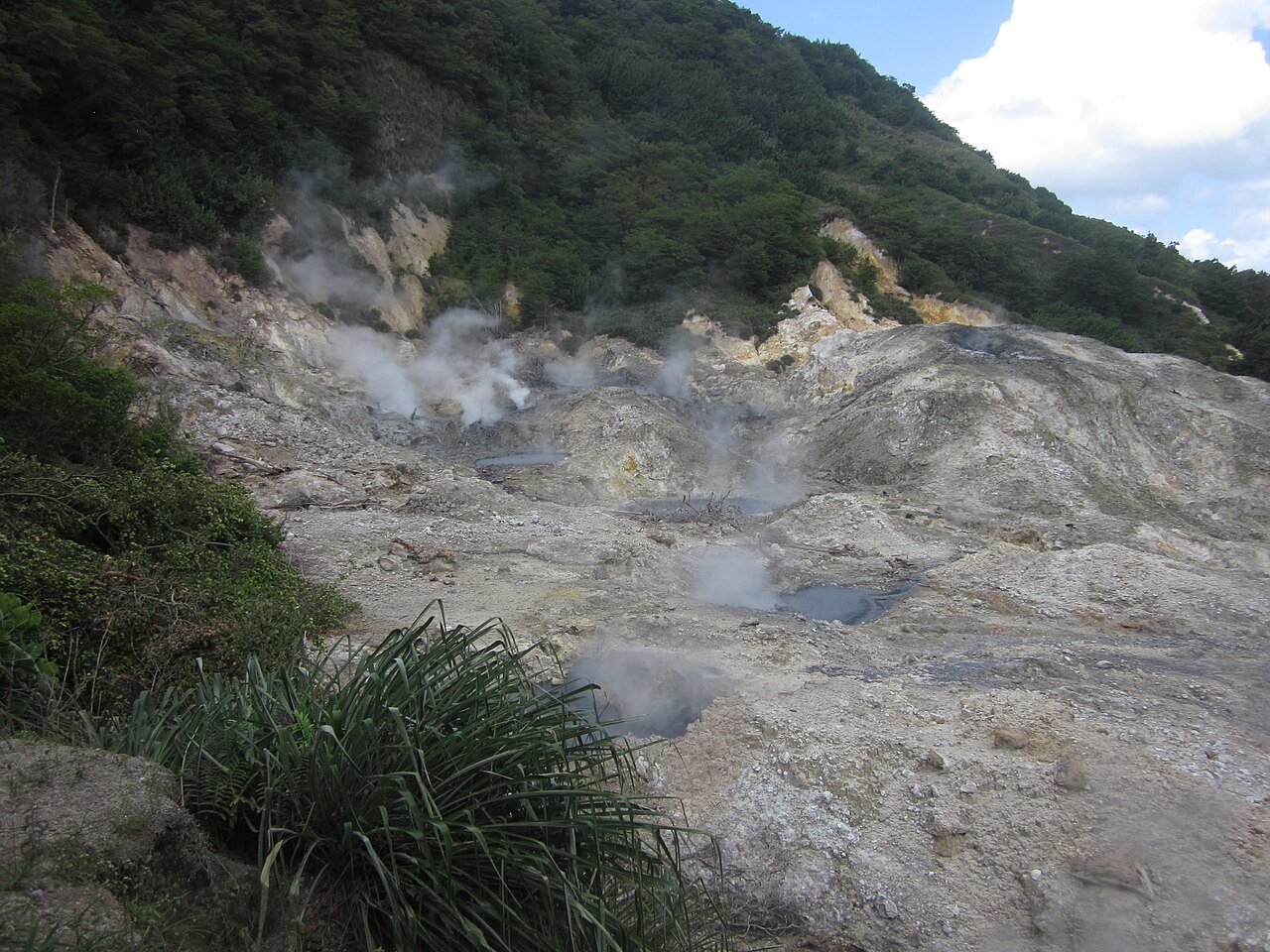
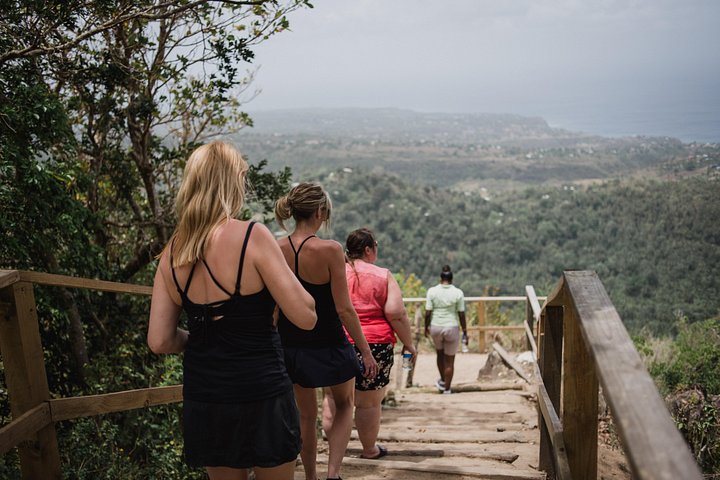
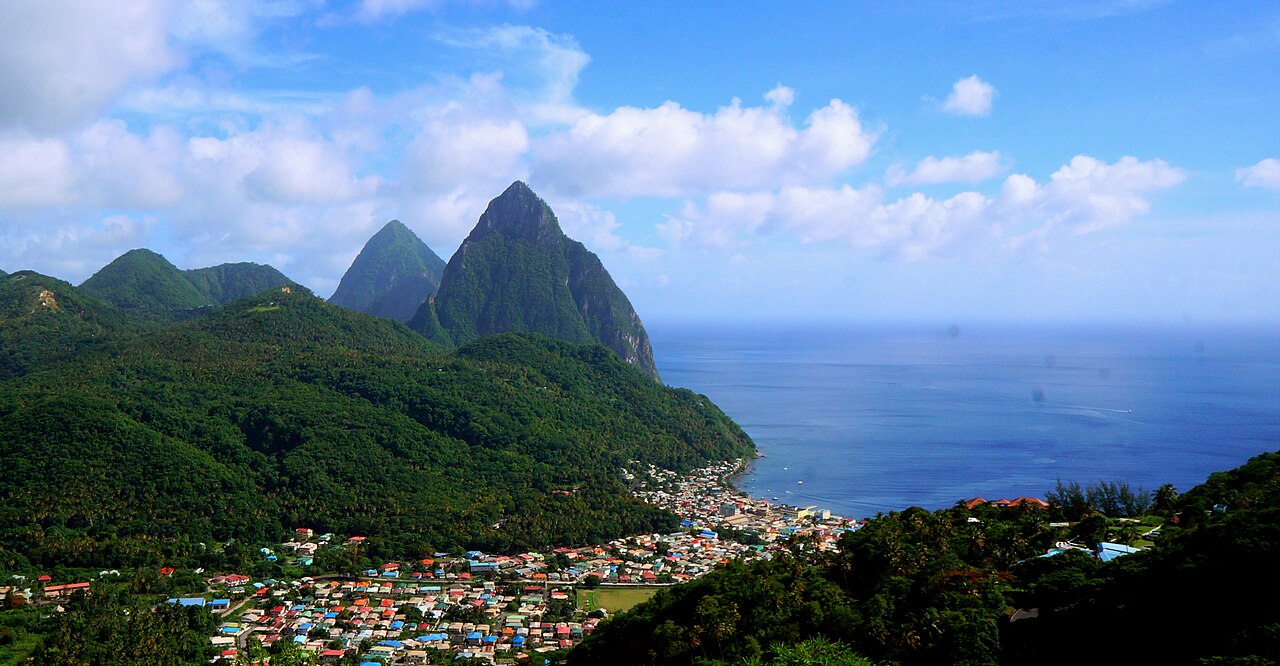
Leave early. The drive to Soufrière takes an hour and a half or more on winding roads, so a private driver or an organised tour makes the day easier than driving yourself. Stop at the viewpoints above the town for your first look at the Pitons, then visit Sulphur Springs for the fumaroles and a mud bath. After lunch, walk the Diamond Botanical Gardens and see the waterfall that changes colour with the minerals. If you have energy left, finish at the Tet Paul Nature Trail for the best panorama of both peaks, or at Fond Doux for a gentle plantation walk. Check in to a Soufrière hotel and eat with the Pitons in view.
Day three: choose your finish
Active travellers should climb Gros Piton at sunrise with a guide, which takes most of the morning and leaves the afternoon for a swim and a long lunch. If a hike does not appeal, take a catamaran cruise up the coast from Soufrière, which stops for snorkelling and passes the Pitons from the water, or spend the morning at a cocoa estate learning how chocolate is made. In the late afternoon, transfer to your departure airport, allowing a generous buffer for traffic and the winding road.
Where to stay
For this plan, one night in the north and two in Soufrière works well, or all three in Soufrière if you arrive at Hewanorra. Sugar Beach and Anse Chastanet suit travellers who want the Pitons at their doorstep, Ladera is the romantic hilltop option and Hummingbird Beach Resort is the budget-friendly guesthouse. In the north, Bay Gardens Beach Resort and Cap Maison give you quick access to Rodney Bay and Pigeon Island. Our where-to-stay guide compares them in more detail.
What to book ahead
A guided Gros Piton hike, a catamaran cruise and a Sulphur Springs tour depend on a guide or a boat, so reserve them before you arrive, especially in the winter high season. Ziplines, the aerial tram and the cocoa estate tours also fill up on cruise-ship days. Pigeon Island, Diamond Botanical Gardens and the Tet Paul trail are simpler and can be arranged on the day, but confirm opening hours first.
Getting around
Licensed taxis and private drivers are the easiest way to cover the island, and many drivers double as guides. Agree the fare in advance and ask the driver to wait while you visit each sight. If you hire a car, remember that traffic keeps to the left, the roads are narrow and steep, and night driving is slow. Tours that include hotel pickup save the most time on the long southern day.
What to pack
A light rain layer matters more than an umbrella, because showers pass quickly. Bring water shoes for the mud baths and the reef, sturdy shoes for the trails, reef-safe sunscreen, a hat and insect repellent. Carry some cash in Eastern Caribbean or US dollars for gates, tips and street food, since card terminals are not always reliable at remote sites.
What to skip
If you only have three days, skip the second-tier stops and resist the urge to add the east coast or the far south. A slower plan with long swims and a late lunch is closer to the island's rhythm than a packed itinerary. If you have a fourth day, add a whale and dolphin cruise, a food tour in Castries or a beach day at Marigot Bay, and consider extending your stay in Soufrière rather than adding more driving.
Seasons
The drier months from December to May are the most comfortable for hiking and sailing. Hurricane season runs from June to the end of November, so late-year visitors should check forecasts, choose flexible bookings and confirm that boats are running before planning a sea day.