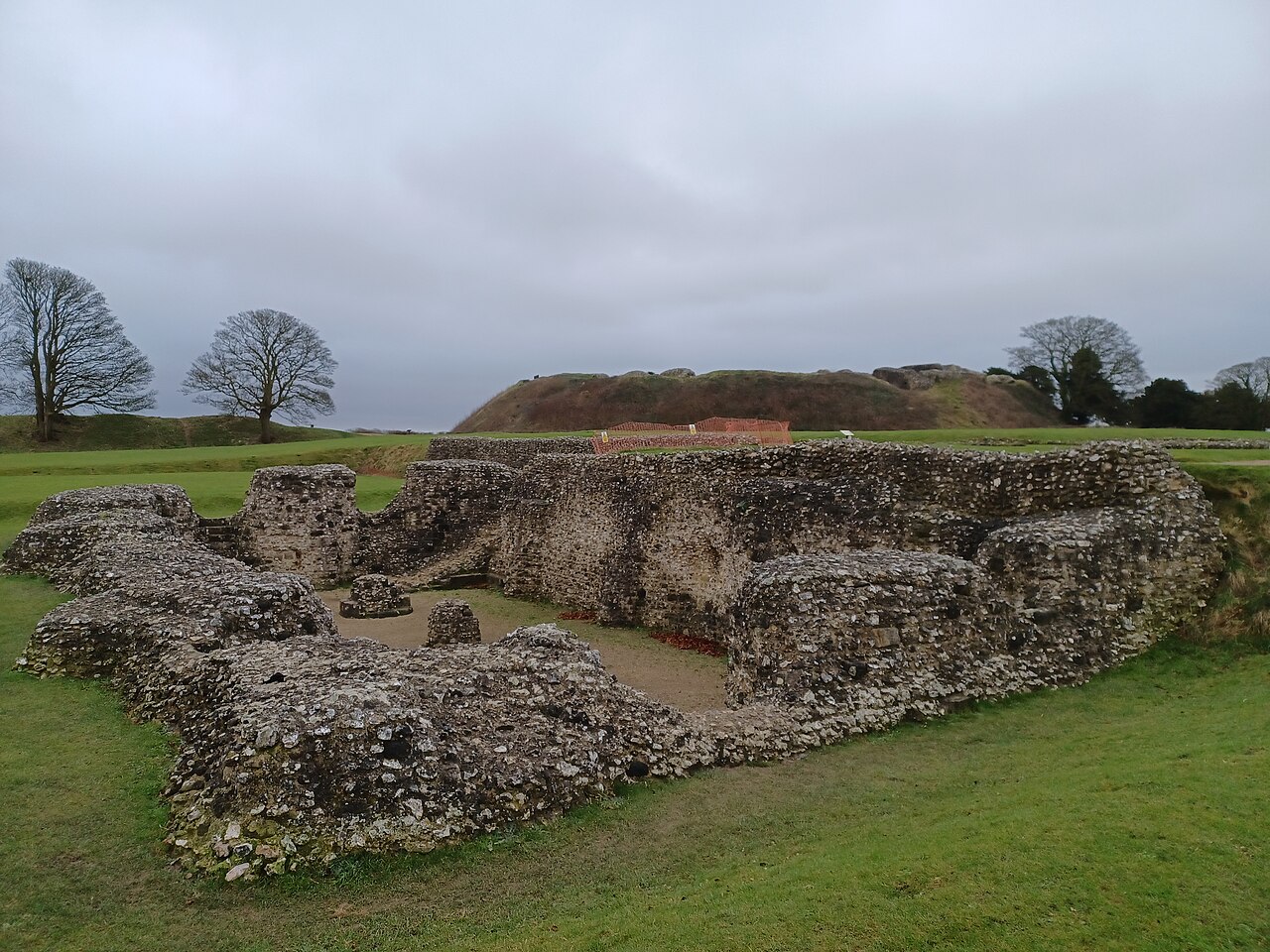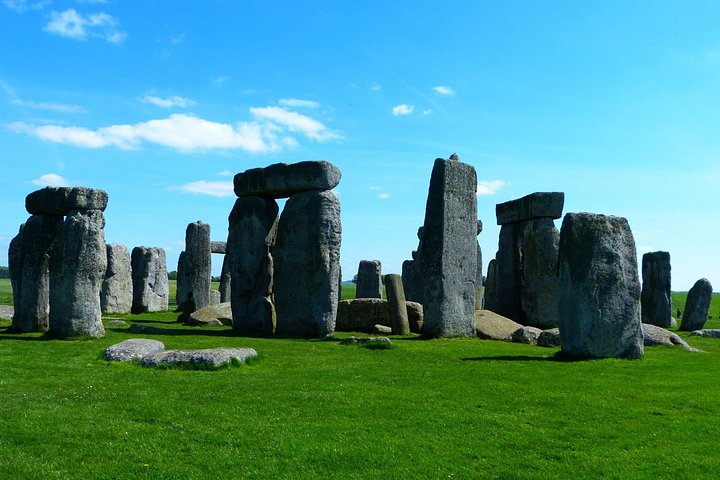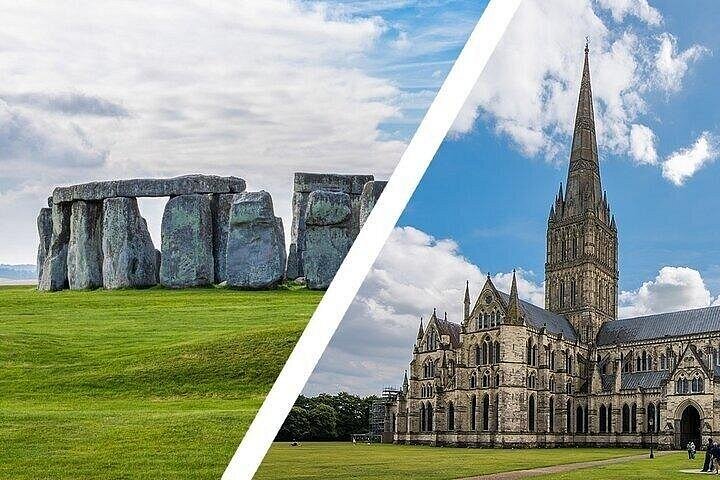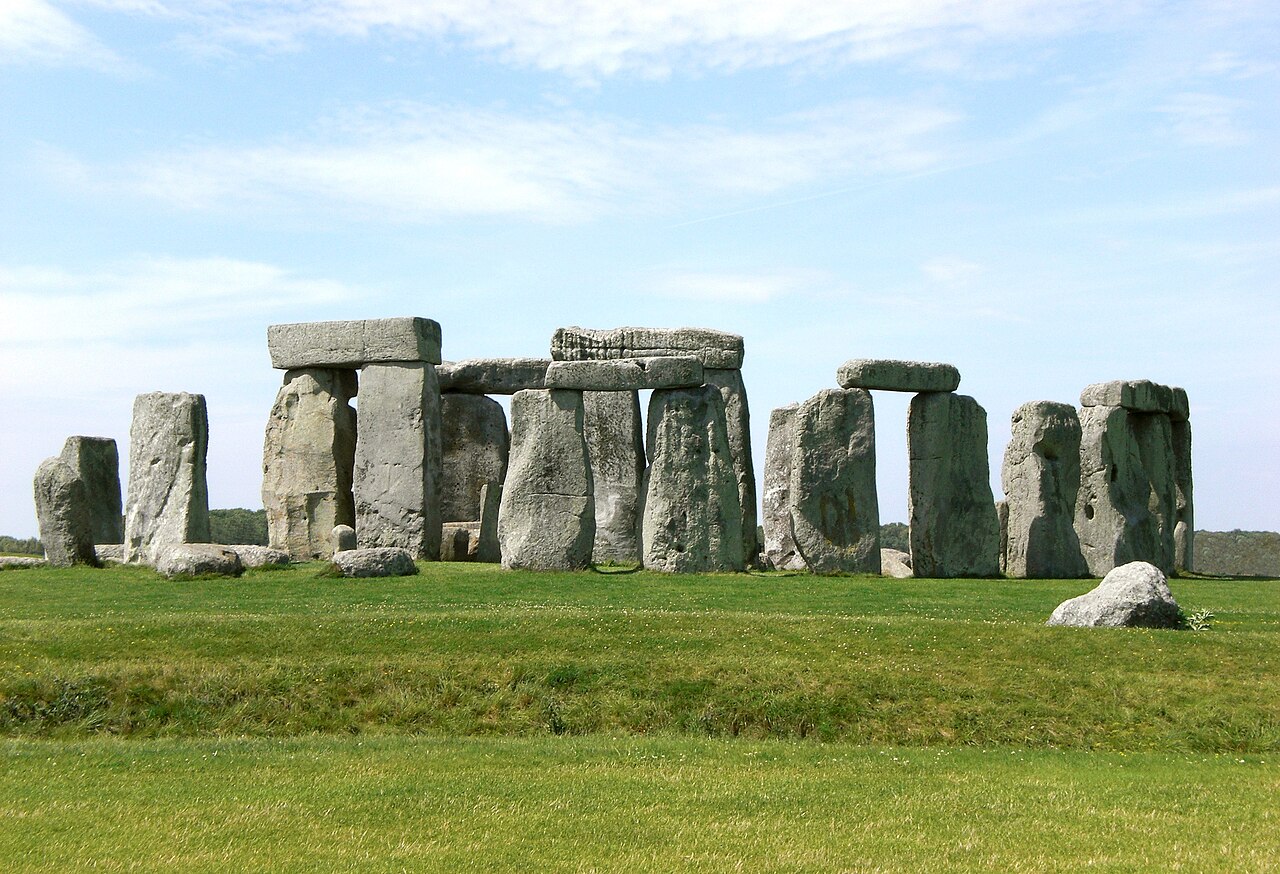
Stonehenge is only the best-known part of an enormous prehistoric landscape, and the best way to see it is on foot. The National Trust looks after a large area of chalk grassland around the monument, and its waymarked paths take you past some of the most important earthworks in Britain without a ticket or a timed slot. Along the way you pass the Cursus, a huge enclosure some three kilometres long that predates the stones, and many round barrows, the burial mounds of the Bronze Age that cluster on the ridges like a prehistoric cemetery. The Normanton Down barrows and the barrow groups on King Barrow Ridge stand against the skyline, and from several points you get a view of the stones from a distance, with the whole sweep of Salisbury Plain behind them. The landscape feels far larger and emptier than a visit to the circle can show, and it is home to wildlife, including skylarks and wild flowers in summer, because the land has been returned to grassland. The routes vary in length, from a short stroll to a longer circuit or a walk that links Durrington Walls with Stonehenge, and the Trust offers route leaflets and trail guides on its website.
What you will see
The main appeal is context. On a clear day you can stand on a ridge and see the stones as a small cluster on the horizon, surrounded by barrows in every direction, and understand how the monument sat at the centre of a landscape of burial and ceremony. The Cursus, built about a thousand years before the great sarsen circle, is a reminder that the area was sacred long before the stones went up, and the processional avenue, which ran from the stones toward the river, adds another layer.
Grassland and open sky make this a place for slow looking rather than ticking off sights.
Choosing a route
There is a choice of paths, from a gentle walk of an hour or so to a longer circuit that takes in several barrow groups, and the National Trust provides route notes you can download before you go. The ground is chalk, so it is firm in dry weather and slippery after rain, and there are few trees, so the wind can be sharp.
Pick a day with a clear horizon, wear proper walking shoes and carry water, because there are few facilities on the paths. Keep to the waymarked routes and, if you bring a dog, follow the guidance on lead use, since the land is grazed and used by ground-nesting birds.
Combining it with a ticketed visit
Because the walks are free, they are a natural companion to a timed Stonehenge ticket. Many visitors walk from the visitor centre area or from Woodhenge, then use the ticket for a close look at the stones, so that the two experiences complement each other. A morning walk followed by a timed afternoon visit works well, and it avoids the busiest hours.
The walks are also a good alternative for anyone who does not wish to pay for entry but still wants to see the stones in their setting, though the view is from a distance and the path does not enter the circle. If you only have a short time, choose the section nearest Stonehenge and focus on the barrows on the ridge.
What to expect
The experience
Self-guided waymarked walks across open chalk grassland, with route notes from the National Trust, passing barrows, the Cursus and long views toward the stones.
Best time
A clear morning or early evening, with a dry forecast; summer for wild flowers and skylarks, winter for crisp light.
How long
From about an hour for a short route to three hours for a longer circuit.
Tips
Download a route guide before you go, wear walking shoes, bring water and a windproof layer, and keep to the waymarked paths.
Quick picks
- Best for
- Walkers and anyone who wants to see Stonehenge in its wider landscape rather than only from the path.
- Families
- Older children can manage the shorter routes, but there is little shelter and no café on the paths.
- Couples
- A long walk at the end of the day, with the stones silhouetted in the distance.
- Pair with
- A timed Stonehenge ticket and Woodhenge, both close by.
- Time needed
- One to three hours.
Good questions
Are the Stonehenge landscape walks free?+
Yes, the National Trust land around Stonehenge is free to walk. You only pay for entry to the stones through the visitor centre.
Can I see Stonehenge without a ticket?+
You can see the stones from a distance from some of the public paths, but you cannot enter the monument area without a ticket. The view is best on a clear day.
What is the Cursus?+
It is a long prehistoric earthwork enclosure, roughly three kilometres in length, that was built before the great stones and runs across the landscape north of Stonehenge.
Is there somewhere to eat on the walk?+
Not on the paths, so bring water and snacks. The visitor centre has a café, and Amesbury and Salisbury have plenty of choice.
Can I bring a dog?+
Dogs are usually welcome on the open land if kept under control, but the land is grazed and used by ground-nesting birds, so check the National Trust guidance for the current rules.