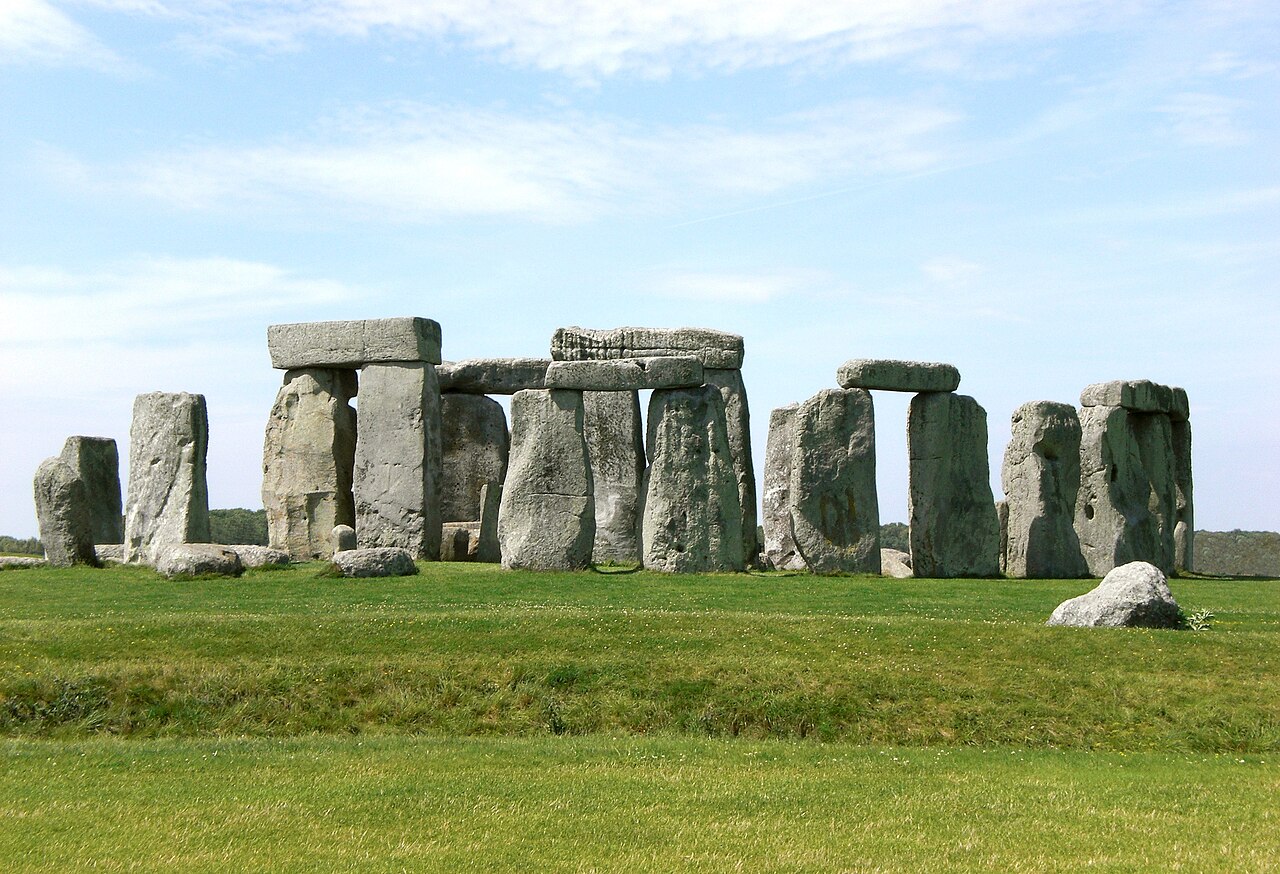
Stonehenge and Salisbury can be enjoyed in any month, but the experience changes dramatically with the seasons. The stones are busiest in summer and quietest in winter, the gardens peak in spring and autumn, and the light can be glorious or grey in any season. Here is what each part of the year offers, so that you can choose the time that suits you.
Spring: fresh, bright and good value
From March to May the plain turns green, lambs appear in the fields and the days lengthen quickly. Crowds at Stonehenge are lighter than in summer, though Easter and the spring school breaks bring families, and May half-term can be busy. This is a good time for the landscape walks, for the water meadows and for the gardens at Stourhead, where blossom and rhododendrons are at their best. The weather is changeable, so carry a waterproof and a warm layer. The Stone Circle Experience, the small-group hour inside the circle, begins to run again at this time of year, so spring is a good moment to plan it.
Summer: long days and the biggest crowds
From June to August the days are long, the ground is dry and everything is open, which makes summer the easiest season for walking, picnics and day trips. It is also the busiest, with timed tickets selling out at Stonehenge, car parks filling early and the cathedral crowded in the middle of the day. Book ahead, arrive early or late, and use the evening hours for the quietest visits. Midsummer is special, because Stonehenge is aligned with the sunrise at the summer solstice, and the monument is opened for a celebration around that date, which draws very large crowds and has its own rules and arrangements. If you want to see the stones in good light without that crowd, choose a weekday in early June or late August.
Autumn: colour and calm
September and October are often the best months overall. The summer crowds fall away, the light is soft and golden, and the gardens at Stourhead turn to copper and gold. Temperatures are mild, the evenings are atmospheric and hotel prices can ease after the school holidays. The Stone Circle Experience does not run through late autumn, so plan it for a different season, and note that daylight hours shorten quickly after the clocks change, so start early. A misty morning on the plain or the water meadows can be unforgettable.
Winter: quiet and atmospheric
From November to February, Stonehenge is quiet, the low sun throws long shadows and frost or mist can make the stones look magical. The trade-off is the cold, because the plain is exposed and there is no shelter at the monument, so dress warmly with a hat and gloves. Days are short, so see the outdoor sights in the middle of the day. Winter is the ideal time for the cathedral, for evensong, for Mompesson House and for the museum, and the pubs of Salisbury come into their own with log fires. December brings Christmas events and a market atmosphere to the city. Some sights keep shorter opening hours and a few close over the festive period, so check before you travel.
Weather and daylight
Whatever the season, the plain is open and exposed, and the weather can shift from sun to rain within an hour, so layers matter more than the date. Summer days can run past nine in the evening, which gives you time for a late visit to the stones or a long walk across the meadows, while in midwinter the light fades shortly after four and the best plan is to do outdoor sights at midday and spend the late afternoon indoors. Wind is the most common problem at the monument and on the ramparts of Old Sarum, so a windproof outer layer is worth more than a heavy coat. Ground can be wet and muddy on field paths in any month, so waterproof shoes help.
Choosing your month
If you want the best balance of weather, crowds and daylight, go in late May, early June or September. If you want the fewest people, go in winter on a weekday. If you want gardens, choose April, May or October. If you want to stand inside the circle with a guide, plan for spring, summer or early autumn. Whenever you go, pre-book Stonehenge, avoid weekends and school holidays if you can, and leave space in the day for the weather to change. Salisbury is a year-round city, and its hotels, pubs and cathedral services make it welcoming in every season.