Three days is the ideal length for this part of Wiltshire. It is long enough to see the headline sights without rushing, short enough to keep the trip light, and it lets you match each day to a different mood: a city day, a stones day and a countryside day. Salisbury is the natural base, because it is compact, comfortable and well placed for everything else. This plan assumes you have a car or are willing to use taxis and tours for the more distant sights, and it leaves room for a long lunch each day.
Day one: the cathedral city
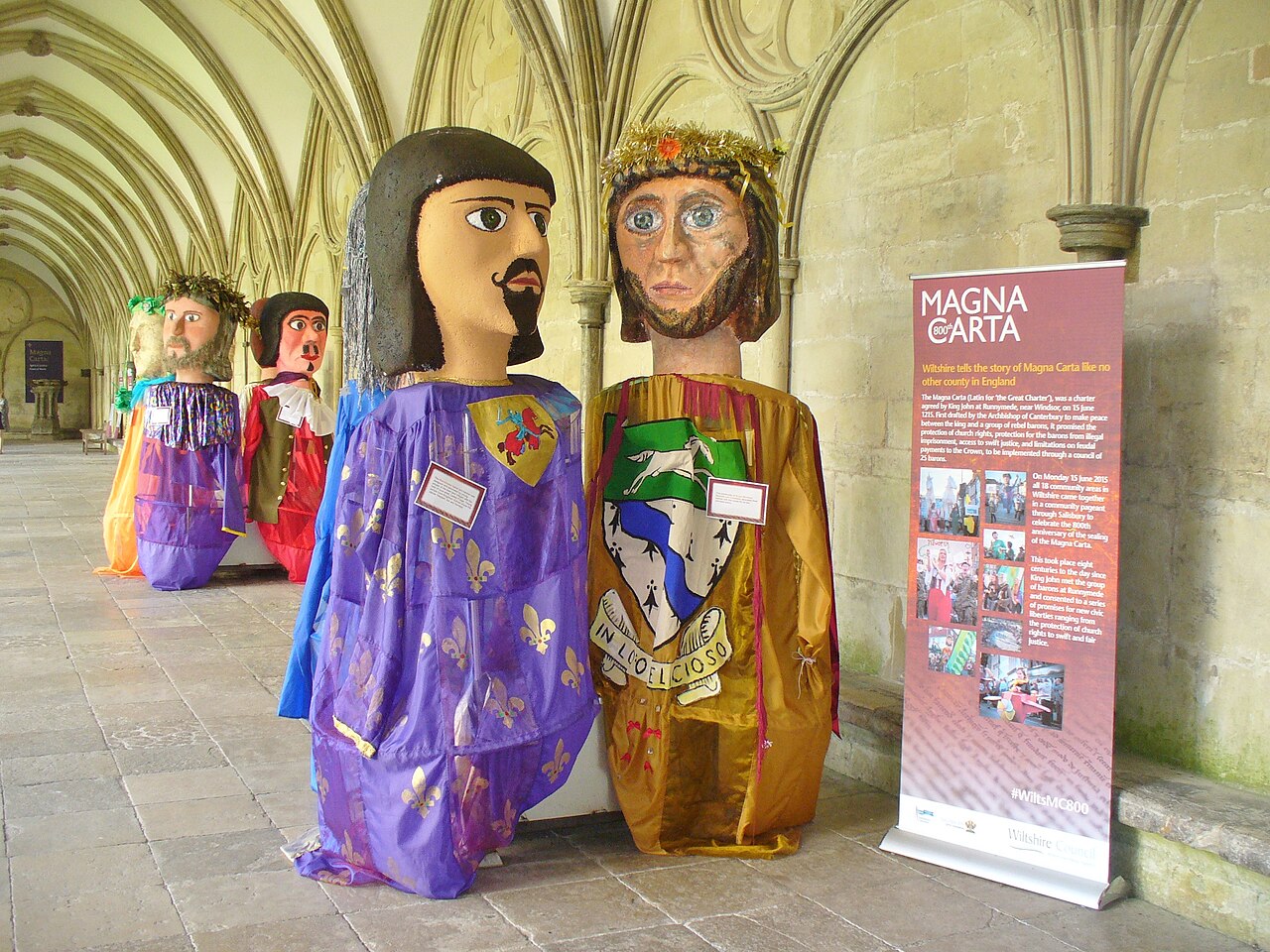
Start with Salisbury Cathedral soon after it opens, when the nave is quiet and the light through the windows is at its best. Spend time in the Chapter House, where one of only four surviving 1215 copies of the Magna Carta is displayed, and walk the cloisters, then book a Tower Tour if you have the energy for the climb to the foot of the spire. After lunch, cross the Close to Mompesson House for its Queen Anne rooms and walled garden, then to The Salisbury Museum for the archaeology of Stonehenge country. In the late afternoon, walk the Town Path across the water meadows for the classic view of the spire that Constable painted, and finish with dinner in the old city. If your timing is right, evensong in the cathedral is a lovely way to end the day.
Day two: Stonehenge and the landscape
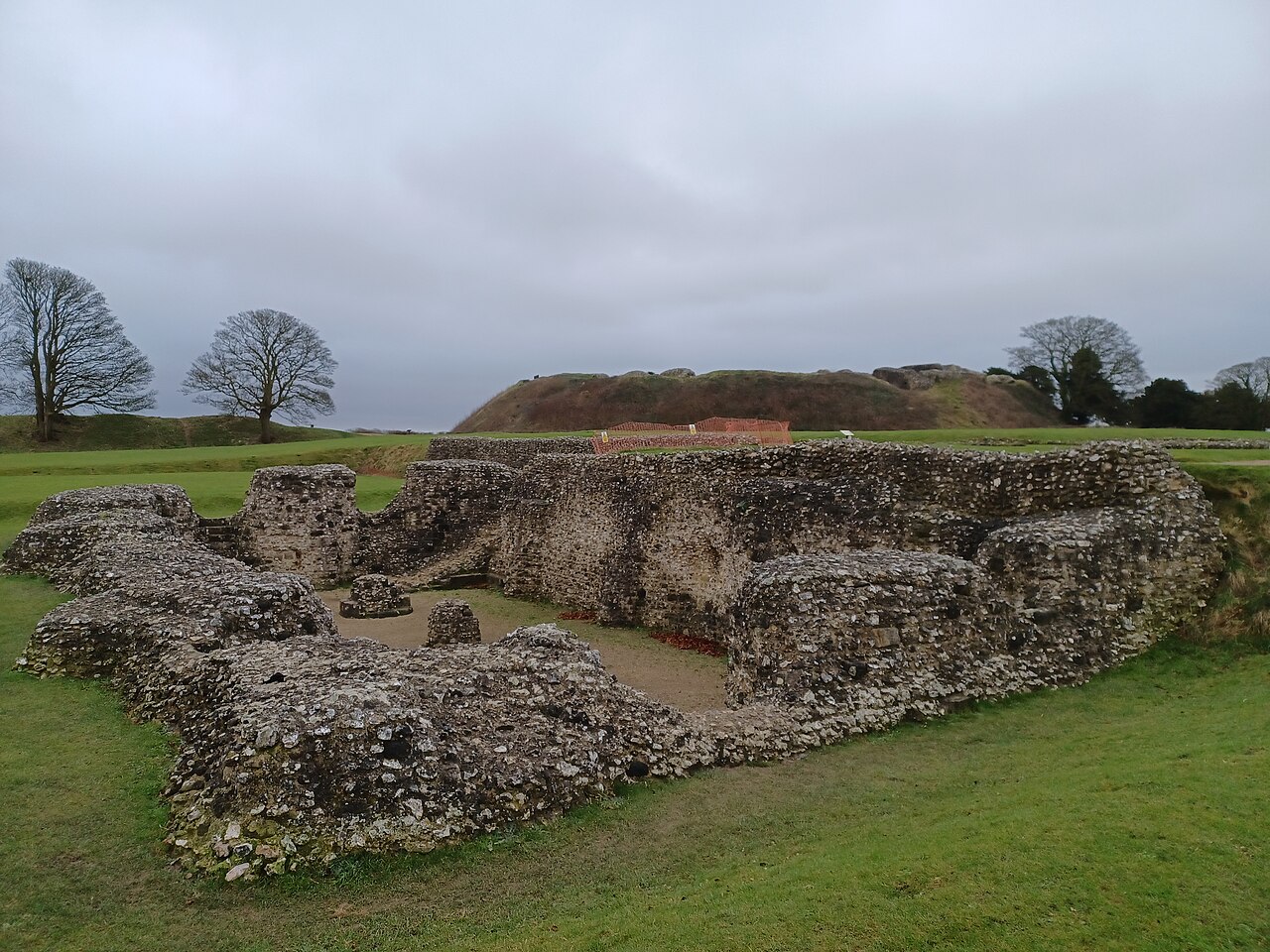
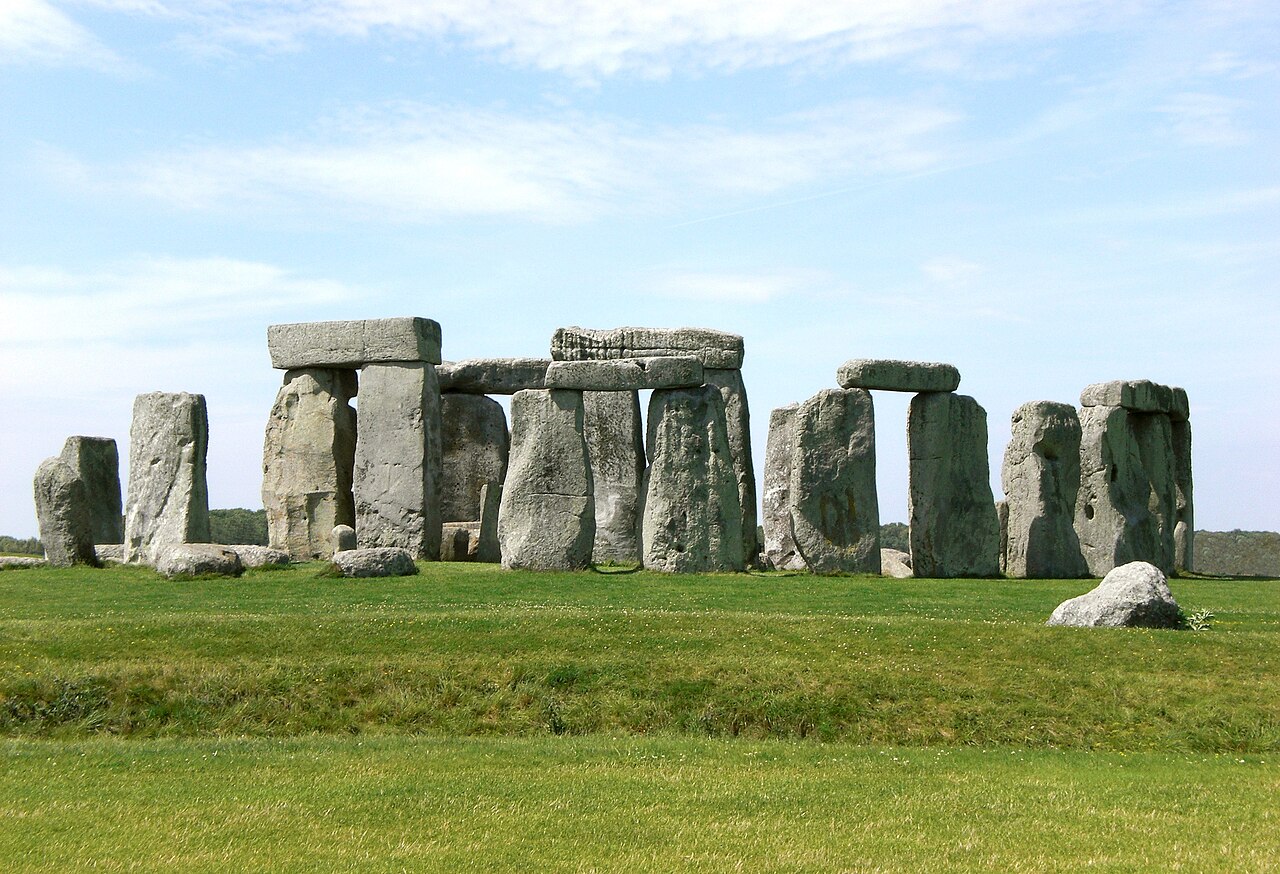
Book a timed Stonehenge ticket for the early part of the day, and if you are driving, reserve a parking space as well. Spend a couple of hours at the visitor centre and around the stones, then take a short drive to Woodhenge and Durrington Walls, the timber twin of the monument and the probable settlement of its builders, which are free and almost always quiet. If your energy and the weather allow, walk part of the National Trust landscape routes to see the barrows and the Cursus, and look back at the stones from a distance. On the way back, stop at Old Sarum, the Iron Age hillfort, Norman castle and site of the first cathedral, where the wind-swept ramparts give a view toward the spire that replaced it. Seeing Old Sarum after the cathedral is the best way to make the story of the city's move clear.
Day three: Avebury and the countryside
Drive north to Avebury, about an hour from Salisbury, where the largest stone circle in Britain surrounds part of a village and you can walk freely among the stones, free of charge. Visit the museum and the manor if you have time, and have lunch in the village. In the afternoon, walk or drive to Silbury Hill, the great man-made mound, and climb the ridge to West Kennet Long Barrow, where you can enter the stone chambers of a Neolithic tomb. You will return to Salisbury in the evening with a good sense of how the whole landscape fits together. If you prefer a gentler final day, swap Avebury for a quiet day in Salisbury, with a longer walk along the river and a leisurely afternoon in the shops and pubs.
Alternatives and swaps
If you are travelling without a car, replace day three with a guided tour that includes Avebury, or use a private tour with a local guide, because Avebury is hard to reach by public transport. If you have children, add Longleat as a day out in place of the second half of day two, or visit Old Wardour Castle for stairs and open grounds. If the weather is poor, move the cathedral, Mompesson House and the museum to the wet day and keep the stones for a dry morning.
Food and rhythm
Build each day around a proper lunch. On day one, the pubs and cafes around the market square and the Close are easy to reach on foot. On day two, Amesbury and the villages along the Avon have inns that suit hungry walkers, and on day three Avebury has a pub and tea rooms in the village. Salisbury's Charter Market, held on Tuesdays and Saturdays, is a good place to pick up picnic supplies for a hillfort or a ridge. Aim to be at the major sights early in the day, leave the afternoons for the slower ones, and keep the evenings open, because the cathedral's evensong and the old streets are at their best as the light fades.
Practical tips
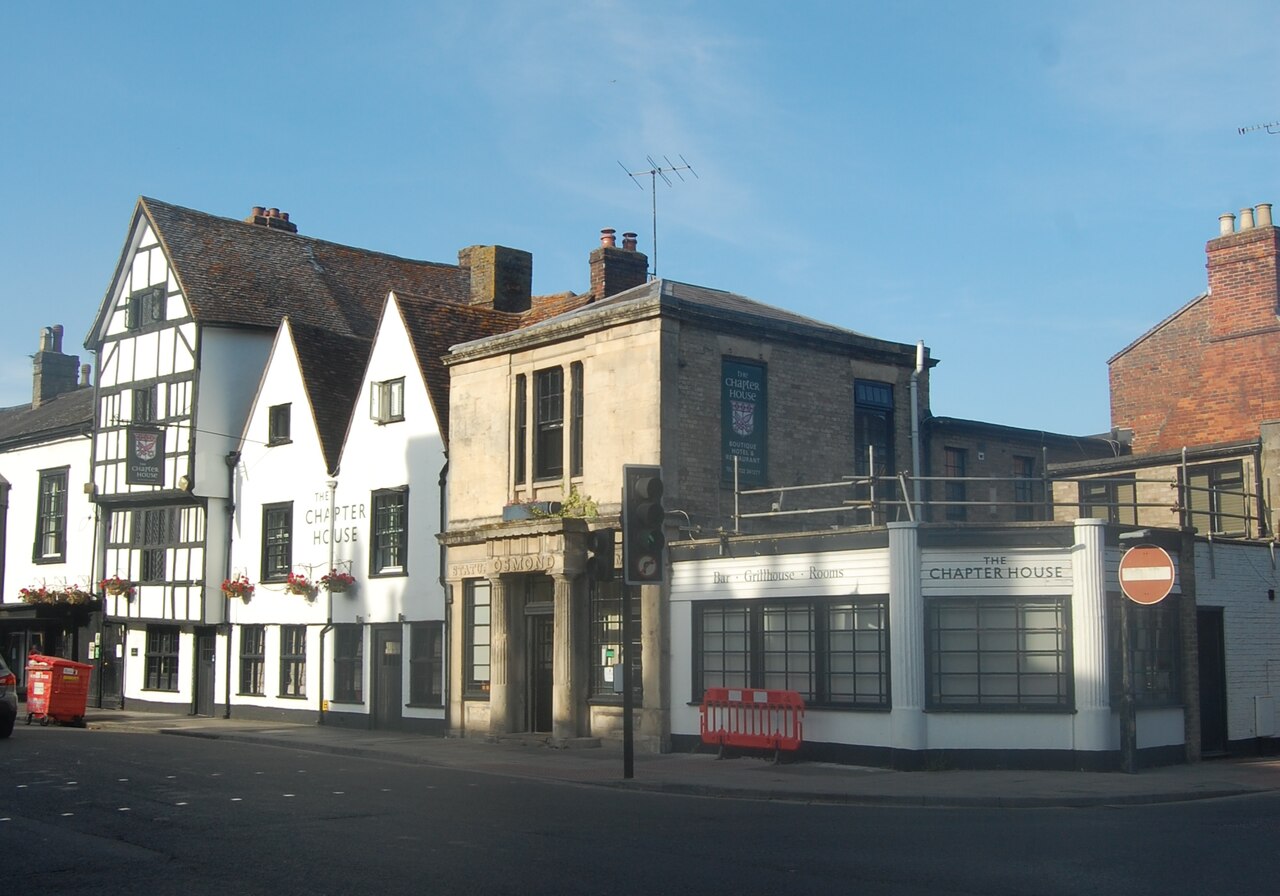
Book Stonehenge and any Tower Tour before you travel, especially for weekends and school holidays. Pack a windproof layer, because the plain is exposed in every season, and wear sturdy shoes for the fields and ramparts. Hotels in the cathedral quarter put you within walking distance of day one, while a hotel near Stonehenge makes day two easier for drivers. Whatever your choice, keep one evening free for a long pub dinner. This corner of England rewards slow travel, and three days lets you give each sight its time.