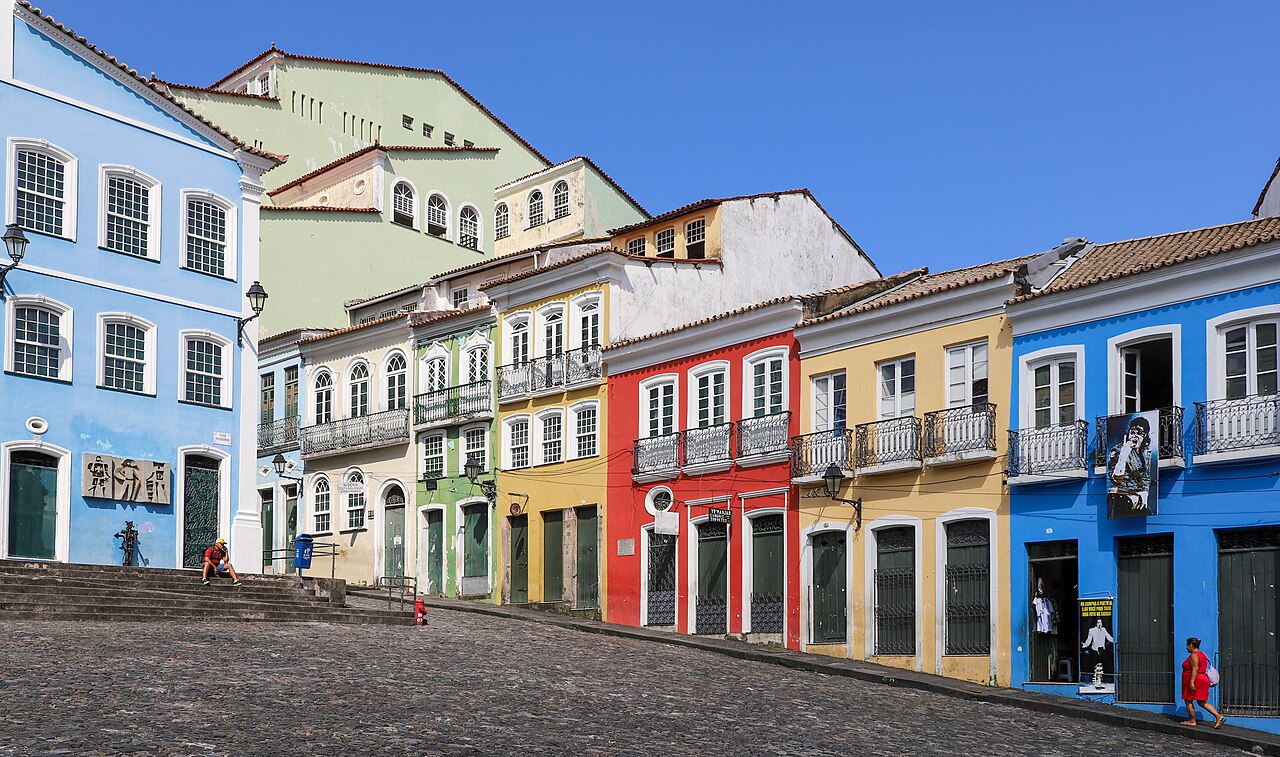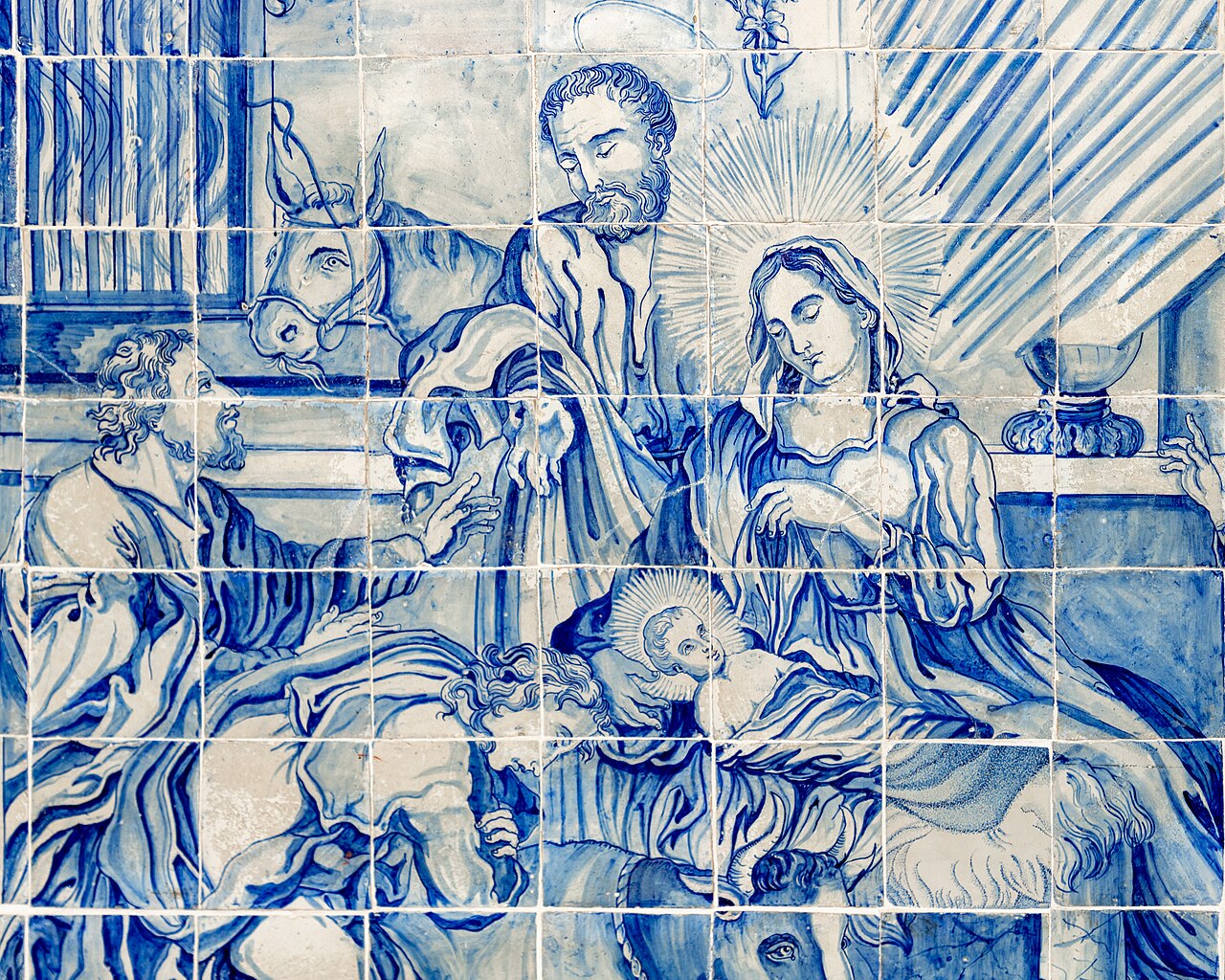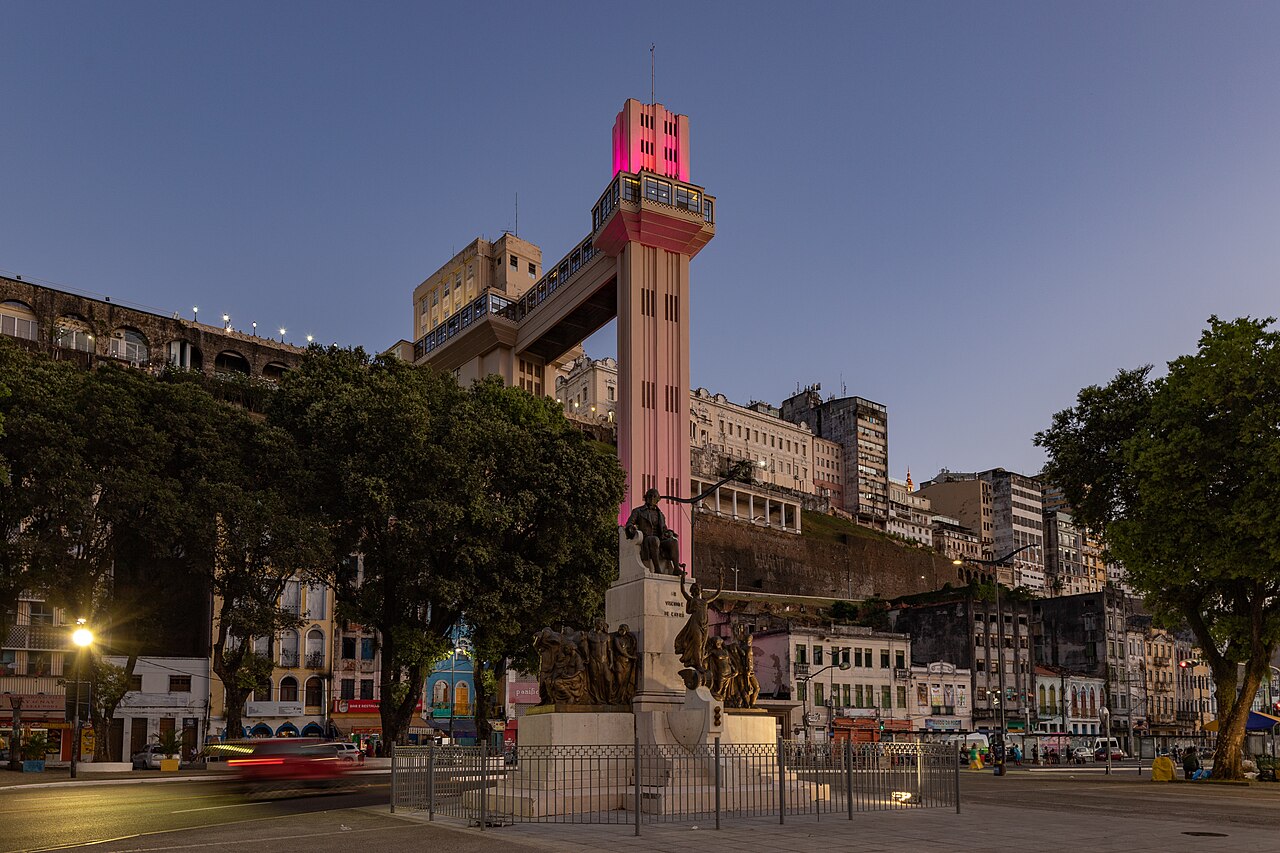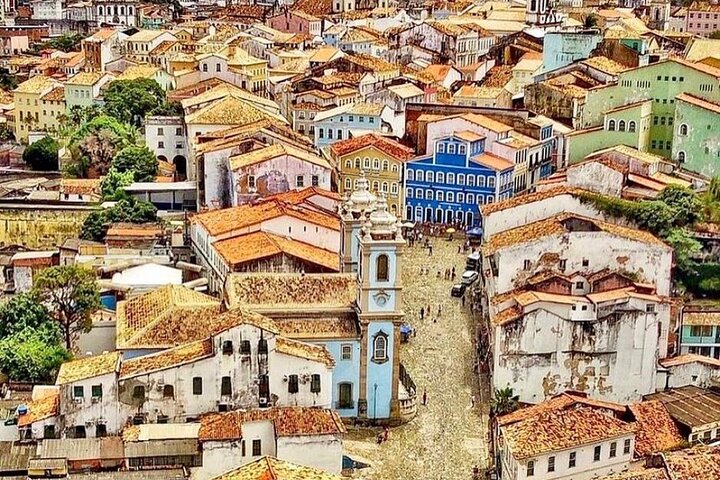
Salvador is often described as the most African city outside Africa, and the claim makes sense once you walk its streets. For centuries this was the main port of entry for enslaved Africans arriving in Brazil, and the culture they and their descendants built, in food, music, religion and language, shaped everything that is now thought of as Bahian. A guided tour with an Afro-Brazilian focus ties together what you would otherwise see as separate sights: the historic centre, the markets of the lower city, the churches built and paid for by Black brotherhoods and the places where capoeira, candomblé and samba took root. A private full-day format gives you the space to go deeper than a standard city tour. A guide who knows the city can explain how the upper and lower cities were connected by trade and by forced labour, why the Largo do Pelourinho carries the name of the pillory, how the church of Nossa Senhora do Rosário dos Pretos was created by and for Black worshippers and how Bahian cooking is a living record of African ingredients and techniques. You also get the chance to ask the questions that a printed sign never answers, about history, daily life, religion and race in modern Brazil, and to adapt the route to your own interests.
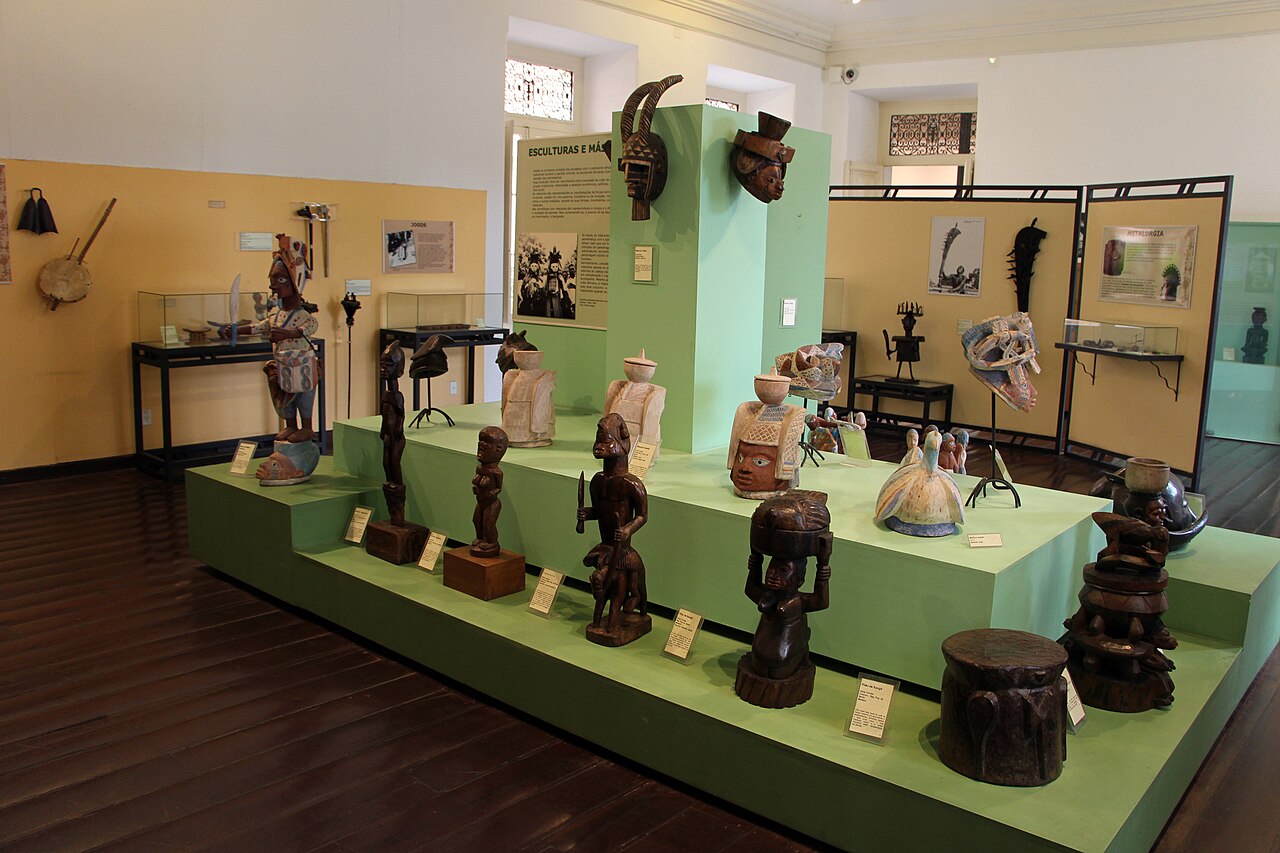
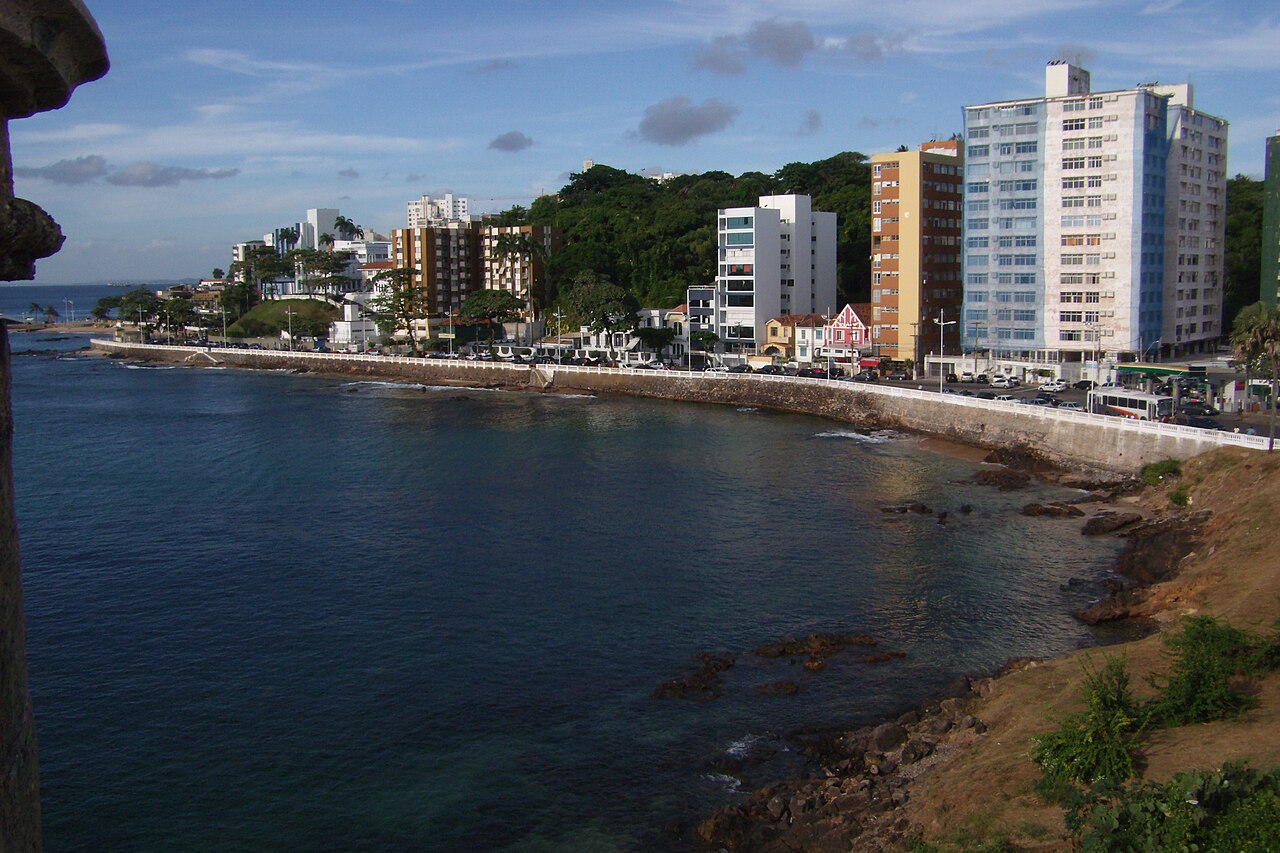
Most itineraries of this kind move between the upper and lower city and are built around a mix of walking and short drives. Typical stops include the historic centre, the Terreiro de Jesus and the Afro-Brazilian Museum, the lower-city waterfront and markets and a hilltop viewpoint, and many guides add a lunch of Bahian food. Because the tour is private, the order and pace are usually flexible, so tell your guide in advance what matters most, whether that is architecture, music, food, religion or the history of resistance and freedom.
Confirm the itinerary, the start time and whether entry fees, lunch and transport are included when you reserve. Approach the religious side of the city with respect. Candomblé is a living religion, not a performance, and the houses of worship are private places. A good guide will explain what is appropriate, whether visits are possible at all and how to behave, and will not push you into a ceremony. Do not photograph people or ritual objects without permission, dress modestly where asked and follow the guide's lead.
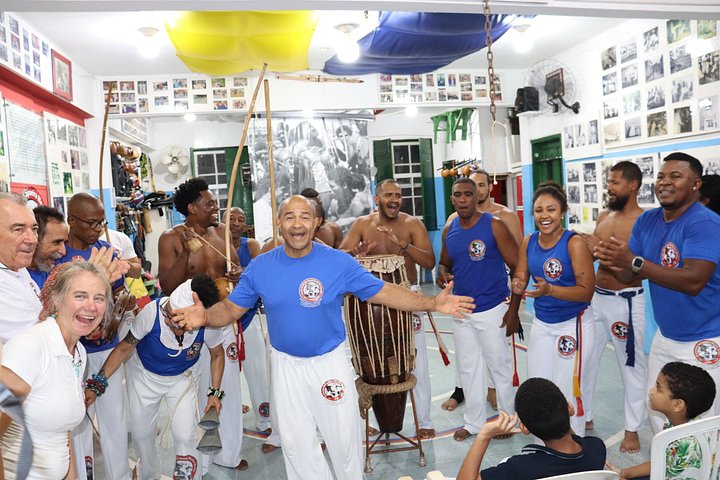
The same applies to the many street vendors in white dress selling acarajé, who are an important part of the story and deserve a polite conversation as much as a purchase. This tour works best early in a trip, because it gives context to everything else you will see, from the drum circles in the squares to the dishes on a menu.
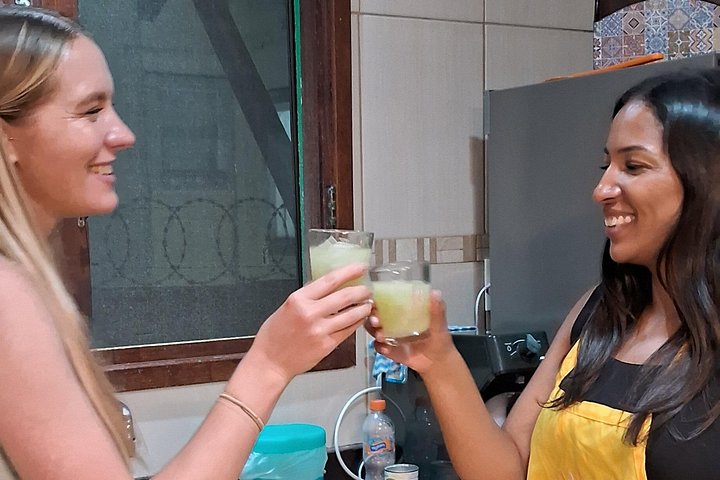
Wear comfortable shoes, carry water and a hat, and bring a small bag, as the day involves hills and heat. It pairs naturally with a visit to the MAFRO museum, a Bahian cooking class and an evening of capoeira and samba.
If you have a full day and want one experience that explains the city, this is a strong choice. Ask your guide to leave time for conversation as well as sightseeing, because the best moments on a tour like this are often the unplanned ones: a story behind a doorway, a vendor explaining a recipe or a musician tuning a drum. Come with questions and an open mind, and you will leave with a far fuller picture of Salvador than a list of monuments can give.
What to expect
The experience
A private, guide-led full-day tour by foot and vehicle, covering the historic centre and the lower city with a focus on Afro-Brazilian history and culture.
Best time
Early in your trip, so the history and vocabulary make sense of everything else you see, and on a day with no rain forecast.
How long
A full day, usually with a break for lunch, so confirm the start time and what is included.
Tips
Tell your guide what you most want to see, wear comfortable shoes, carry water and a hat, and ask permission before photographing people or religious objects.
Quick picks
- Best for
- Travellers who want depth and context, especially anyone interested in history, religion, music and food.
- Families
- Best for older children and teenagers who can handle a long day and enjoy stories; younger children may tire on the hills.
- Couples
- A thoughtful shared day that ends with a real understanding of the city and its food.
- Pair with
- The MAFRO museum, a Bahian cooking class and a capoeira and samba night.
- Time needed
- A full day, including a lunch stop.
Good questions
What does the tour cover?+
Itineraries of this type usually cover the historic centre, the lower city and a viewpoint, with a focus on Afro-Brazilian history, markets, churches and music. Ask the operator for the current route when you reserve.
Is the tour private?+
It is sold as a private tour, so the pace and order can usually be adapted. Tell your guide your interests in advance.
Will I visit a candomblé house?+
Not necessarily. Candomblé is a living religion and its houses are private, so any visit depends on the guide, the community and the occasion. A good guide will explain what is appropriate.
Is lunch included?+
Check the details when you reserve, as inclusions differ. If lunch is not included, your guide can usually suggest a place serving Bahian food.
How much walking is involved?+
A fair amount, mostly on slopes and cobbles in the historic centre, combined with short drives. Wear grippy shoes and carry water.