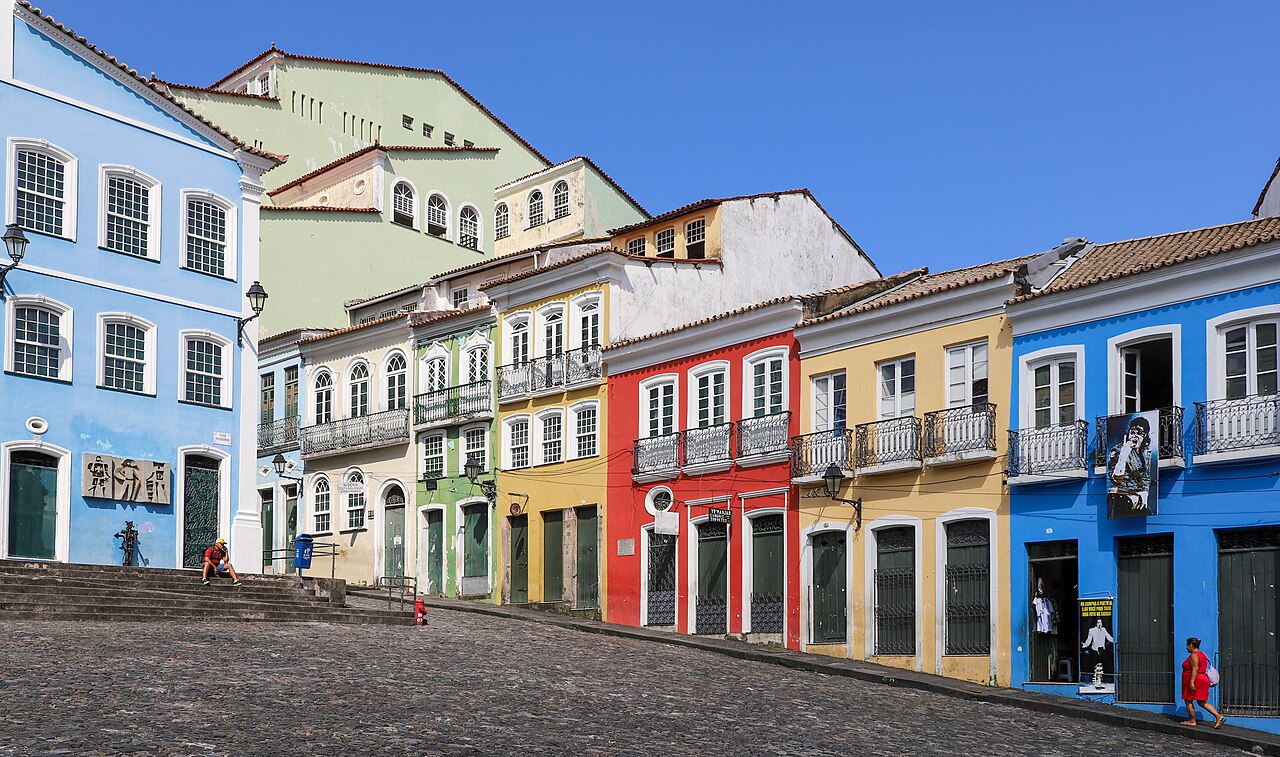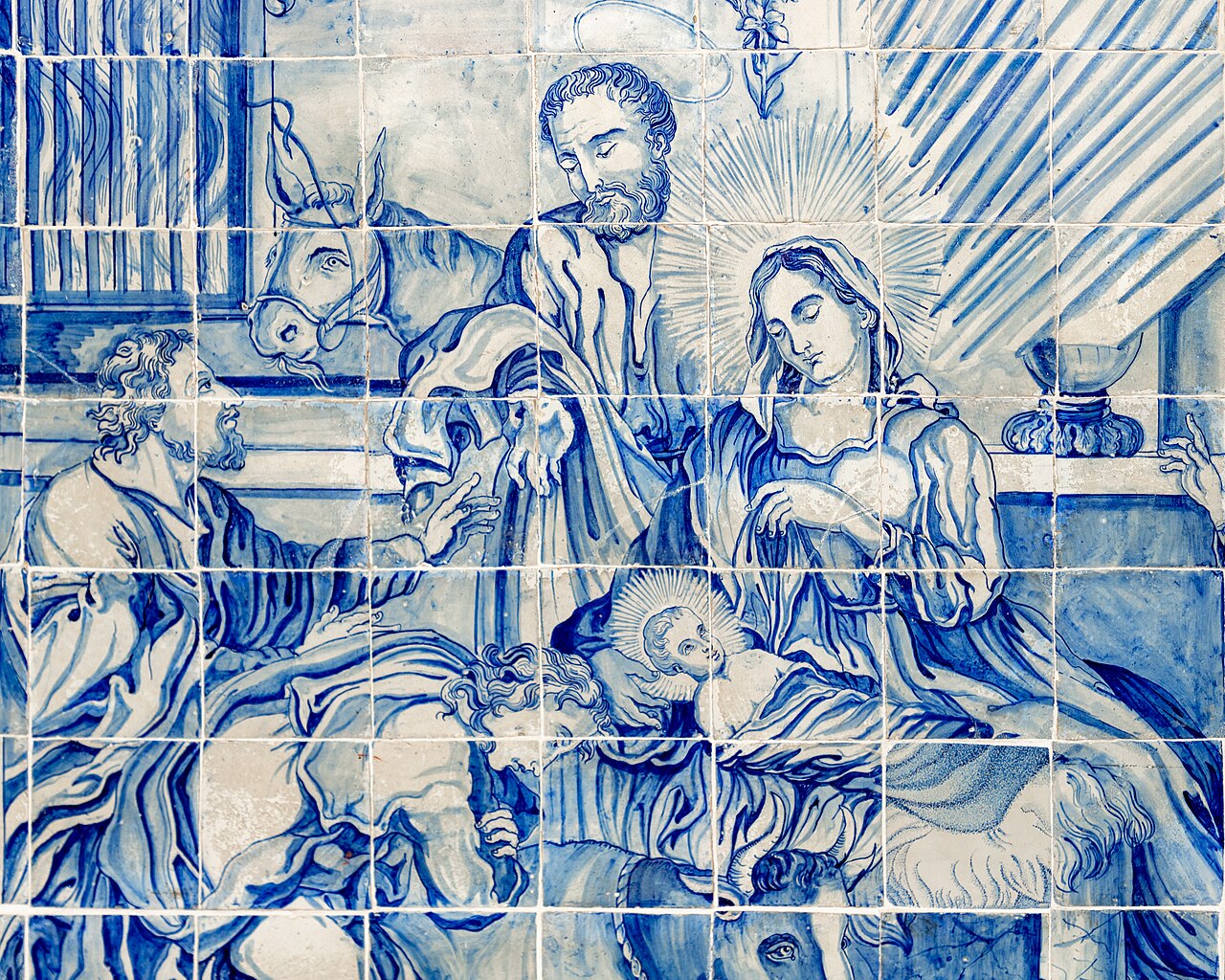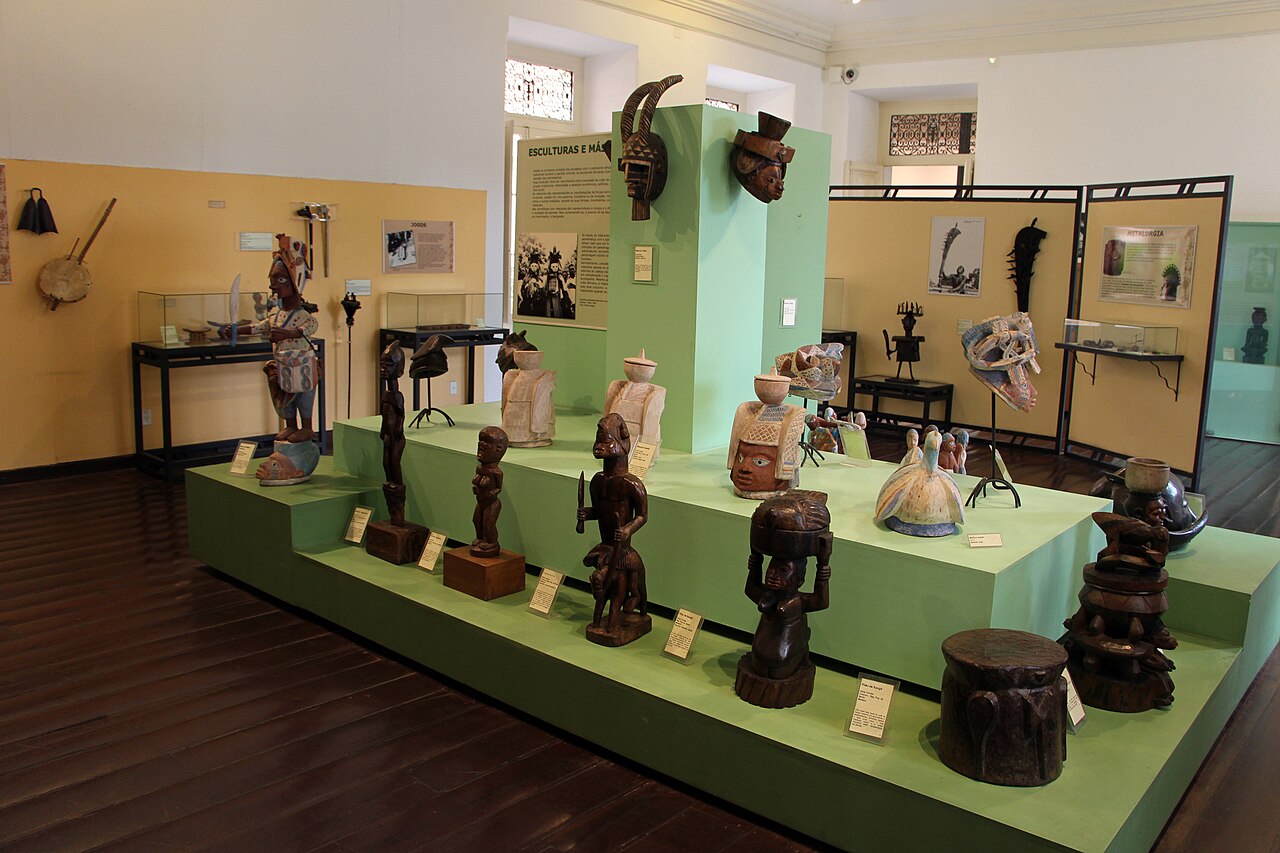
The Museu Afro-Brasileiro, known as MAFRO, belongs to the Federal University of Bahia and sits on the Terreiro de Jesus, the main square of the historic centre. It is the place to go if you want context for what you are seeing in the streets. The collection explores the African roots of Bahian life through art, objects and displays about religion, work and everyday culture, and it is especially known for the carved wooden panels of the orixás created by the artist Carybé, which fill a gallery with colour and movement. The building is a handsome nineteenth century structure that also houses other university museums, so the whole square makes a rewarding cultural stop.
Salvador has the largest Black population of any city outside Africa, a figure often quoted locally, and the museum helps you see why. Take your time in the galleries and read the labels, which explain how African traditions of belief, craft and cooking were carried across the Atlantic and transformed in Bahia. If you have already walked through Pelourinho, the objects will feel familiar: the colours, the instruments and the beads that you saw on the street have meanings that the museum explains.
Plan the visit around the opening days. According to the tourism portal, MAFRO opens on weekdays during standard daytime hours and does not mention weekend opening, and university museums can change their schedules for holidays, exhibitions and maintenance. Confirm the hours and the admission price before you go. The museum is small enough to see in about an hour, and a slower visit with a guide or an audio device, if offered, can stretch to two. Photography rules vary by gallery, so look for signs.
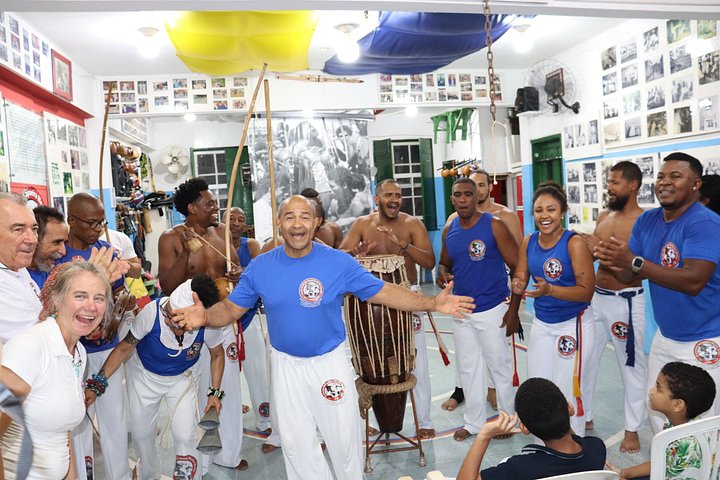
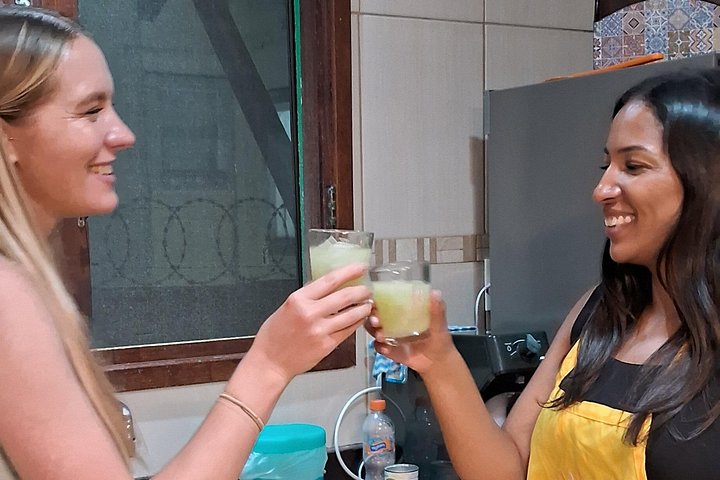
Because it faces the Terreiro de Jesus, MAFRO combines easily with the cathedral, nearby churches that are open and a lunch in the old town. It is a good choice for a hot or wet afternoon, and it suits curious travellers of all ages. If you want to go deeper into Afro-Brazilian culture, follow it with a capoeira and samba night or a Bahian cooking class, both of which show the living side of the traditions that the museum documents.
What to expect
The experience
A small museum of African and Afro-Brazilian art, objects and displays, including the Carybé orixá panels, in a historic building on the Terreiro de Jesus.
Best time
A weekday morning or a hot or rainy afternoon, after you have walked Pelourinho and want the stories behind it.
How long
About an hour for the main galleries, up to two for a slow visit.
Tips
Check opening days and admission before you go, read the labels, ask about photography and combine it with the cathedral next door.
Quick picks
- Best for
- Culture lovers, curious first-timers and anyone who wants context for Afro-Brazilian life in Bahia.
- Families
- Older children can enjoy the colourful panels and objects, while very young ones may tire quickly.
- Couples
- A quiet weekday visit followed by a long lunch in the old town suits a slow day.
- Pair with
- Pelourinho on foot, a capoeira and samba night and a Bahian cooking class.
- Time needed
- One to two hours.
Good questions
What is MAFRO?+
It is the Afro-Brazilian Museum of the Federal University of Bahia, on the Terreiro de Jesus. It focuses on African and Afro-Brazilian art, objects and culture.
What is the Carybé collection?+
Carybé was an artist closely tied to Bahia who made carved wooden panels depicting the orixás. They are among the museum's best-known displays.
What are the opening hours?+
The tourism portal gives weekday daytime hours and does not mention weekends. Check current hours and admission locally before you go.
Is it suitable for children?+
Yes, especially older children, though the exhibits are more cultural than interactive. A short visit keeps younger children engaged.
How long do I need?+
About an hour covers the main galleries. Allow two if you like to read every label.