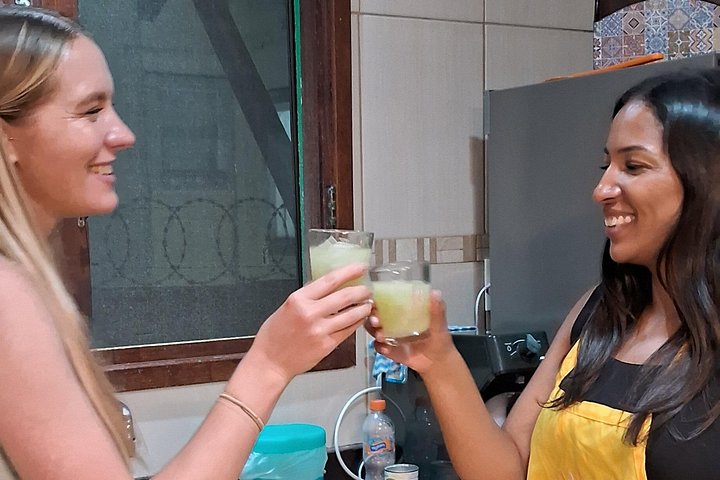
Bahian food is among the most distinctive in Brazil, and a cooking class is the quickest way to understand it. The cuisine grew out of African traditions blended with Portuguese and Indigenous ingredients, and its signature flavours come from dendê palm oil, coconut milk, fresh seafood, peppers and herbs. Classic dishes include moqueca, a fragrant seafood stew, acarajé, the bean fritters sold on street corners, and vatapá, a rich paste of bread, shrimp and coconut. This hands-on class in Salvador is built around cooking together and drinking caipirinhas as you go, and it has an exceptional review record from close to two hundred reviewers. It suits first-timers, couples and groups of friends who like to learn by doing.
Expect to be put to work. Classes of this kind usually begin with an introduction to the ingredients, then move to chopping, stirring and tasting at your own station, and end with everyone sitting down to eat what they have made. Ask the host about the menu when you book, because the dishes can vary from one session to the next, and mention allergies or dietary needs in advance. Vegetarian and seafood-free options are often possible if the host knows beforehand.
Check the details on the product page before you reserve: the start time, the duration, the meeting point and what is included, since these can change. Wear comfortable clothes you do not mind getting splashed, and arrive hungry. Dendê oil is rich, and a class that finishes with a full meal is best taken at a time when you are happy to eat well. Tipping is not expected but is appreciated for a good host.
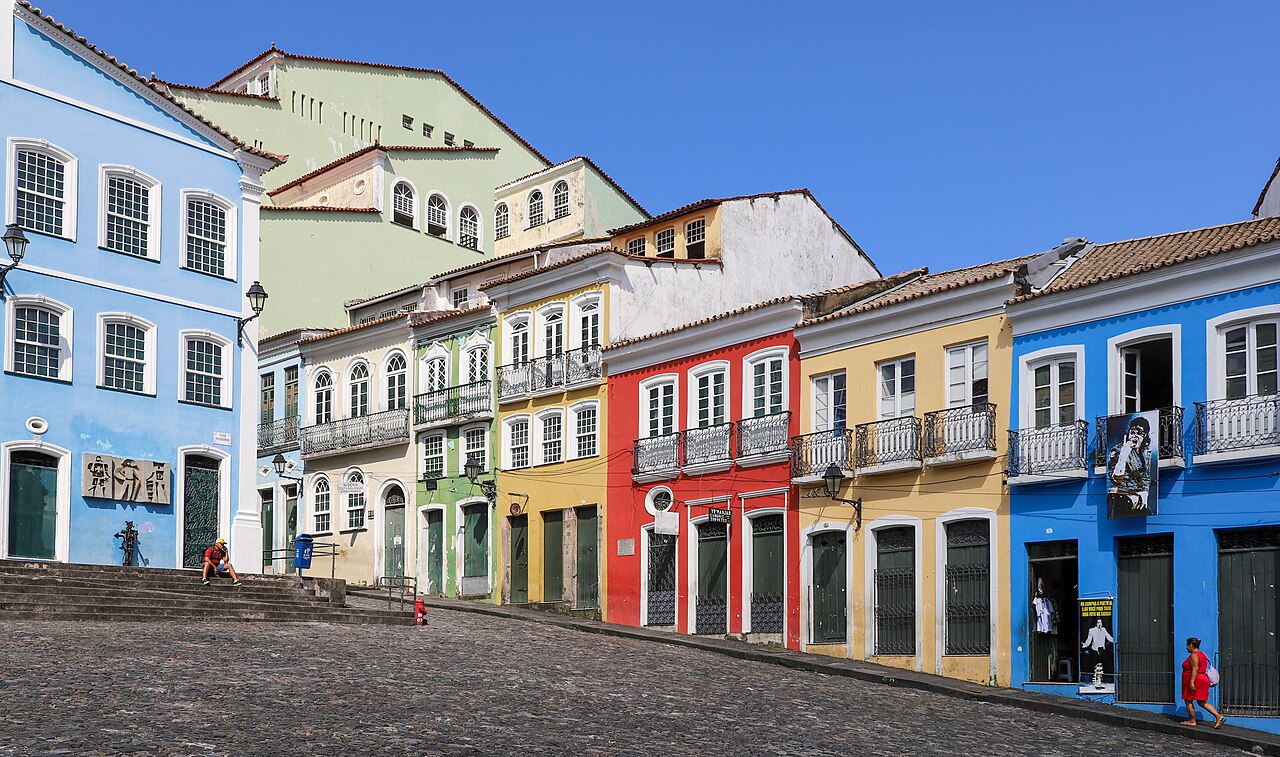
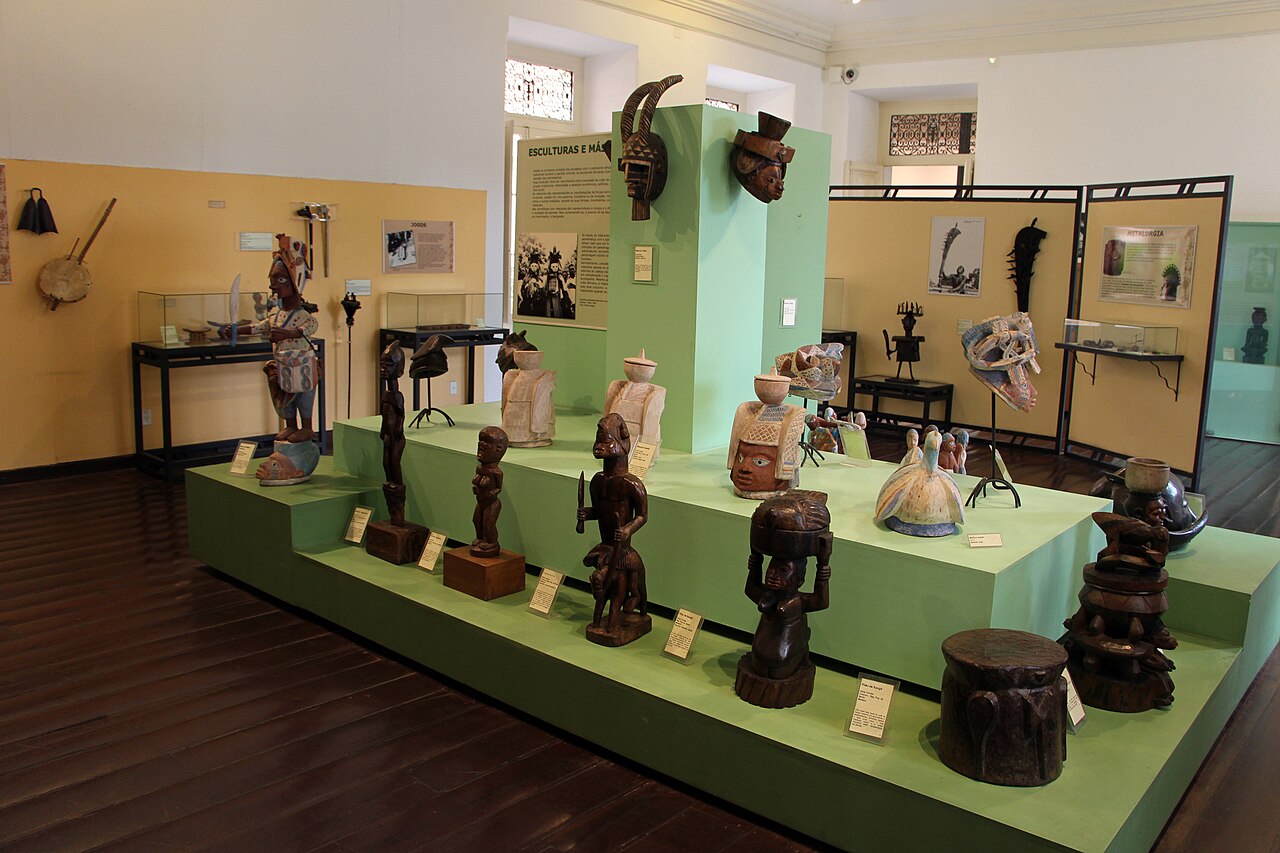
A cooking class works well early in a trip, because it gives you a vocabulary for the menus you will meet afterwards, and it is also a good rainy-day plan. It pairs naturally with a morning in the historic centre or a visit to the MAFRO museum, which explains where many of the ingredients and traditions come from.
Take home the recipes if they are offered, and look for dendê oil and cassava flour in the markets if you want to try them yourself. The class is best booked a few days ahead in high season.
What to expect
The experience
A hands-on group class where you prepare Bahian dishes together, drink caipirinhas along the way and sit down to eat the results.
Best time
Early in your trip, so the flavours make more sense when you eat out, and any time as a wet-weather plan.
How long
A few hours, so check the start time and length when you reserve.
Tips
Mention allergies in advance, wear clothes that can take a splash, arrive hungry and confirm the meeting point.
Quick picks
- Best for
- Food lovers, couples and groups of friends who like learning by doing.
- Families
- Older children can enjoy the cooking, but check the age policy and the alcohol arrangements before booking.
- Couples
- A fun, social evening or afternoon that ends with a shared meal.
- Pair with
- A morning in Pelourinho or a visit to the MAFRO museum.
- Time needed
- Several hours, including the meal.
Good questions
What will I cook?+
Menus vary, but Bahian classes often feature dishes such as moqueca, acarajé or vatapá. Ask the host for the current menu when you reserve.
Can the class accommodate dietary needs?+
Often yes if you tell the host in advance. Mention allergies, vegetarian preferences and seafood restrictions when you book.
Are drinks included?+
The class is built around caipirinhas, but check what is included and whether non-alcoholic options are available.
Is it good for beginners?+
Yes. The format is hands-on and guided, and no cooking experience is needed.
When should I book?+
Book a few days ahead in high season so you can choose your date. Check the cancellation terms before you pay.