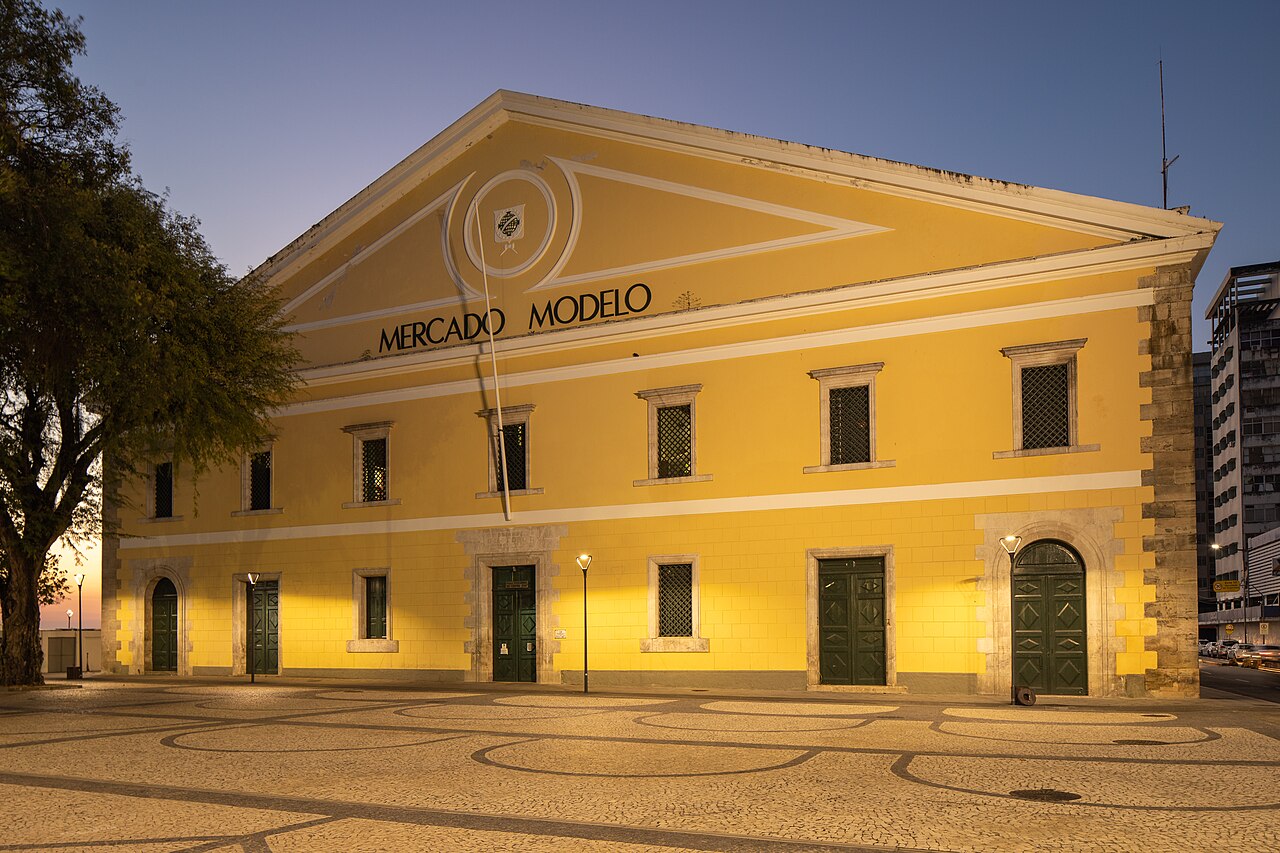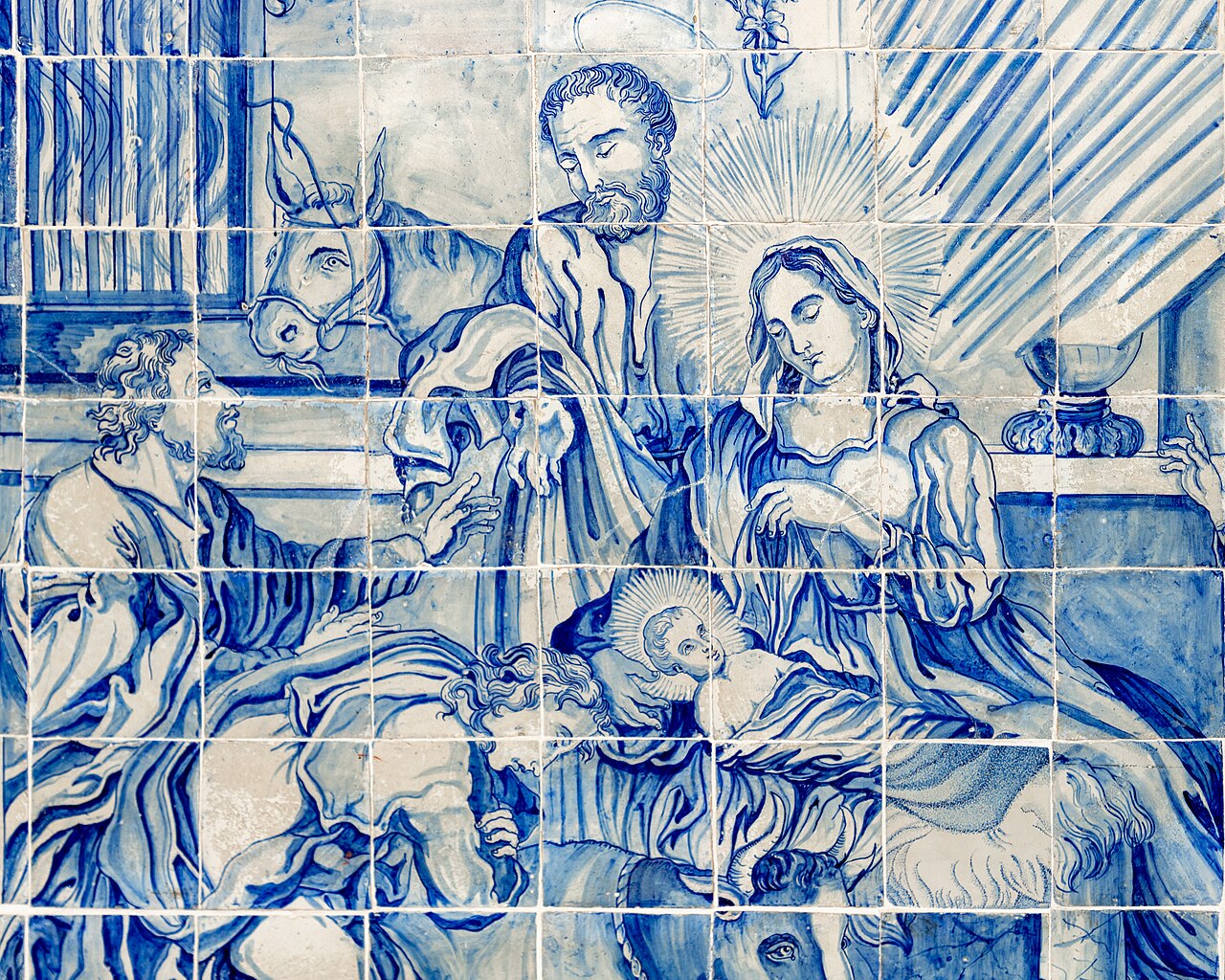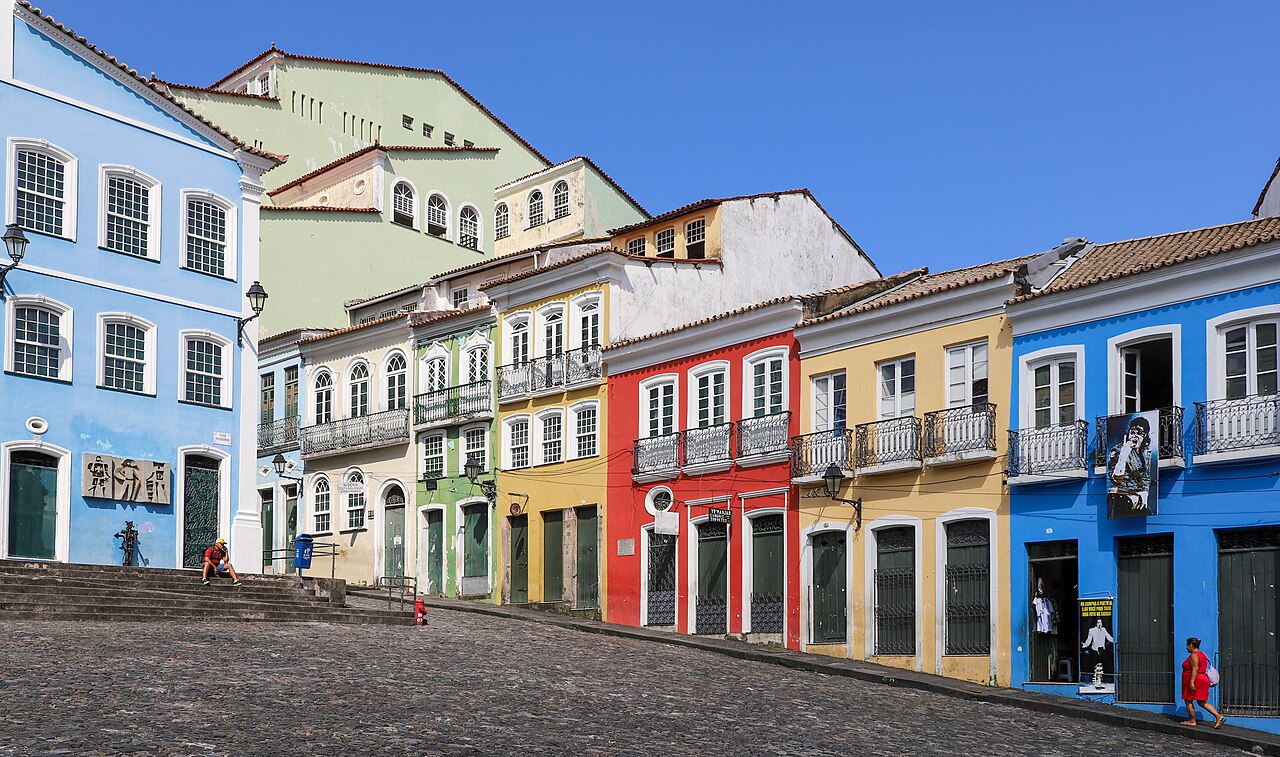
Pelourinho is the heart of old Salvador and the reason most travellers come. The name once referred only to the Largo do Pelourinho, the square where the pillory stood, but it now stretches across a web of steep cobbled lanes and open squares that includes the Terreiro de Jesus, the Largo do Cruzeiro de São Francisco and the streets around the Carmo. The historic centre was protected as national heritage from the late 1930s and UNESCO added it to the World Heritage List in December 1985. What you see is mostly sixteenth to nineteenth century architecture, with colonial townhouses painted in strong yellows, blues and pinks, baroque churches with gilded interiors, and museums tucked behind carved doorways. It is lively, loud and photogenic, and it is also where Afro-Brazilian culture is easiest to meet, from the drum groups on the squares to the baianas selling acarajé on the corners.
The best way to see it is on foot, starting at the Terreiro de Jesus, where the cathedral and several churches face each other across a busy square, then dropping down the lanes to the Largo do Pelourinho and the Rosário dos Pretos church, and finishing at the Carmo end for views over the bay.
The ground is steep and uneven, so wear shoes with grip. Allow a half day for a relaxed first look, and longer if you want to go inside museums or sit in a café. Many visitors come twice, once in daylight for the buildings and once after dark when the squares fill with music.
Be realistic about what is open. Several of the district's famous churches and cultural buildings are closed for restoration or marked as unsafe by the heritage authorities, including the Igreja e Convento de São Francisco, which has been closed for restoration. The city's Pelourinho portal flags which buildings are closed, so check it before you plan a route around a specific church. The streets themselves, the squares and the many museums and shops remain open, and the area is far more than any one monument.
Travel sensibly. Pelourinho is busy and generally watched over by police, but pickpocketing happens in any crowded tourist area, so carry only what you need, keep your phone out of sight on the steep lanes and avoid wandering the quiet side streets late at night. Street photography of people is usually fine if you ask first, and a little Portuguese goes a long way. If you want the stories behind the buildings, a licensed local guide is worth the cost, and you can arrange one through your hotel.
What to expect
The experience
A free, self-guided walk through steep cobbled squares and lanes lined with colonial mansions, baroque churches, small museums and craft shops.
Best time
Morning for the light and quieter lanes, then return around sunset when the squares come alive with music.
How long
Half a day covers the main squares and a museum or two, and a full day lets you add churches, lunch and a slow evening.
Tips
Wear grippy shoes for the slopes, carry little, check which churches are open before you set a route, and use a ride-hailing car rather than walking back late at night.
Quick picks
- Best for
- Every first visit to Salvador, and anyone interested in colonial architecture, Afro-Brazilian history and street life.
- Families
- Children enjoy the colours, the drummers and the open squares, but the slopes and crowds call for close supervision.
- Couples
- Wander in the late afternoon, stop for a drink with a bay view and stay for the music on the squares as the light fades.
- Pair with
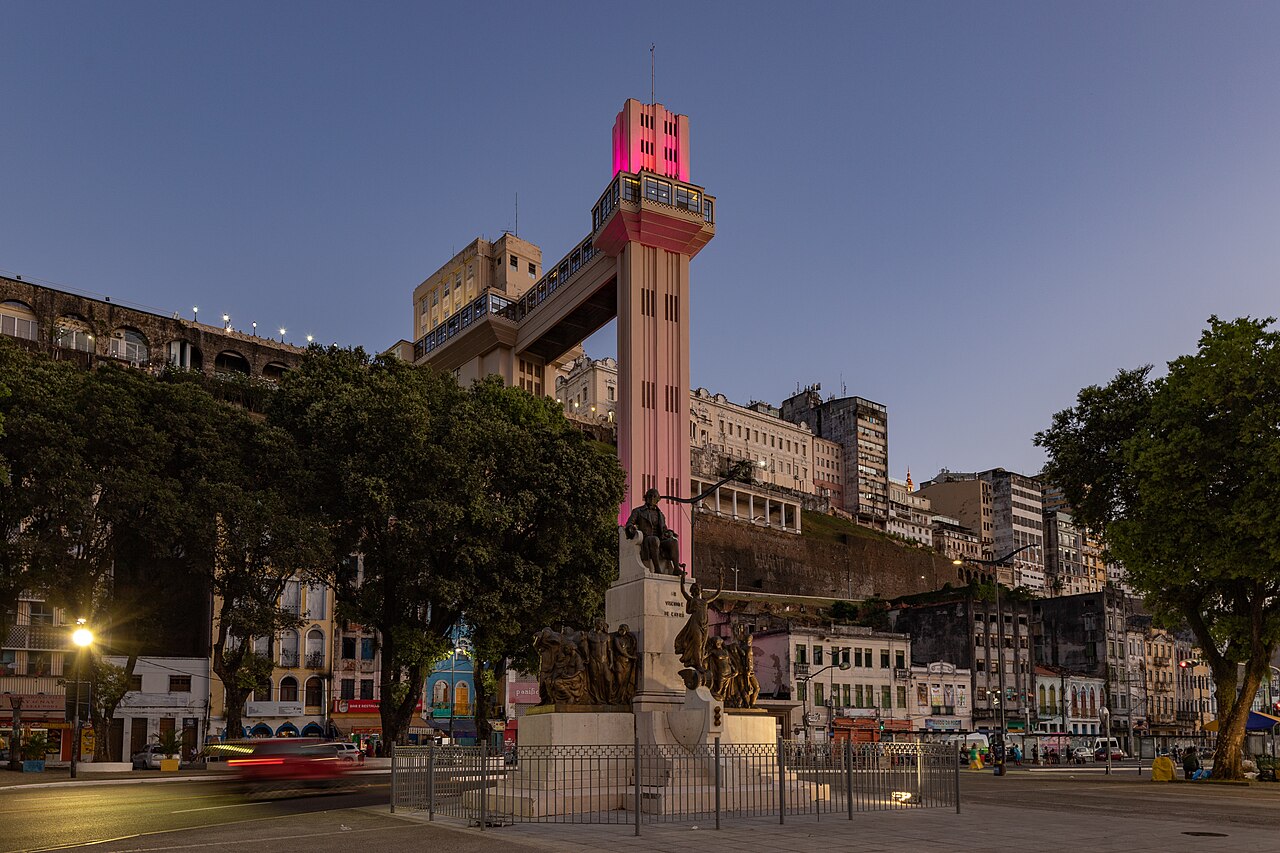
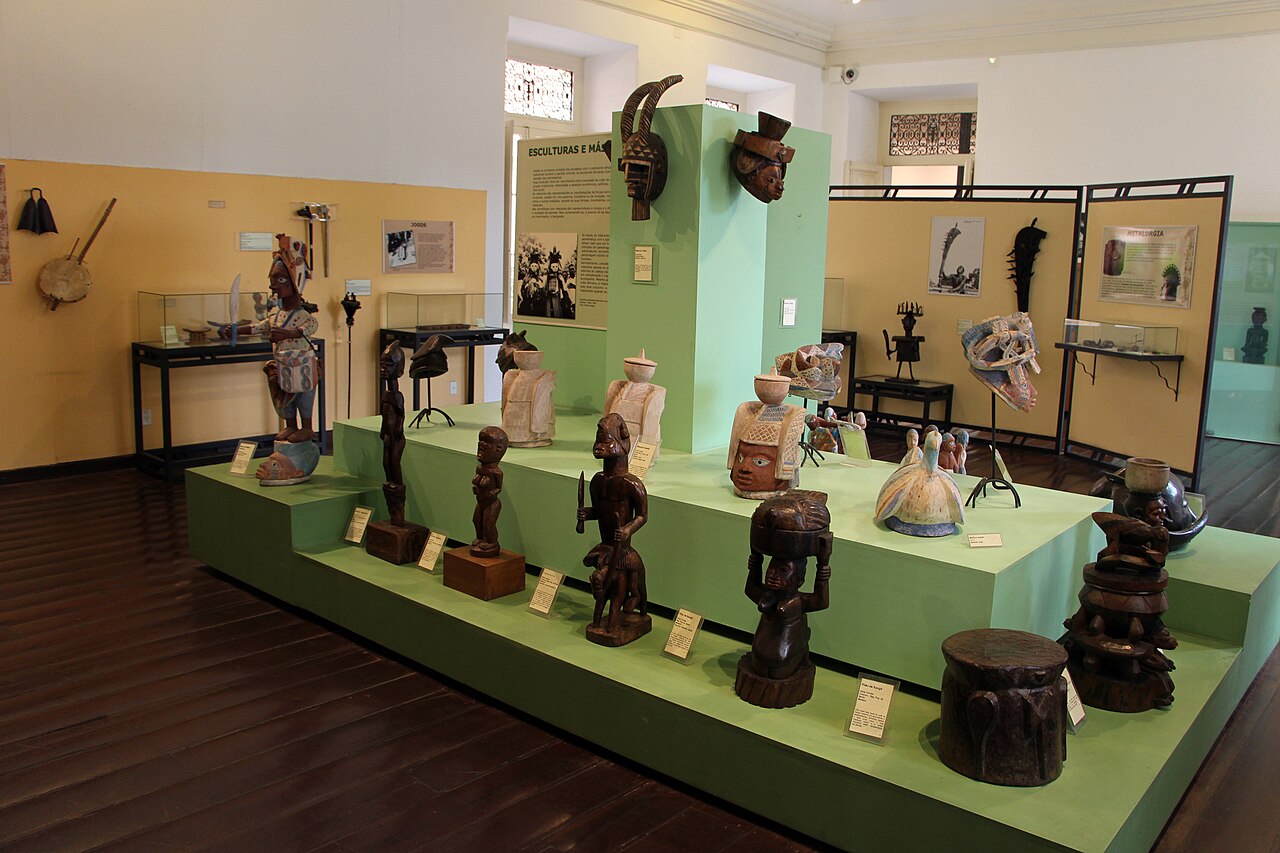
- The Lacerda Elevator for the ride up, the Afro-Brazilian Museum on the Terreiro de Jesus and a Bahian cooking class.
- Time needed
- Half a day for the highlights, with extra time if you add museums or an evening return.
Good questions
Is Pelourinho free to visit?+
Yes, the streets and squares are open to everyone at no cost. Individual museums, churches and shows may charge their own admission.
Is Pelourinho safe for tourists?+
It is a busy, heavily visited area with a regular police presence, but petty theft occurs in any crowd. Keep valuables out of sight, stick to well-lit busy streets after dark and use a ride-hailing car or taxi to leave late at night.
Which church is closed?+
The Igreja e Convento de São Francisco has been closed for restoration, and several other buildings are closed or restricted from time to time. The city's Pelourinho portal shows current closures.
How long should I spend here?+
Plan on half a day for a first look. Add an evening visit if you want to hear the live drumming and see the squares at their liveliest.
How do I get up from the lower city?+
The Lacerda Elevator is the classic route and takes less than a minute from the Comércio district to the Praça Tomé de Souza. Taxis and ride-hailing cars also reach the historic centre by road.