San Salvador sits at moderate altitude in the tropics, so the question is never hot or cold. It is warm all year, and what really changes is the rain. The year divides into a dry season and a rainy season, and almost every decision about when to go comes back to which of the two suits your plans. Neither is bad. They simply favour different kinds of trip.
The dry season, roughly November to April
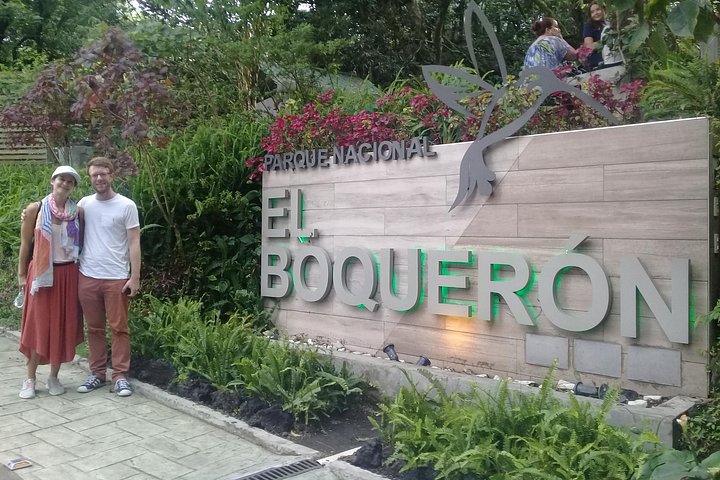
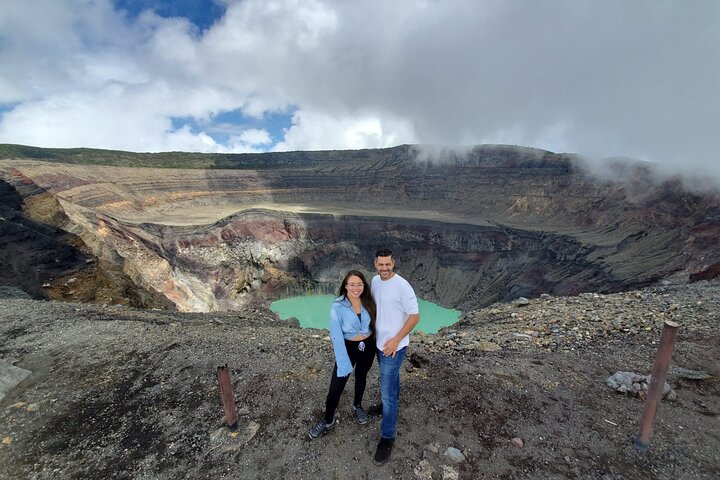
This is the classic time to visit. Skies are mostly clear, mornings are bright and views from El Boquerón, the Santa Ana volcano and Lake Coatepeque are at their best. The Pacific coast is warm and the surf is most consistent, so El Tunco and the Surf City beaches are at their liveliest. Highland towns on the Ruta de las Flores are cooler, especially at night, so a light jacket is useful. Because this is also the busier time, popular tours and weekend rooms are better booked ahead, and the Christmas and New Year period brings big crowds to the beaches. The trade-off is that the lowlands and the city centre can feel hot and dusty by the end of the dry season.
The rainy season, roughly May to October
The hills turn lush green and the air is cleaner after rain. Showers are usually in the afternoon and evening, so mornings are often sunny, and a sensible plan puts outdoor sights first and museums later. It is the quieter season, with fewer visitors at sights and often better value on rooms. The surf is rougher and more powerful, which suits experienced surfers but makes beginners cautious. Volcano trails can be muddy and views can disappear into cloud, so the Santa Ana hike is best started at the earliest slot. Afternoon downpours can also slow traffic in the capital, so give yourself extra time between the hotel and a tour pickup.
Month by month feel
November and December are the sweet spot of the dry season, with clear skies, green hillsides left over from the rains and the coffee harvest beginning in the hills. January and February are the driest and, in the highlands, the coolest. March and April are hotter, and Holy Week, before Easter, is a major holiday period when many Salvadorans head to the beaches and the towns hold processions, some with colourful sawdust carpets, so expect crowds and book early. May is when the first rains return and the coffee blossom can whiten the hills, which makes the Ruta de las Flores especially pretty. From June to October the pattern is sunny mornings and wet afternoons.
Festivals worth planning around
The Agostinas, held in San Salvador from 1 to 6 August in honour of the Divine Savior of the World, are the capital’s biggest celebration, with parades, bands, masked Viejos de Agosto, a procession to the cathedral and a fair, so expect busy streets and a festive mood. National Pupusa Day, on the second Sunday of November, is a treat for food lovers, as pupuserías and towns put on special events. Independence Day on 15 September brings parades and patriotic decoration. Juayúa’s weekend food festival runs all year and suits any season, and Christmas decorations and events in the historic centre add atmosphere in December. Check dates locally, as celebrations can shift slightly from year to year.
Best time by interest
For volcano views and clear photographs, go between December and March. For surfing, choose the dry season, with the strongest consistency at El Tunco and nearby breaks. For coffee, plan around the harvest at the turn of the year, or for the blossom around April and May. For low prices and quiet sights, choose the rainy season and keep afternoons flexible. For Maya sites such as Joya de Cerén and Tazumal, any month works, although mornings are more comfortable than midday.
What to pack
Light, breathable clothing, a hat, sunscreen and comfortable walking shoes are useful all year. In the rainy season add a compact rain jacket or umbrella and shoes that can handle wet cobblestones. For the Santa Ana volcano, wear sturdy shoes and bring layers, as the crater rim can be cool and windy. Insect repellent is worth carrying for the coast and lowland evenings.
Weather and your plans
Check the forecast the evening before any big outdoor day, and be willing to swap days. A museum and the historic centre can fill a cloudy morning, while the Ruta de las Flores and the beaches are better on clear days. Since the highlands and the coast can differ from the capital, ask your guide or hotel which direction looks best.
Money and practicalities
The US dollar is the everyday currency, so there is no exchange to worry about. Seasonal demand affects hotel rates, with the dry season and holiday weeks usually costing more, so compare dates if your plans are flexible.