San Salvador is a compact, busy capital that works best as a base. The city itself has a handful of strong sights, but its real value is how many varied day trips start here: Maya ruins, volcano hikes, coffee country, a colonial town and Pacific surf beaches all lie within roughly two hours. A little planning turns that into a trip with variety and very few wasted hours.
How many days
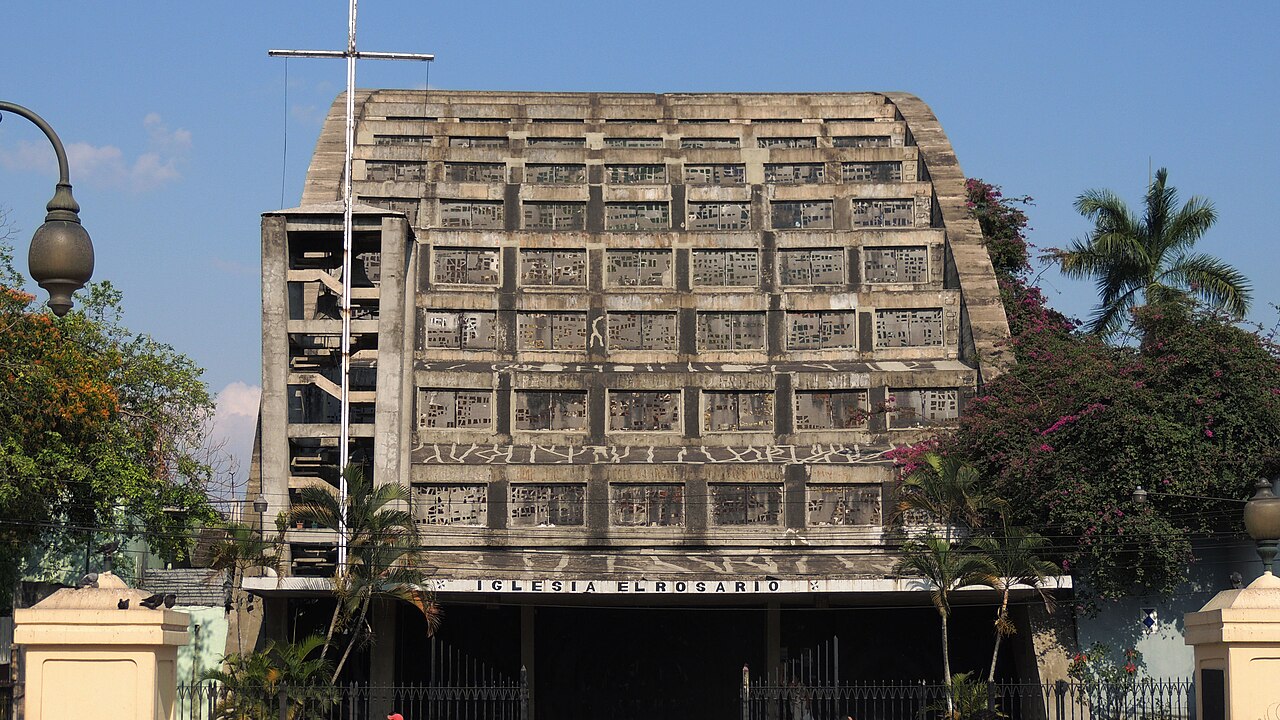
Give the city one full day and then add a day trip for each extra day you have. Three days is enough for the capital plus two highlights, and five days lets you cover the main west, north and coast. Day one is the historic centre in the morning, with the Metropolitan Cathedral, the National Palace and the plazas, followed by El Rosario church and, in the afternoon, the MUNA anthropology museum in San Benito.
What to book ahead
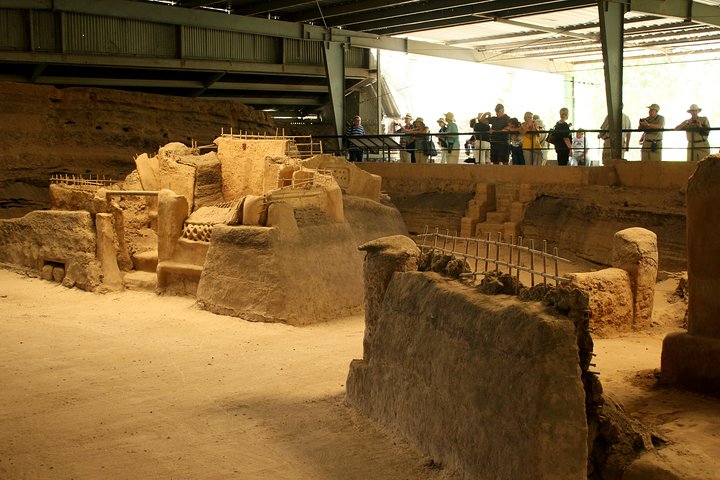
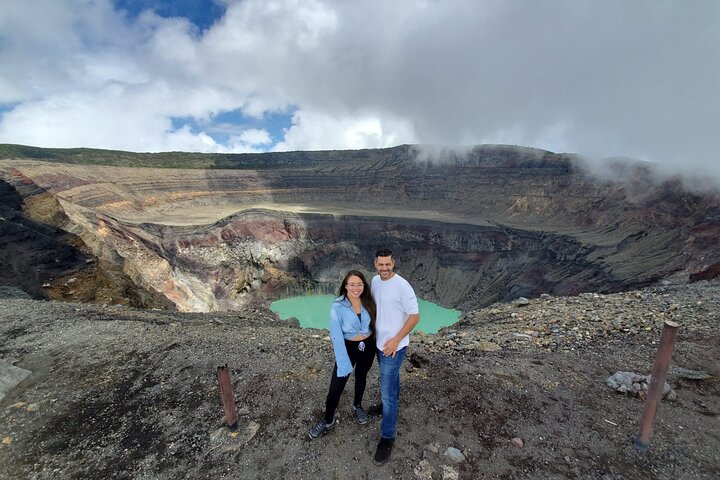
The Santa Ana volcano hike runs in guided groups with early starts, so arrange it a few days in advance. The Maya route to Joya de Cerén and Tazumal and the Ruta de las Flores are most easily done on a guided day tour with hotel pickup, and the same goes for the coffee farm and Ataco day. El Boquerón crater park is simple to add to a city tour. Suchitoto and El Tunco are easy on your own by taxi, driver or shuttle, and the beach and town themselves need no booking.
Where the sights fit
Treat the west as one cluster: Joya de Cerén, Tazumal, Santa Ana volcano, Lake Coatepeque and the Ruta de las Flores all sit on the same side, so pairing two of them in a day makes sense, although a full day each gives a calmer pace. The north holds Suchitoto and its lake, and the Pacific coast holds El Tunco and Surf City. El Boquerón is close enough to see in a morning before an afternoon in the centre.
Getting around
In the capital, taxis and ride-hail cars are the easiest way to move between the Escalón and San Benito hotel districts and the historic centre. Agree the fare before a ride if the car has no meter. For day trips, a tour with pickup is the least stressful option, and a private driver is a good alternative for groups. Traffic can be heavy on weekday mornings and evenings and on weekend beach routes, so build in time. Buses exist but are not the easiest choice for first-timers.
Money and practicalities
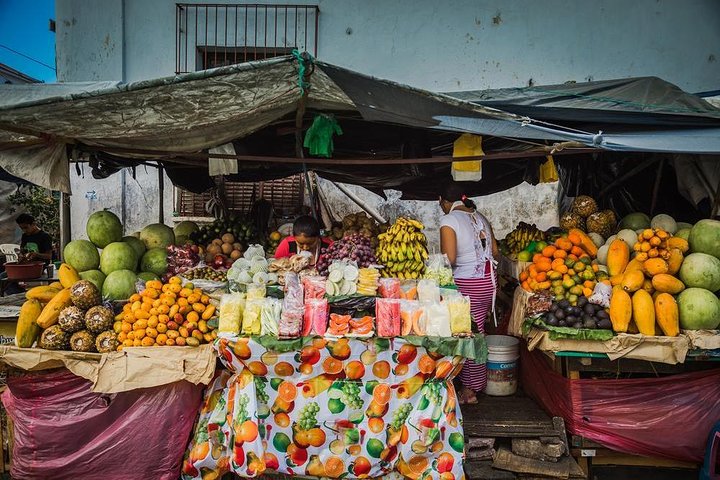
The US dollar is the everyday currency, and small notes are useful for markets, snacks and tips. Cards are widely accepted in hotels and larger restaurants, while stalls and small sites usually prefer cash. Some businesses also accept bitcoin, but most visitors simply pay in dollars. Check entry requirements before you fly, as rules change.
When to go
The dry season, roughly November to April, brings the clearest skies for volcano views and the beaches. The wet season turns the hills green and brings afternoon showers, so plan outdoor sights for the morning in any month. The coffee harvest around the turn of the year adds atmosphere on the Ruta de las Flores.
Opening days
Museums and archaeological sites often close one day a week, commonly Monday, and churches close for services, so check opening days before you travel.
A simple plan
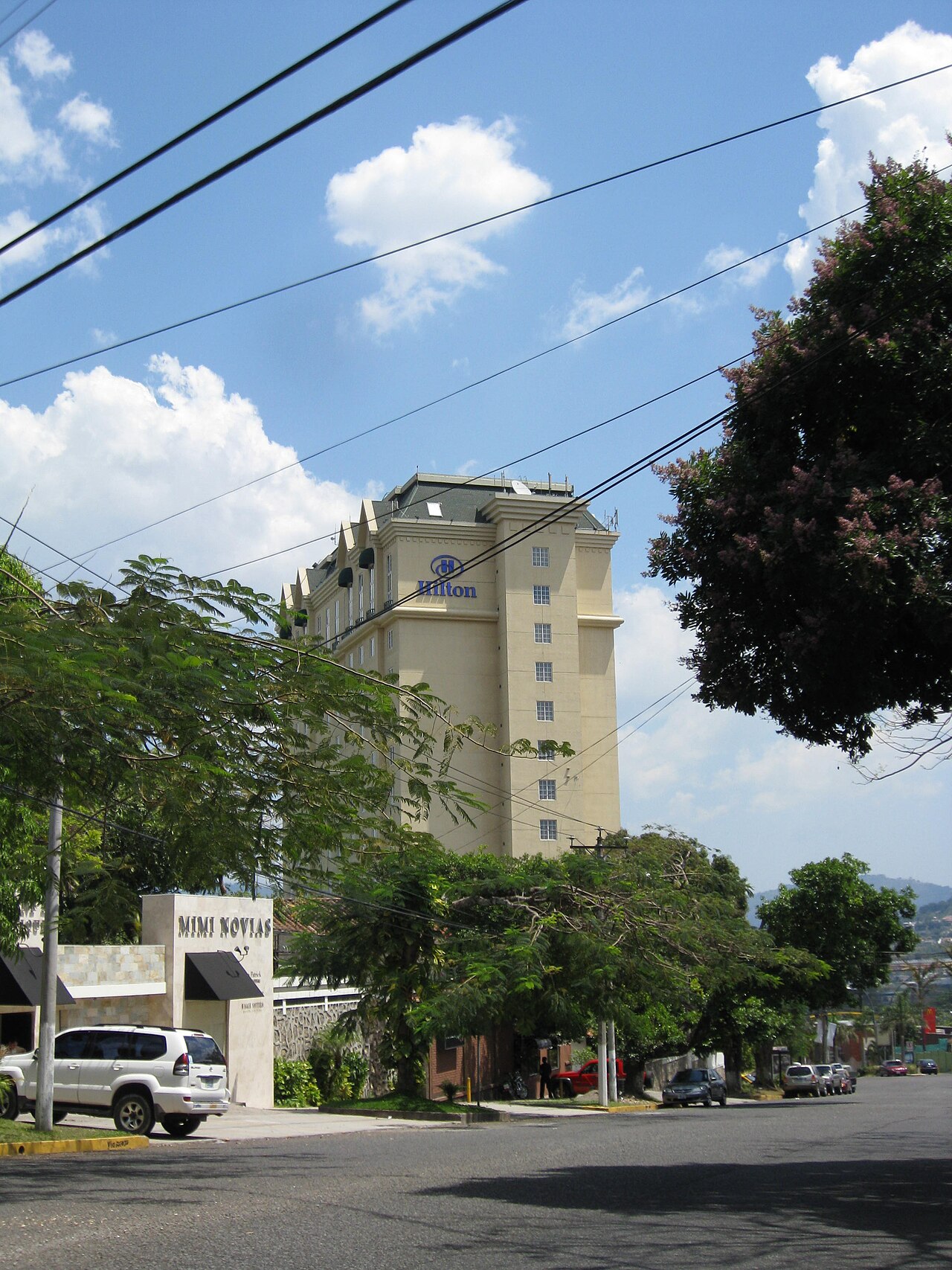
Day one, the historic centre, El Rosario and MUNA. Day two, a Maya route day with Joya de Cerén and Tazumal. Day three, the Santa Ana volcano and Lake Coatepeque. Day four, the Ruta de las Flores and a coffee farm. Day five, El Tunco or Suchitoto, depending on whether you want sea or a quiet colonial town. Stay in Escalón or San Benito for restaurants and easy pickups.