Eating in San Salvador is one of the easiest pleasures of a trip. The food is built on corn, beans, cheese, pork and fresh vegetables, it is filling and inexpensive by most visitors’ standards, and the best of it is usually served in small, plain, family-run places rather than grand restaurants. You do not need a reservation or a plan to eat well here. You do need a little vocabulary, a willingness to eat with your hands and a taste for corn.
Start with the pupusa
The pupusa is the national dish: a thick, hand-patted corn tortilla stuffed before it is griddled. The classic fillings are cheese, refried beans and chicharrón, a soft pork paste, and the mixed one is called revuelta. Loroco, the edible flower bud with a grassy, slightly floral taste, is the filling that most surprises newcomers, and it is usually paired with cheese. Pupusas arrive with curtido, a lightly pickled cabbage slaw, and a thin tomato sauce, and the correct way to eat them is by hand, folding in a little of each. They are sold at dedicated pupuserías, at street stalls and at roadside kiosks, and a shared plate of three or four is a normal meal. The country celebrates them on National Pupusa Day, the second Sunday of November, when pupuserías are especially busy. Rice-flour pupusas, a speciality of the town of Olocuilta on the road between the airport and the coast, are a worthwhile stop if you pass through.
Breakfast
A typical Salvadoran breakfast, often called a desayuno típico, brings together scrambled eggs, fried plantain, refried beans, fresh cheese, a little cream and warm tortillas, with coffee. It is a good meal to take before a long tour day, and most hotels in Escalón and San Benito offer a version of it. Sweet bread from neighbourhood bakeries and a mug of coffee is the lighter alternative, and the quesadilla salvadoreña, a sweet, dense cheese cake that is nothing like a Mexican quesadilla, is the local bakery treat to try.
Lunch and dinner
Look for the plate of the day, which often pairs rice, beans, salad, grilled meat or chicken and a drink. Casamiento is the rice and bean mix that goes with many dishes. Yuca frita, fried cassava with chicharrón and curtido, is a popular shared plate. Sopa de pata, a rich soup made with cow’s feet and tripe, is a weekend tradition for many families and is best approached with curiosity, while chicken and vegetable soups are gentler. Grilled meats and steaks are a feature of the Escalón restaurant scene, and Zona Rosa has a wider mix of international menus. Seafood is better on the coast than in the capital, so save it for El Tunco or another beach day.
Street food and snacks
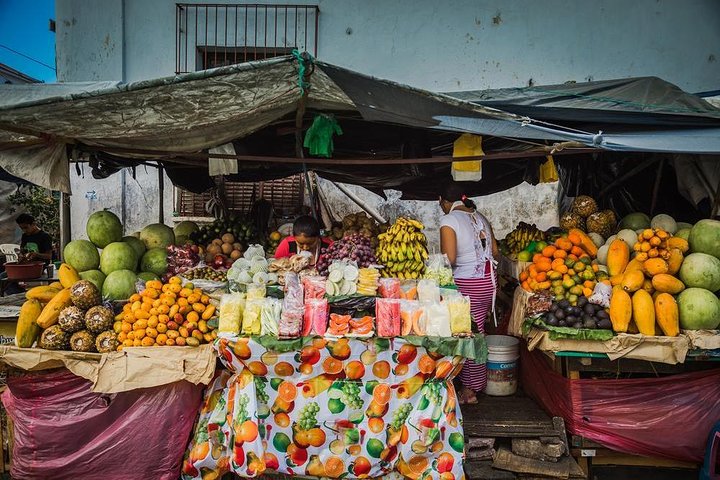
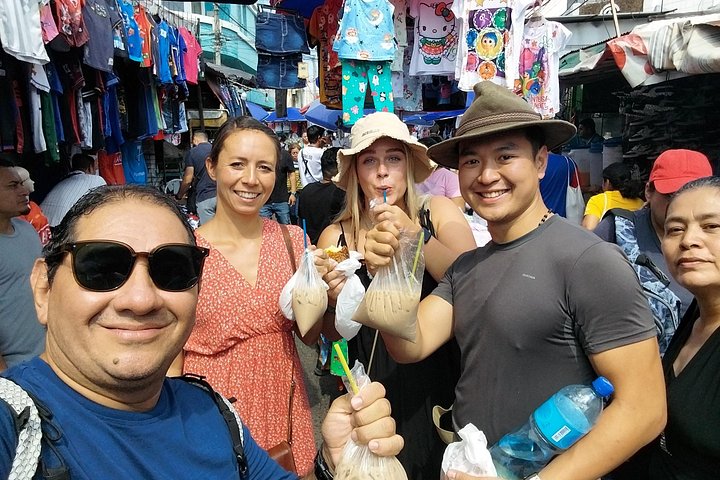
Fried plantain with beans and cream, tamales wrapped in banana leaf, empanadas filled with plantain and milk custard, and cups of fruit with salt and lime are the common snacks. In the centre, vendors work around the plazas and market lanes. Choose stalls that are busy, where the food is cooked in front of you, and carry small notes for payment. If you have a sensitive stomach, favour hot, freshly cooked items over cut fruit and ice-based drinks.
Drinks
Horchata de morro, made from the ground seeds of the morro fruit with cinnamon and spice, is the signature cold drink and tastes nothing like the rice-based version elsewhere. Atol de elote, a warm sweet corn drink, is a comforting evening choice. Fresh fruit blends, called licuados, and tamarind, hibiscus and cashew-fruit drinks are common. Kolashampan, a sweet soda with a sugar-cane flavour, is the national soft drink. Beer is easy to find, and the dry-season evenings suit a table outdoors.
Coffee
Salvadoran coffee grows on the volcanic slopes of the west and is a good reason to leave the capital. The coffee farm day near Ataco and the Ruta de las Flores let you walk among the bushes, see how the cherries are picked and processed, and taste the result in a cafe garden. The harvest runs roughly from the end of the year into the new year, and the white coffee blossom brightens the hills around April and May. Buy beans from the farm or from a cafe in Ataco rather than the airport, as they are fresher and usually cheaper.
Food days out
Juayúa, on the Ruta de las Flores, is known for a weekend food festival where grills, stalls and tables fill the square, so a Saturday or Sunday trip is the best way to sample a wide range in one sitting. Suchitoto has lakeside and plaza restaurants that suit a slower lunch. Between sights, the historic centre is a good place to try street snacks, while the MUNA and San Benito area offers sit-down meals close to the museum.
Practical tips
Prices are in US dollars. Cards are accepted in hotels and larger restaurants, while pupuserías and stalls usually want cash, and some businesses also accept bitcoin, which is not legal tender. Tipping is customary in sit-down restaurants, and a check may already include a service charge, so look before adding more. Drink bottled or purified water, and ask if ice is made from purified water. Vegetarians do well with cheese, bean and loroco pupusas, though broths and beans may be cooked with pork, so ask. Eat early for lunch, as popular places run out of the day’s dishes, and give yourself time between a big breakfast and a big lunch.