Three days is the sweet spot for San Salvador. It is enough to see the capital properly, take in one of the great day trips and still leave time for a long lunch. The plan below keeps the city to a single day, because its strengths are a handful of sights rather than endless museums, and spends the other two days in the countryside, where El Salvador is at its best. Every day starts early, because mornings are cooler, clearer and calmer than afternoons.
Day one: the capital
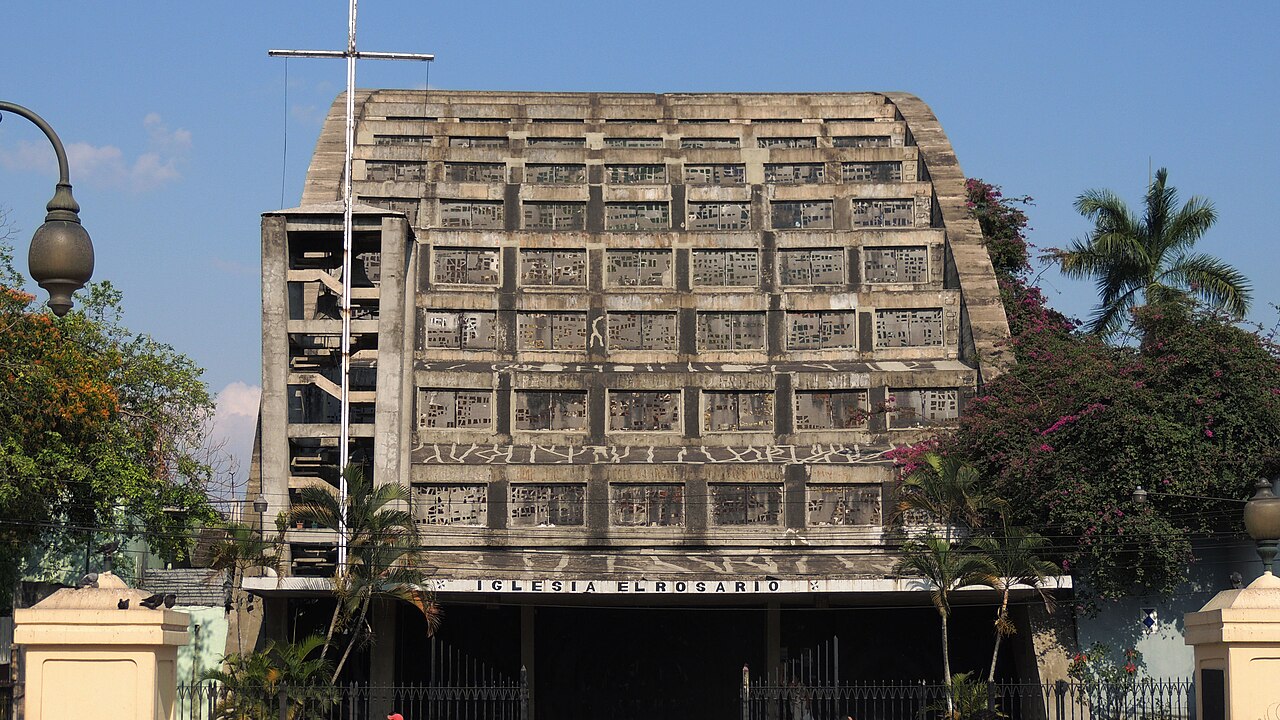
Begin in the historic centre while the plazas are still quiet. The Metropolitan Cathedral is the natural first stop, with its tiled exterior and, in the crypt, the tomb of Archbishop Óscar Romero. Dress modestly and keep your voice low inside. The National Palace and the National Theatre are a few minutes’ walk away, and the surrounding lanes of market stalls and cafes are worth a slow loop. Allow two to three hours in total. From there it is a short taxi or ride-hail trip to Iglesia El Rosario, a modernist church whose concrete barrel vault and tall stained-glass wall make it one of the most unusual churches in Central America. Half an hour is plenty, and the light is best when the sun is shining through the glass.
After lunch, go to the MUNA National Museum of Anthropology in San Benito. It gives the background that makes the next two days richer, with the Maya, Pipil and earlier peoples set out in a clear sequence. Allow one to two hours. San Benito and the nearby Zona Rosa are the easiest places in the city for an early dinner, with plenty of restaurants within walking distance of the main hotels.
Museums and sites in El Salvador often close one day a week, commonly Monday, so check opening days before you decide which day to give to the city.
Day two: the Maya west
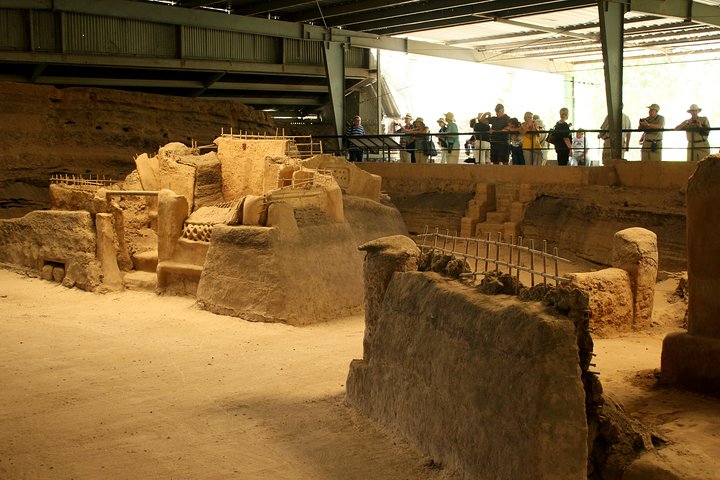
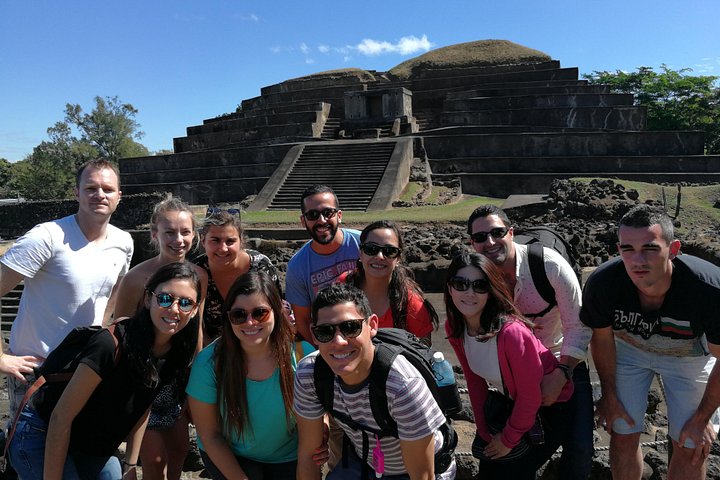
This is the archaeology day. Joya de Cerén, a farming village buried under volcanic ash around fourteen centuries ago and now a UNESCO World Heritage Site, is the closest to the capital. What makes it special is the ordinary: houses, storerooms and kitchens preserved as they were, rather than temples. It is quick to visit, usually about an hour on site, and the site is closed on Mondays. Continue to Tazumal at Chalchuapa, a stepped pyramid in a pleasant park-like setting, which needs one to two hours. Both are often combined into a single guided day with hotel pickup, which is the least stressful way to do it, and many routes add a lake stop on the way back. If you drive yourself, expect heavy traffic leaving the city on weekday mornings.
Day three: pick your landscape
The final day depends on what you want most, and each choice is a full day.
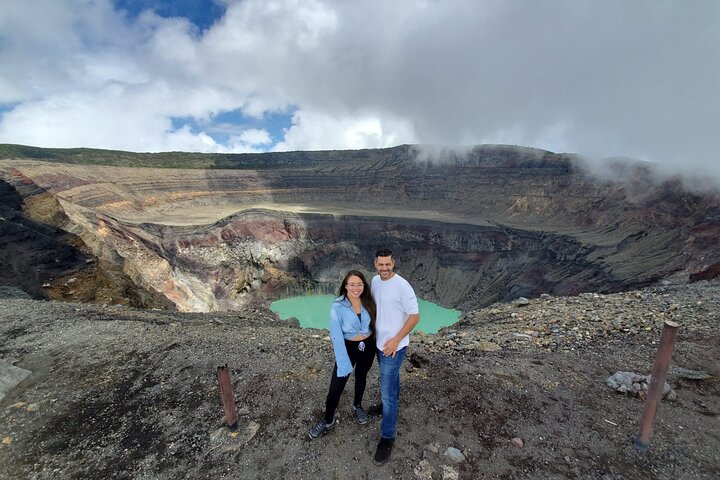
For volcanoes and views, choose the Santa Ana Volcano hike with Lake Coatepeque. The trail climbs to a crater rim with a green-turquoise lake inside and a long view across the west. It runs in guided groups with early starts, so book a few days ahead and bring water, sun protection and proper shoes. For food, crafts and colour, choose the Ruta de las Flores or the coffee farm day, a loop of small highland towns with murals, cafes and weekend food stalls in Juayúa.
For history in a quieter setting, choose Suchitoto, the cobbled colonial town above Lake Suchitlán, which is calm and photogenic and easy to do with a driver. For sea and sand, El Tunco and the nearby Surf City beaches are the Pacific option, with black-sand beaches and a relaxed backpacker atmosphere.
If you only have two days
Do day one as written and give the second day to either the Maya route or the Ruta de las Flores. If you want to shorten day one, see the cathedral and El Rosario in the morning and spend the afternoon at El Boquerón National Park, where the crater rim and glass viewpoint are a quick escape from the city. Most visitors find the park easier to enjoy on a clear morning than in the afternoon, when cloud often settles over the crater.
Getting around
Ride-hail cars and licensed taxis work well inside the capital. If a taxi has no meter, agree the fare before you set off, and ask your hotel to call a car at night. Between towns, a guided tour or a driver is simpler than buses for a short trip, and traffic in and out of the city is heavy at the start and end of the working day, so plan departures accordingly. Keep valuables out of sight, and walk in the busy central areas by day rather than late in the evening.
Money and practicalities
The US dollar is the currency, so there is nothing to exchange. Carry small notes for market stalls, snacks, tips and entry fees, because change for large bills is not always available. Cards work in hotels and larger restaurants. Some businesses also accept bitcoin, although it is not legal tender and most travellers simply pay in dollars. The city is at its clearest in the dry season, roughly November to April, while the wet season brings afternoon showers, which is another reason to keep outdoor sights for the morning.
Where to base yourself
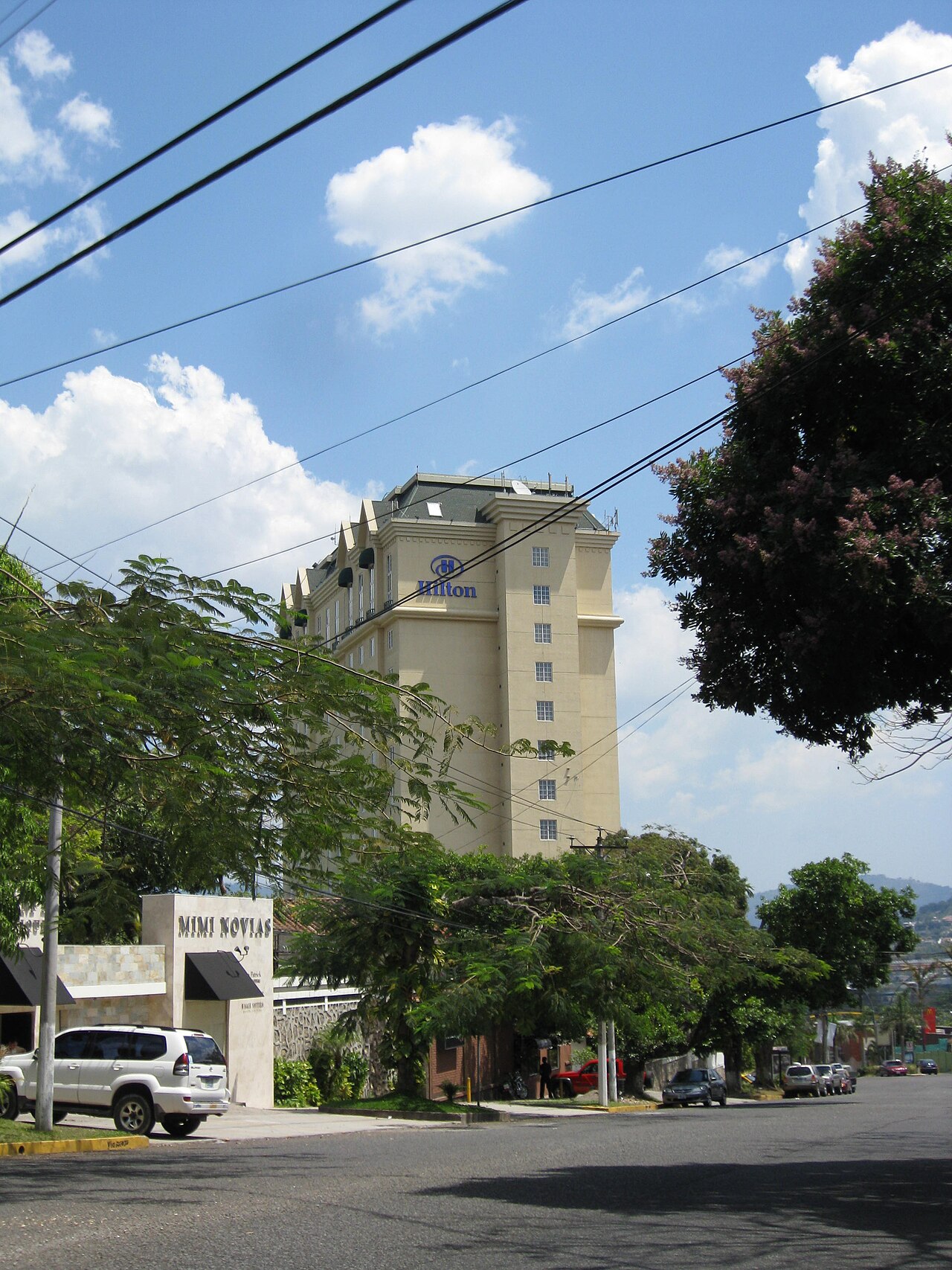
Escalón and San Benito both suit this plan. San Benito puts the museum, the theatre and the Zona Rosa within walking distance, while Escalón is calmer with cafes and restaurants around Plaza Futura. Tour operators pick up in both. Whichever you choose, ask the hotel about early breakfast or a packed breakfast for the days that start before sunrise.