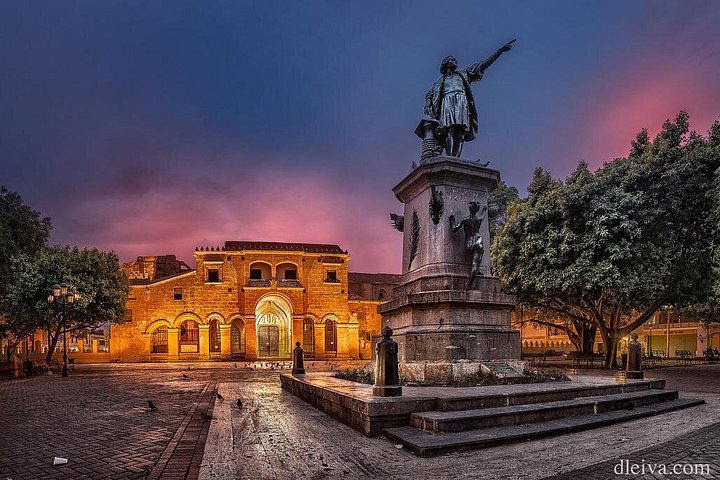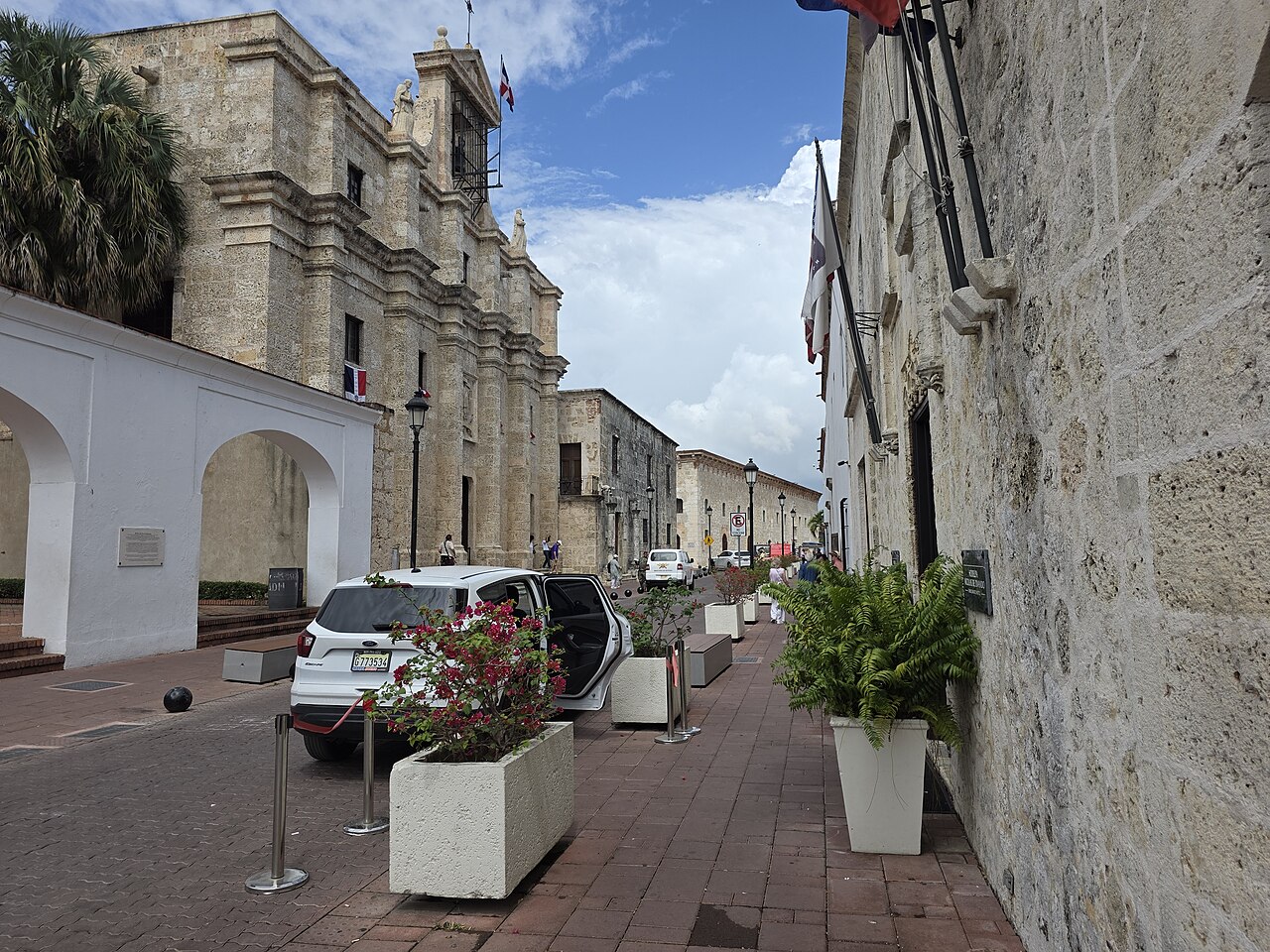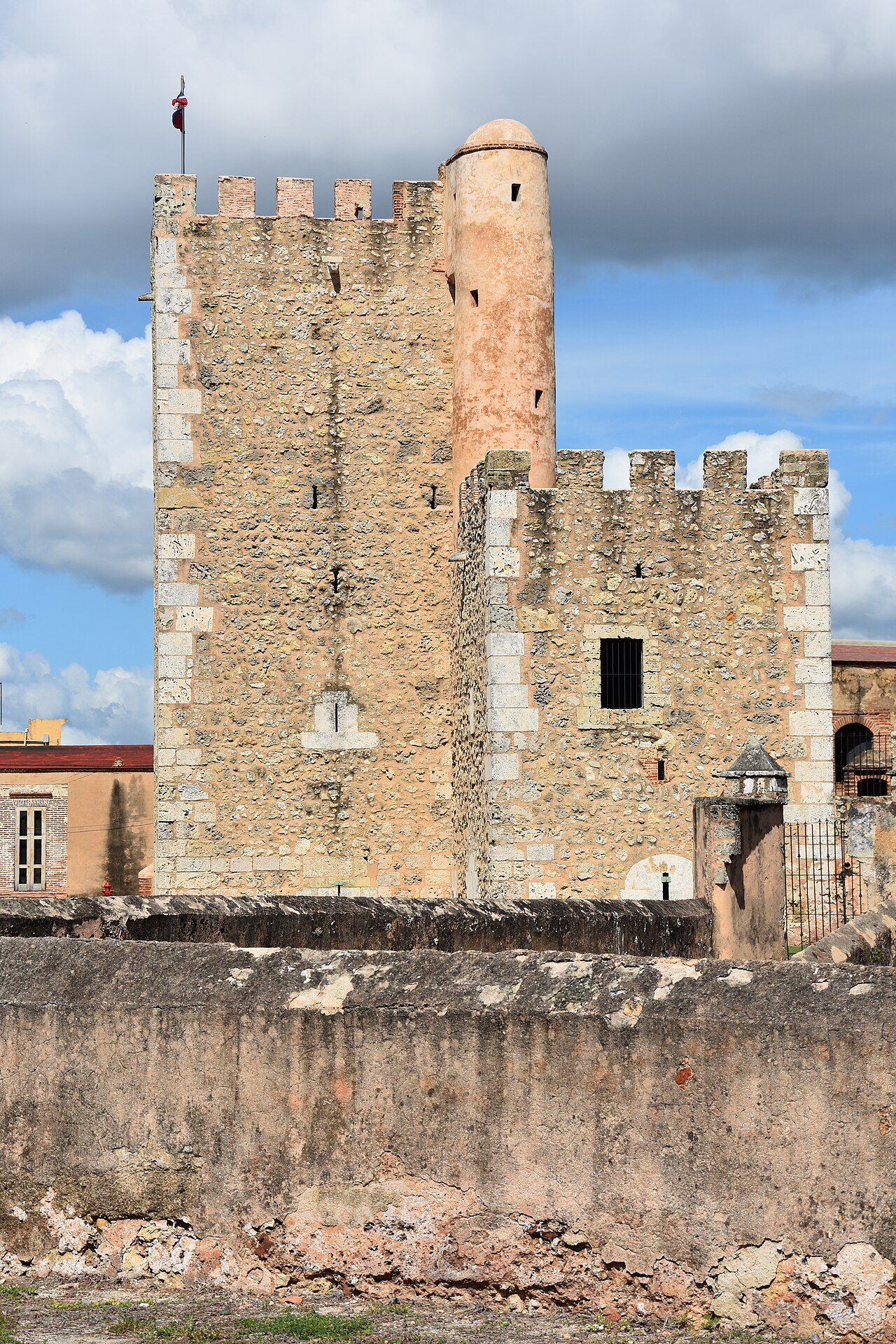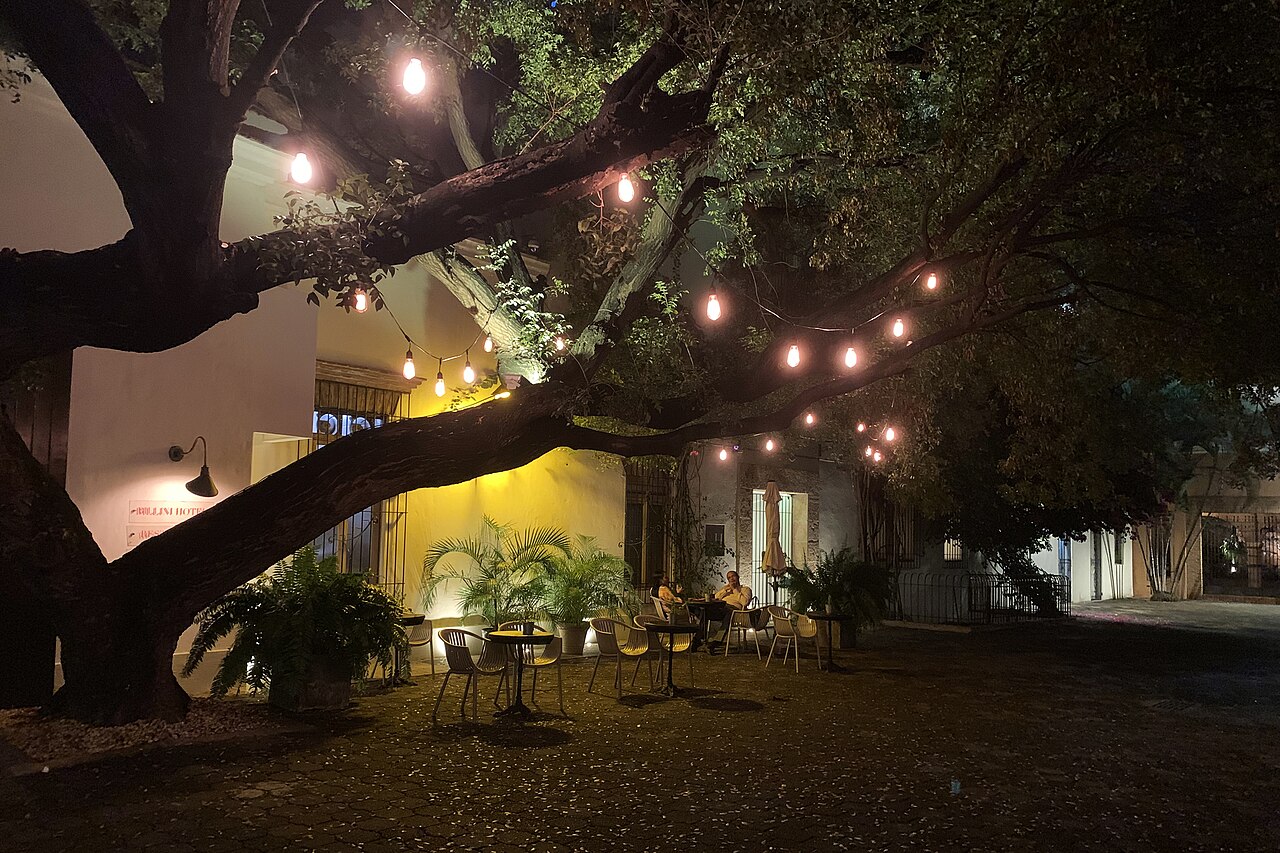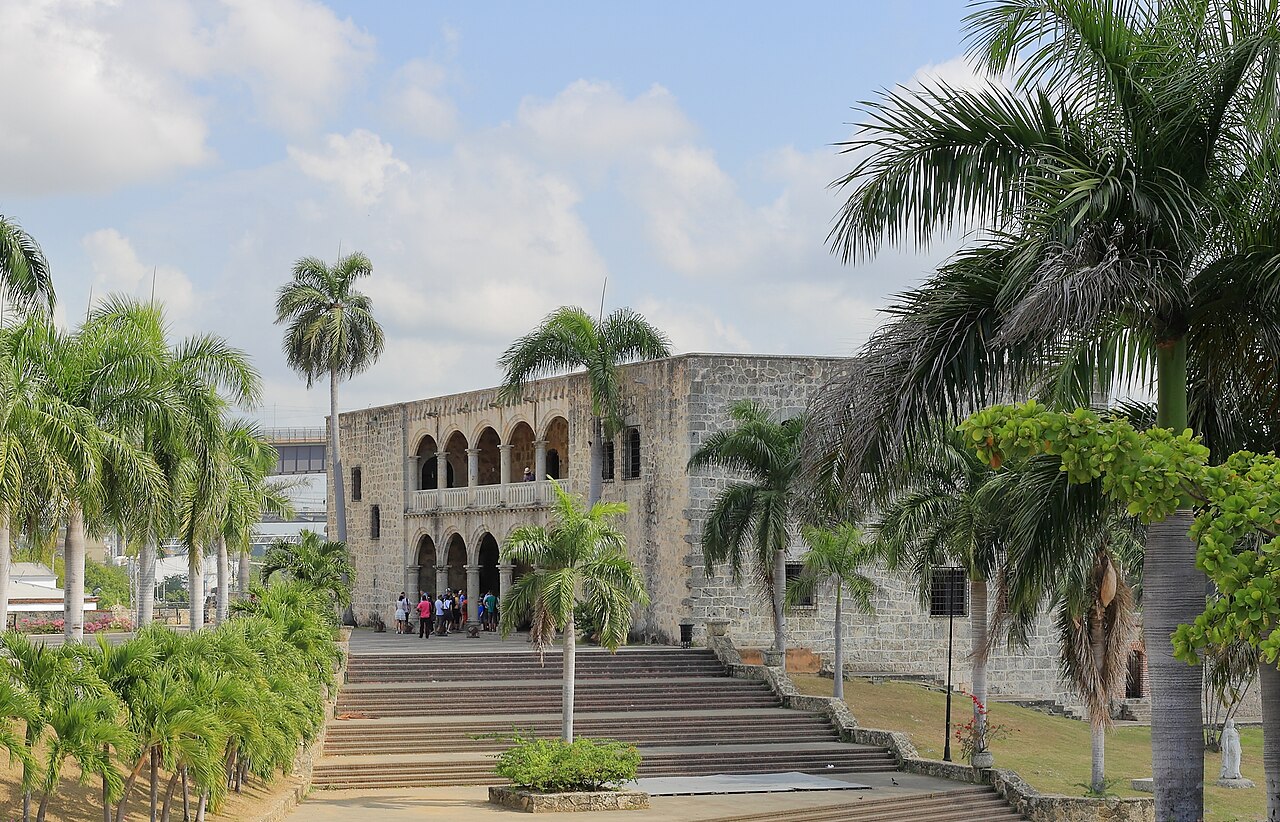
The Alcázar de Colón is the grandest surviving house of the early colonial period. Diego Columbus, Christopher’s son and the Spanish governor of the island, began building it around 1510, and he and his wife María de Toledo ran what amounted to a small royal court from its stone rooms. Overlooking the Ozama River and the old port, the palace has a long façade of arches and a hint of Gothic and Renaissance styles. For decades it was the political center of the Spanish Caribbean, a place where letters from Madrid arrived and plans for expeditions to Cuba, Mexico and beyond were made. After a long period of neglect, the palace was restored in the twentieth century and now serves as a museum of colonial life. Rooms are furnished with period pieces, tapestries, paintings, weapons and ceramics, giving a good sense of how elite households lived in the early Americas. The Plaza de España in front, lined with restaurants and cafés, is one of the best spots in the old town for a drink with a view of the river. A walk to the palace is easy to combine with Calle Las Damas, which begins nearby, and the Fortaleza Ozama just beyond.
How to visit
The museum charges an entry fee and is closed on some days of the week, so check the current opening hours with the tourism board or the museum before you go. Visits are self-guided, and the audio or printed notes help, though a local guide can bring the rooms to life. Cover shoulders and knees, as for other historic sites in the zone.
What to expect
The interior is cool and calm compared with the plaza, and the rooms move through a sequence of reception halls, private chambers and service areas. Look for the carved wooden doors, the arched loggia and the views across to the river from the upper level. Visits take about an hour for most travelers, longer if you enjoy decorative arts.
Making the most of it
Arrive early in the day, when the light on the façade is good and the plaza is quiet. After your visit, walk down Calle Las Damas, stop for coffee in the plaza and finish at the fortress. In hot weather, the shaded loggia and cool rooms make the palace a welcome midday break from the streets.
Context worth knowing
The palace was built with local coral limestone and designed with features of its time, including a loggia of arches on the upper floor, thick walls to stay cool and rooms arranged around a central axis. After the Columbus family left the island, the building fell into decline and was used for other purposes before being rebuilt in the twentieth century using old plans and descriptions.
Because of that restoration, some elements are reconstructed rather than original, which is common for historic sites and worth keeping in mind as you look at the details. Look for the collection of maps and objects that show how the Spanish saw the New World. If you visit near the end of the day, the plaza fills with a golden light that is perfect for photographs.
What to expect
The experience
A self-guided visit to a restored colonial palace, now a museum of period furniture and art.
Best time
Early in the day, when the plaza is quiet and the light is soft.
How long
One to two hours.
Tips
Check opening days before you go, cover shoulders and knees, and finish with a drink on the Plaza de España.
Quick picks
- Best for
- History and architecture lovers who want to see how early colonial elites lived.
- Families
- Fine for school-age children with an interest in history; it is a museum, so keep voices low.
- Couples
- An elegant stop followed by a sunset drink on the plaza.
- Pair with
- Calle Las Damas and the Fortaleza Ozama.
- Time needed
- One to two hours.
Good questions
Who built the Alcázar de Colón?+
It was built from about 1510 for Diego Columbus, son of Christopher Columbus and Spanish governor of the island.
What is inside?+
The museum displays period furniture, tapestries, paintings, weapons and ceramics from the colonial era.
Is there an entry fee?+
Yes, there is a modest fee. Check current prices and opening days with the museum or the tourism board.
How long should I allow?+
About an hour for most visitors, longer if you like decorative arts.
Is it accessible?+
Parts of the building have stairs and uneven floors. Ask at the entrance about accessible routes.