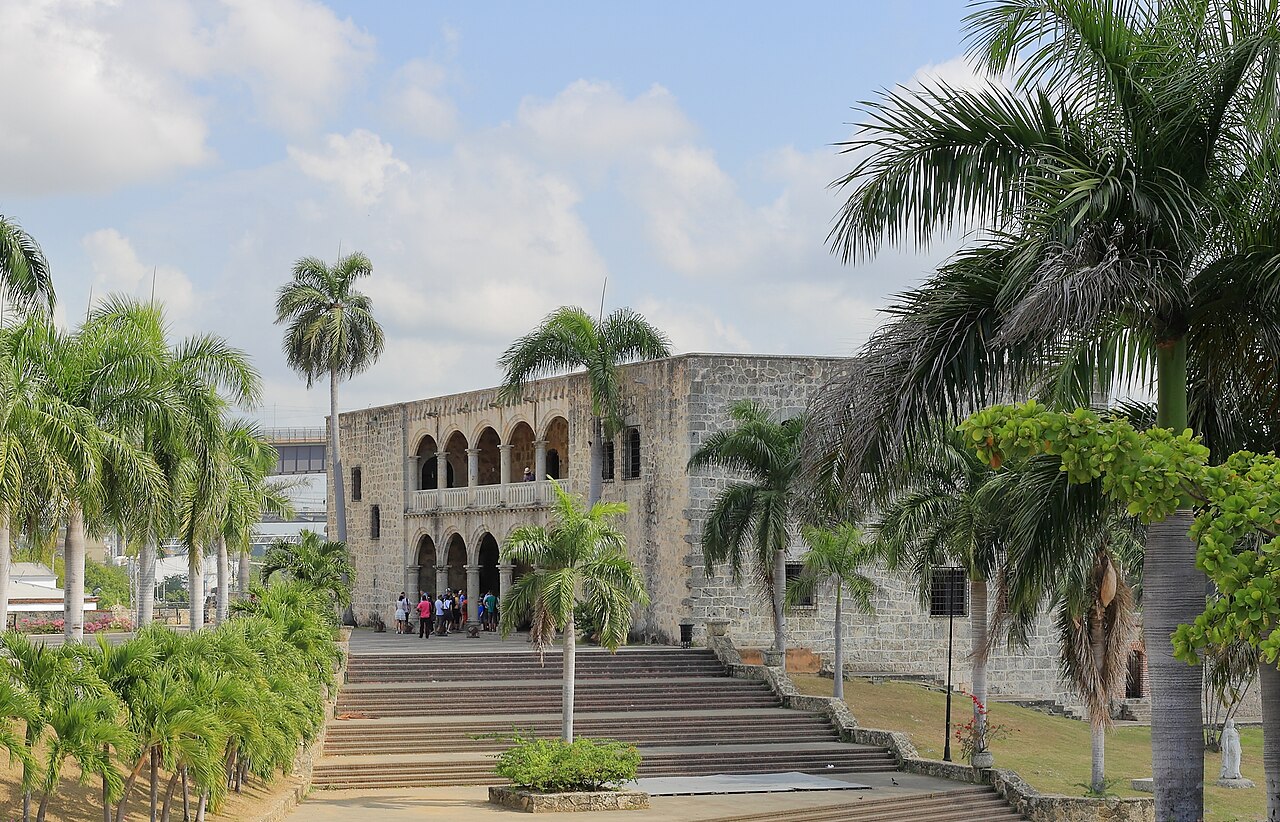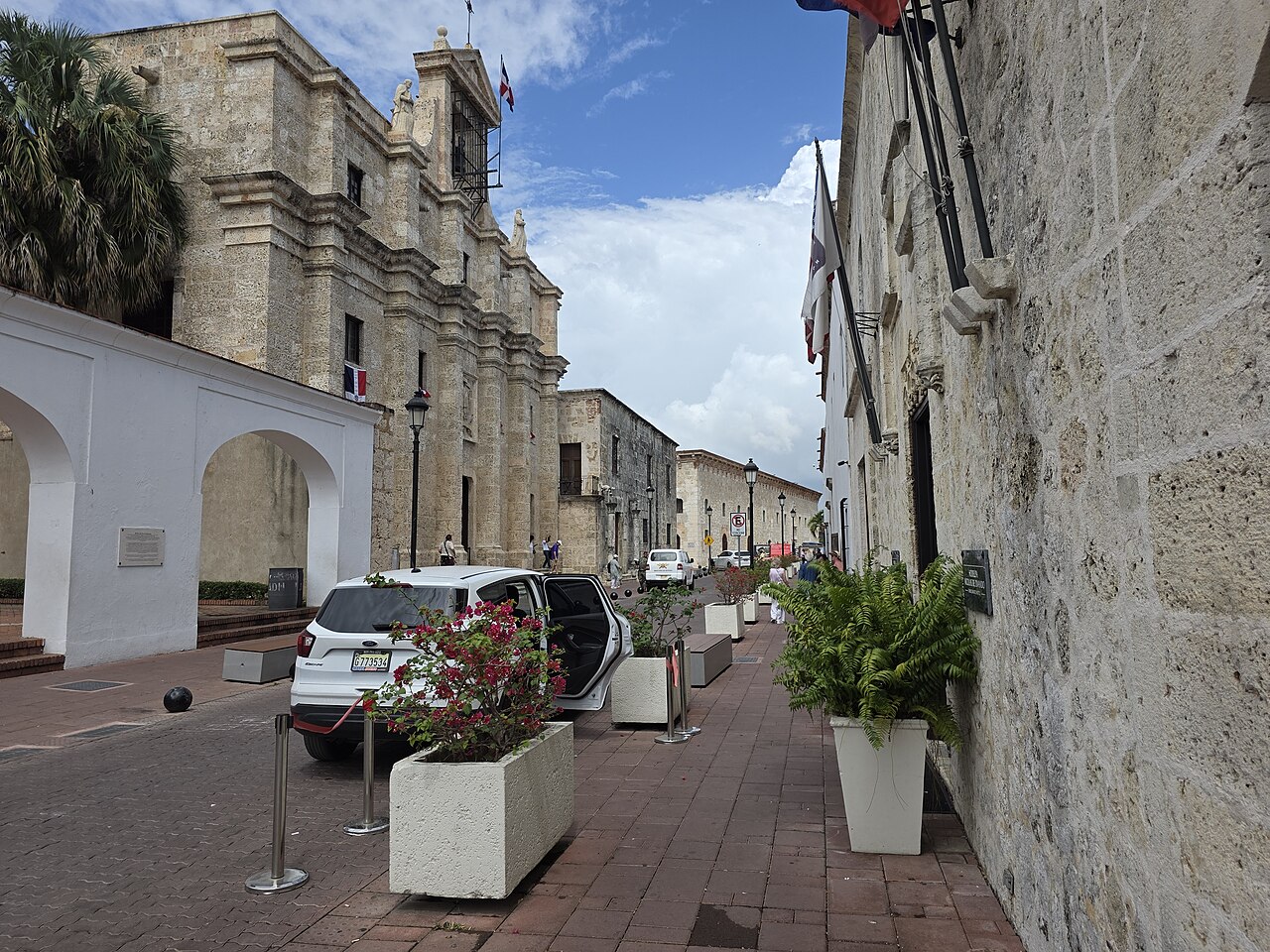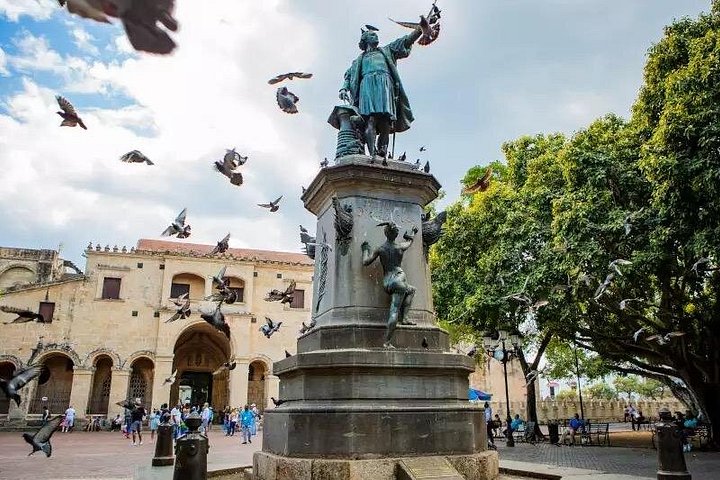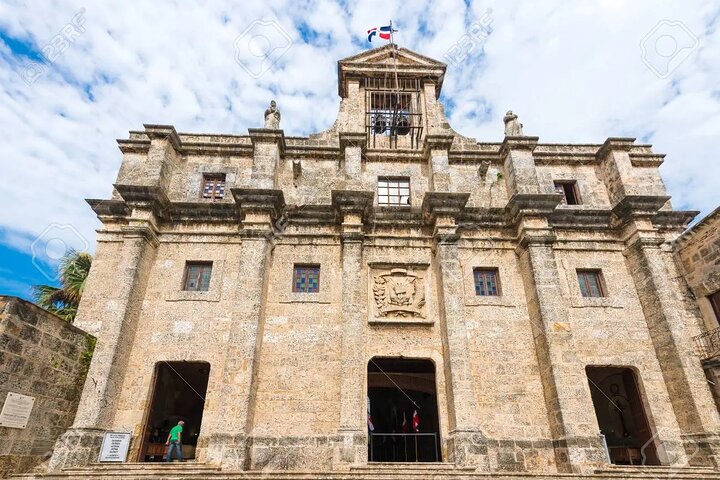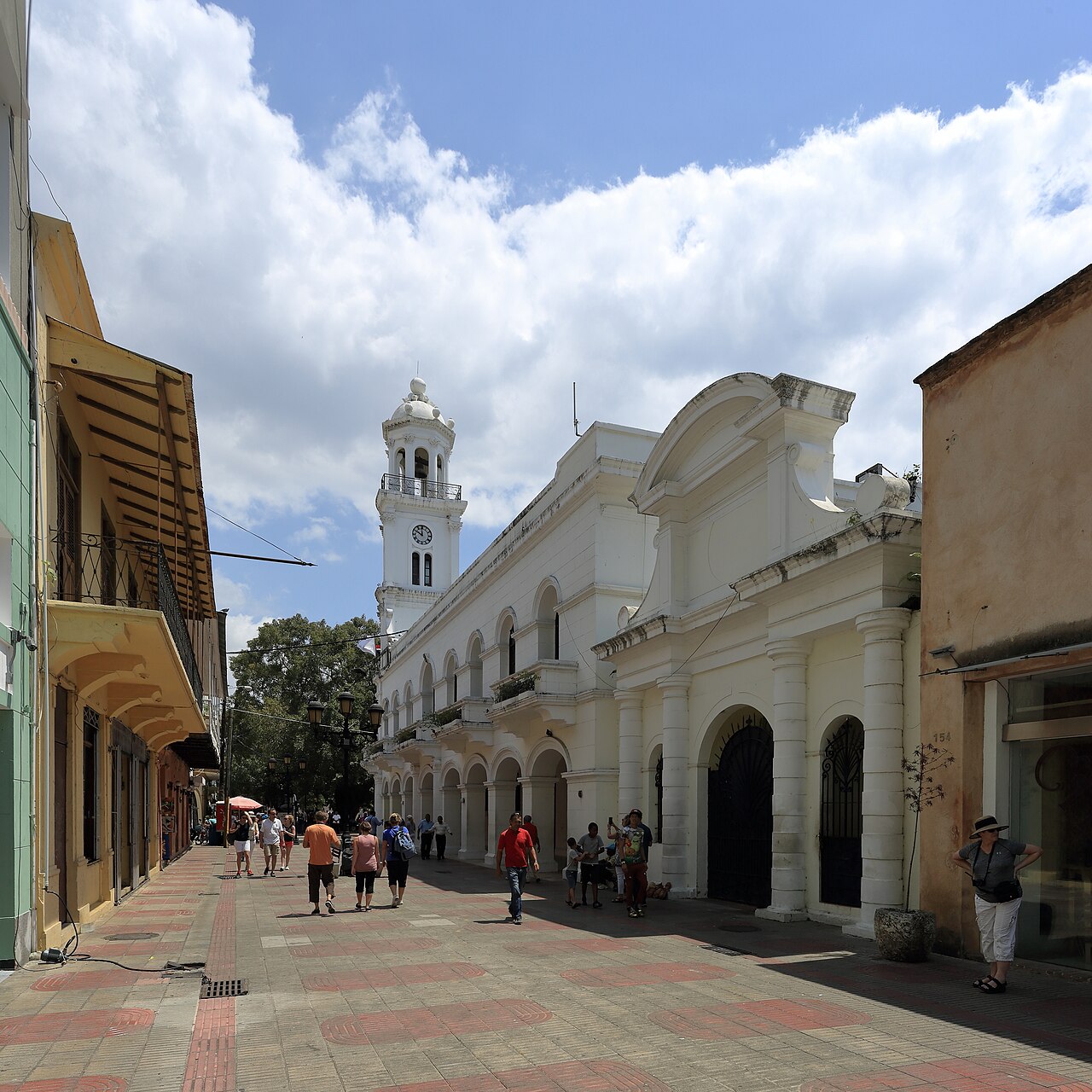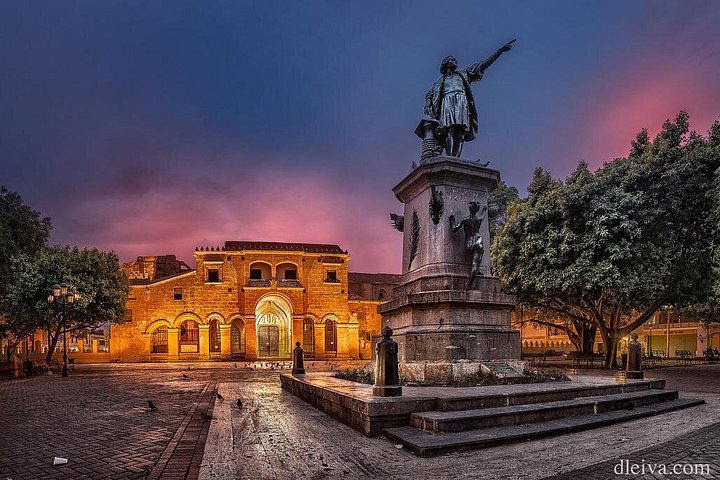
The Zona Colonial is the reason most travelers come to Santo Domingo. Founded by the Spanish in the 1490s and laid out on its present site in 1502 under Governor Nicolás de Ovando, the old town holds a run of American firsts within a few walkable blocks: the first cathedral, the first university, the first hospital, the first fortress and the first paved street. UNESCO listed it as a World Heritage Site in 1990, and unlike some preserved old towns it is still a living neighborhood, with schoolchildren in uniform, domino games on the corner and laundry on the balconies above the restored mansions. A guided walk is the best way to make sense of it. The streets look similar, the plaques are mostly in Spanish, and without a guide it is easy to walk past the ruins of the San Nicolás de Bari hospital or the doorway of the house Columbus’s son Diego once knew. The tour we link is a city tour with a history focus, and the guide threads the stops into a story: how the settlement was planned on a grid, how it became the springboard for Spanish expeditions to Mexico, Cuba and Peru, and why it declined once the gold ran out. Expect Parque Colón and the cathedral, the long cobbled run of Calle Las Damas, the Plaza de España in front of the Alcázar de Colón, and the stone walls of the Fortaleza Ozama, with the stories of pirates, earthquakes and hurricanes that shaped each one.
How to visit
Confirm the itinerary and the starting point when you book, because Santo Domingo city tours vary in length and in what they include. Some stay entirely on foot in the old town; others add a drive to the Columbus Lighthouse or the wider city. Interiors such as the cathedral and the museums may or may not be included in the tour price, so ask whether entry fees are covered and carry some cash for those that are not.
What to expect
The Colonial Zone is flat and compact, but the sun is strong and the cobbles are uneven. Start early, wear closed comfortable shoes, bring water and a hat, and cover shoulders and knees if you want to step inside the cathedral or other churches. Stops are short, typically a few minutes at each landmark, so keep your phone ready for photos and ask the guide about places you want to return to on your own afterward.
Making the most of it
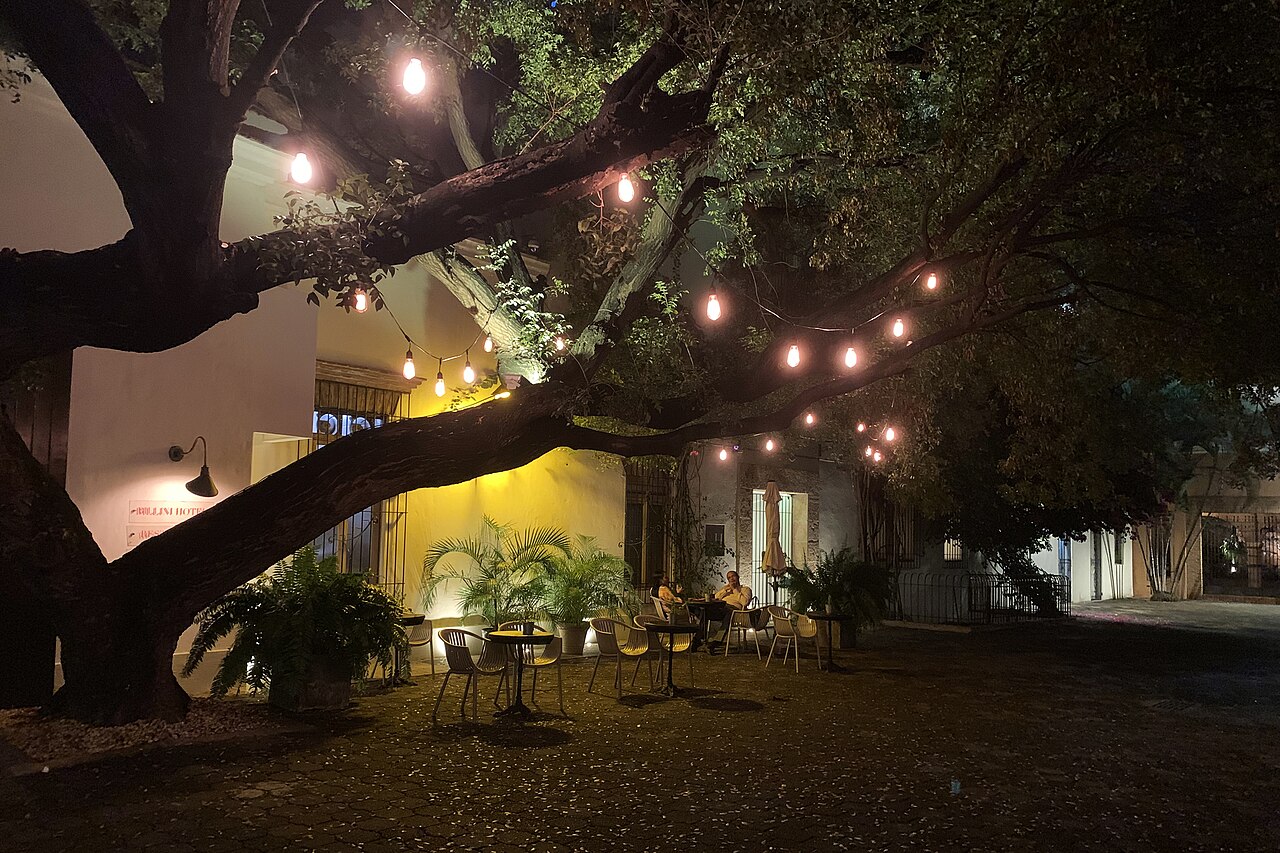
Take the walk on your first morning, then use the rest of your stay to revisit the sights that caught your eye, such as the Alcázar de Colón museum or a long lunch on a courtyard terrace. In the dry season from December to April the old town is pleasantly warm; summer afternoons can be humid with sudden showers, so a light rain jacket is worth packing.
Context worth knowing
The grid of streets you walk was one of the first planned towns of the Spanish empire, and its straight lines, central plaza and church placement became a template for colonial cities across Latin America. Many buildings were damaged by hurricanes and earthquakes and rebuilt, and a large restoration effort in the twentieth century returned the zone to its present look.
When the guide stops at a doorway or a wall, ask which parts are original and which were reconstructed, since the answer often reveals a good story. Bring a little cash for coffee or a cold drink on a shaded plaza, and take the chance to peek into open courtyards, which hold fountains and tropical gardens.
What to expect
The experience
A guided city tour centered on the Zona Colonial, the UNESCO-listed old town, with the main landmarks explained on foot.
Best time
Mornings from December to April, before the heat builds and before the cruise-day crowds.
How long
Plan on roughly half a day; check the exact length of the departure you choose.
Tips
Wear comfortable shoes for the cobbles, carry water, and cover shoulders and knees for church entries.
Quick picks
- Best for
- First-time visitors who want the story of the oldest European city in the Americas explained by a local guide.
- Families
- Good for school-age children who enjoy history, with shade breaks in the plazas.
- Couples
- A relaxed way to see the old town together before a long dinner in a courtyard restaurant.
- Pair with
- A walk along Calle El Conde or a visit to the Alcázar de Colón afterward.
- Time needed
- Half a day.
Good questions
What is the Zona Colonial?+
It is the historic heart of Santo Domingo, founded in the early 1500s and listed by UNESCO in 1990. It holds the first cathedral, fortress, hospital and paved street of the Americas.
Can I do the Colonial Zone on my own?+
Yes. The area is compact and walkable, and many sights have signs. A guide adds the stories and context that make the stones meaningful.
Is the Colonial Zone safe to walk?+
The main streets are busy with visitors and tourist police during the day. Use normal city sense after dark, keep valuables out of sight and check current travel advice before you go.
What should I wear?+
Light, breathable clothes and comfortable shoes. Cover shoulders and knees for churches, and bring sun protection.
When is the best time to go?+
The drier months from December to April are the most comfortable. Go early in the morning in any season.