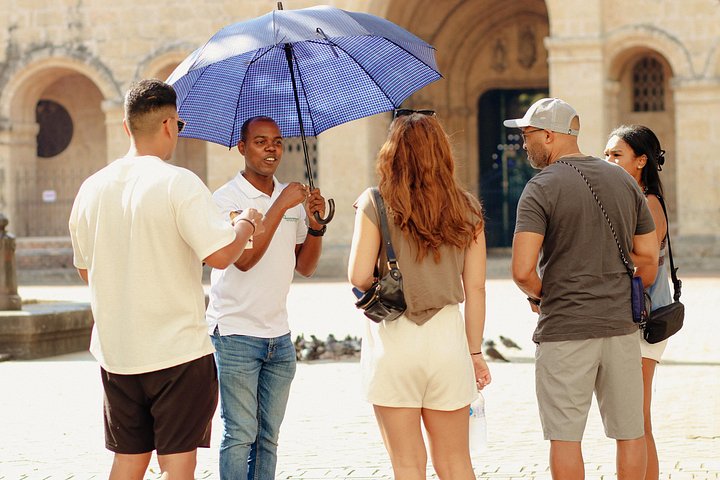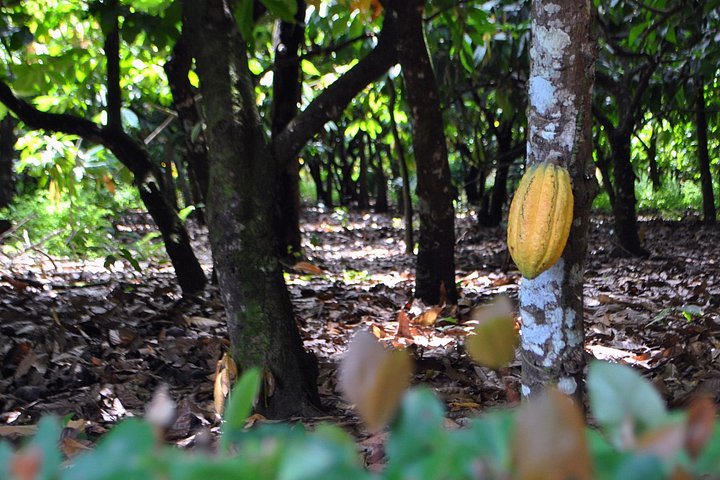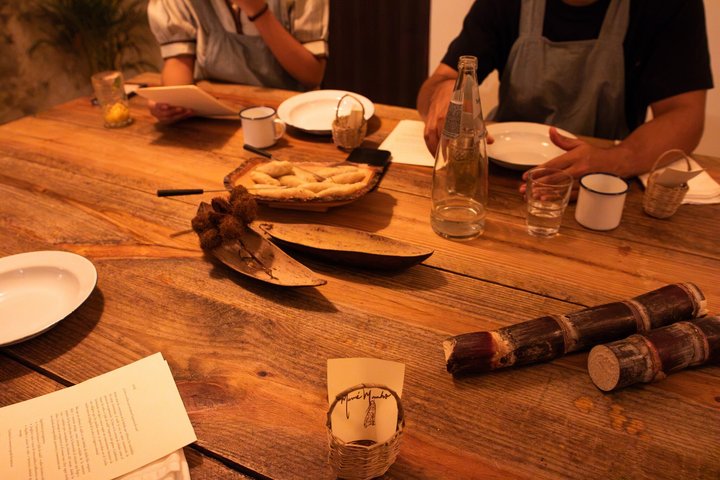
Dominican food is the story of the island on a plate. The Taíno people brought cassava, corn, peppers and techniques for smoking and slow cooking; enslaved Africans carried rice, plantains, yams and cooking traditions that shaped the island’s stews; and the Spanish added pork, wheat, olive oil and spices. A cooking class is one of the most enjoyable ways to learn how those influences came together. The class we link is a hands-on Afro-Taíno experience, so you cook alongside the host rather than just watching, and you finish with dinner. Typical dishes in a class like this include sancocho or another slow-cooked stew, rice with beans, fried or mashed plantains, and dishes using cassava, yuca or coconut. The host explains the ingredients, the techniques and the history behind each dish, and you may learn how to prepare sofrito, the aromatic base of many Dominican meals. The tone is relaxed and social, with plenty of tasting along the way, and the evening ends around a table where everyone sits down to eat what they have made. The menu varies, so ask which dishes are planned when you book.
How to visit
Classes are usually booked for an evening session and may meet in a home or a small kitchen studio. Confirm the address, the start time and the menu in advance, and tell the host about allergies, vegetarian needs or foods you cannot eat. Wear comfortable clothes you do not mind splashing, and closed shoes if you are cooking near hot surfaces.
What to expect
Groups are normally small, and everyone gets a turn at chopping, stirring and seasoning. Alcohol such as local rum or beer may be offered or sold separately, so check what is included. You will receive tips and recipes to try at home, and many hosts happily answer questions about where to shop for ingredients and how to adapt dishes.
Making the most of it
Schedule the class early in your trip and use what you learn to order more confidently in restaurants. Pair it with a market or neighborhood tour to see the ingredients before you cook with them, and bring an appetite, since portions are generous.
Context worth knowing
Many Dominican dishes rely on a few staple flavors, including garlic, oregano, cilantro, bell pepper, onion and the sour tang of citrus, and learning to balance them is the key to the cuisine. Sofrito, a blended base of aromatics, is the starting point for many stews, while coconut and cassava show the older Taíno and Caribbean heritage.
If you like to cook at home, ask the host which ingredients are easy to find in your own country and what substitutions work. Take notes or photos of the steps, and consider buying spices or cassava products at a local shop on your way home. The class is as much about conversation as about cooking, so come curious and hungry.
Practical notes
Wear closed shoes and tie back long hair, as the kitchen may be warm and busy. Bring a notebook or use your phone to record the recipes, and ask the host to write down measurements, which are often given by eye rather than by weight. If you are celebrating a birthday or anniversary, mention it when you book, since hosts may add a small touch. Arrive on time, because the cooking is paced in steps, and plan transport home, since the class may end after dark.
What to expect
The experience
A small-group, hands-on class cooking Dominican dishes, followed by a sit-down dinner.
Best time
Evening, as an end to a day of sightseeing.
How long
About three to four hours; confirm the start time and length.
Tips
Mention allergies and dietary needs when you book, and wear clothes you do not mind getting messy.
Quick picks
- Best for
- Food lovers who want to learn the roots and techniques of Dominican cooking.
- Families
- Good for older children who enjoy cooking; ask about age limits.
- Couples
- A fun, social evening that ends with a shared meal.
- Pair with
- A neighborhood food tour or a market visit.
- Time needed
- An evening.
Good questions
What does Afro-Taíno mean?+
It refers to the blend of Taíno and African influences, alongside Spanish ones, that shapes Dominican cooking.
Will I cook or just watch?+
The class is described as hands-on, so you take part in preparing the dishes.
Is dinner included?+
The tour is titled as a class and dinner, so you eat what you cook. Confirm drinks when you book.
Can vegetarians join?+
Dominican food is meat-heavy, but many hosts can adapt. Mention dietary needs when you book.
Will I get the recipes?+
Hosts often share recipes and tips, but ask in advance if you want them.