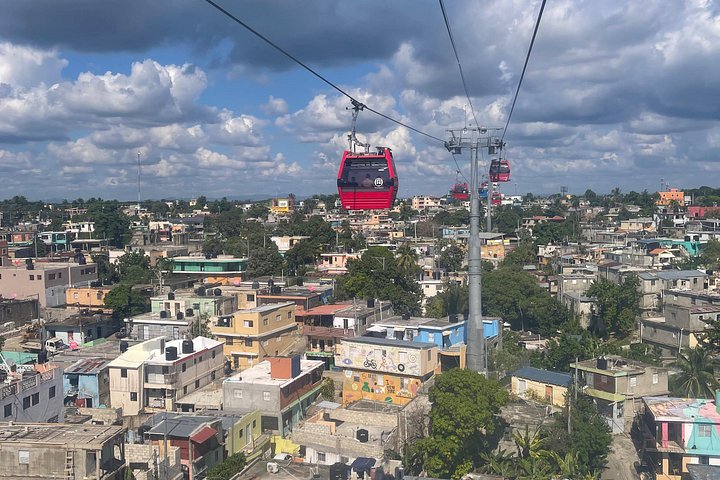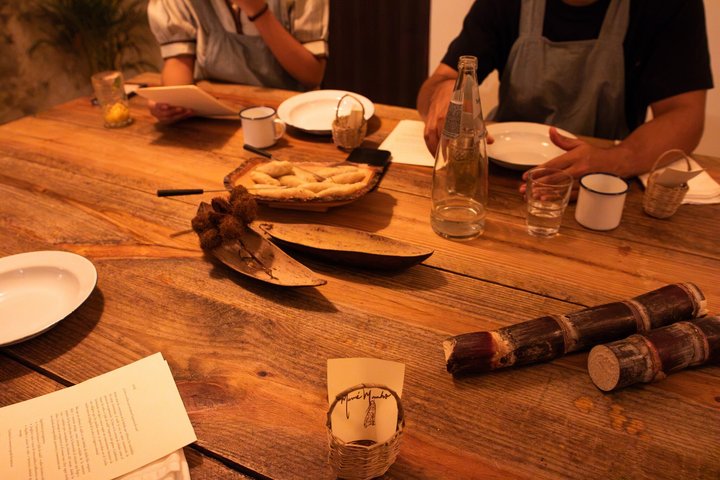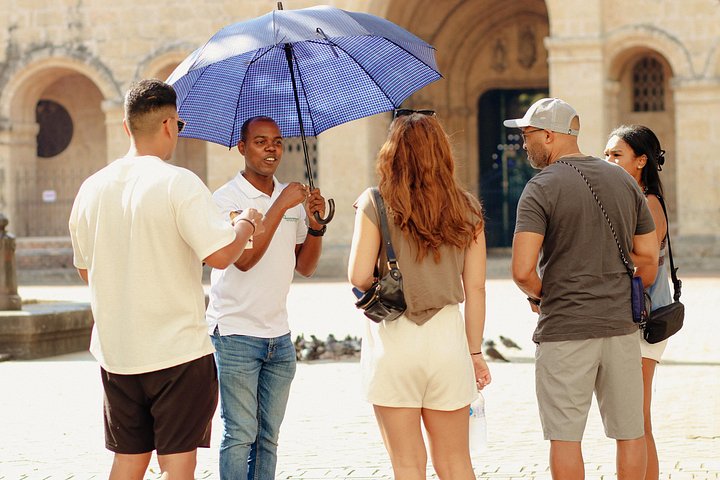
Santo Domingo is a capital of nearly three million people, and most of the city’s life happens far from the guidebook sights. This neighborhood tour takes you into that everyday world, with a local guide who knows the streets, the vendors and the best places to stop for a bite. The route typically moves through lively commercial streets and residential blocks, past colmados, the tiny corner shops that serve as grocery, bar and social club, and through markets where fruit, fish and herbs are piled high and prices are called out in a rush of Spanish. Along the way you taste local specialties. Think fried street snacks such as yaniqueques and empanadas, fresh tropical fruit, strong Dominican coffee, and perhaps a plate of rice, beans and meat at a family eatery. The guide explains how Dominican food blends Taíno, African and Spanish influences, why plantains and cassava feature so strongly and how neighborhood life revolves around the colmado. The itinerary can vary, so check which stops are included, but the spirit is the same: a relaxed, curious walk that gives you a feel for how people live, eat and talk in the capital.
How to visit
Confirm the meeting point and duration when you book, and tell the operator about allergies or dietary needs. Wear comfortable shoes, light clothes and sun protection, and bring a bottle of water and a little cash for extra snacks or small souvenirs.
What to expect
Expect noise, color and movement. Streets can be crowded, sidewalks are uneven and traffic is busy, so stay with the group. Food portions are usually generous, so arrive hungry rather than full. Ask questions, since guides on this kind of tour love to talk about daily life, politics, baseball and music.
Making the most of it
Schedule this tour early in your stay so you can return to places you liked. If you enjoy cooking, pair it with a cooking class, and if you enjoy history, combine it with a morning in the Colonial Zone. Afternoon showers are common in summer, so a light rain jacket helps.
Context worth knowing
Much of Dominican social life happens in public, on porches, in doorways and at colmados, and a walk through ordinary streets lets you see that rhythm up close. Markets sell fruit you may not know, such as chinola, or passion fruit, zapote and níspero, and the stall holders are happy to explain how to eat them.
Vendors may call out prices in fast Spanish, and a smile and a few phrases make a good impression. Keep small bills handy for snacks, and carry a small bag for purchases. If something looks unfamiliar, ask your guide before trying it, and take your time at stops, because the conversations are as important as the food.
Practical notes
Ask whether bottled water is included and how many tastings to expect, so you can plan the rest of your day. Wear a hat and comfortable shoes, and carry a small bag for any purchases. Wipe your hands before tasting street snacks, and carry a small packet of tissues. If you have a delicate stomach, start with cooked foods, and drink bottled water. Keep your phone secure in busy markets, and take photos only with permission when people are in the frame.
What to expect
The experience
A guided walk through local streets and markets with tastings of Dominican snacks and drinks.
Best time
Morning to early afternoon, when markets are busiest.
How long
About three hours; confirm the length of the departure.
Tips
Arrive hungry, tell the operator about dietary needs and carry water and a little cash.
Quick picks
- Best for
- Food-curious travelers who want to see how locals eat and live.
- Families
- Fine for children who like to try new foods; the streets are busy.
- Couples
- A relaxed, tasty way to spend a morning.
- Pair with
- A cooking class or a Colonial Zone walk.
- Time needed
- Half a day.
Good questions
What is a colmado?+
It is a small neighborhood shop that sells groceries, drinks and snacks and often doubles as a social hub with music and dominoes.
What will I taste?+
Typically local snacks, fresh fruit, coffee and a Dominican plate. The exact menu depends on the departure.
Is it suitable for vegetarians?+
Dominican food is meat-heavy, so mention vegetarian needs when you book so the guide can plan.
How much walking is involved?+
A few hours of easy walking on uneven pavements. Wear comfortable shoes.
Do I need Spanish?+
No. The guide translates and explains, but a few Spanish phrases are always appreciated.