Hokkaido is Japan's larder, and Sapporo is where its dairy, seafood, vegetables and lamb come together in a city of casual, affordable restaurants. You can eat very well here without booking a single table. This guide covers the dishes to look for, the districts to eat in and the habits that make dining easier. Prices are in yen, and no exact figures are given because they change.
Miso ramen
Sapporo is the home of miso ramen, a rich, savoury broth served with thick, curly noodles, often topped with corn, butter, bean sprouts and pork. It is a perfect cold-weather dish, hearty enough to count as a full meal. Susukino has a famous cluster of small ramen counters in its Ramen Alley, which is the easiest place to compare styles, and ramen is traditionally eaten late, after drinks. Counters are small and some use a ticket machine at the door: pick your bowl, pay at the machine and hand the ticket to the cook. Slurping is normal, and a queue at a popular shop is a good sign rather than a warning.
Seafood at Nijo Market
The seafood of Hokkaido is among the best in Japan, and Nijo Market in the city centre is the easiest place to taste it. Look for rice bowls piled with salmon roe, sea urchin, scallops and crab, and for stalls where you can choose your own toppings. Go in the morning, when the choice is best and the market is liveliest, and treat it as brunch rather than dinner. Prices vary a lot with the season and the topping, so check the board before you order. Crab restaurants in the centre serve it grilled, boiled or as a set course, and are a treat for a special evening.
Soup curry and grilled lamb
Soup curry is a Sapporo speciality: a thin, aromatic, spiced soup with large pieces of vegetables and chicken or other meat, served with rice. You choose the spice level, so start mild if you are unsure. Jingisukan, grilled lamb cooked on a domed pan with vegetables, is the other local classic, often eaten at a table with a smoky, convivial atmosphere. Many restaurants around Susukino serve it, and some hotels in the area sit within a minute of a lamb restaurant. Wear something you do not mind smelling of smoke.
Beer and drinking culture
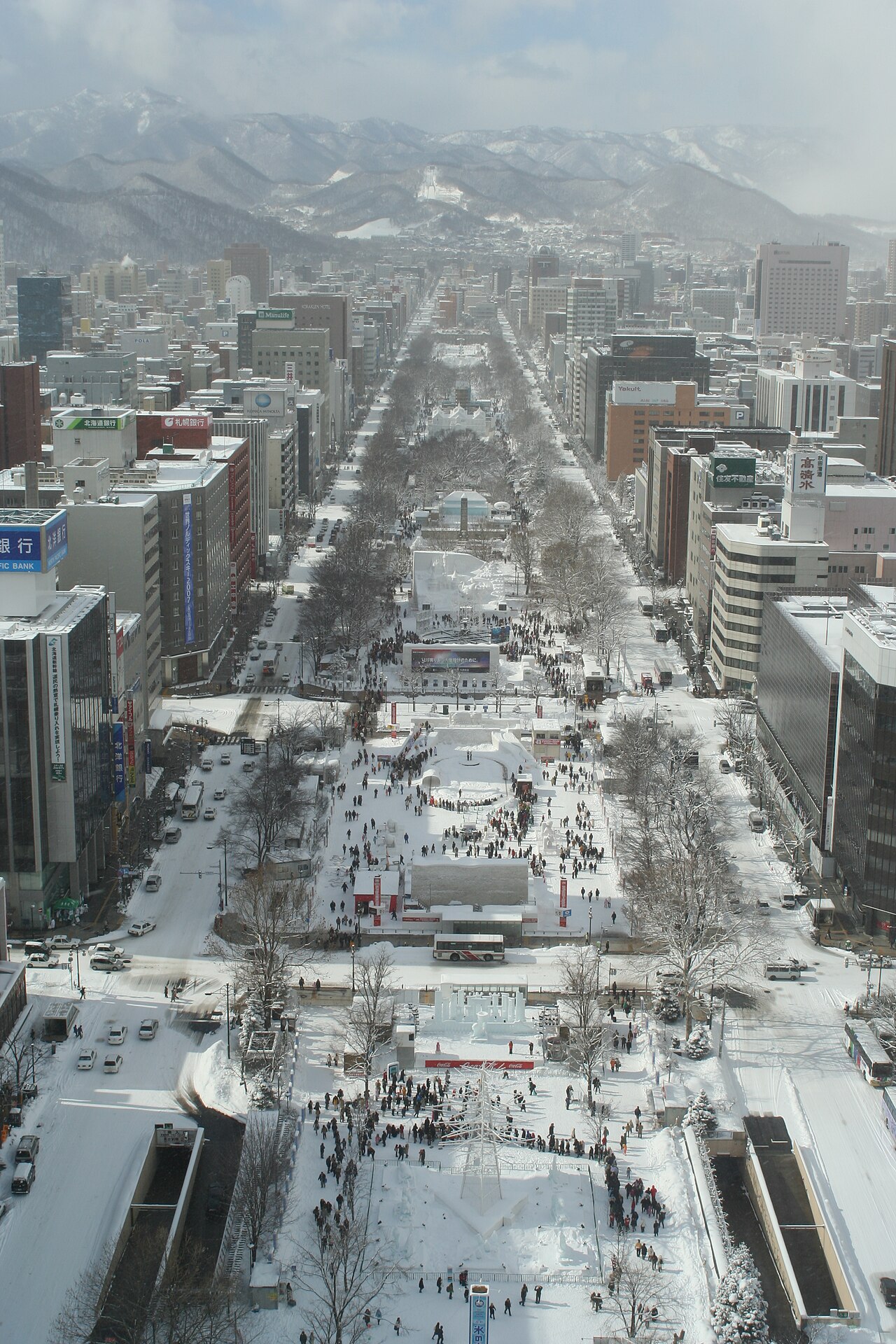
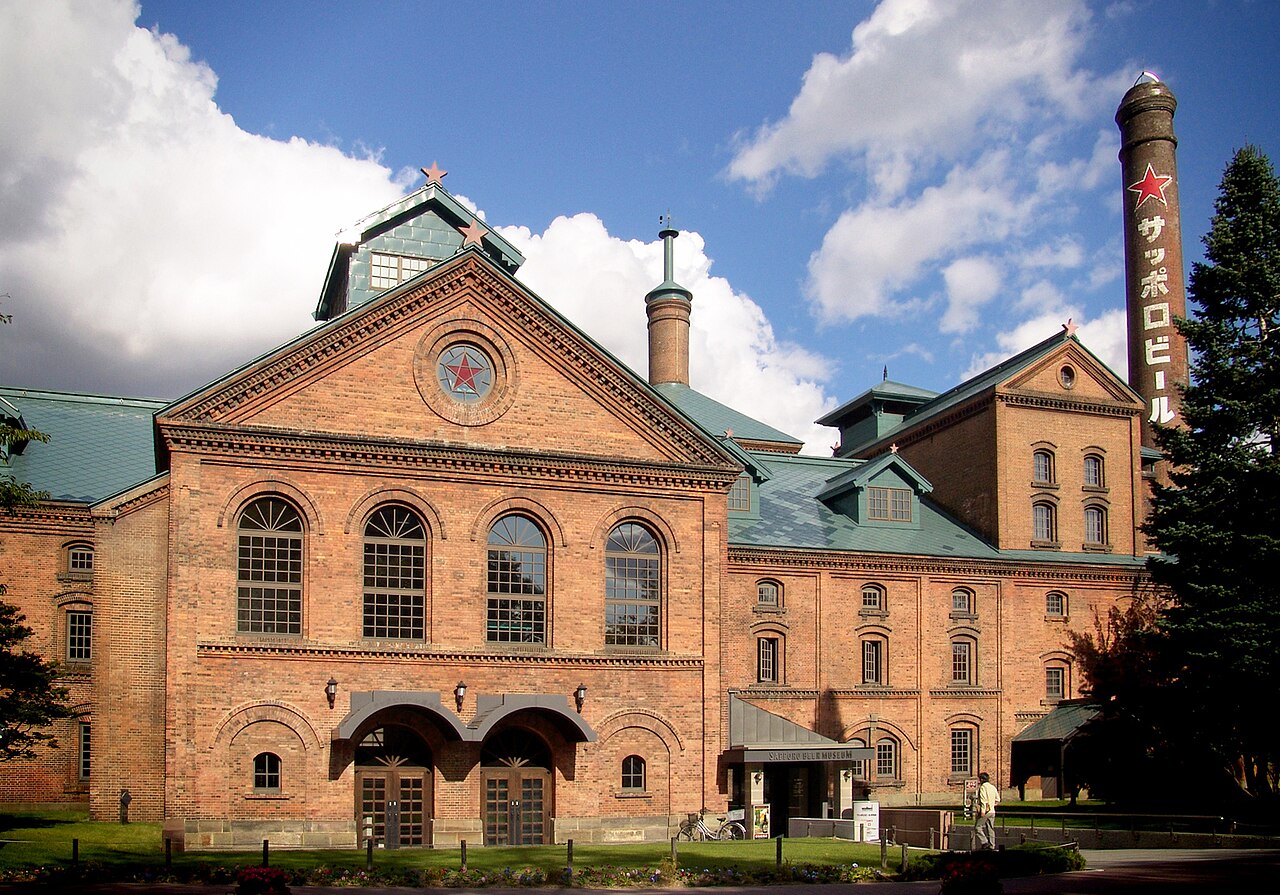
Sapporo is Japan's best-known beer city, and the red-brick Sapporo Beer Museum gives the history, with a tasting room at the end of the self-guided route. A beer sold only in Hokkaido is a popular souvenir. In summer, beer gardens open in Odori Park, and an evening there with grilled food is a local ritual. Susukino is the heart of the nightlife, with izakaya, whisky bars and sushi counters. Many Sapporo people finish an evening with a late ramen or a parfait, a custom that visitors quickly adopt.
Sweets and dairy
Hokkaido milk, butter and cream turn up in soft-serve ice cream, cheesecake, cream puffs and the famous white-chocolate sandwich biscuits sold across Japan. Shiroi Koibito Park, on the western side of the city, shows how those biscuits are made and has a cafe and shop. Department-store food halls under the station are the easiest place to buy gifts, including boxed sweets that travel well.
Breakfast and coffee
Hotel buffets in Sapporo often feature local seafood, dairy and vegetables, and a good one can be a highlight. Outside the hotel, bakeries and cafes around the station and the park serve fresh bread, pastries and strong coffee, and department-store food halls sell prepared lunches for a picnic. If you want a market breakfast, Nijo Market is the obvious choice. A short walk with a coffee through Odori Park before the crowds arrive is one of the pleasures of a Sapporo morning.
Eating etiquette and tips
Say a quick thanks when you sit and when you leave. Tipping is not expected. Many small counters take cash only, so carry some yen. Do not walk and eat in crowded market lanes, but stand at the stall. If you are vegetarian, ask carefully, because broths often contain pork or fish. Lunch sets are a good value and fill the same restaurants that charge more at night. If you plan to drink, use the subway or a taxi rather than driving.
Where to base yourself
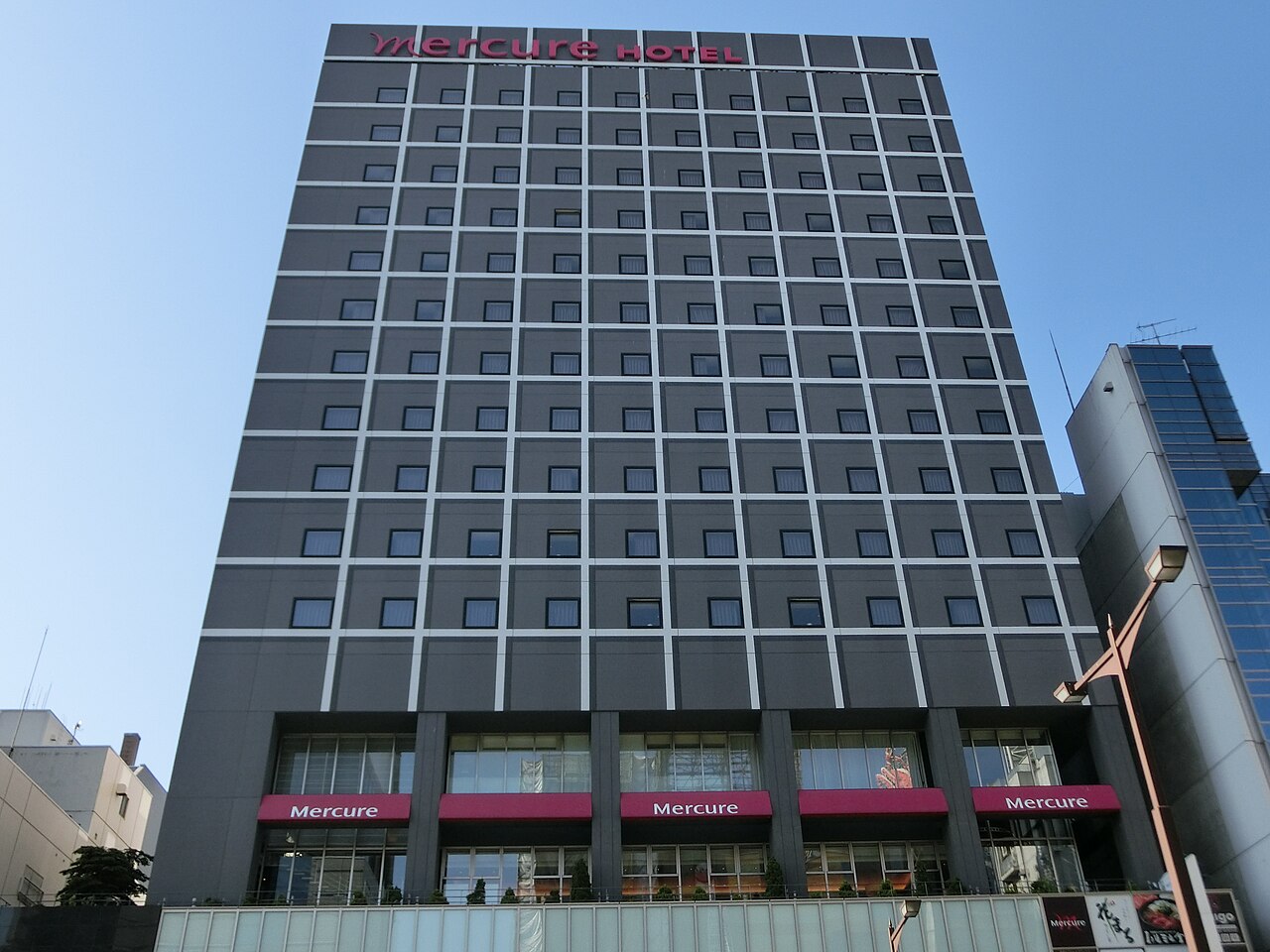
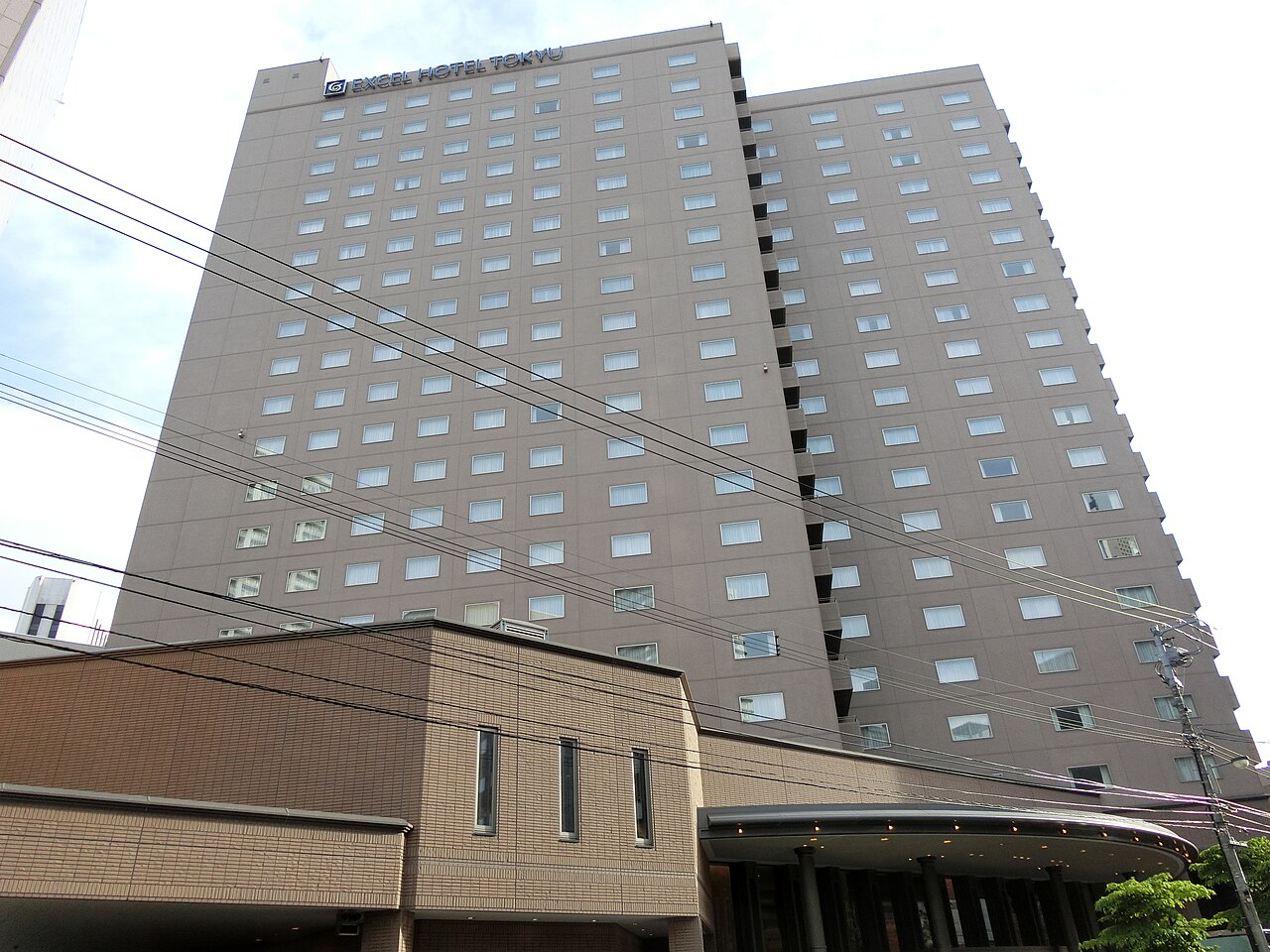
Staying in Susukino puts you within a short walk of ramen, lamb and sushi, while a station hotel gives easy access to department-store food halls and restaurants in the JR Tower. Both work well for a food-focused stay.