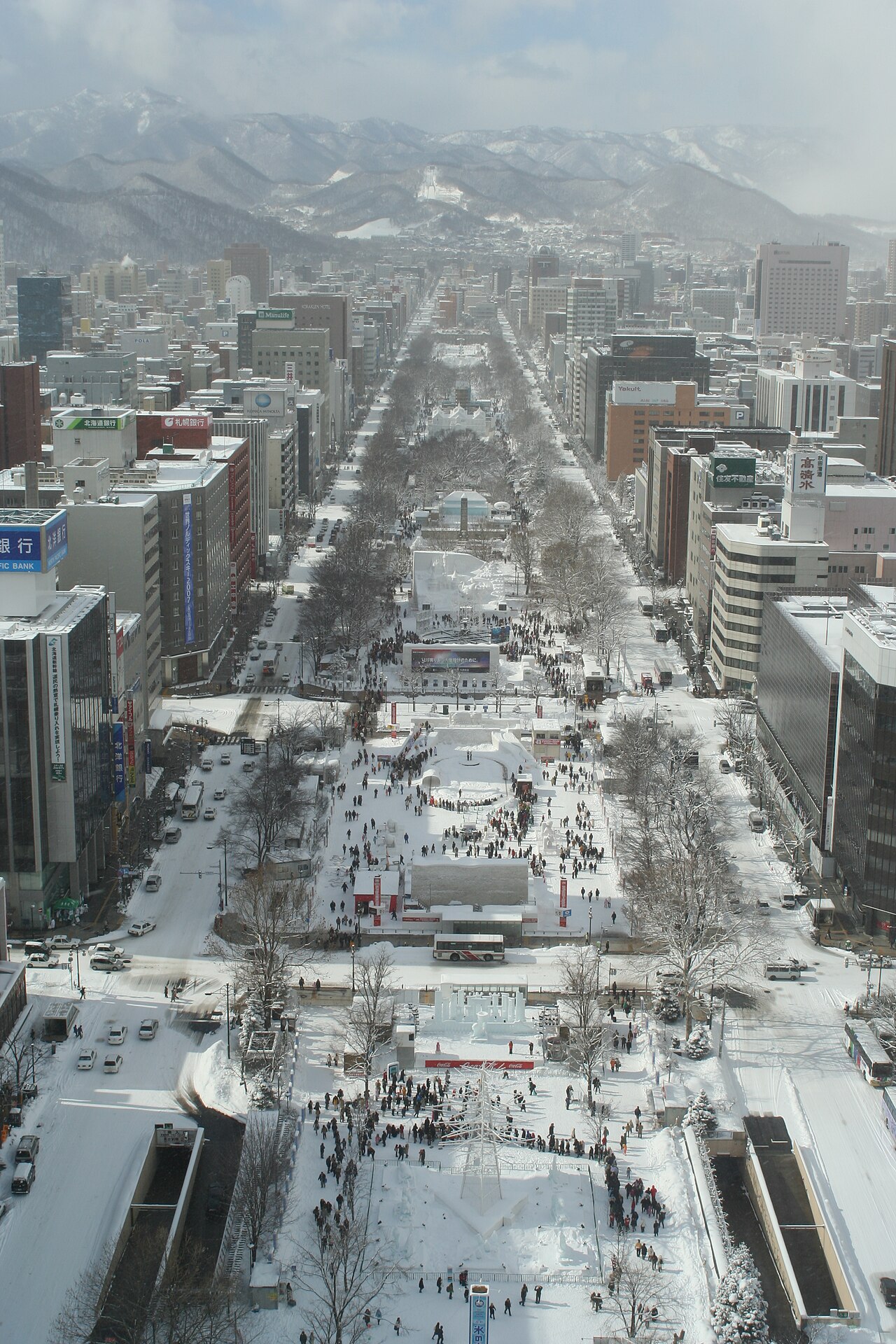
Sapporo is the capital of Hokkaido and the northern island's easiest front door, a wide, gridded city with a park through its middle, famous ramen and seafood, and snow for much of the year. It is compact enough to see on foot and by subway, with several excellent day trips close by. This guide covers what to book, how to move around, how long to stay and how the main sights fit together.
What to book ahead
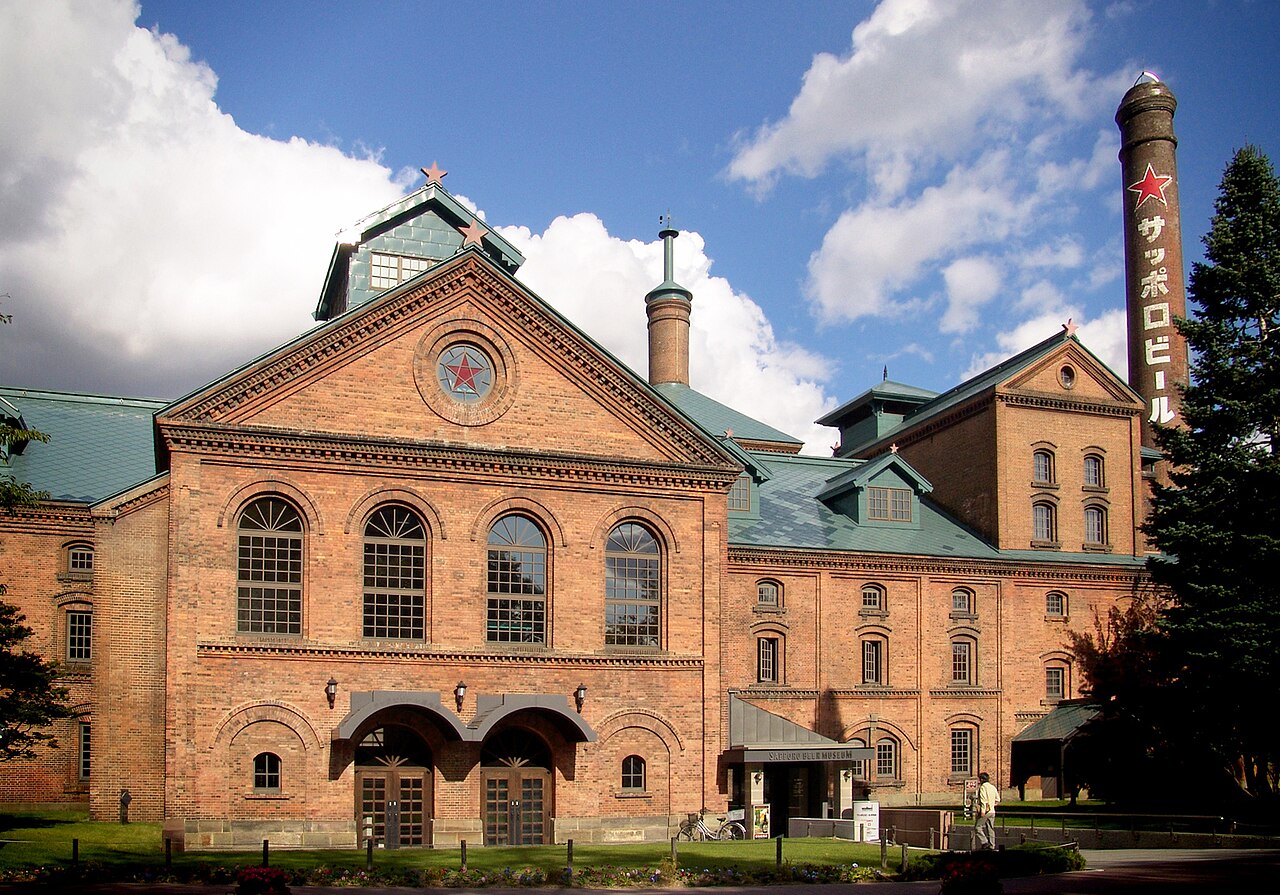
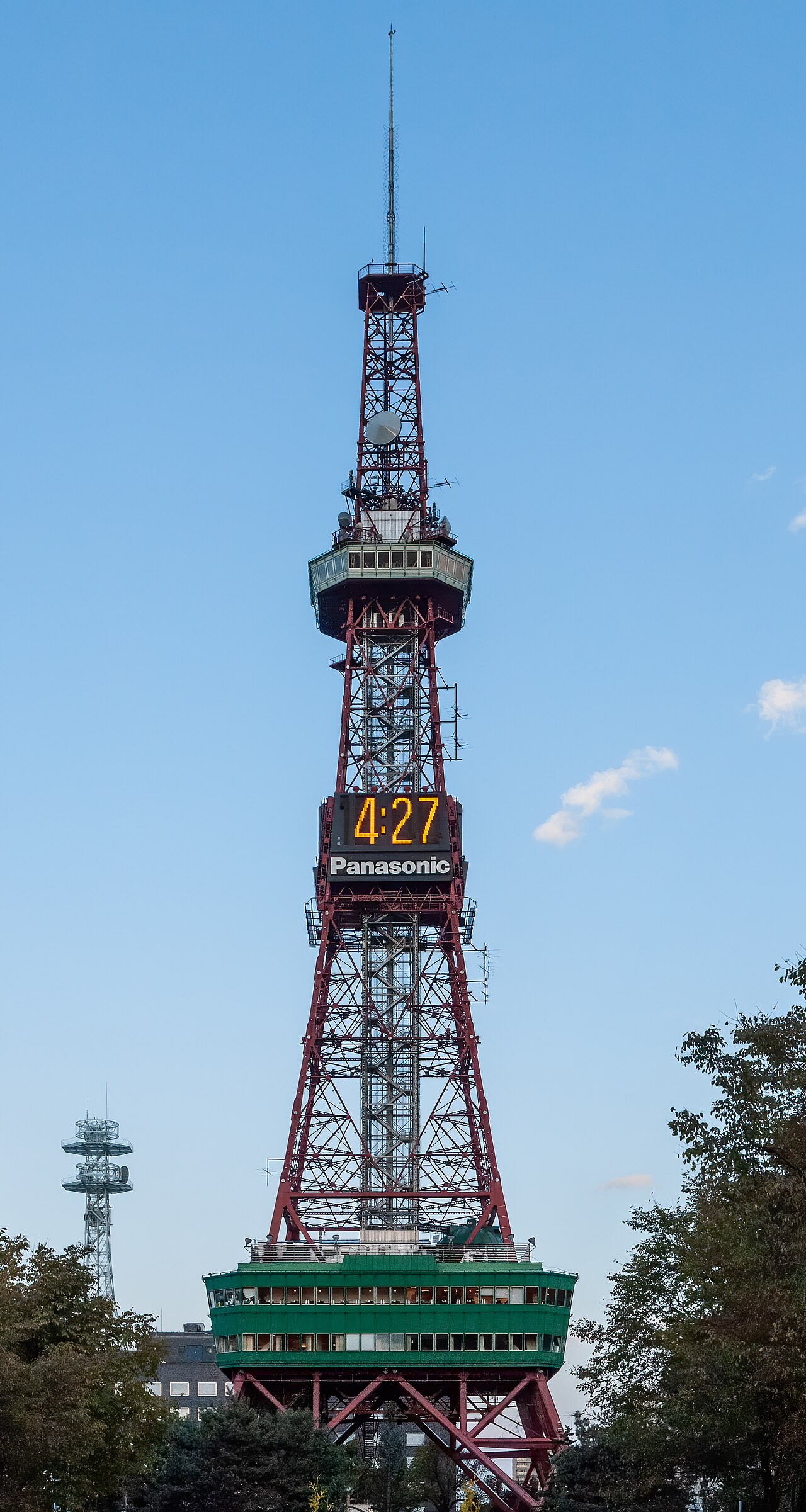
Very little needs booking. Advance tickets are useful for the Sapporo TV Tower and the JR Tower T38 observation deck, especially at dusk or during the Snow Festival, and for the AOAO SAPPORO aquarium on weekends. The beer museum's self-guided route needs no booking, but its guided premium tour is in Japanese and must be reserved. Ski lessons at Sapporo Teine need booking, particularly private lessons. The biggest booking of all is your hotel: the Snow Festival in early February, published for 4 to 11 February 2027, fills the city months ahead.
Getting around
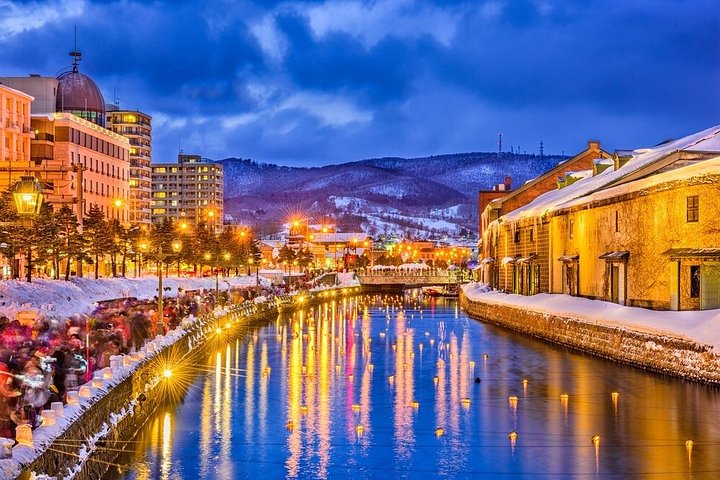
Sapporo has three subway lines that meet at Odori and Sapporo Stations, a streetcar loop in the southwest and good bus services. Buy a rechargeable transit card and tap on and off. The centre, from Sapporo Station through Odori Park to Susukino, is walkable, and in winter underground passages link the station, Odori and Susukino. Day trips run by train: Otaru is well under an hour from Sapporo Station, and a direct bus runs to Jozankei. New Chitose Airport is about 40 minutes by rapid train.
How many days
Two full days cover the city highlights, three give you a day trip, and four add a second. A good first day takes in Odori Park, the TV Tower, Nijo Market for lunch and Susukino for ramen at night. A second day goes east to the Sapporo Beer Museum and the Historical Village of Hokkaido, or west to Shiroi Koibito Park, with the JR Tower deck or Mt. Moiwa at night. A third day is for Otaru, with its canal and Music Box Museum, or a soak at Jozankei.
Where the headline sights fit
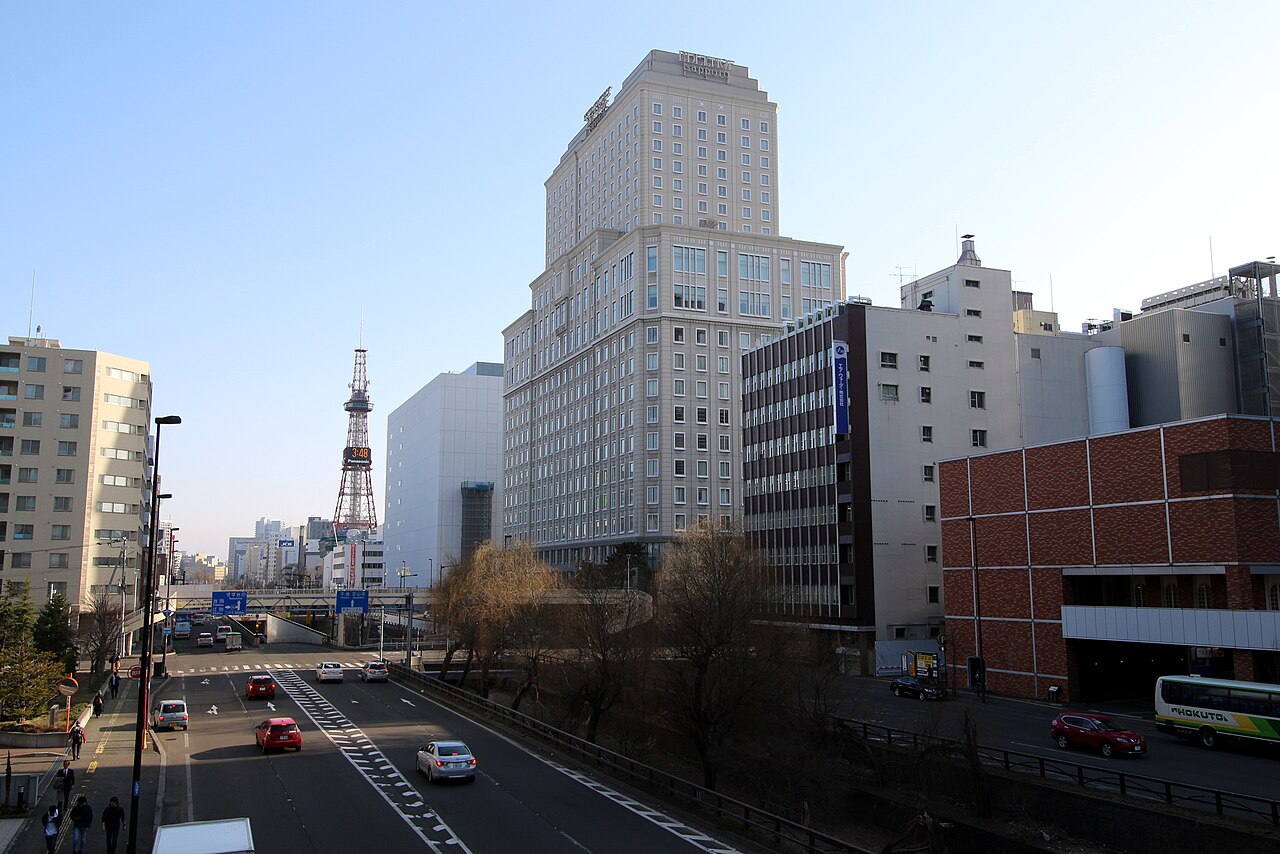
The centre holds Odori Park, the TV Tower, the JR Tower and Nijo Market. Susukino to the south is the food and nightlife district, with Ramen Alley and the aquarium. The beer museum and Historical Village lie east, Shiroi Koibito Park west, and Mt. Moiwa on the southwest edge. Otaru is northwest on the coast, and Jozankei is in the mountains to the southwest. Group sights by direction to avoid doubling back.
When to go
Sapporo changes dramatically with the seasons. Early February brings the Snow Festival and deep cold, summer is mild and bright with beer gardens in Odori Park, and October brings autumn colour. November sits between autumn and the ski season: the leaves have mostly fallen, snow can arrive, and ski areas typically open from late November or December. Sapporo Teine lessons run from early December to late March, so plan skiing for winter. Pack warm layers and waterproof boots from November onward.
Eating well
Try miso ramen, seafood rice bowls at Nijo Market, soup curry, grilled lamb and Hokkaido dairy and sweets. Late-night ramen is a local ritual. Carry some cash for small counters, although cards are widely accepted.
Final tip
Choose one hotel near Sapporo Station or Odori Park and use trains for day trips. With the sights grouped by direction, Sapporo is easy, friendly and memorable in any season.