Three days is the sweet spot for Sapporo. It gives you time for the city's main sights, a proper ramen night and a day trip, without rushing. The plan below groups the sights by direction so that you spend your time looking rather than riding the subway, and it works in any season with small changes. Prices are in Japanese yen, and a rechargeable transit card makes the subway and buses simple.
Day one: the centre on foot
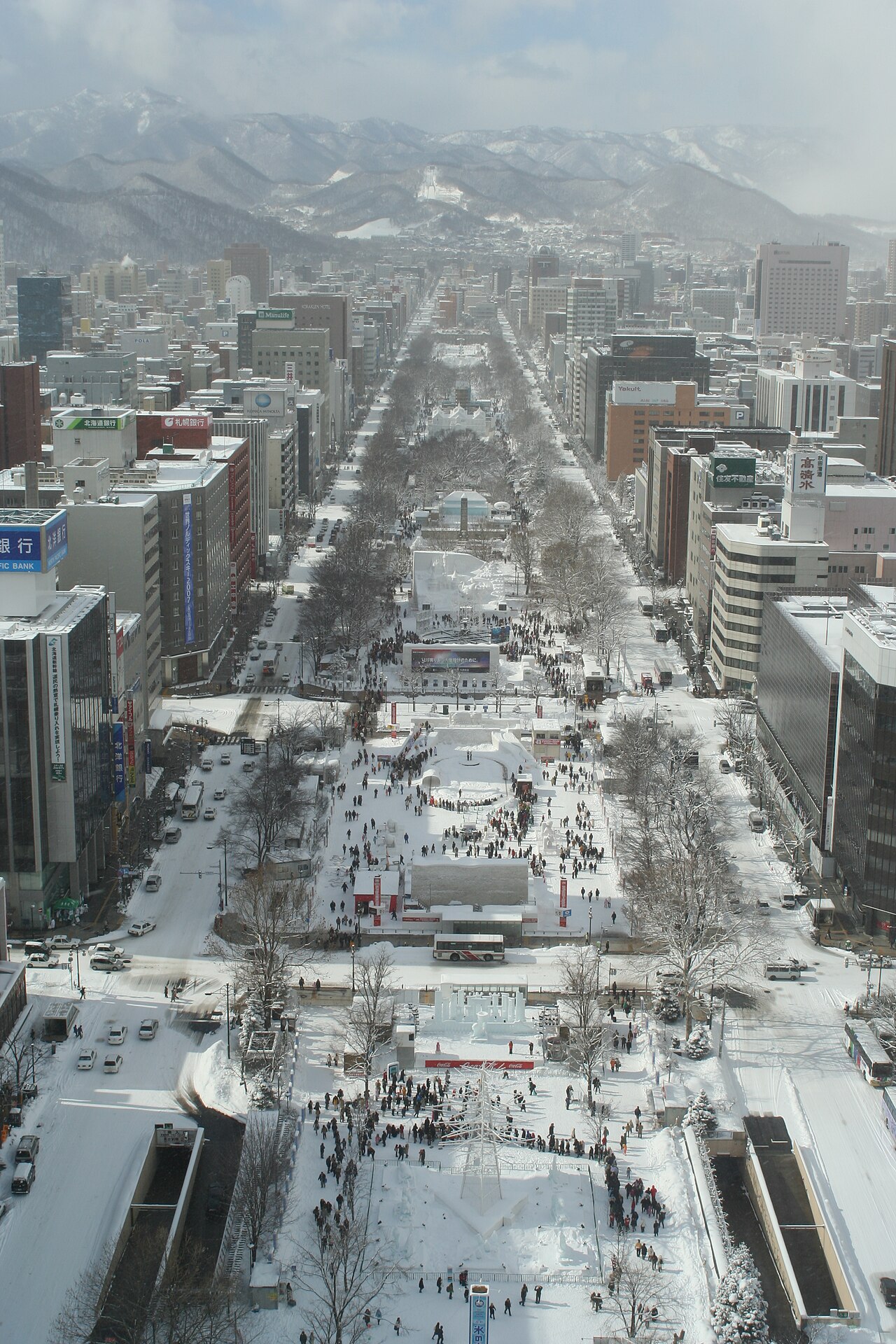
Start in Odori Park, the long green strip that divides the city's grid into north and south. Walk its length, past the fountains and flower beds, and climb the Sapporo TV Tower for a first view of the street plan. From there it is a short walk to Nijo Market, where seafood rice bowls make an ideal late lunch. Spend the afternoon browsing the covered shopping arcades of Tanukikoji, then visit the compact AOAO SAPPORO aquarium if the weather is cold or wet. For the evening, choose between the JR Tower observation deck at dusk and a ramen dinner in Susukino. If you only have energy for one, take the deck at sunset and eat late, because Susukino stays busy long after dark.
Day two: beer, history and chocolate
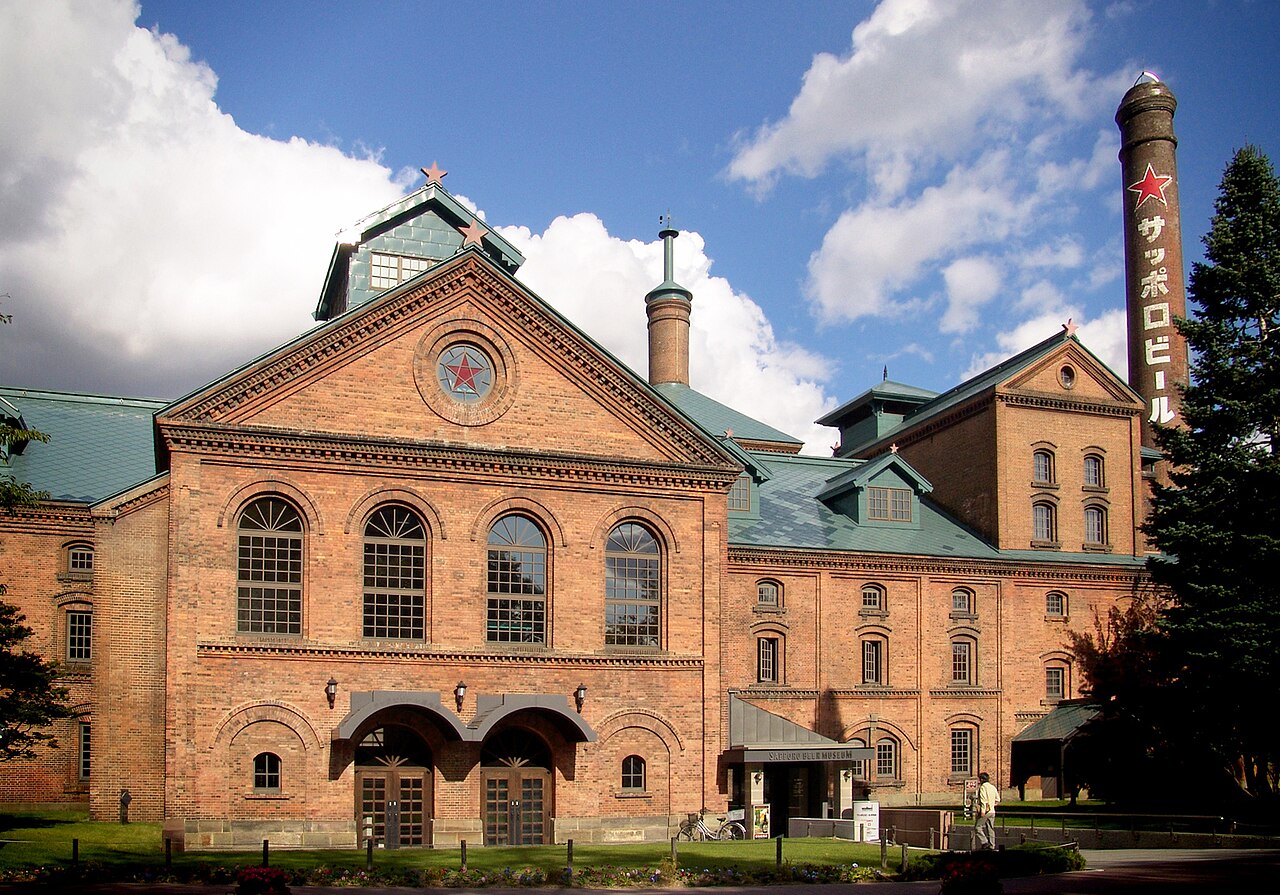
Head east in the morning to the Sapporo Beer Museum, set in the red-brick former brewery where the city's best-known beer was first made. The self-guided route is short and ends with a tasting area, so plan to arrive before lunch and eat nearby. In the afternoon, continue to the Historical Village of Hokkaido, an open-air museum of relocated buildings that shows how the island was settled. If you prefer something sweeter, spend the afternoon instead at Shiroi Koibito Park on the western side of the city, where a chocolate-themed attraction explains how the famous biscuits are made. Return to the centre for dinner, and take the Mt. Moiwa ropeway after dark if the sky is clear, as the night view from the summit is one of the best in Hokkaido.
Day three: choose a day trip
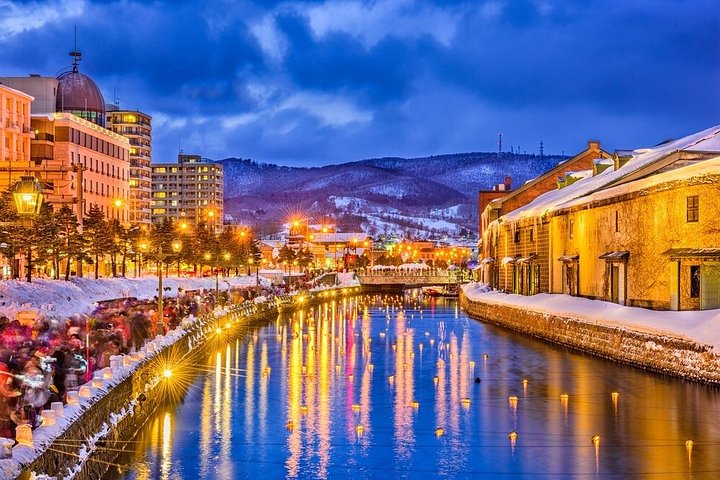
The easiest is Otaru, a canal town on the coast that you can reach by train in well under an hour from Sapporo Station. Walk the canal, browse the glass and music box shops and eat sushi, then return in the evening. If you would rather soak than shop, take a bus to Jozankei, a hot-spring village in a mountain valley, and spend the day in a public bath. In winter, swap the day trip for a ski lesson at Sapporo Teine, which is close enough to reach in a morning. For a longer excursion with a guide, a coach tour to Noboribetsu and Lake Toya or to Asahiyama Zoo fills a full day.
A slower alternative
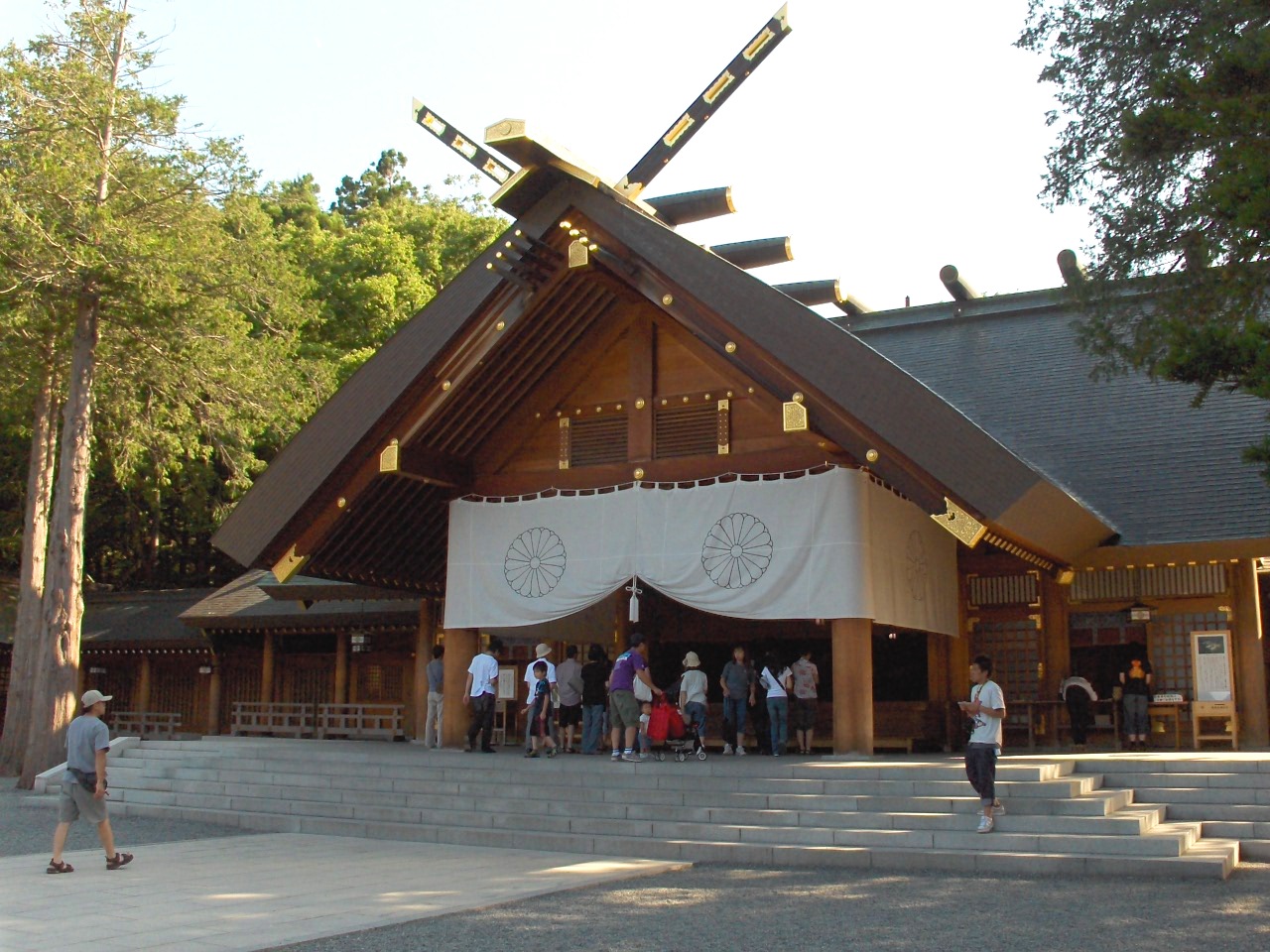
If your pace is relaxed, spend the morning of day three at Hokkaido Shrine and Maruyama Zoo, which sit side by side on the western edge of the centre and are easy for families. The shrine is free and the zoo is a comfortable half-day, so you can finish with lunch in the park and an afternoon of shopping.
Practical tips
Plan indoor stops for cold or snowy afternoons, because underground passages link Sapporo Station, Odori and Susukino and keep you out of the weather. Carry some cash for small restaurants and market stalls, although cards are widely accepted. Wear shoes with good grip from late autumn until spring, and pack layers, because buildings are well heated. Eat early at popular ramen shops or accept a short queue. Tipping is not expected anywhere in Japan, and a polite thank you is enough.
Seasonal tweaks
In summer, add an evening in the Odori Park beer gardens and a longer afternoon outdoors, because daylight lasts late and the weather is mild. In autumn, walk the park and the shrine grounds for colour. In winter, shorten the outdoor stops, use the underground passages between the station, Odori and Susukino, and add a hot-spring soak. In the Snow Festival week, expect crowds at Odori Park and plan the rest of the day around quieter indoor sights such as the aquarium or the observation deck.
How to pace it
Sapporo rewards an unhurried rhythm. Start mornings with a market breakfast or a hotel buffet, schedule one major sight before lunch, leave the middle of the afternoon free for shopping or a rest, and keep the evening for food. If your feet are tired, take the subway for one or two stops, because the distances between districts are longer than they look on a map. Trying to fit in a second day trip usually costs you more in travel than it gives back.
Where to stay
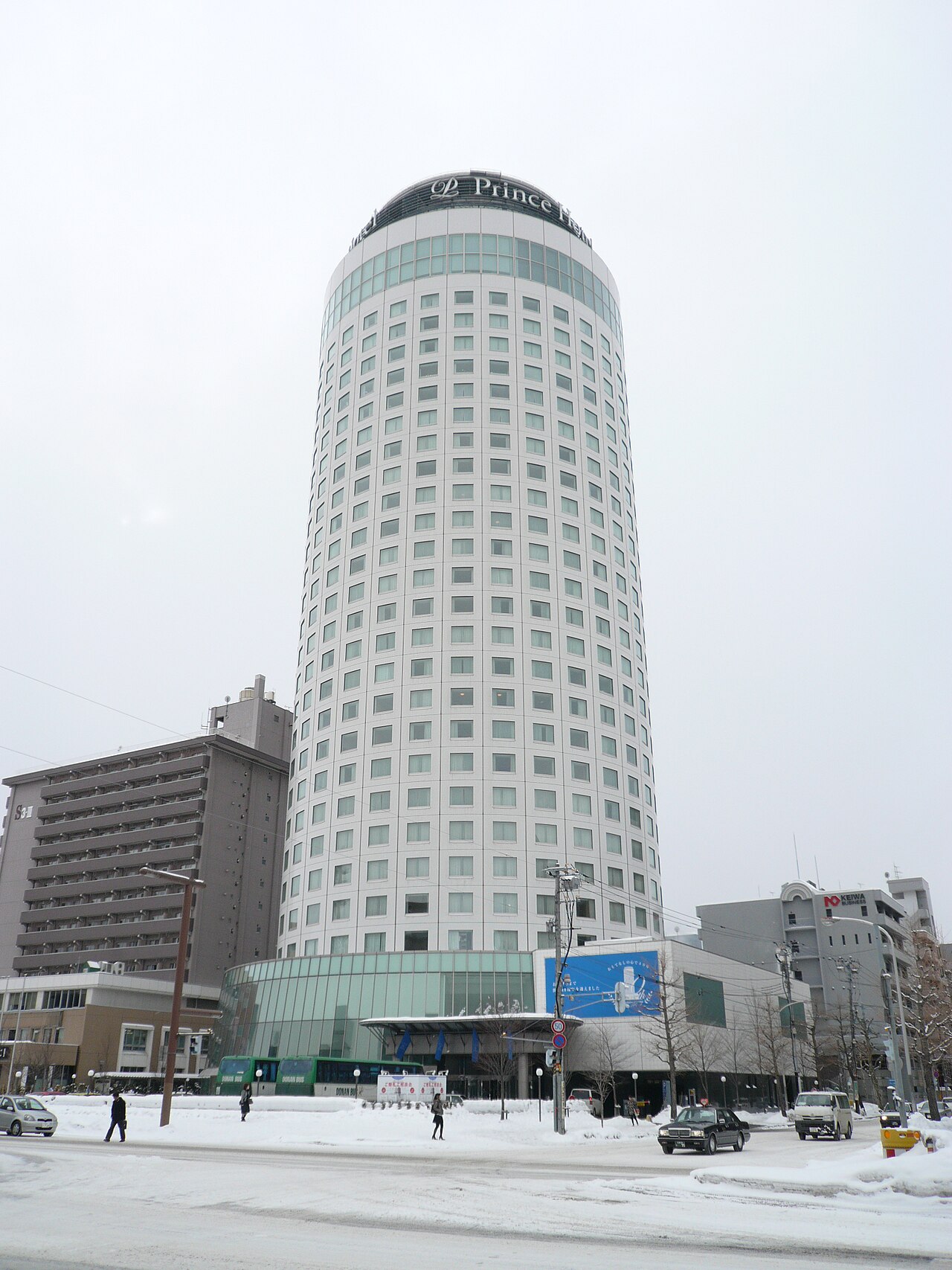
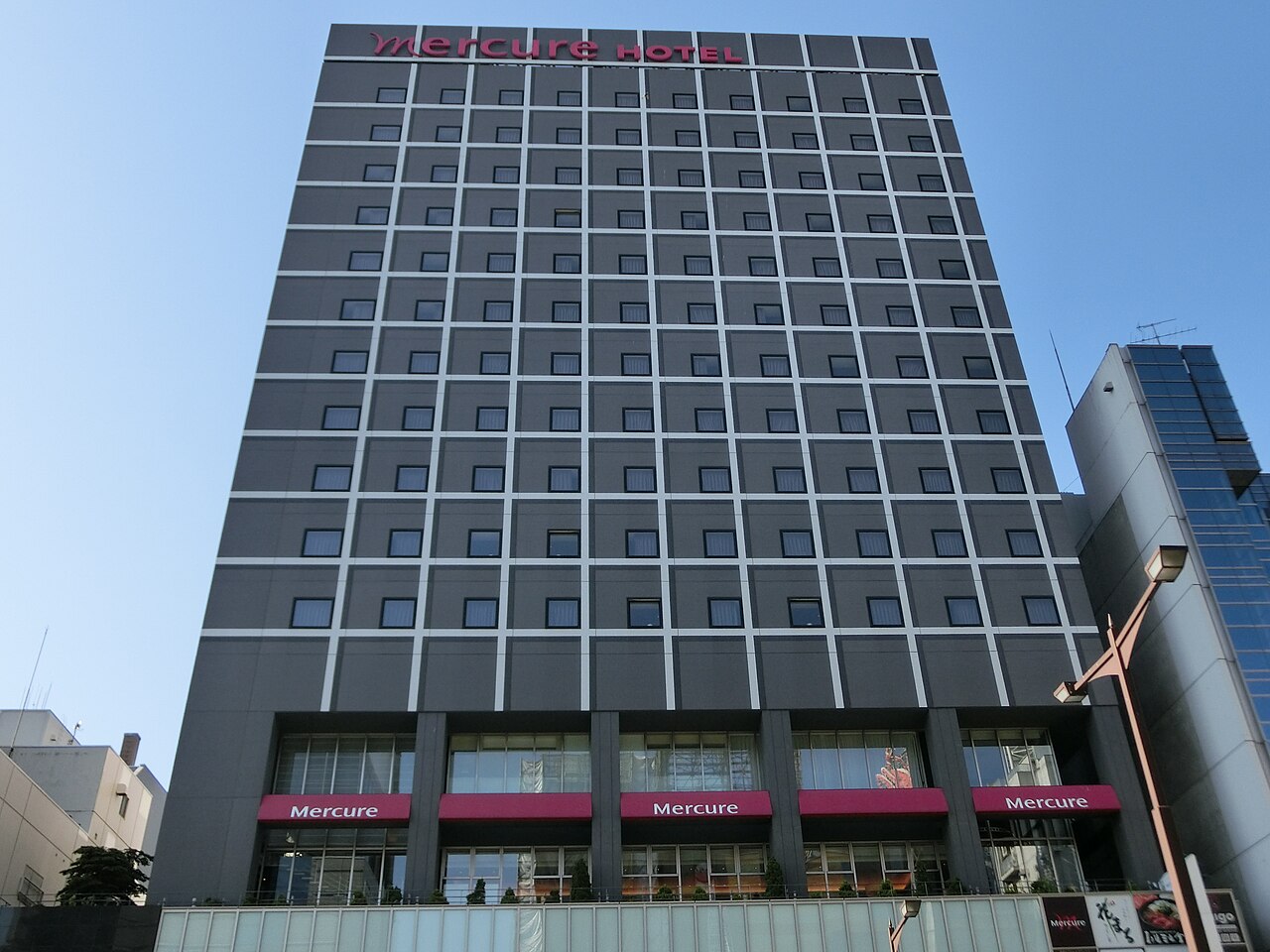
Choose a hotel near Sapporo Station if you plan day trips, near Odori Park if you want to walk to the main sights, or in Susukino for restaurants and value. Book early for the Snow Festival in early February, and for ski season weekends.