Sapporo is one of the largest snowy cities in the world, and winter is when it feels most itself. Snow usually arrives in late autumn, settles in for the middle of winter and lingers into spring. The city is built for it, with heated underground walkways, efficient subways and a culture of enjoying the cold. This guide explains what winter looks like, what to see and how to plan.
The seasons plainly
Autumn colour fades in October, and the first snow can fall in November. Ski areas typically open from late November or December, and Sapporo Teine ski lessons run from early December to late March. The coldest, snowiest weeks are in January and February. The Sapporo Snow Festival takes place in early February, published for 4 to 11 February 2027, and fills Odori Park with giant snow and ice sculptures. Spring melt starts in March, and April brings the first bare ground. Check current conditions before you travel, because snow depth varies from year to year.
The Snow Festival
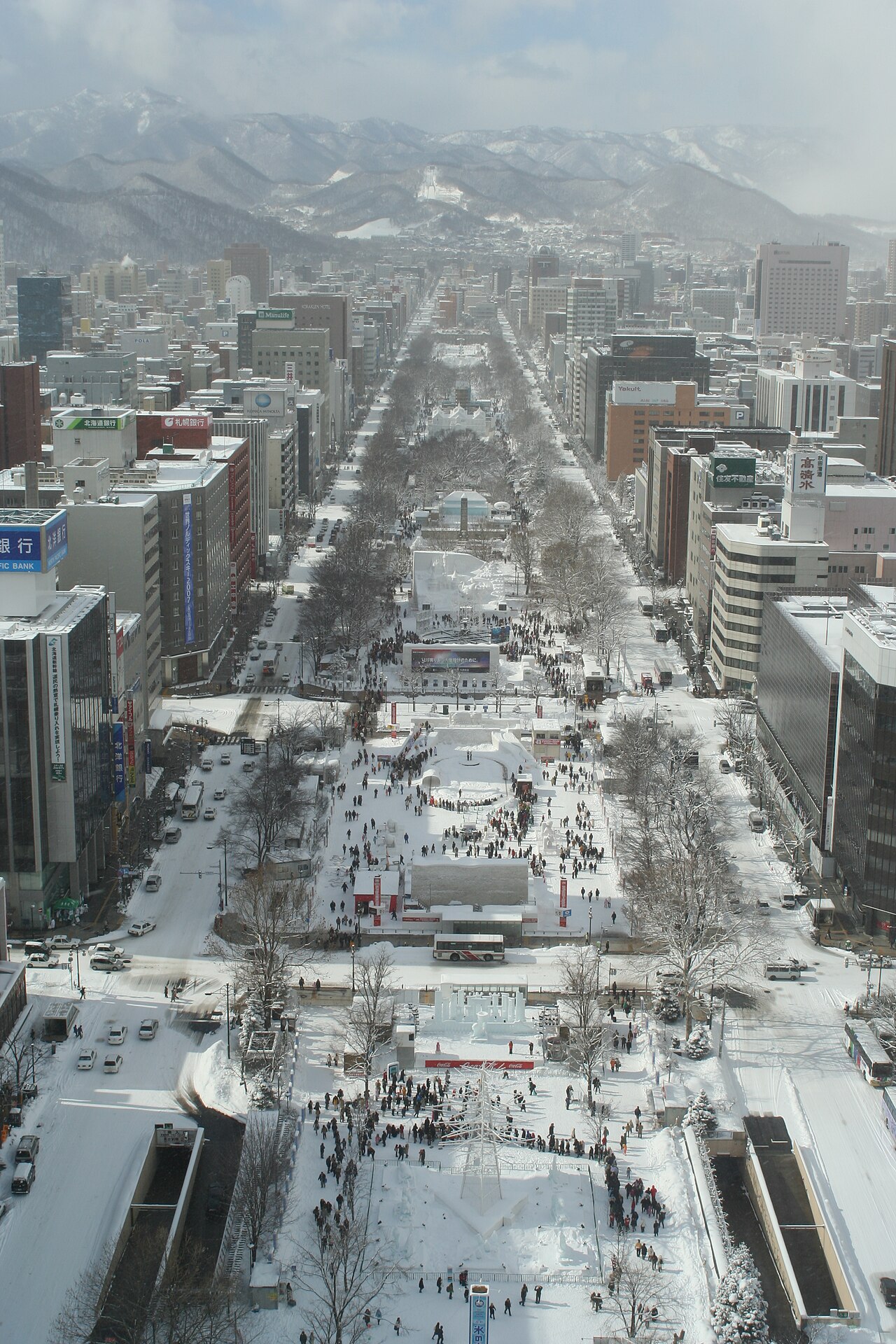
The festival centres on Odori Park, where large snow sculptures, some the size of buildings, line the park for several blocks. Other sites in the city add illuminated ice sculptures, and the displays look best after dark, when they are lit. Expect heavy crowds, especially at weekends, so go on a weekday and wear several layers. Hotels in the centre sell out months ahead, so book early. The park is free to walk, and food stalls selling hot snacks make it easy to stay warm.
Skiing close to the city
Sapporo Teine is a ski area within an easy trip of the centre, with lessons for beginners and families. It suits travellers who want a first taste of snow sports without moving hotels. For a serious ski holiday, the resorts around Niseko are further away, and many travellers stay in Sapporo for a few nights first, then transfer to the mountains. Whichever you choose, rent equipment on site, book lessons ahead and carry layers, goggles and sun protection, because snow glare is strong on clear days.
Hot springs and indoor sights
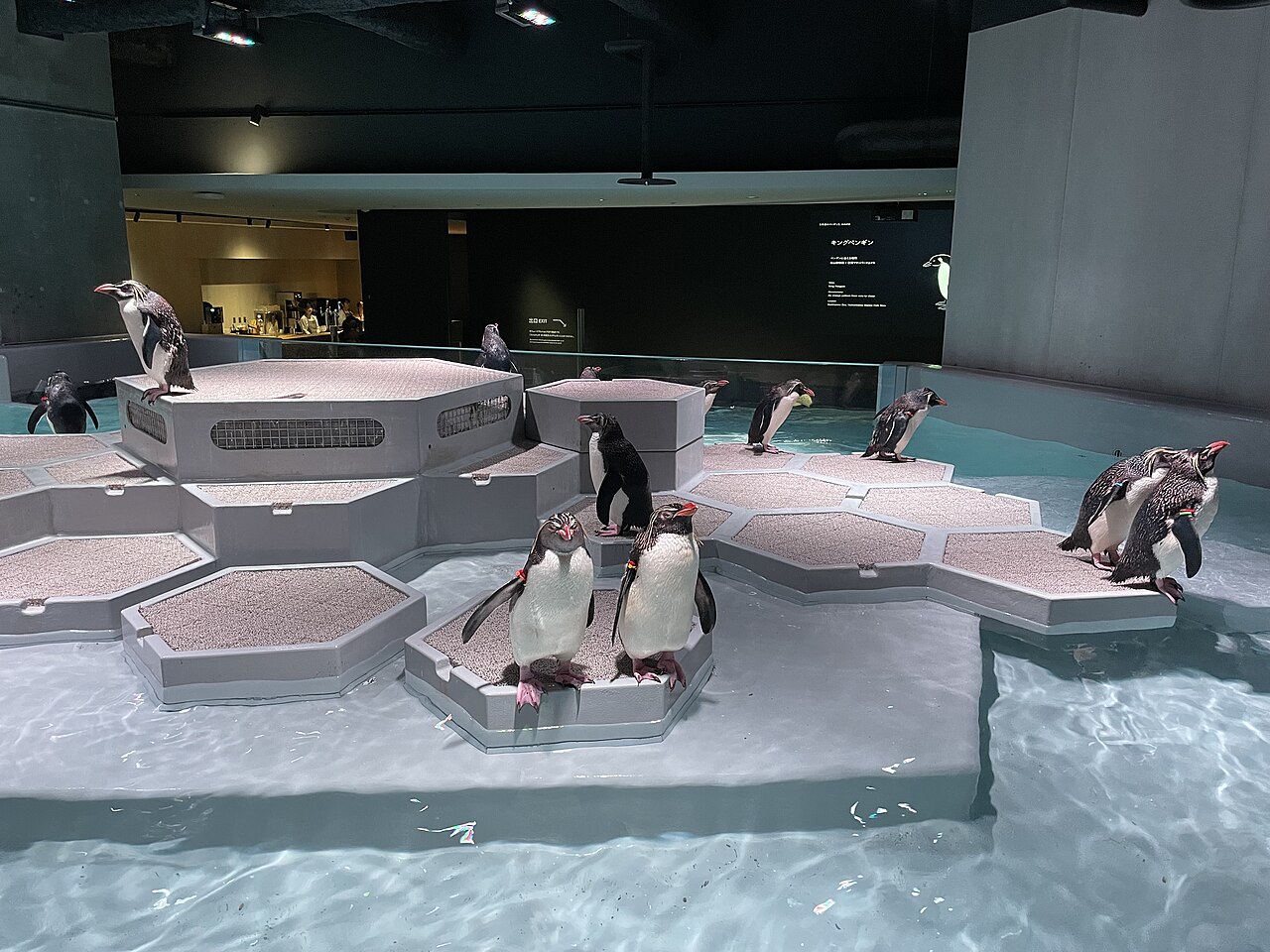
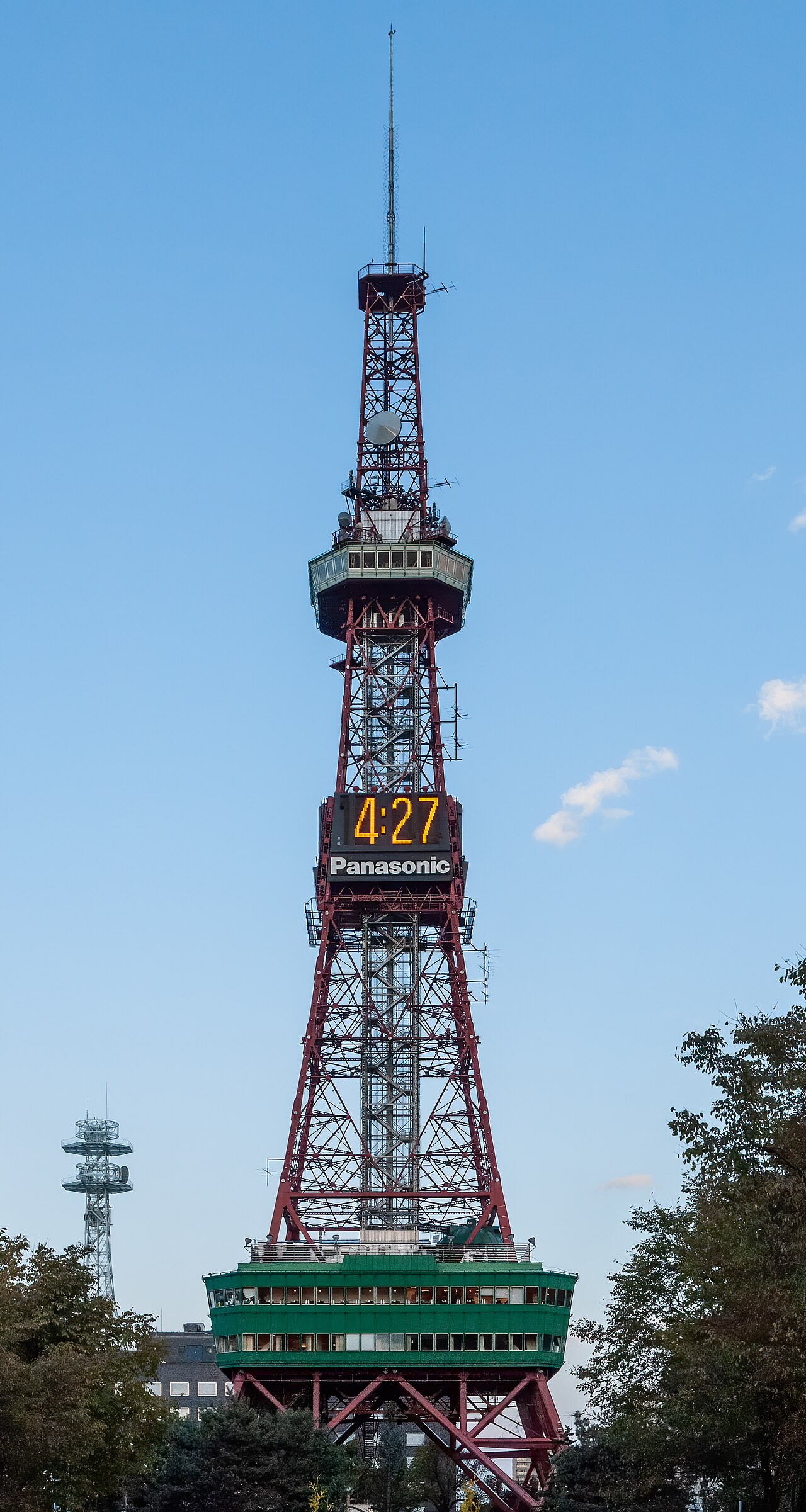
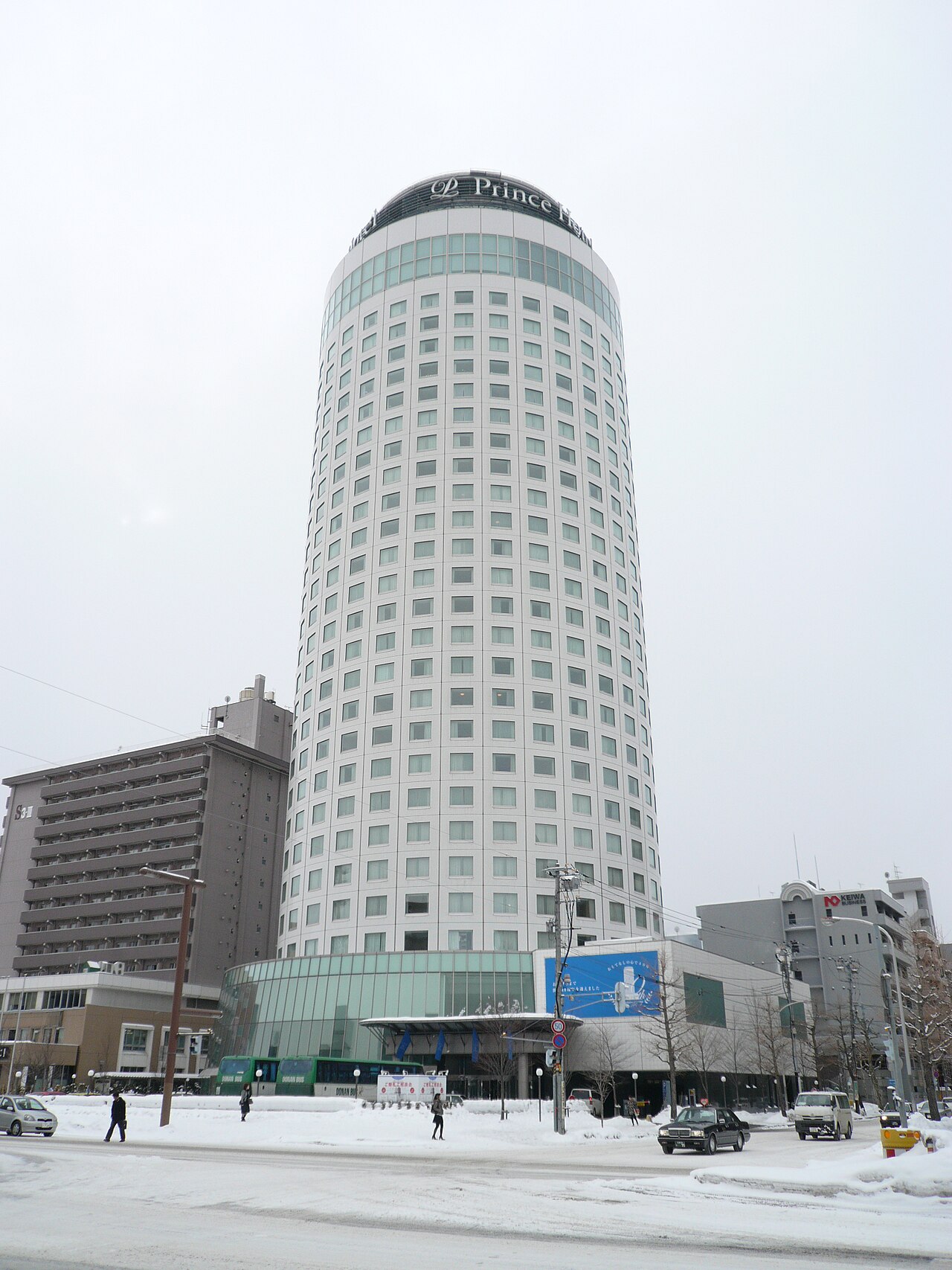
A soak is the best answer to cold. Jozankei, a hot-spring village in a valley southwest of the city, is reached by bus and has public baths open to day visitors. Some hotels in the centre have their own spa baths, including the JR Tower Hotel Nikko Sapporo and the Sapporo Prince Hotel. Onsen etiquette is simple: wash thoroughly before entering, keep towels out of the water and check the venue's rules on tattoos. For indoor days, the AOAO SAPPORO aquarium and the Sapporo Maruyama Zoo are good choices, and the night views from the TV Tower and the JR Tower deck are clear and crisp in the dry winter air.
What to pack
Waterproof boots with good grip are the most important item, followed by a warm coat, thermal layers, gloves, a hat and a scarf. Buildings and trains are heated, so layers that you can remove are best. Sunglasses help on bright days. Pharmacies sell disposable hand warmers cheaply.
Getting around in snow
The subway runs normally in most conditions, and the underground passages link Sapporo Station, Odori and Susukino so that you can walk between them without going outside. Trains to Otaru and to the airport may slow in heavy snow, so allow extra time. Walk slowly, take small steps on packed snow and watch for ice at crossings. Taxis are easy to find in the centre.
Photography and evenings
Winter light is soft, the snow reflects it and the nights are long, which makes the city a good subject after dark. The TV Tower and the JR Tower deck both give clear views over the lit grid of streets, and the sculptures of the Snow Festival glow under floodlights. Batteries drain quickly in the cold, so keep your phone and camera warm in an inside pocket. Consider a sunset visit to the Mt. Moiwa ropeway on a clear evening, dressing warmly, because the summit is colder than the city.
Winter eating
Hot ramen, soup curry and grilled lamb are the natural choices. Nijo Market remains open through the cold months, and a seafood bowl in the morning sets you up for the day.