Sarajevo and Mostar sit only a couple of hours apart, but they have different climates, and the best time to visit depends on what you want to do. Sarajevo is a mountain-ringed city with cold, snowy winters and warm summers, while Mostar is Mediterranean in feel, with scorching summers and mild winters. This guide breaks down the seasons so you can match your trip to your plans.
Spring (April to June): a strong all-rounder
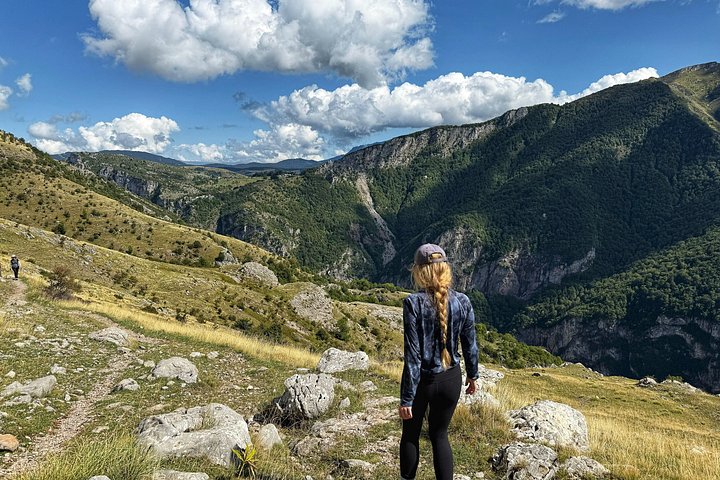
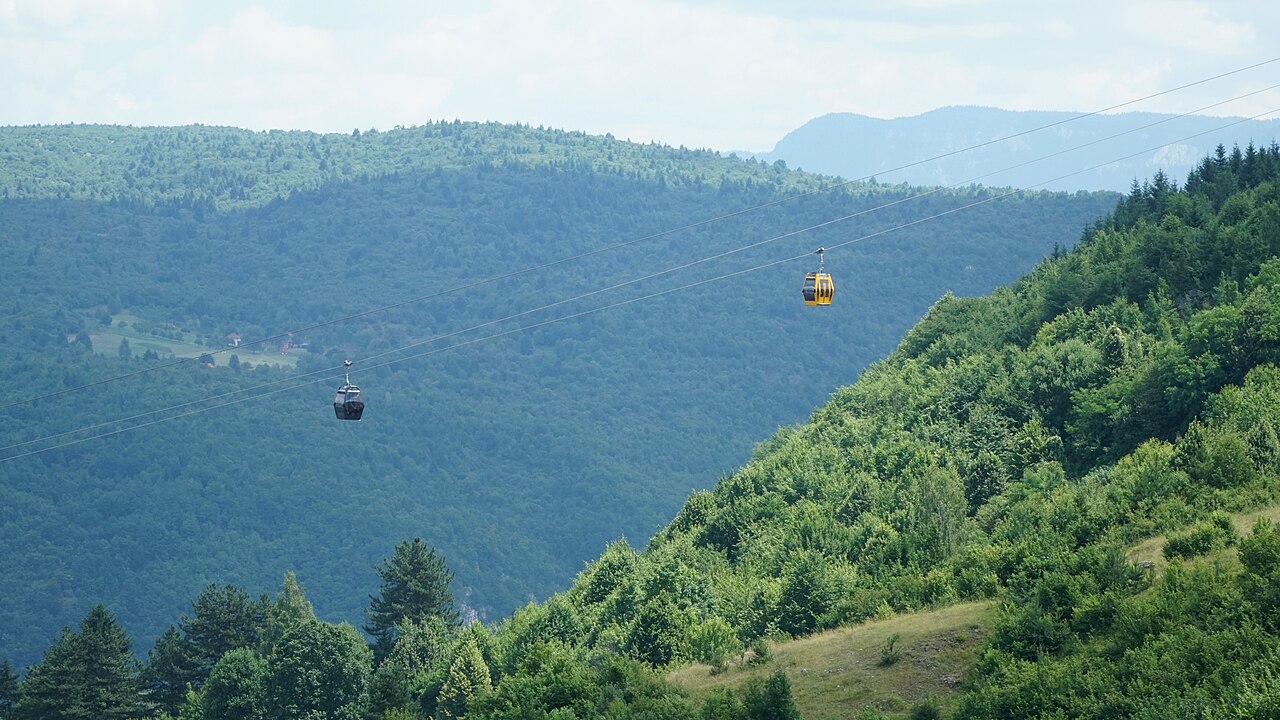
Spring brings green hills, flowering trees and comfortable temperatures, with warm days and cool evenings. It is a good time for walking tours, the Trebević cable car, Vrelo Bosne and day trips to Mostar and Kravice, where the waterfalls are at their fullest after snowmelt. Expect some rain, especially in April and May, so pack a light waterproof. The high-mountain trails such as the Lukomir village hike open as the snow clears, usually from around late May or June.
Summer (July and August): hot and lively
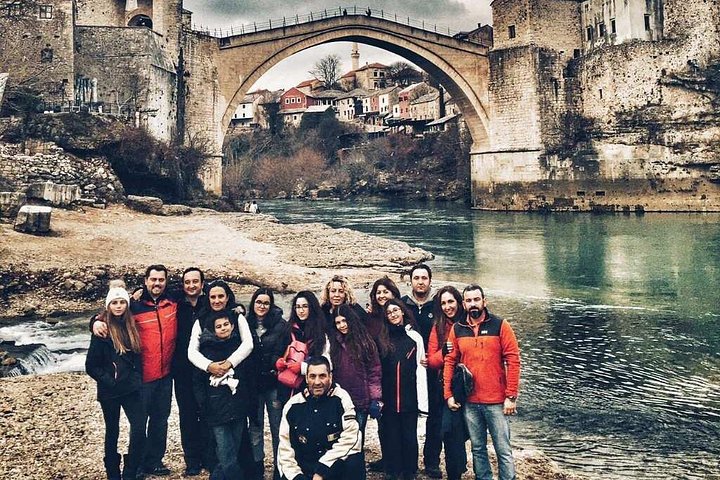
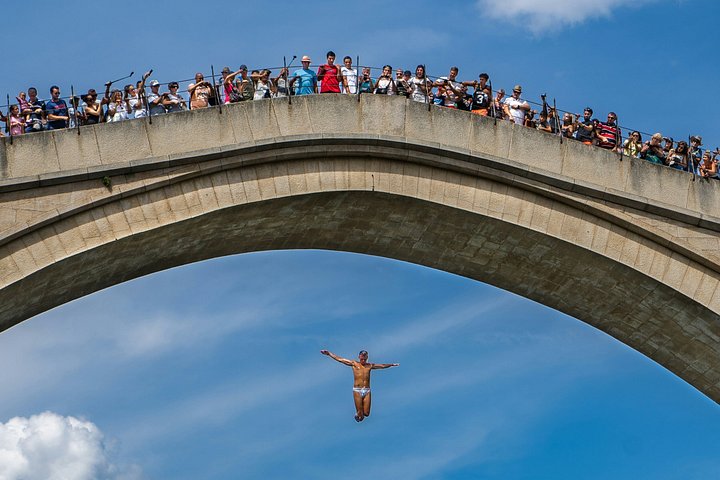
Sarajevo is warm and lively, with long evenings and plenty of outdoor seating, and the Sarajevo Film Festival fills the city in August, so book hotels well in advance. Mostar can be extremely hot, so plan sightseeing for early morning or evening, and spend the middle of the day in the shade or by a river. Kravice is at its best for swimming in summer, and mountain hikes are cooler than the city. Crowds are largest at the Old Bridge around midday, when day-trip coaches arrive from the coast.
Autumn (September to November): the sweet spot
Many locals consider early autumn the best time. The heat eases, the light turns golden, the crowds thin and the leaves on the hills change colour. September and early October are ideal for both cities and for day trips, and the Lukomir hike is especially beautiful. By November it is cooler and wetter, with shorter days, and some seasonal attractions reduce hours, so check in advance. It is also a quiet time for museums and cultural visits.
Winter (December to March): cold, snowy and atmospheric
Sarajevo winters are cold, with snow likely in the old town and the surrounding mountains, and the cafes and grill houses feel especially cosy. Skiing and snowshoeing are available on the nearby Olympic mountains, which makes the city a good base for a short winter break. Daylight is short and some attractions, including the cable car, run reduced hours or close in bad weather, so build flexibility into your plans. Mostar is milder but can be damp and quiet, and some day-trip sights have limited facilities.
Ramadan and religious holidays
Because Sarajevo has a large Muslim population, Ramadan has a visible influence on daily life. During the month, many people fast during the day, and some restaurants close or run reduced hours until sunset, when the city comes alive for iftar meals and evening gatherings. Many visitors find it a memorable time to visit, with a special atmosphere in Baščaršija, but it helps to plan lunches and check opening hours. Dress modestly and be considerate of fasting residents when eating and drinking in public. The dates move each year, so check a calendar when you plan.
Events and festivals
The Sarajevo Film Festival in August is the biggest event of the year, bringing filmmakers and visitors and pushing prices up. Other cultural events run through the year, including music and theatre festivals, and the old town hosts markets in the run-up to winter holidays. If you want a quieter trip, avoid festival weeks and weekends in July and August.
Which month for which plan
For a classic first visit with comfortable walking, choose May, June or September. For Mostar and waterfalls, aim for late spring or early autumn. For hiking in the mountains, choose June to September. For a quiet cultural break, try October or early November, and for winter sports and snowy atmosphere, choose January and February.
Packing tips
Bring comfortable walking shoes with grip, a light waterproof layer, a warm jacket for evenings and mountains in any season and sun protection in summer. Dress modestly for mosques with covered shoulders and knees, and bring a scarf for women who wish to cover their heads in religious sites if requested. Cards are widely accepted, but carry some cash for small purchases.
Where to stay by season
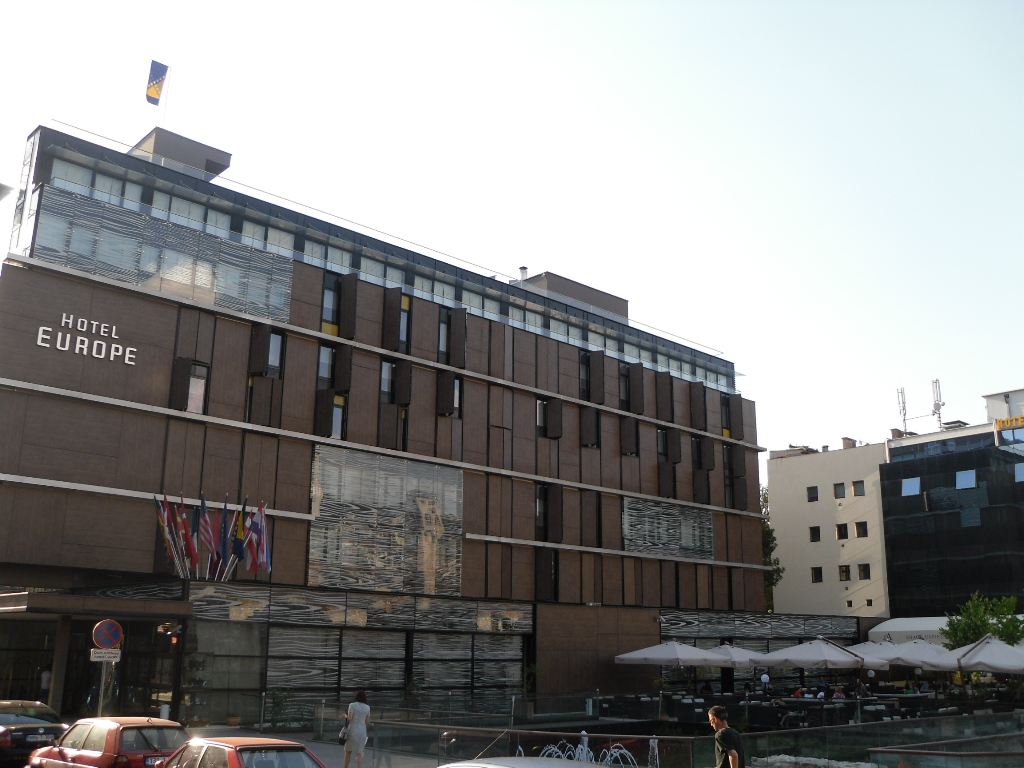
In summer, an air-conditioned room is worth paying for, and a hotel with a pool such as Europe Hotel in the old town is a welcome retreat in the afternoon. In winter, central locations save you from long cold walks, and hotels with spas, such as Swissôtel Sarajevo, make a pleasant place to warm up. In Mostar, Boutique Hotel Old Town offers air conditioning and a terrace for summer evenings.