Sarajevo is one of the best food cities in the Balkans, and much of its charm is that eating well is cheap, simple and sociable. The cuisine sits where Ottoman, Mediterranean and Central European traditions meet, with grilled meat, flaky pastry, sweet syrup and strong coffee. This guide covers the dishes to order, how to order them and how to fit them into your days.
Cevapi, the national dish
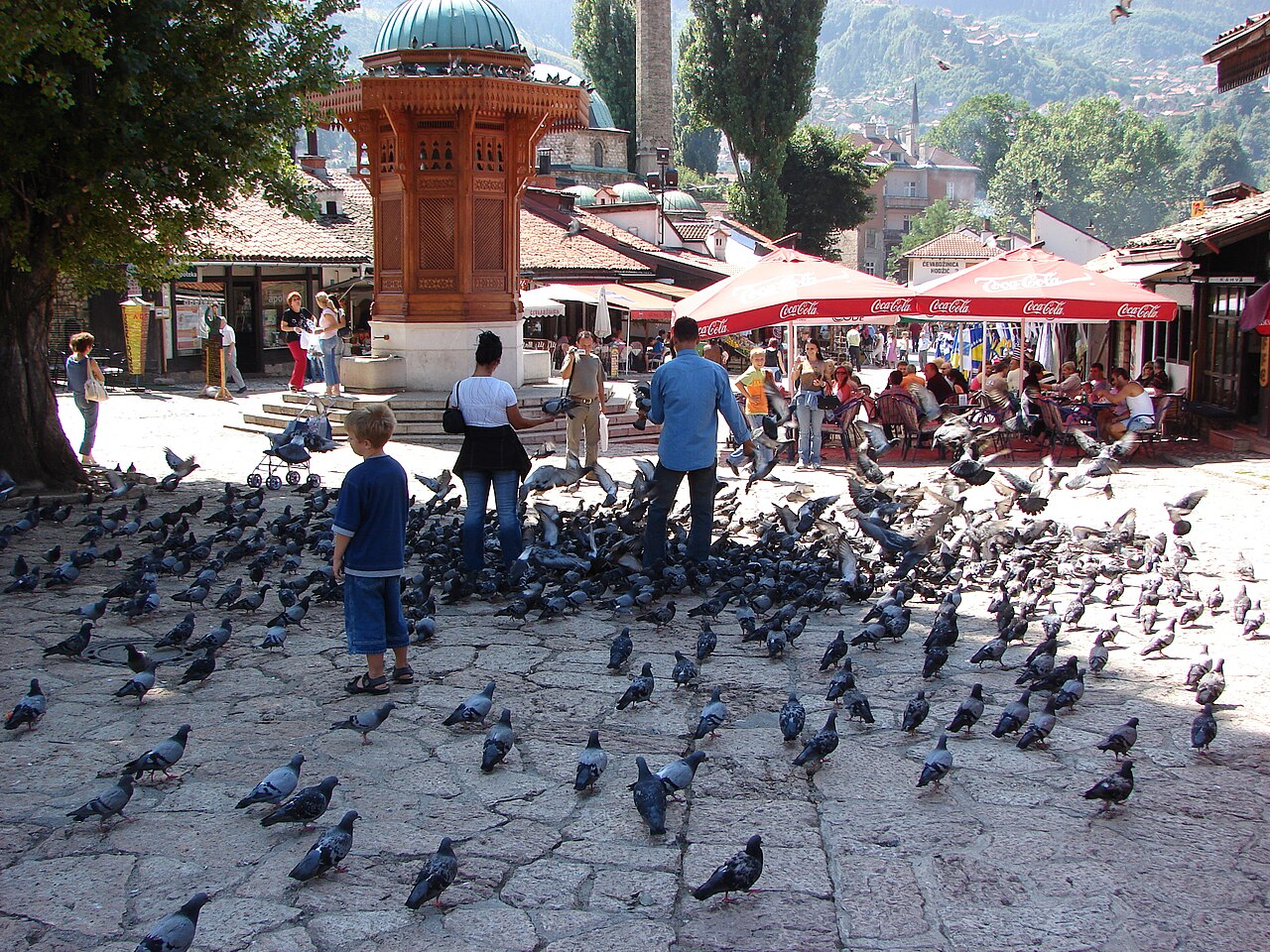
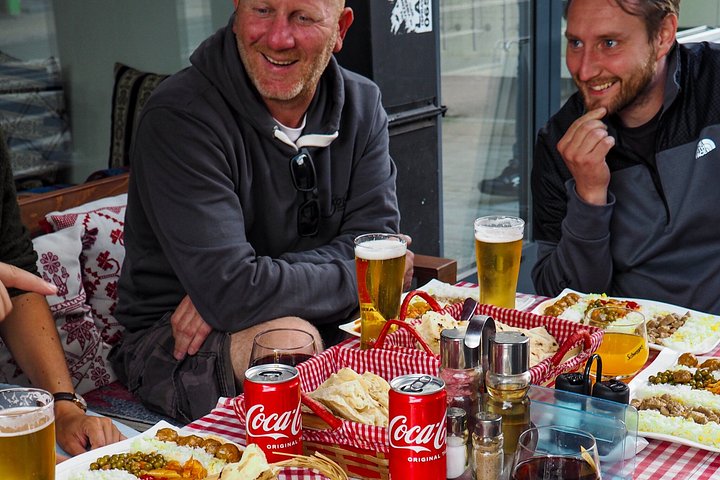
Cevapi are small grilled sausages of minced beef, served in a portion of five or ten with a warm, soft somun flatbread, chopped raw onion and sometimes kajmak, a creamy dairy spread. They are cooked over charcoal on small grills, and the best places are often the plainest, with a few tables and a queue at lunchtime. Order a portion, eat with your hands and add a glass of yogurt or ayran if you want to follow the local habit. The lanes around Baščaršija are packed with grill houses, and you can compare several over a couple of days.
Burek and its cousins
Burek is a coiled pastry filled with minced meat, and it is a breakfast and snack staple. Look for its cousins as well: sirnica filled with cheese, zeljanica with spinach, krompiruša with potato. Locals buy them by weight from bakeries and eat them with a glass of yogurt. The pastries are best warm and fresh in the morning, so make a habit of visiting a bakery before you set off.
Bosnian coffee, a ritual
Bosnian coffee is brewed in a small copper pot called a džezva and served with a sugar cube, a glass of water and sometimes a piece of Turkish delight. It is thick and strong, not to be rushed, and it is a social event rather than a quick caffeine fix. Pour a little into your cup, let the grounds settle and sip slowly. A coffee in a courtyard in Baščaršija is the classic way to rest after a morning of walking, and you will find that cafes expect you to linger. If you prefer espresso, it is widely available too.
Slow-cooked dishes
For dinner, look beyond grilled meat. Bosnian cooking includes stuffed peppers and vine leaves called dolma and sarma, beef stew known as bosanski lonac, soups and stews with vegetables and spices, and pita, a layered pie. Many restaurants serve lamb roasted slowly on a spit in the colder months. Vegetarians can usually find cheese and spinach pies, salads, grilled vegetables and stuffed vegetables, though the classic dishes tend to be meat-based, so ask.
Sweets and desserts
The Ottoman legacy is clearest in the sweet shops. Baklava, layered pastry soaked in syrup and filled with nuts, sits next to tufahija, a poached apple stuffed with walnuts and topped with cream, and hurmašice, soft semolina cakes in syrup. Many sweets are very sweet, so share a plate and drink your coffee alongside.
Drinks beyond coffee
Ayran and yogurt drinks are common with meat and pastry. Local beer is inexpensive and good, and rakija, a fruit brandy, is offered as a welcome in many homes. Bosnia also produces wine, especially in Herzegovina, where Žilavka and Blatina are the best-known local grapes. In an old-town cafe you will also find sharbat, a sweet cordial, and fresh juices.
How to eat on a budget
Sarajevo is easy on the wallet. A cevapi lunch, a burek breakfast and a coffee can cost very little, and set menus at traditional restaurants are good value. Eat your main meal at lunch, when many places offer a daily special. Bakeries sell sandwiches and pastries for very little. Cards are widely accepted in restaurants, but small cafes and bakeries often prefer cash.
Learning more
A guided food tour is the best way to start, giving you a handful of tastings and a shortlist of places to return to. If you want to go further, a cooking class or a visit to a coppersmith's workshop adds hands-on culture. The Old Town walking tour also stops for coffee and gives context on how food traditions grew up around the market.
Etiquette and timing
Meals are leisurely and hosts are generous. During Ramadan some places close during the day and open after sunset, when the city has a festive feel, so plan accordingly. Tipping is modest, usually rounding up or adding around ten percent for good service. Lunch is often the main meal and dinner can be lighter, though restaurants stay open late in the old town, particularly in summer.
Where to stay for food lovers
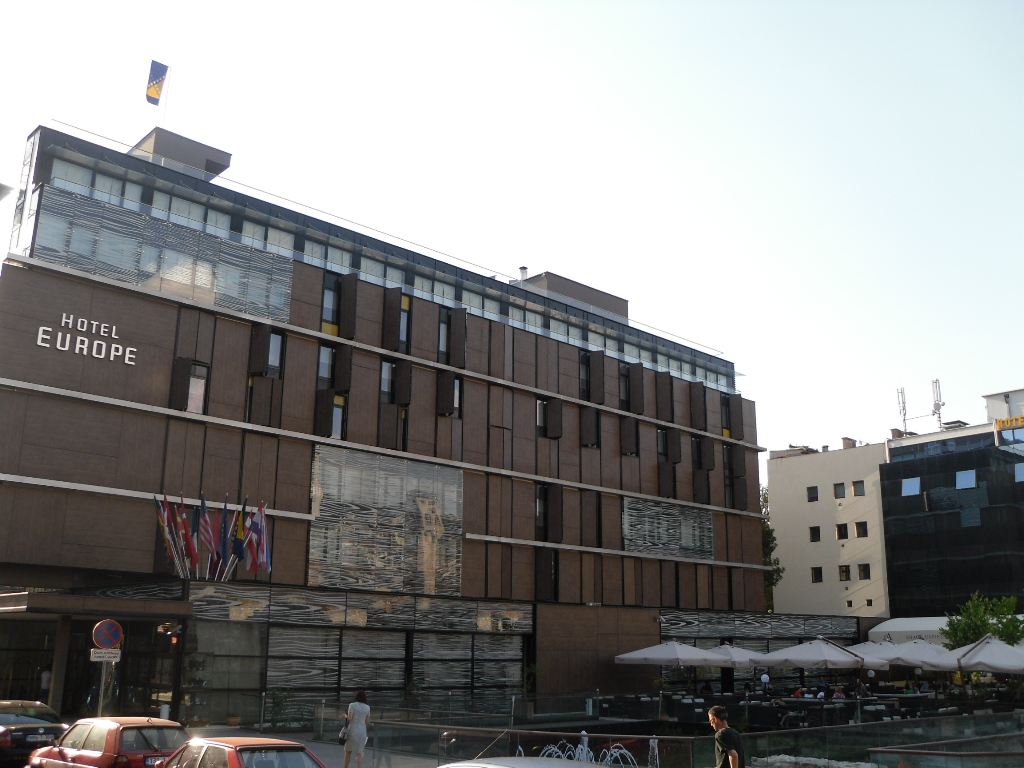
A base in or near Baščaršija makes it easy to dip into grill houses and bakeries throughout the day. Hecco Deluxe Hotel on Ferhadija and Europe Hotel in the old town are both a short walk from the best lanes, and Boutique Hotel Old Town in Mostar puts you close to the riverside restaurants there, with a free breakfast buffet to start the day.