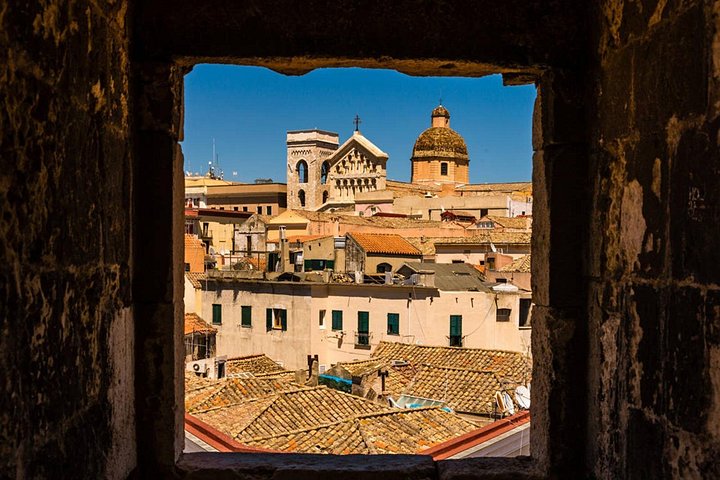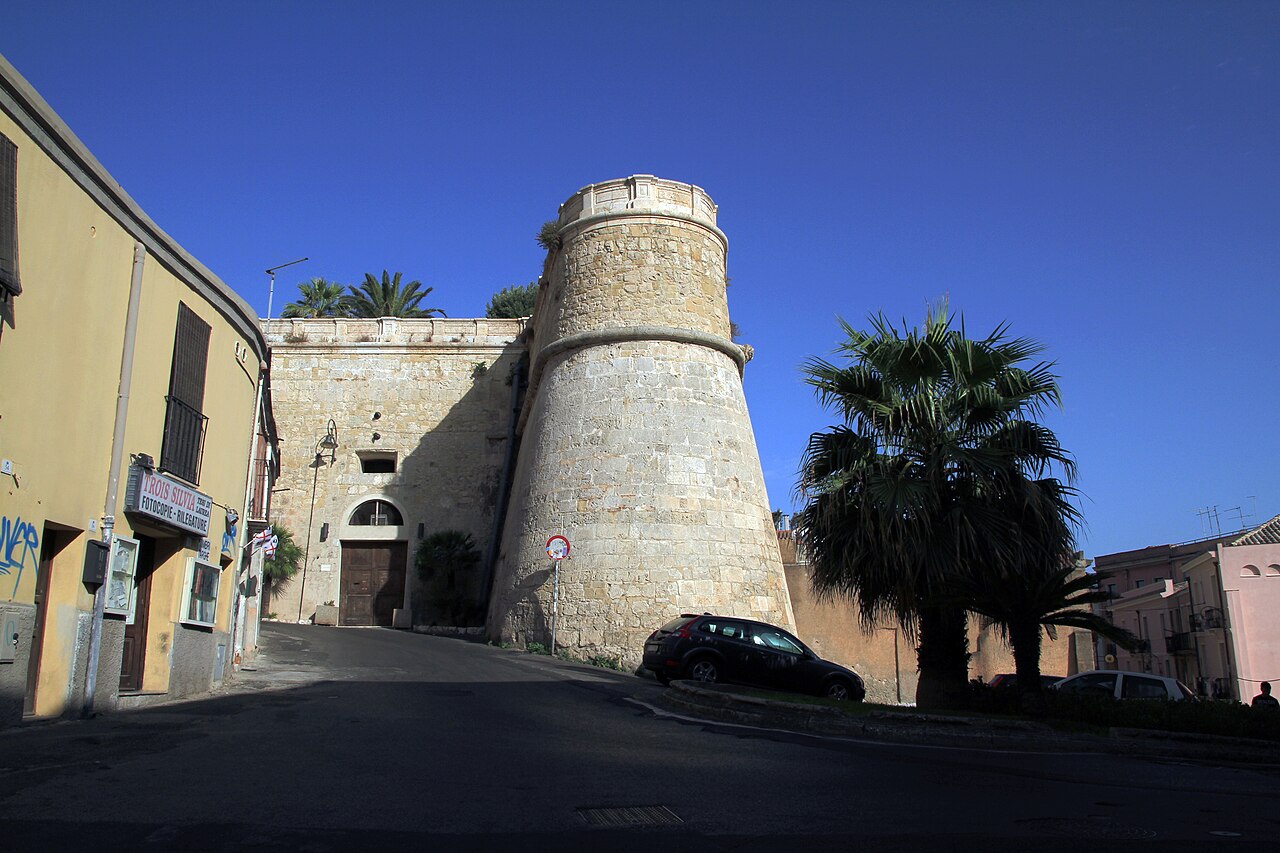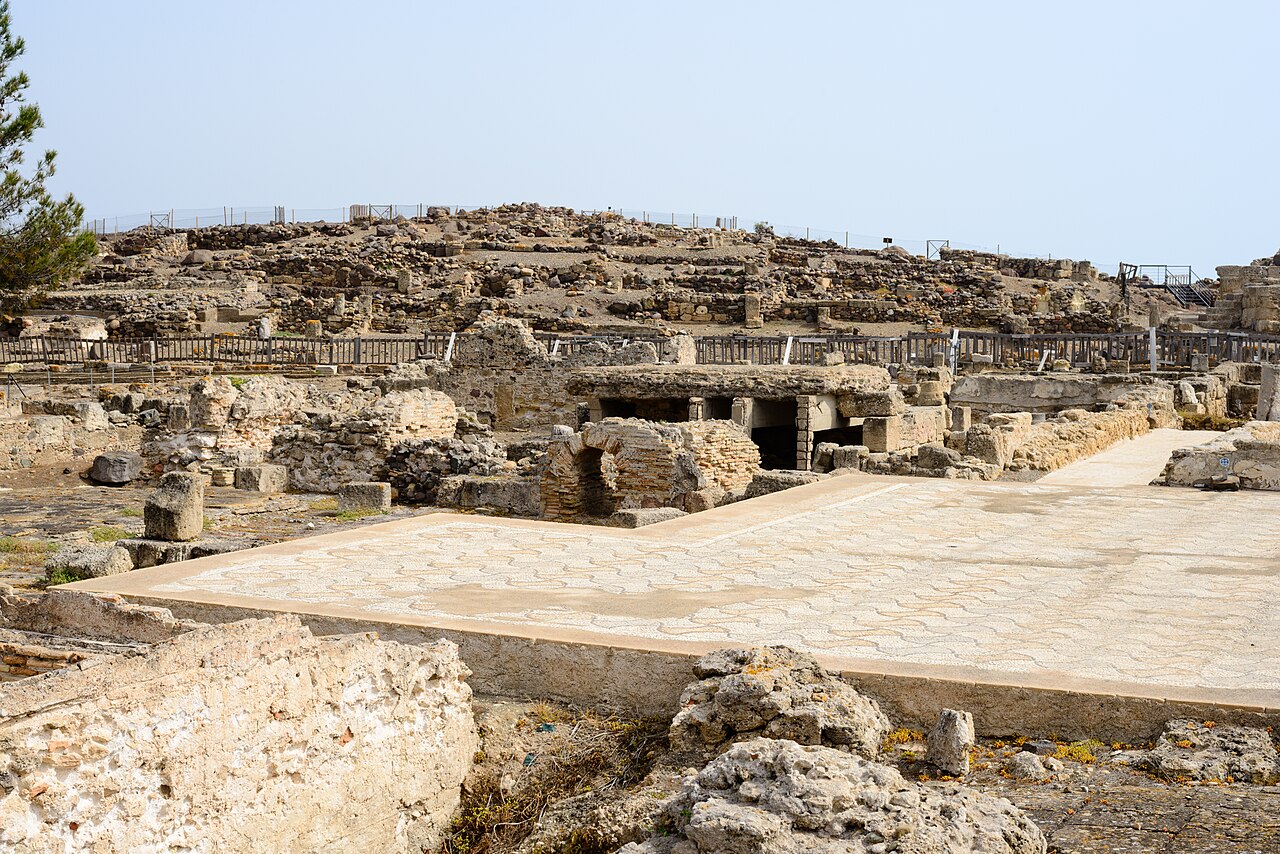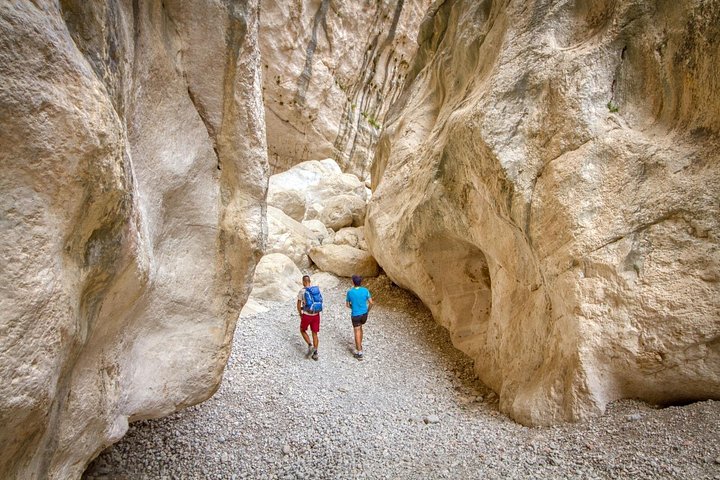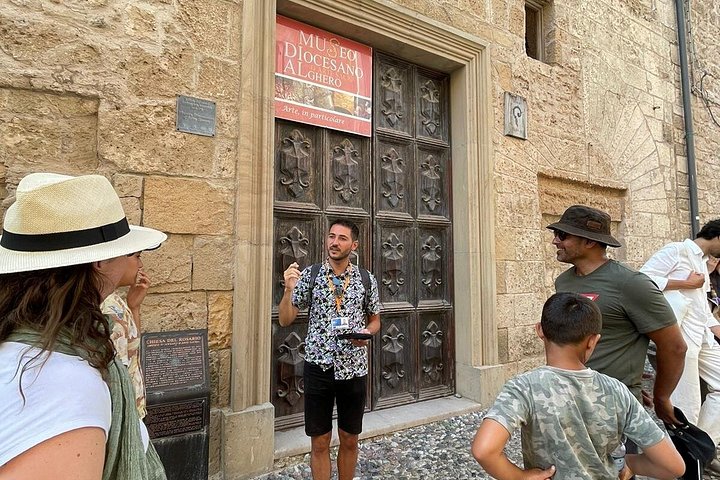
Alghero is Sardinia with a Catalan accent. The town was settled by Catalan colonists in the fourteenth century, and the Alghero dialect of Catalan is still spoken by many locals. The old town sits on a small peninsula, enclosed by honey-coloured ramparts and towers that face the sea, and inside the walls is a tight grid of cobbled lanes, shops selling red coral jewellery, small restaurants and chapels. The cathedral of Santa Maria has a tall Gothic-Catalan bell tower, the church of San Francesco has a quiet cloister and the harbour front is the place to stroll at sunset. A walking tour with a bilingual local guide is a good introduction. It links the walls, churches, squares and viewpoints, explains the Catalan story and the coral trade, and gives context to what otherwise looks like a pretty maze.
What you see
The ramparts are the main spectacle, with a promenade along the top that runs from the harbour to the towers and gives views toward Capo Caccia. Inside, the Cathedral of Santa Maria anchors a small square, and the smaller streets are lined with palazzi, balconies and shops. The old town is compact and almost entirely pedestrian, so everything is within a ten-minute walk. Street names appear in both Italian and Catalan, a reminder of the town's heritage.
Choosing a tour
The standard walking tour lasts around two hours and covers the walls, the main churches and the central lanes, with time for questions and a coffee stop. Because the guide speaks both Italian and English, it suits mixed groups. If you prefer to go alone, an hour on the ramparts and a wander through the main lanes covers the highlights.
When to go
Alghero is a year-round town, with a real local life in winter, mild days and quieter lanes. Summer brings crowds, heat and late-night energy. Many beach and boat activities nearby are seasonal, but the old town, the restaurants and the museums stay open. For a longer stay, combine the walk with a visit to Neptune's Grotto at Capo Caccia and a seafood dinner in the harbour.
What to expect
The experience
A guided stroll with a bilingual local guide through the ramparts, churches and lanes of the walled old town.
Best time
Late afternoon for golden light on the walls, or a quiet winter morning when the lanes belong to locals.
How long
Around two hours at an easy pace.
Tips
Wear comfortable shoes for cobbles, and keep time afterwards for a harbour-side coffee or a coral workshop visit.
Quick picks
- Best for
- Travellers who want a pretty, walkable base with a distinctive history.
- Families
- The lanes and ramparts are easy for children, and there are plenty of ice cream stops.
- Couples
- A sunset stroll along the walls followed by dinner in the old town.
- Pair with
- Neptune's Grotto at Capo Caccia, a winery visit or a seafood dinner by the harbour.
- Time needed
- A half day, or a full day if you add Capo Caccia.
Good questions
Why is Alghero called Catalan?+
Catalan settlers arrived in the fourteenth century, and a form of Catalan is still spoken locally. You will see bilingual street signs and Catalan influence in the architecture and food.
Is the old town walkable?+
Yes, it is compact and mostly pedestrian, with cobbled lanes and a rampart promenade. Everything is within about ten minutes on foot.
Is Alghero open in winter?+
Yes, the old town, restaurants and shops stay open, and winter is quiet and pleasant. Boat trips and beach clubs nearby mostly operate in the warmer months.
What is Alghero famous for?+
Red coral jewellery, seafood, Catalan heritage and the nearby Capo Caccia cliffs. The town is also a gateway for the northwest coast.
Do I need a tour?+
Not strictly, but a local guide explains the Catalan history and the coral trade, which are not obvious from the streets. A two-hour walk is a good introduction.