Shanghai sits at the edge of one of the most beautiful and historic regions of China, and a day trip beyond the city is the best way to see it. Within a couple of hours you can reach canal towns with stone bridges and wooden houses, a city of classical scholar gardens and a lake that has inspired poets for a thousand years. The challenge is choosing, because each destination is good and most visitors have time for only one or two. This guide compares the main options and explains how to fit them into a trip.
Zhujiajiao: the easy half day
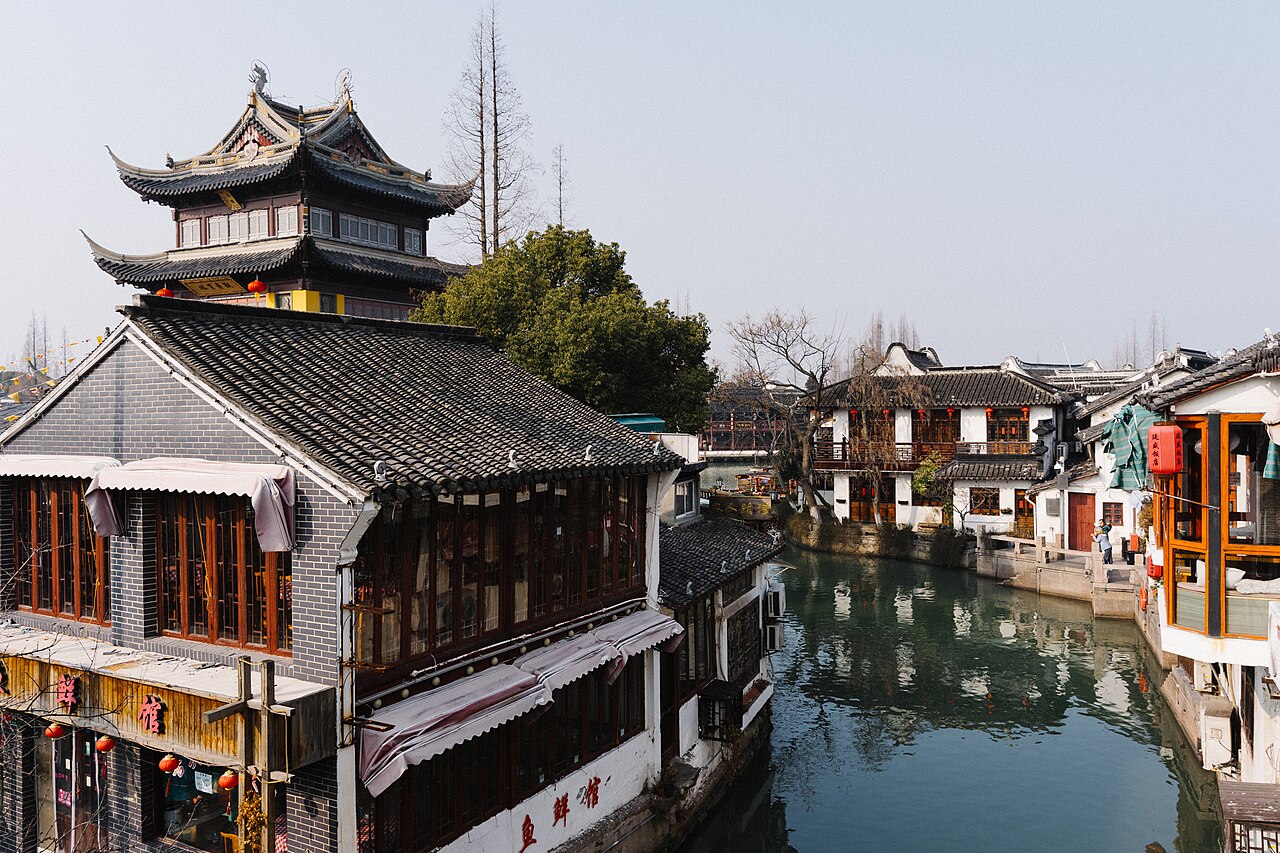
The closest of the water towns is Zhujiajiao, on the western edge of the city. It has a network of canals, a long stone bridge, old shops and a boat ride that is the highlight for most visitors. Because it is near, you can see it in a half day and be back for dinner, which makes it the best choice if your time is short. It is busy on weekends and holidays, so a weekday morning is best. The trade-off is that it is more commercial than the others, with many souvenir shops along the main lanes.
Zhouzhuang: the classic
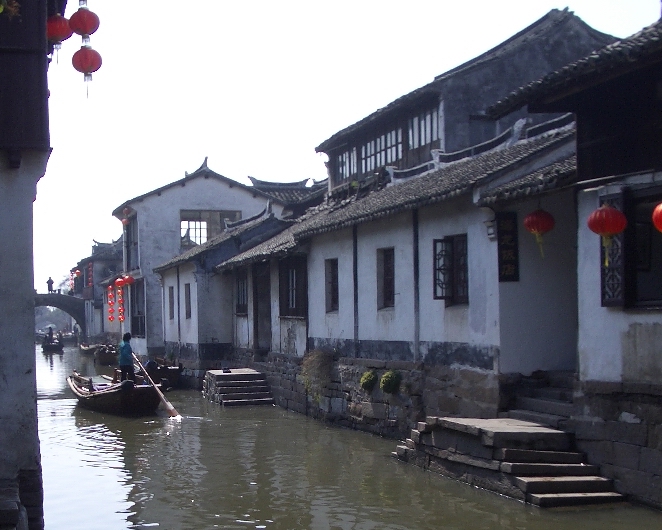
Zhouzhuang is the water town most often called the Venice of the East, famous for its twin bridges and for the long, quiet canals that run between houses with white walls and dark tiles. It lies farther out, near Suzhou, and a full day trip usually includes the drive and a stop in Suzhou. It is one of the more famous and crowded of the towns, but it is also very photogenic, particularly in the early morning and in the evening after the day-trippers leave.
Wuzhen: the most atmospheric
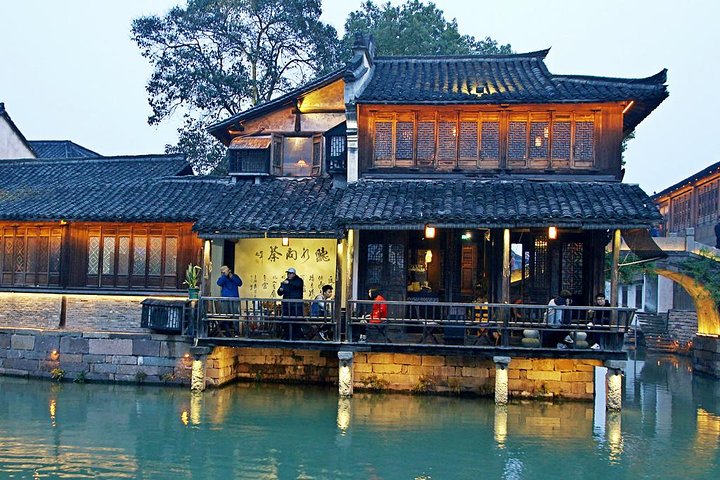
Wuzhen is larger, better preserved and generally the most atmospheric of the water towns, with two separate areas. The East Gate area has craft workshops and a writer's former home, while the West Gate area is the one to see at night, when the canals are lit by lanterns. It is about two hours from Shanghai, so it suits a full day, and an overnight stay is a memorable option if you can spare it.
Suzhou: gardens and silk
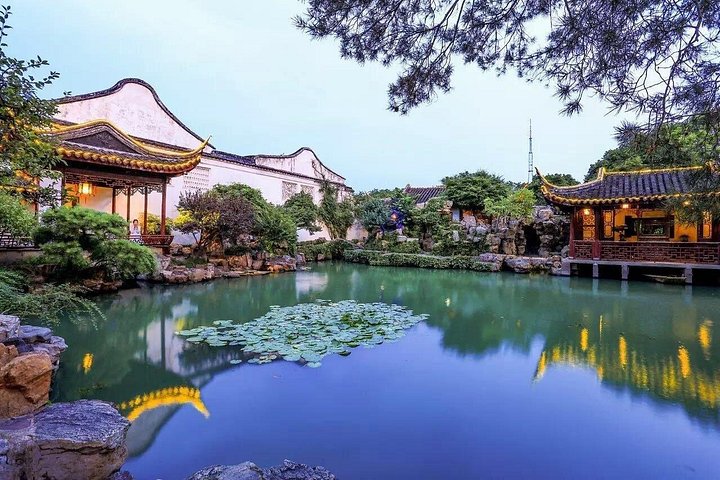
Suzhou is the home of the classical Chinese garden, and the best of its gardens are recognised by UNESCO. The city is about half an hour from Shanghai by high-speed train, which makes it the easiest of the long day trips. Choose one large garden, such as the Humble Administrator's Garden, and one small one, and add a silk workshop or a walk along the canal lanes. Spring and autumn are the best seasons, and weekdays are calmer than weekends.
Hangzhou: the lake
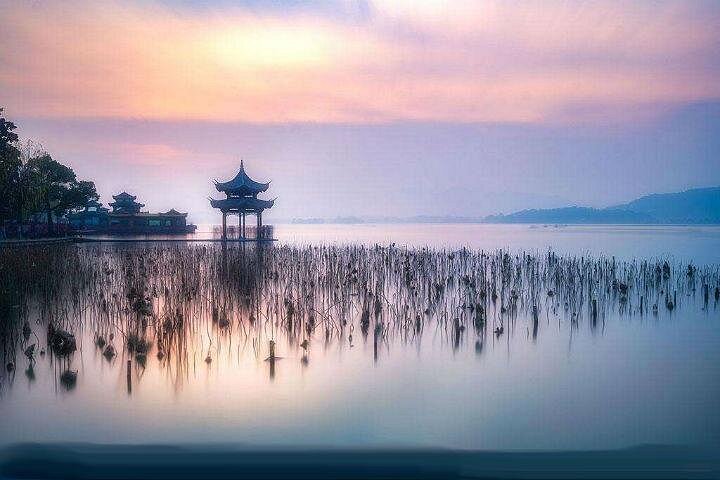
Hangzhou's West Lake is a landscape of causeways, willows, pagodas and tea hills that has been celebrated in Chinese poetry for centuries. The high-speed train takes about an hour, and a boat ride, a causeway walk and a tea village make a full and varied day. It is a good choice for people who want scenery and a slower pace, and it is particularly beautiful in spring and autumn.
How to choose
If you have half a day, choose Zhujiajiao. If you have a full day and love gardens and culture, choose Suzhou. If you want the prettiest canal town and can spare the time, choose Wuzhen. If you want scenery and a lake, choose Hangzhou. If you have two days, combine Suzhou with a water town, or Hangzhou with Wuzhen, since the towns lie on the same side of the city and the transfers are short.
How to travel
High-speed trains are fast, comfortable and frequent between Shanghai, Suzhou and Hangzhou, but the water towns are harder to reach without a car, so a private tour with a driver and guide is the simplest option for them. A private tour also handles the tickets, which saves time at busy sites. Bring your passport for train and entry checks, wear comfortable shoes and leave early, because the towns and gardens are at their best before the crowds arrive.
Practical notes
Avoid the national holiday weeks if you can, since every destination is extremely crowded. Check the weather, because rain makes the cobbles slippery and the views less clear, though a misty morning can be beautiful. Carry some cash, a hat or umbrella and a layer, and make sure your accommodation in the city is near a metro station so that you can return late without trouble.