Three days is enough to see the big sights of Shanghai without rushing, as long as you group them by area and let the metro do the long jumps. The city is spread out, and the biggest mistake first-timers make is crossing the river several times a day. This itinerary keeps each day to one or two districts, puts the views at the right time of day and leaves a little slack for the things you only find by wandering. Swap the days around to suit the weather, because the skyline sights are best on a clear day and the indoor ones suit a wet afternoon.
Before you start
Set up mobile payment before you land, since Alipay and WeChat Pay are accepted nearly everywhere, and download an offline map and a translation app. Carry your passport for ticket checks at major sights. The metro is the backbone of the plan: it is fast, cheap and signed in English, and almost every stop in this itinerary is within a short walk of a station. Wear comfortable shoes, because even a tightly planned day involves several kilometres on foot.
Day one: the Bund and the old city
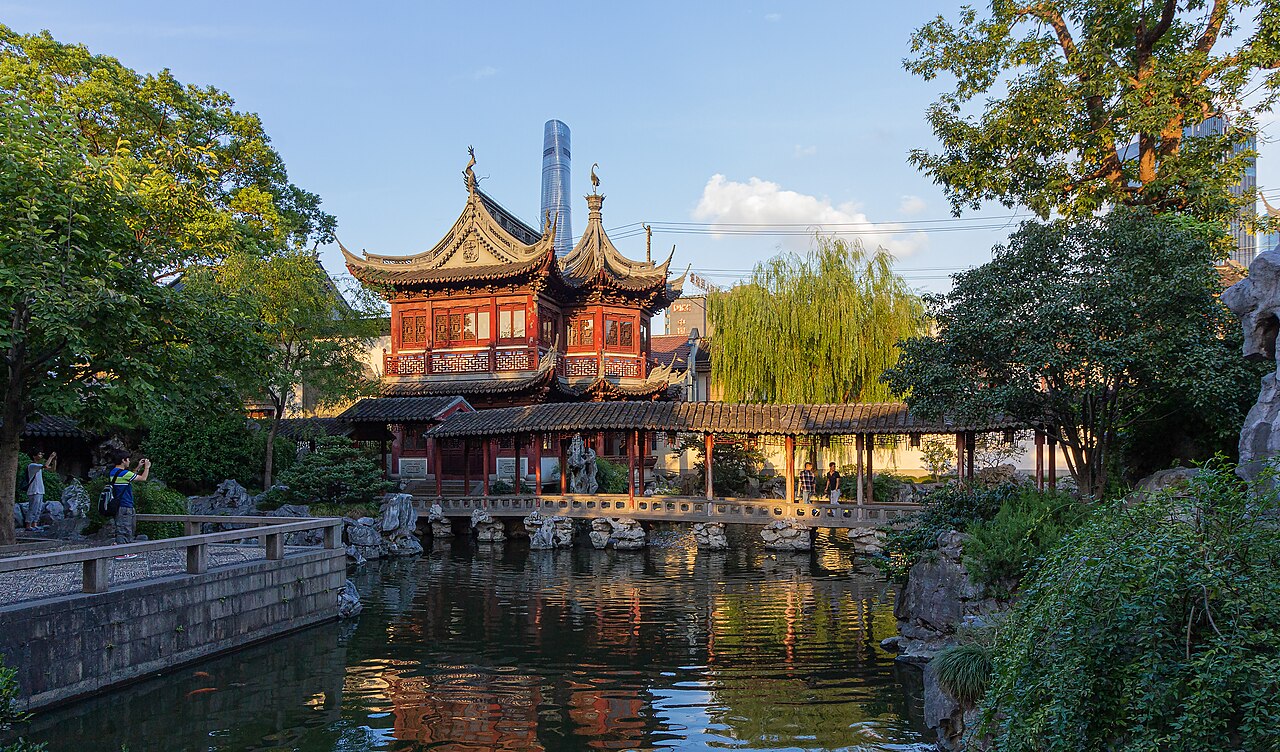
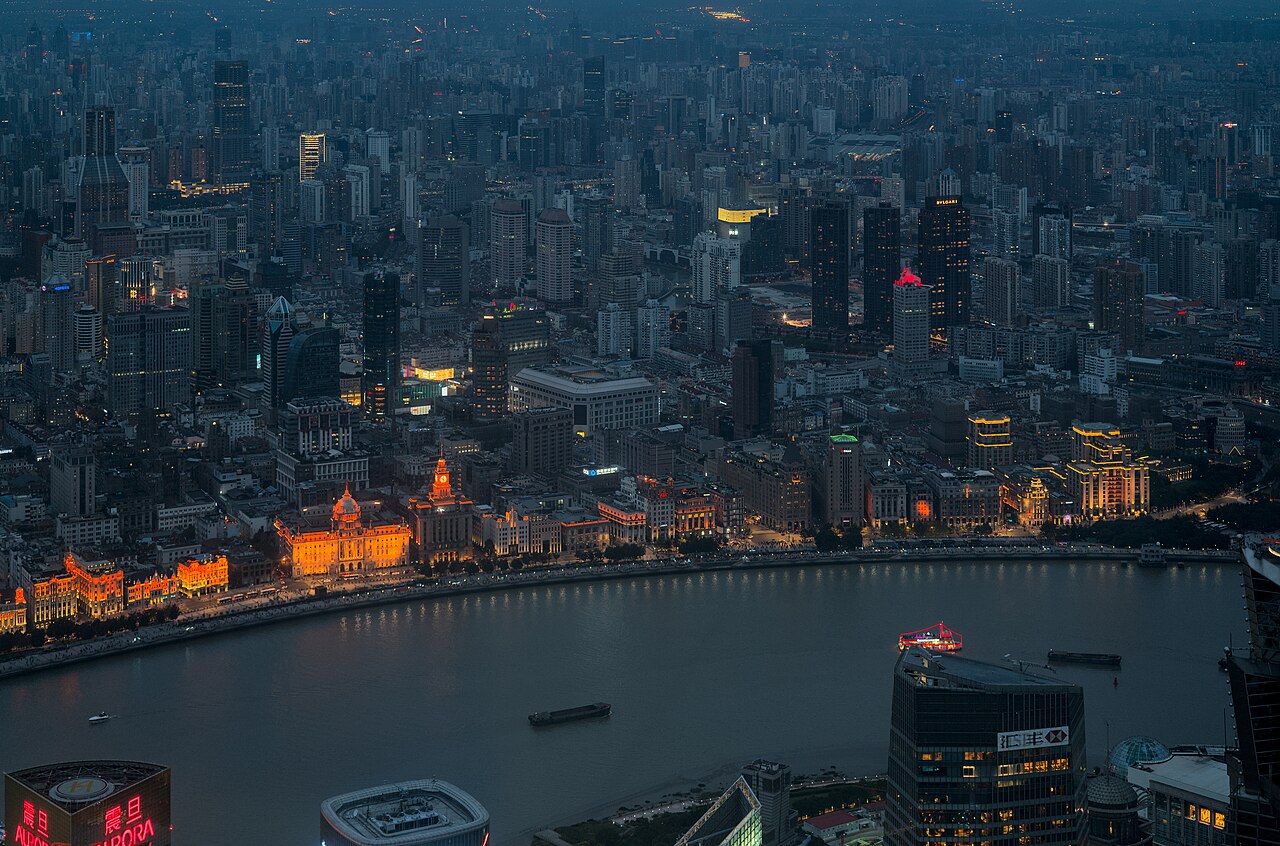
Start early with the Bund promenade, when the light is soft and the crowds are thin. Read the facades from north to south, from the old banks and trading houses to the riverside walk, and take in the view across to the Pudong skyline. Walk inland to Yu Garden and the bazaar around it, where the Ming-era pavilions, ponds and rockeries are a quick lesson in Chinese garden design. Have lunch in the old city, then walk or take a short metro ride to Nanjing Road for an afternoon of shops and people watching. Finish the day with an evening Huangpu River cruise, when both banks are lit and the boats glide past the towers, or simply walk the Bund again after dark.
Day two: Pudong and the Shanghai Tower
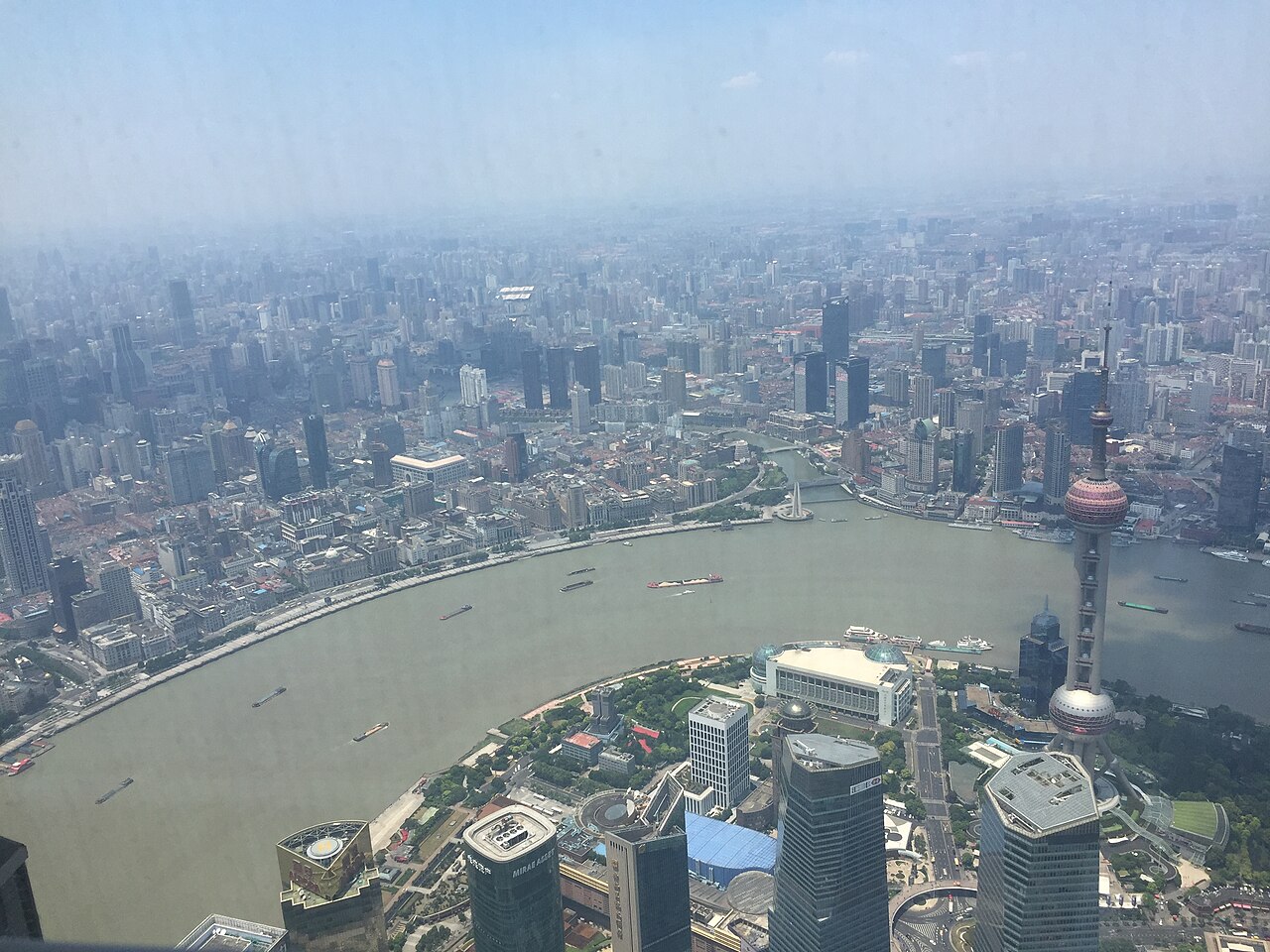
Cross the river in the morning to Lujiazui, the financial district, where the skyline is a short walk from the metro. The Shanghai Tower observation deck, one of the highest in the world, is the main event, and on a clear day the view over the river, the old city and the delta is spectacular. Book a timed ticket in advance and aim for the late morning or the afternoon, depending on the weather. Walk along the riverside after the tower to see the Bund from the other bank, and if you still have energy, add the Oriental Pearl Tower or the Shanghai Museum on the Puxi side later in the day. Take dinner in Pudong or head back across the river by metro.
Day three: the French Concession and an evening show
Spend the morning in the Former French Concession, the most pleasant part of the city for walking. The plane-tree-lined streets, the villas, the small cafes and the boutiques are best enjoyed without a plan, and a guided breakfast food tour is a good way to start if you want to eat your way through the district with a local. Wander along Wukang Road and the surrounding lanes in the afternoon, stop for coffee and let the pace slow. In the evening, finish with an acrobatics show, which is a lively and family-friendly end to a long trip.
How to adapt the plan
If you only have two days, combine day one and two by taking the tower in the morning and the Bund and old city in the afternoon. If you have a fourth day, add a water town such as Zhujiajiao for canals and bridges, or go to Suzhou or Hangzhou for gardens and a lake. Families may want to swap day three for Shanghai Disneyland, which needs a full day. If the weather turns wet, move the indoor sights, such as the museum, forward and keep the skyline for a clearer day.
Where to stay
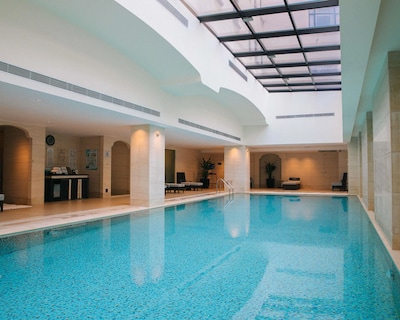
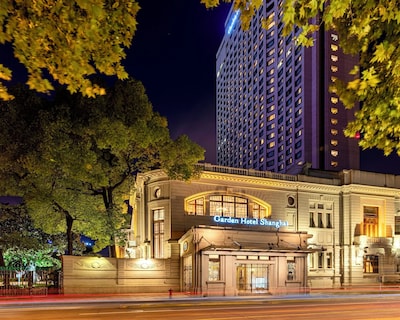
A hotel on the Bund puts you on the waterfront for the first night's walk and the evening cruise, while a base in the French Concession gives you a calmer stay and an easy start on day three. Whichever area you choose, check the metro map before you book, since a hotel within a ten-minute walk of a station makes every day easier.
Practical notes
Go early to the busiest sights, which fill up by late morning, and book timed tickets ahead where possible. Allow time for lunch, since good food is a highlight of the city and not a distraction from it. Carry some cash as a backup, keep your phone charged and use the metro for longer distances and taxis for short late-night rides. Avoid the national holiday weeks if you can, because the crowds change the character of every sight. Above all, leave room in each day for something unplanned, such as an alley, a tea house or a bridge you did not expect, since that is where Shanghai is at its best.