Shanghai is a city you can visit in any month, but the season changes the trip more than most people expect. The climate is humid and subtropical, with four distinct seasons, and each brings different weather, different crowds and different things to do. For most visitors the best times are spring and autumn, but the right choice depends on what you want to see. This guide walks through the year and then covers the holidays that can make or break a trip.
Spring: March to May
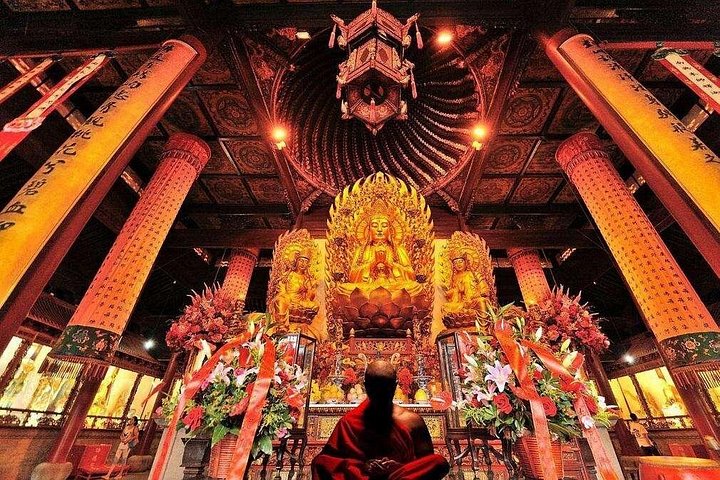
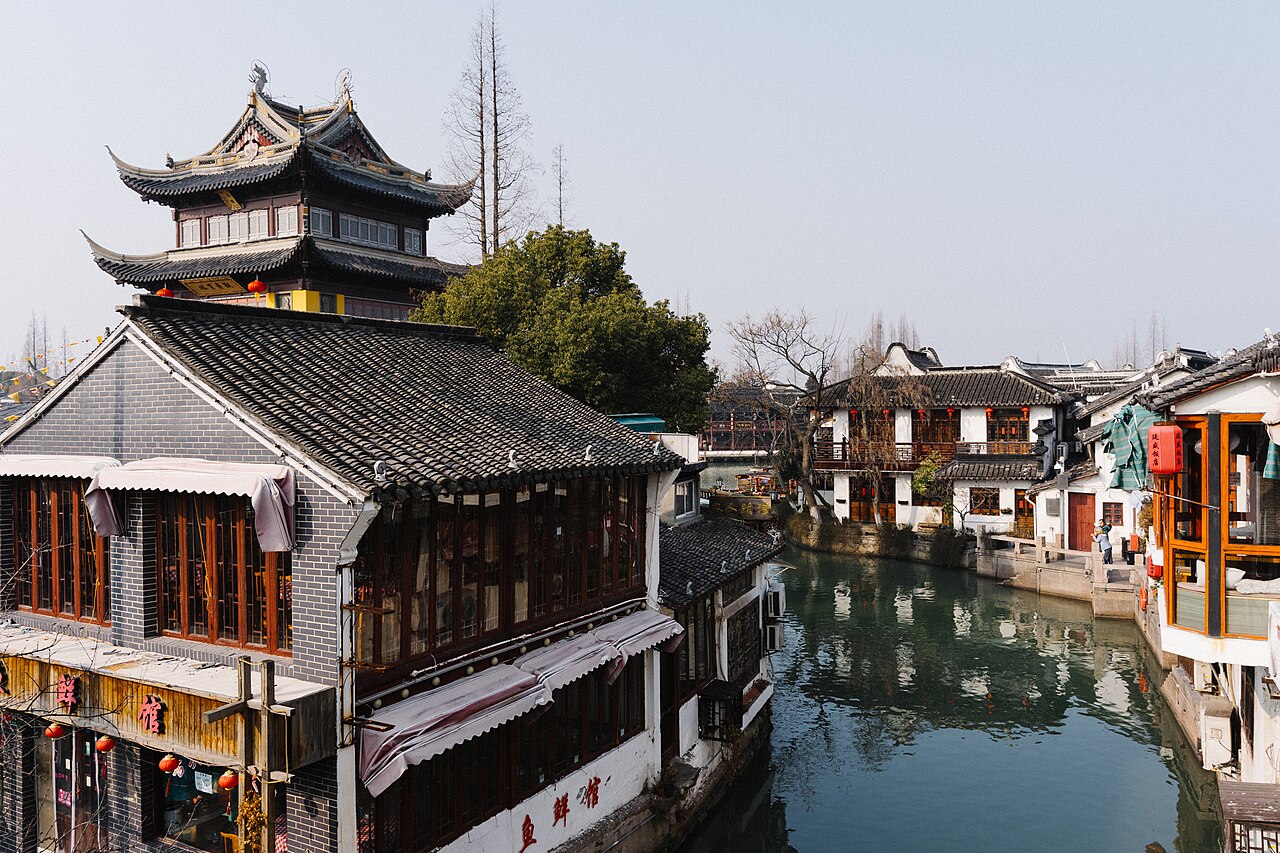
Spring is one of the two best seasons, with mild temperatures, fresh greenery and blossom in the parks and gardens. The weather can be changeable, with showers and some cool days early in the season, so pack a layer and an umbrella. It is a good time for walking in the French Concession, visiting Yu Garden and taking day trips to the water towns and to Hangzhou, where the new tea and the lakeside blossom are at their best. Spring is also the season of the Longhua temple fair, which brings colour and crowds to the temple grounds. Crowds are moderate, except in the holiday week around the start of May.
Early summer: the plum rain
From roughly mid June into early July, the region enters its rainy season, known locally as the plum rain. It brings overcast skies, frequent showers and high humidity, with days of steady drizzle. It is not the best time for the observation decks or for long outdoor walks, though the museums, temples and covered markets are fine and the gardens look lush. If you visit then, plan indoor alternatives and keep an eye on the forecast.
Summer: July and August
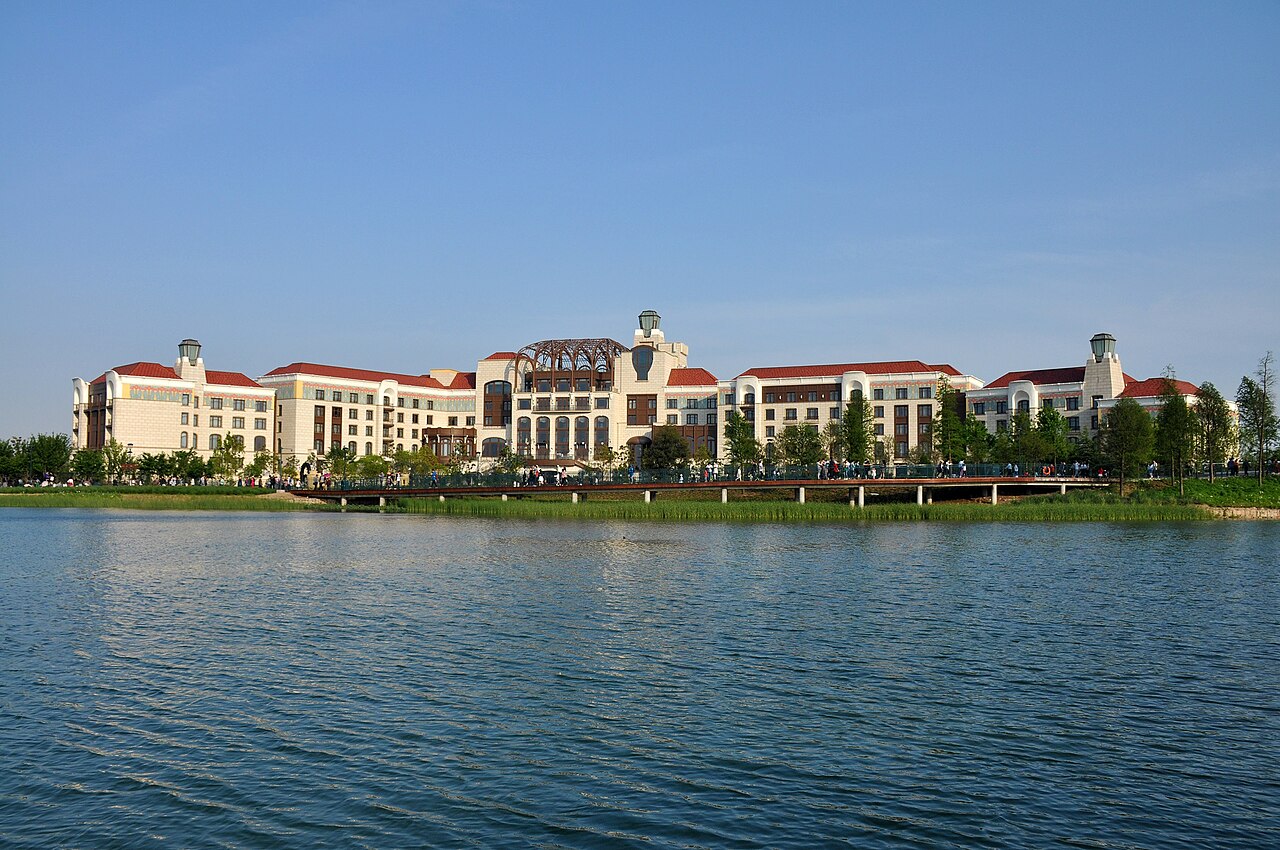
Summer is hot and humid, with high temperatures and little relief at night. The heat can be tiring, and the sun is strong, so plan outdoor sightseeing for the early morning and the evening, and use the middle of the day for museums, shops and air-conditioned rest. This is the peak season for families, so Shanghai Disneyland and other attractions are busy, and you should book tickets early. Late summer brings the risk of typhoons, which can disrupt outdoor plans and transport for a day or two, so keep your itinerary flexible and check the forecast close to your dates.
Autumn: September to November
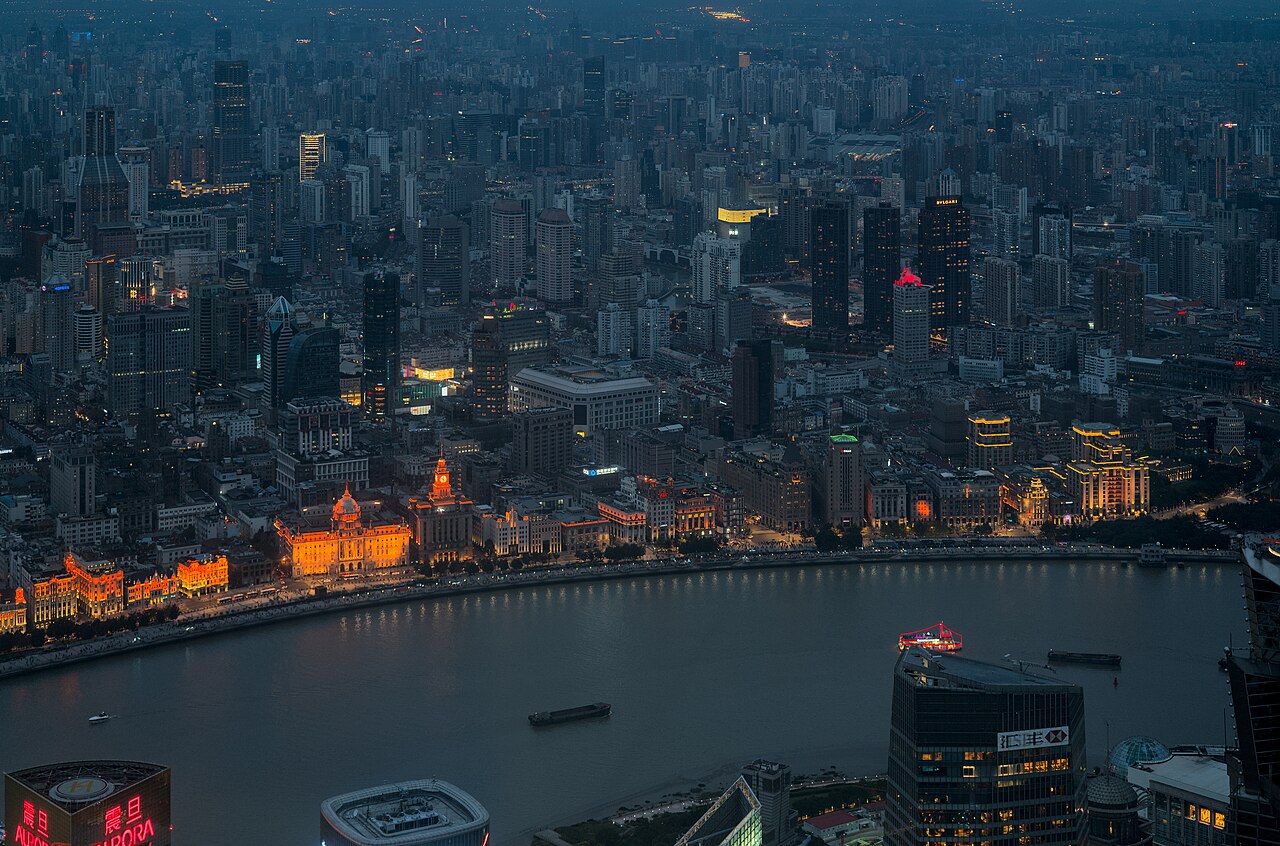
Autumn is the other best season, with clearer skies, lower humidity and comfortable temperatures from about October. This is the best time for the skyline, because the air is often clearer and the observation decks give long views. Hairy crab season begins in the autumn, and the osmanthus blooms, which is a good reason for a food-focused trip. The main caution is the first week of October, the national holiday known as Golden Week, when the whole country travels and every major sight is extremely crowded. Aim for mid October to November instead.
Winter: December to February
Winter is cold and damp, with temperatures that can drop close to freezing, grey skies and little central heating in older buildings, so dress in layers. In return you get the smallest crowds and the lowest hotel rates outside the holidays, and the skyline can be crisp on a clear day. It is a good season for museums, tea houses and hot food, though less ideal for water towns and gardens. Winter is also the season of the Chinese New Year holiday, when many local people travel home and some small shops and restaurants close for several days. The city itself is quiet, and the festival lights and temple events are worth seeing, but check opening hours in advance.
Holidays to plan around
The two periods that matter most are the Chinese New Year holiday in late January or February and Golden Week in early October. Transport is heavily booked, hotel rates rise and the main sights are crowded. If you cannot avoid them, book trains, tickets and rooms well in advance, start your days early and choose quieter sights such as temples and neighbourhood walks. Smaller public holidays, such as the Qingming and Dragon Boat festivals, bring shorter spikes in crowds.
Choosing your month
For comfort and views, choose April to May or mid October to November. For lower prices and quiet, choose winter outside the New Year week. For families on school breaks, summer is possible with careful planning around the heat and the typhoon season. Whatever the season, build in indoor options, check the forecast and keep a day free for the weather to decide.