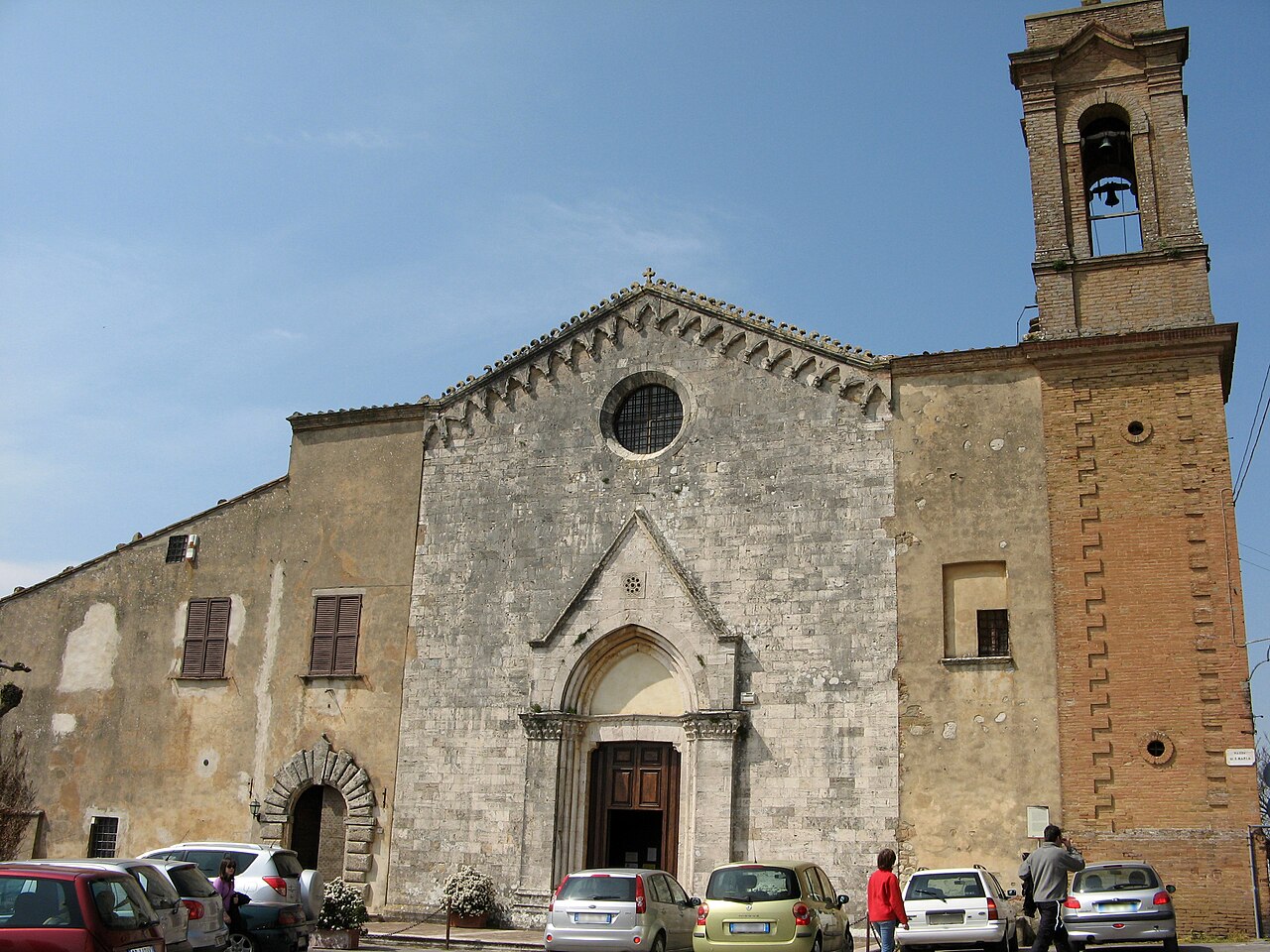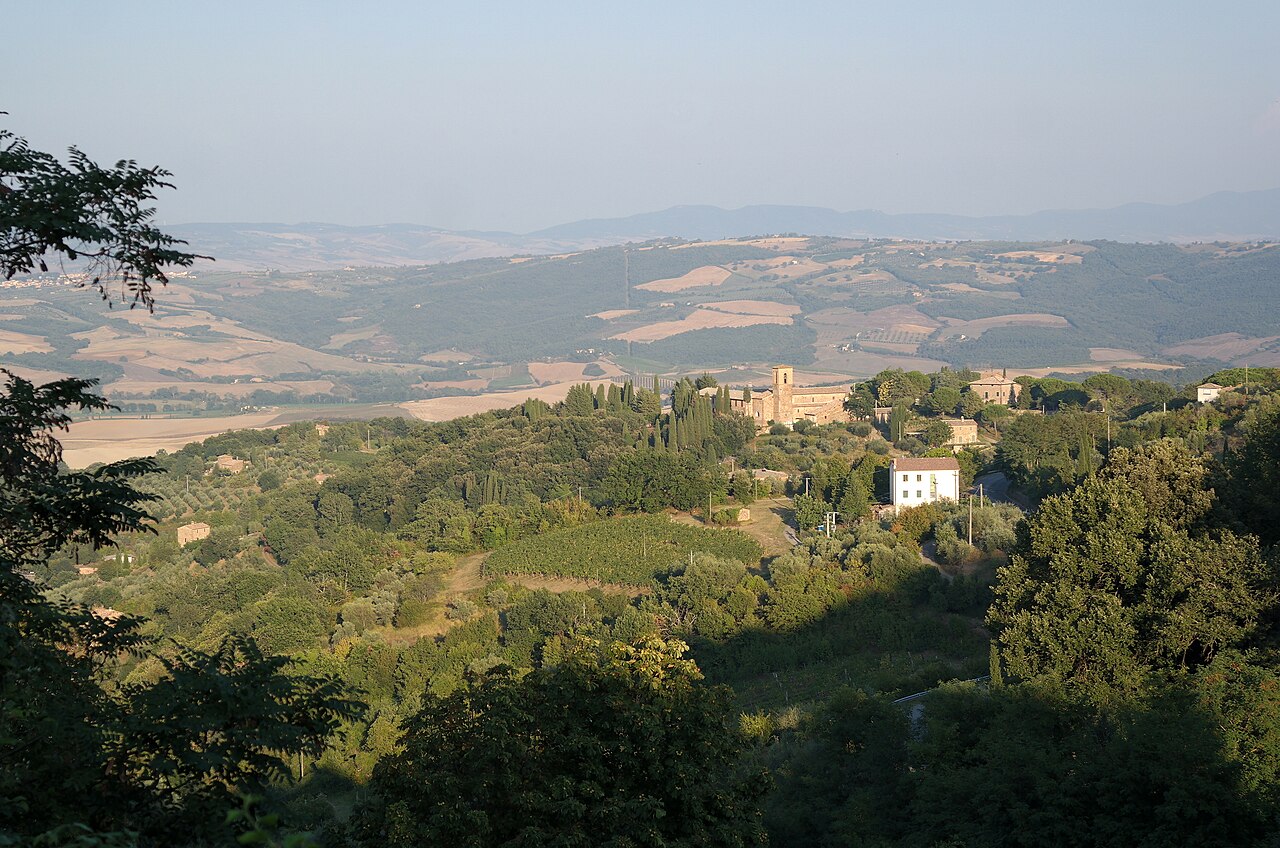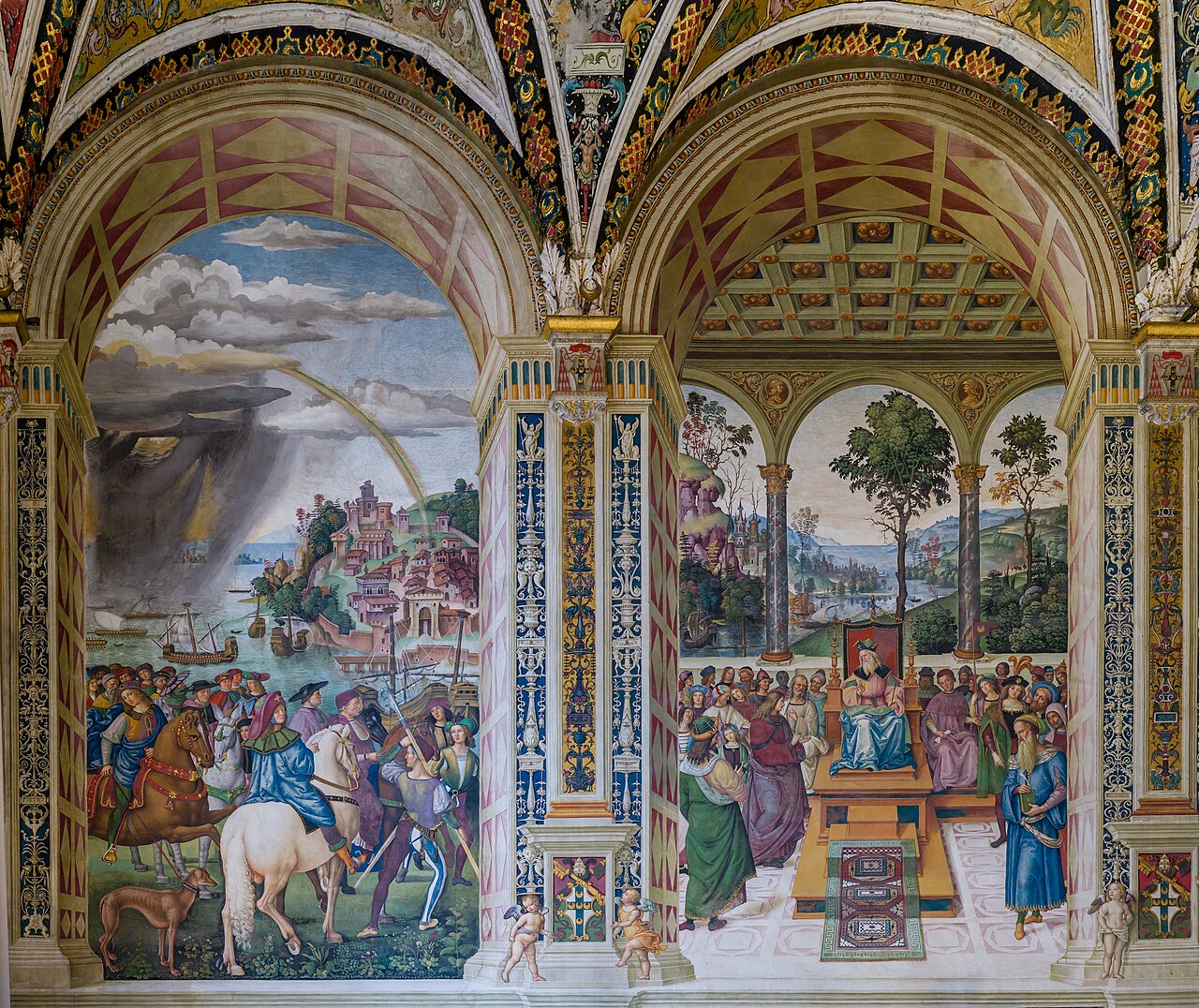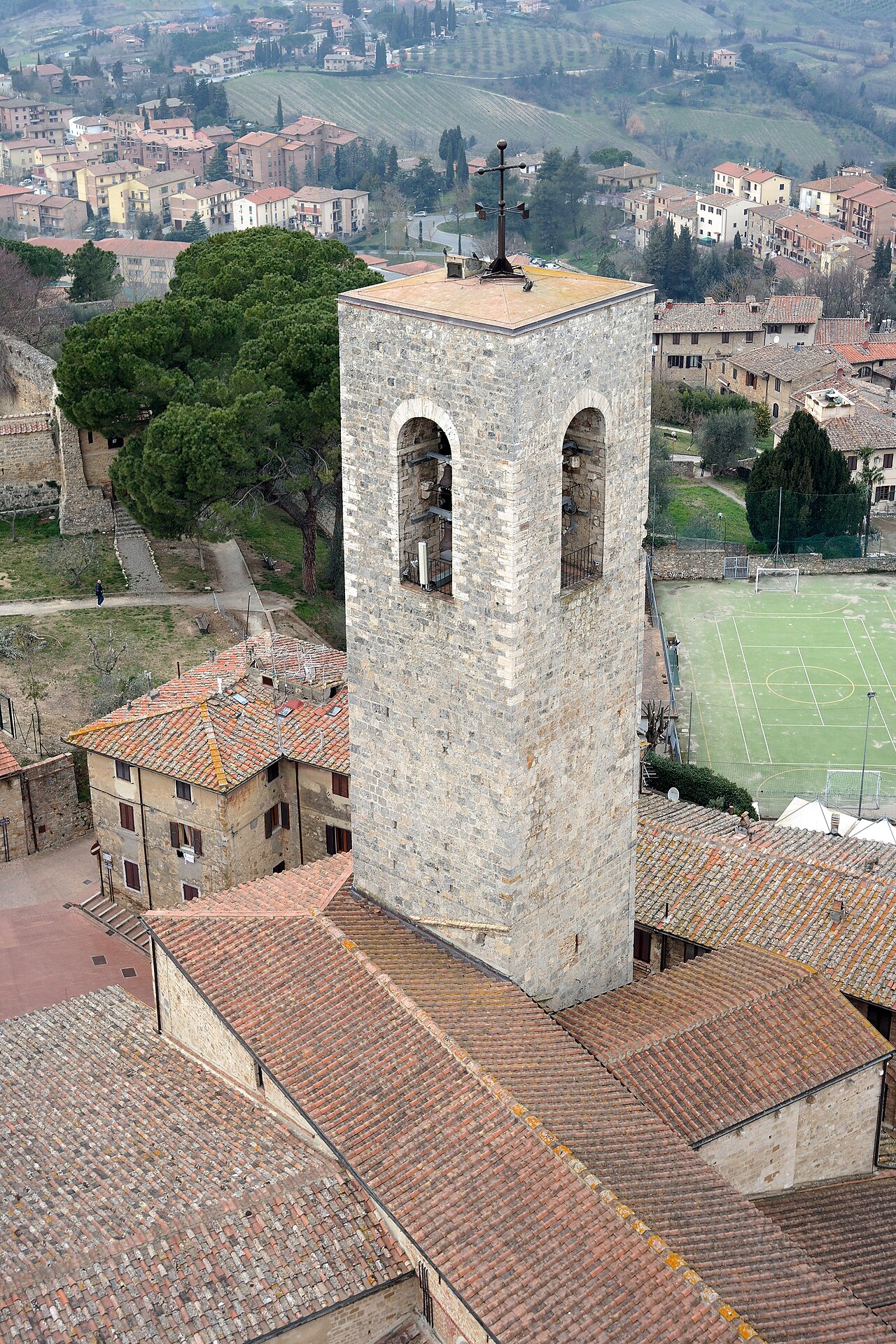
Pienza is a small town in the Val d'Orcia, and it is the best place to see the Renaissance ideal of the perfect town. It was born as Corsignano, the birthplace of Enea Silvio Piccolomini, who became Pope Pius II in the fifteenth century. He had his humble village transformed, and Bernardo Rossellino and Leon Battista Alberti carried out the renovation from 1459 to 1462. The centre of the town is Piazza Pio II, framed by the cathedral with its octagonal bell tower, the town hall with a large loggia and Palazzo Piccolomini. The town was recognised by UNESCO in 1996, together with the wider Val d'Orcia. Walking the whole centre takes less than an hour, and the lanes lead to views.
What to see
The Cathedral of the Assunta has a crypt and notable paintings, Palazzo Borgia holds the Diocesan Museum, and the Archaeological Museum in the former San Carlo school has Etruscan collections. The Palazzo Piccolomini is a museum with a hanging garden that gives the best view over the valley, from Montalcino to Monte Amiata. The palace has its own winter hours and short annual closures in some years, so check the dates if you plan to go inside. A short walk from the centre stands the Romanesque parish church of Corsignano.
What to eat
Pienza is regarded as the capital of pecorino cheese, and shops sell fresh and aged rounds, saffron, truffles, Cinta Senese salami and pici pasta. Local wines include Brunello di Montalcino, Rosso di Montalcino and Orcia DOC. The cheese festival, the Fiera del Cacio, takes place in September, so outside September you can still buy pecorino from the shops, but the town is much quieter.
Planning the trip
Pienza is about fifty kilometres from Siena, and it is about fifteen kilometres from Montepulciano and twenty from Montalcino, which makes it a natural centre for a day in the valley. Car access to the centre is limited, so park outside and walk in. Monticchiello, a nearby village with a keep and walls, is a short drive away and worth a short stop.
What to expect
The experience
A free self-guided walk around a compact Renaissance town, with optional visits to the cathedral, the Palazzo Piccolomini museum and its hanging garden.
Best time
Go in the morning for quiet lanes, and return at sunset for the light on the valley.
How long
An hour covers the centre, and three or four hours allows a museum visit and lunch.
Tips
Buy pecorino from a shop to take home, check the palace's winter hours, park outside the centre and bring a layer for the wall viewpoints.
Quick picks
- Best for
- Couples, photographers and food lovers.
- Families
- The town is compact and car-free, which suits children, though there is little to do beyond walking and eating.
- Couples
- Walk the wall viewpoints at sunset and have a pecorino-and-wine lunch.
- Pair with
- Montepulciano, Montalcino and the Val d'Orcia.
- Time needed
- Half a day.
Good questions
Why is Pienza famous?+
It was rebuilt in the fifteenth century by Pope Pius II as an ideal Renaissance town, and it has changed little since. UNESCO recognised it in 1996.
Can I visit Palazzo Piccolomini?+
Yes, it is a museum with a hanging garden and valley views. Hours and short annual closures vary, so check before you go.
What should I buy in Pienza?+
The town is known for pecorino cheese, and shops also sell saffron, truffles and cured meats. Local wines include Brunello and Orcia DOC.
How far is Pienza from Siena?+
About fifty kilometres. It is about fifteen kilometres from Montepulciano and twenty from Montalcino.
Can I drive into the centre?+
Access is limited, so park outside and walk. The centre is compact and easy to explore on foot.