Tuscan food is simple, seasonal and strongly tied to the place it comes from. Around Siena that means hand-rolled pasta, a rare breed of pig, sheep's cheese from the hills and some of Italy's most famous red wines. This guide covers what to order, where the best tastings are and which experiences make the food easier to understand.
Pasta and mains
Pici is the signature pasta of the Siena area, a thick, hand-rolled spaghetti that is often served with a garlicky tomato sauce called aglione, with a ragu of wild boar or with a simple dressing of toasted breadcrumbs and oil. Other typical dishes include ribollita, a thick vegetable and bread soup, pappa al pomodoro, and bistecca or grilled meats in the hill towns. Wild boar, called cinghiale, appears in sauces and stews, and in autumn and winter mushrooms and truffles join the menu. Lunch is the main meal for many Tuscans, so a trattoria often has its best dishes before the afternoon lull, and dinner starts later than in northern Europe.
Cured meats and cheese
Cinta Senese is a black pig with a pale band around its shoulders, raised in the hills near Siena, and it gives salami, prosciutto and other cured meats with a sweet, deep flavour. Pecorino, the sheep's cheese, is the regional cheese, and Pienza is regarded as its capital, with shops selling young, soft rounds and sharper aged ones, sometimes with honey or pear jam. Buying cheese and cured meat in a shop and taking it with bread and olive oil to a viewpoint is one of the cheapest and best meals in Tuscany.
Sweets
Siena is known for sweets with medieval roots. Panforte is a dense, spiced cake of nuts and candied fruit, ricciarelli are soft almond biscuits and cavallucci are spiced cookies. Many are eaten at the end of the year, but pastry shops in the centre sell them throughout the year. Vin Santo, a sweet dessert wine, is often served with hard almond biscuits for dipping.
The wines
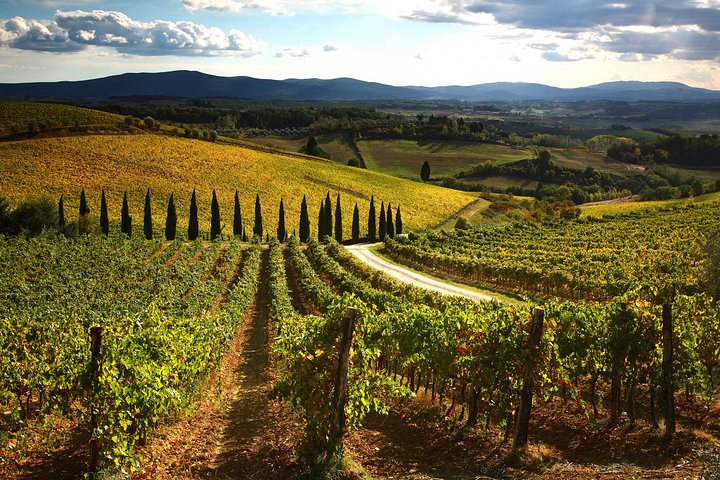
Three red wines define the area, and all are built on the Sangiovese grape. Chianti Classico, from the hills between Siena and Florence, carries a black rooster emblem and is the easiest to find. Brunello di Montalcino, from the hill town of that name, is richer and longer aged. Vino Nobile di Montepulciano comes from the cellars of Montepulciano and sits between the two in style. White wine lovers can look for Vernaccia di San Gimignano, a dry white from the town of towers. If you want to taste several in one place, the Temple of Brunello in Montalcino pours Brunello inside a museum, and a Chianti day trip tastes the wine where it is made.
Experiences that explain the food
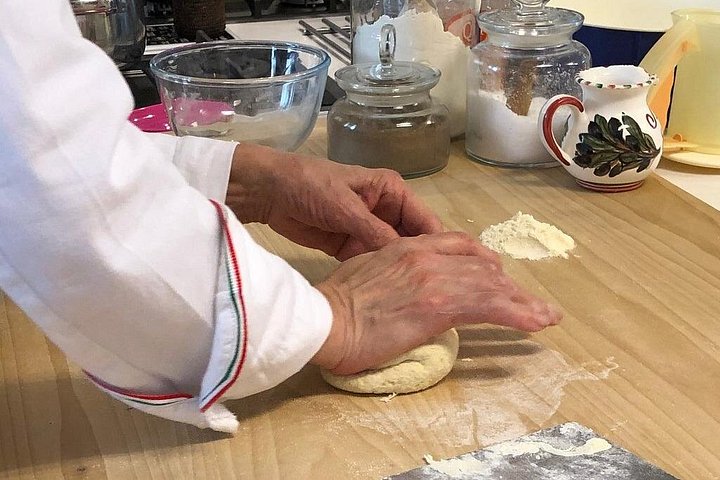
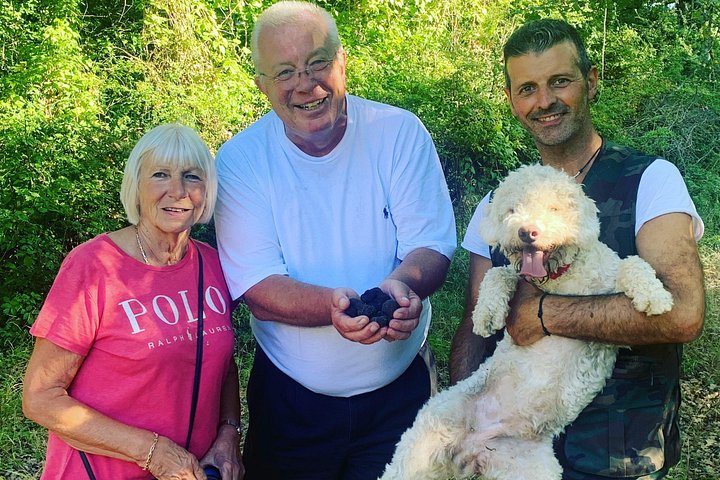
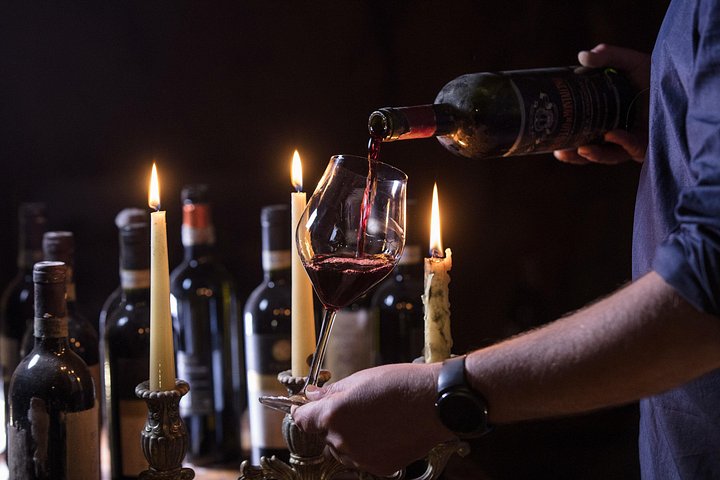
A guided food tour of Siena strings together tastings in small shops and ends with a seated meal, which is the quickest way to learn what to order. A cooking class lets you make fresh pasta and eat the result, and it suits rainy days and evenings. A truffle hunt takes you into the woods with a hunter and dogs, with a tasting afterwards, and the best season is autumn. An underground tasting in a medieval cave adds atmosphere to a flight of wines, and a small-group Chianti trip adds castles and a long lunch.
Eating well in practice
Avoid restaurants with picture menus on the main square. Walk a couple of streets away, look for short menus and ask what is in season. Book dinner on weekends, because good small places fill up. Many restaurants close one day a week, often Sunday evening or Monday, and some small places in the hills close for part of the winter, so check before you drive. Coperto, a small cover charge per person, is normal and is not a tip.
Drinking sensibly
Tasting and driving do not mix, and the roads between wine towns are narrow and winding. Choose a designated driver, a guided trip or a taxi. Tap water is safe to drink. Aperitivo hour in the Campo is pleasant, though a drink on the square costs more than elsewhere in town, so sit on the brick if you are on a budget.
What to bring home
Pecorino, olive oil, panforte and a bottle of Brunello or Chianti Classico travel well, but check your airline and customs limits for cheese, meat and alcohol. Vacuum-packed cheese and sealed packs of cured meat survive a trip better than loose ones.