Three days is the right length for Siena and its hills. It gives the city a full day, adds a day for the towers and vineyards to the north, and leaves a day for the Val d'Orcia and its wine towns to the south. This plan keeps each day to a single area, so you spend your time looking rather than driving. It assumes you sleep in or near Siena for all three nights.
Day one: the city on foot
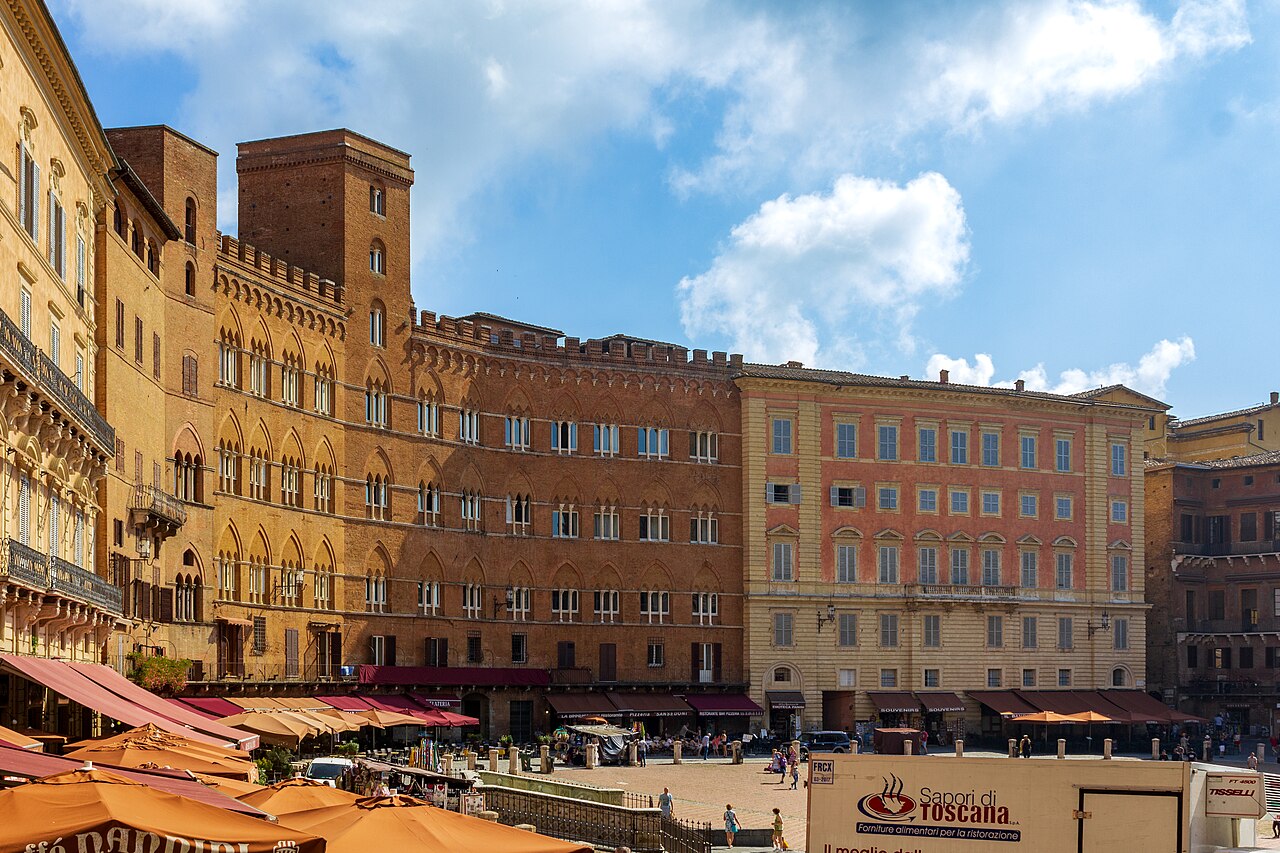
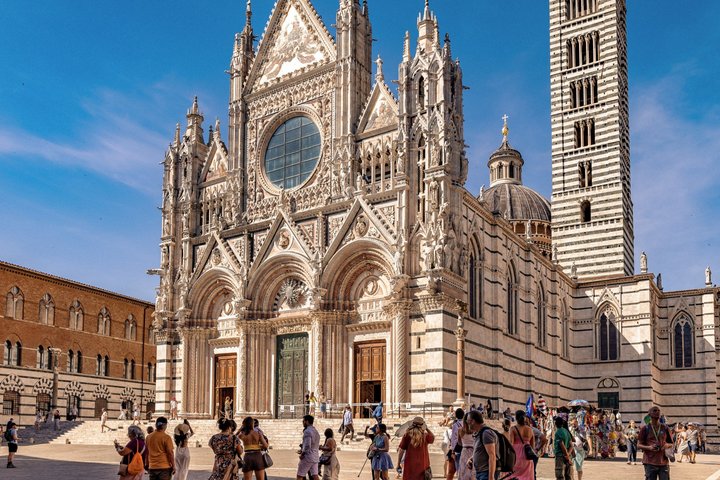
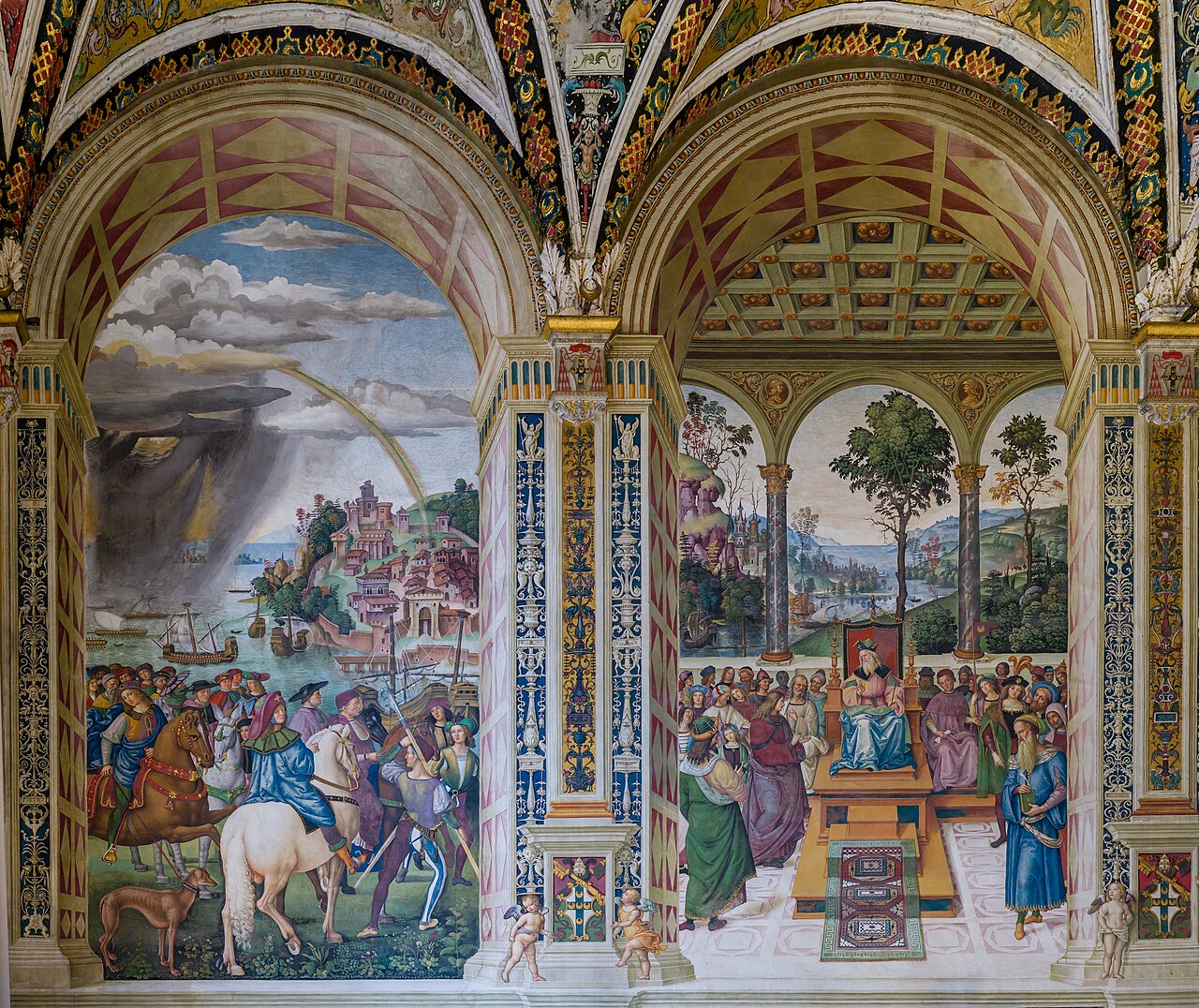
Start in Piazza del Campo, which is free and open at all hours, and let the shell-shaped square explain the city before you buy a ticket. Go to the Palazzo Pubblico as early as you can. Tickets for the Torre del Mangia are sold on the day at the palace ticket office, climbs run in timed groups and can sell out, so secure your slot first and then visit the Civic Museum, with its frescoes of good and bad government, while you wait. After lunch, walk up to the cathedral, where the striped marble, the carved pulpit, the inlaid floor and the Piccolomini Library reward a slow visit. If you have energy left, cross the square to Santa Maria della Scala, a former pilgrim hospital with a frescoed main hall and underground galleries, and remember it closes on Tuesdays in winter. If you prefer a guide, a walking tour with the cathedral on your first morning gives the day a thread.
Day two: towers, a walled village and Chianti
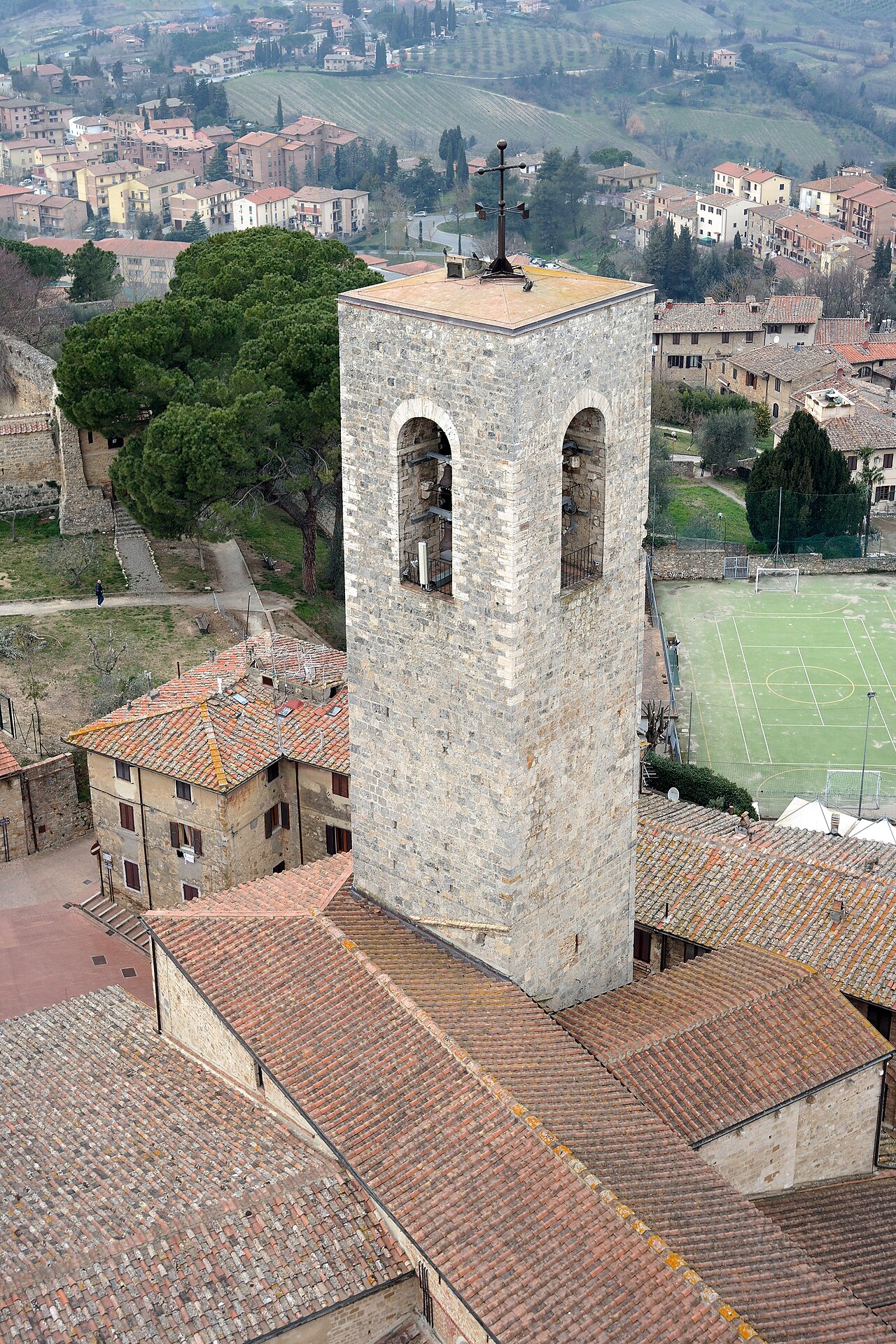
Head north for the classic Tuscan skyline. Monteriggioni is the first stop, a tiny village inside a perfect ring of walls and fourteen towers, and an hour is enough. Continue to San Gimignano, the town of towers, where the Collegiata church is covered in fourteenth-century frescoes and the Torre Grossa gives a view across the roofs. Go early or stay late to avoid the day-trip crowds. If you would rather not drive, a guided day trip that links Siena, Monteriggioni and San Gimignano with lunch and a tasting is an easy way to do it. Alternatively, spend the day in Chianti on a small-group tour with castle stops, lunch and a wine tasting, which also removes the question of who drives.
Day three: the Val d'Orcia
Go south into the landscape most people picture when they think of Tuscany. Pienza, rebuilt by Pope Pius II as an ideal Renaissance town, is compact enough to see in an hour and is the place to buy pecorino cheese. Montalcino is the home of Brunello, and the Temple of Brunello there explains the wine in a former convent before a tasting. Montepulciano, on its long ridge, has Vino Nobile cellars and a tower with views over two valleys. You cannot do all three properly in one day, so choose two and leave time for a long lunch. The roads are winding and public transport is limited, so a car, a driver or a guided trip makes the day easier. Tasting and driving do not mix, so decide who is driving before you pour.
Where to sleep
Three nights in Siena suits this plan, because the city is the natural hub. A hotel inside the old town lets you walk everywhere on day one, while a villa or monastery just outside the walls gives space and quiet at the cost of a short drive. For the second and third days you will be on the road anyway, so a base with parking is a practical advantage. If you want a different rhythm, spend the second night in San Gimignano after the day-trippers have gone.
What to book ahead
The cathedral complex sells timed tickets, and a pass covers the museum, baptistery, crypt and facade viewpoint over three days. Museum entry at the Palazzo Pubblico can be bought online, but the tower cannot be booked in advance. For the countryside days, book your guided trip, wine tasting or tour a few days ahead, and reserve dinner on weekends.
Adapting the plan
If it rains, swap days: museums and the cathedral are good in wet weather, and the countryside is best in clear light. If you have only two days, combine day one with a single hill-town trip. If you have four, add a food tour or a cooking class in the evening of day one or day three, and spend a morning walking the lanes of the contrade without a ticket.
Practical tips
Wear shoes with grip for cobbles, cover shoulders and knees for churches, and carry a layer for the wind on the hilltops. Park outside the walls, because Siena's centre is a limited traffic zone. Keep bags closed in crowded squares. Leave an evening free for the Campo, where the brick holds the day's warmth and the tower is lit.