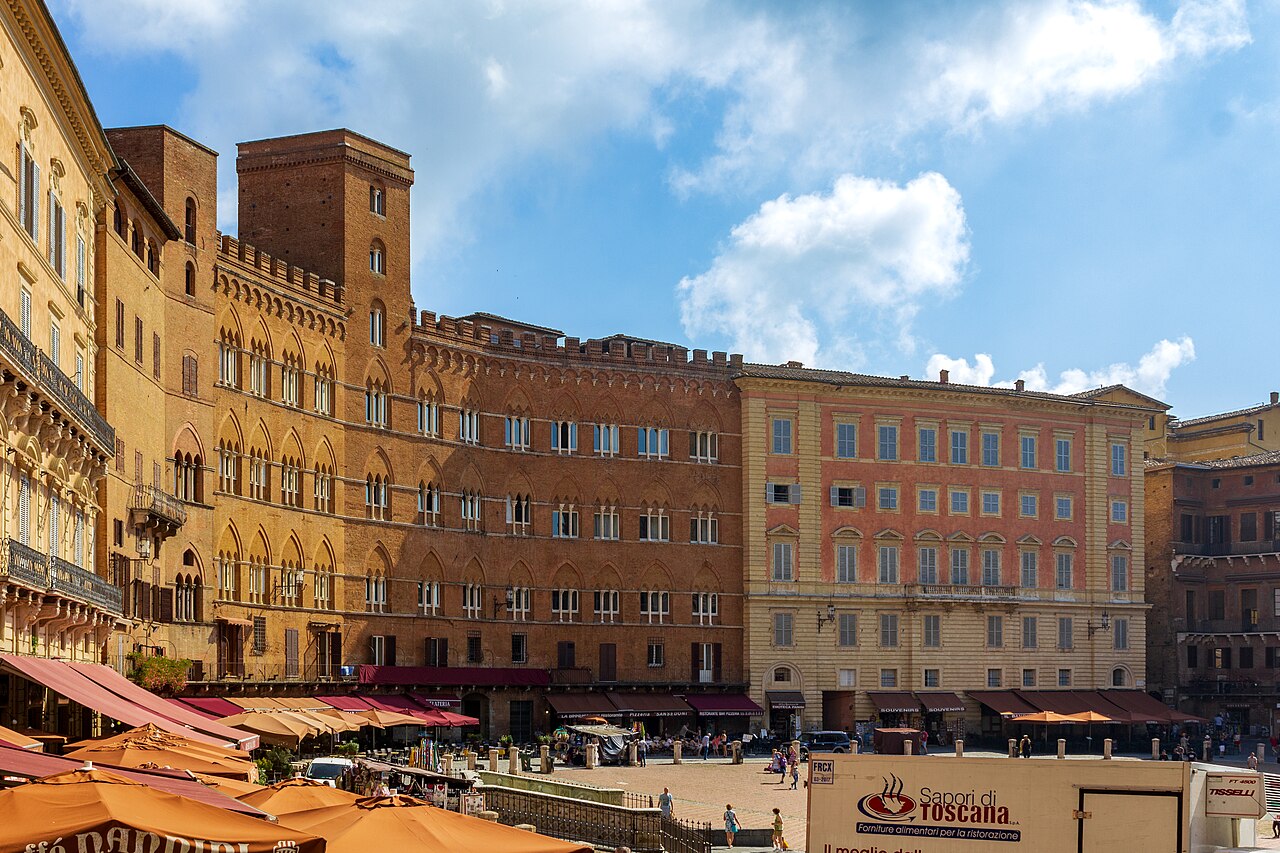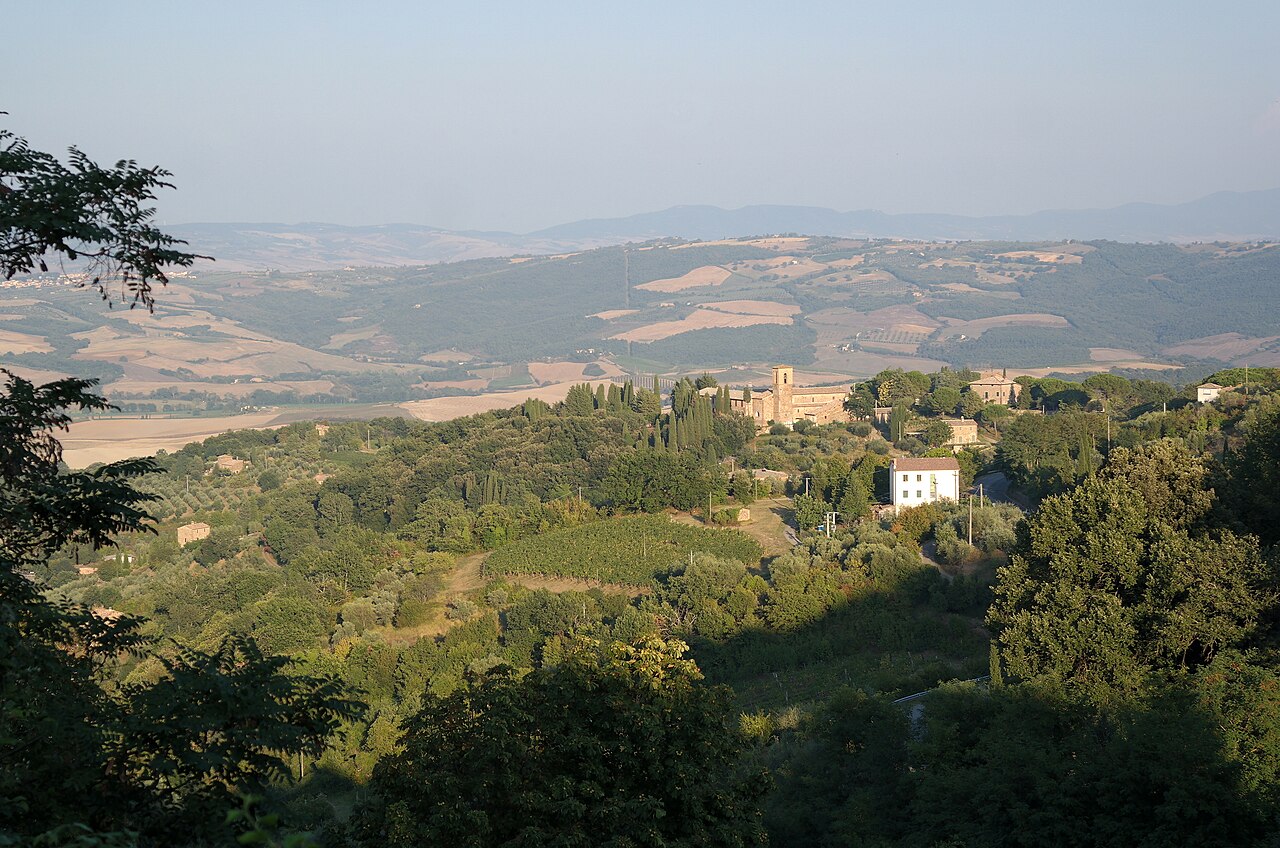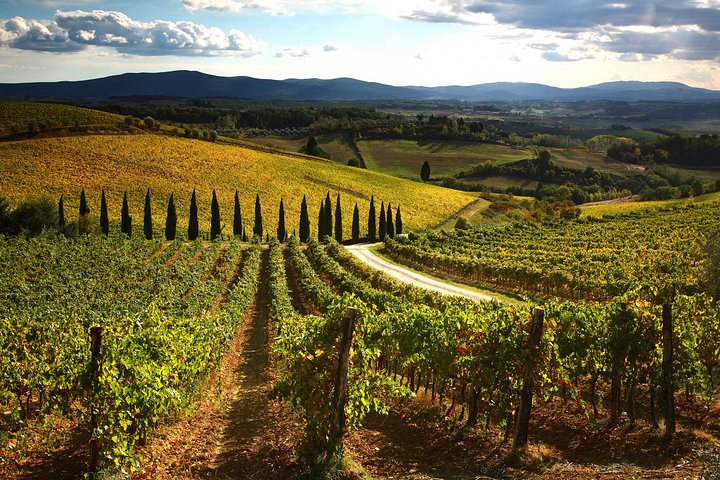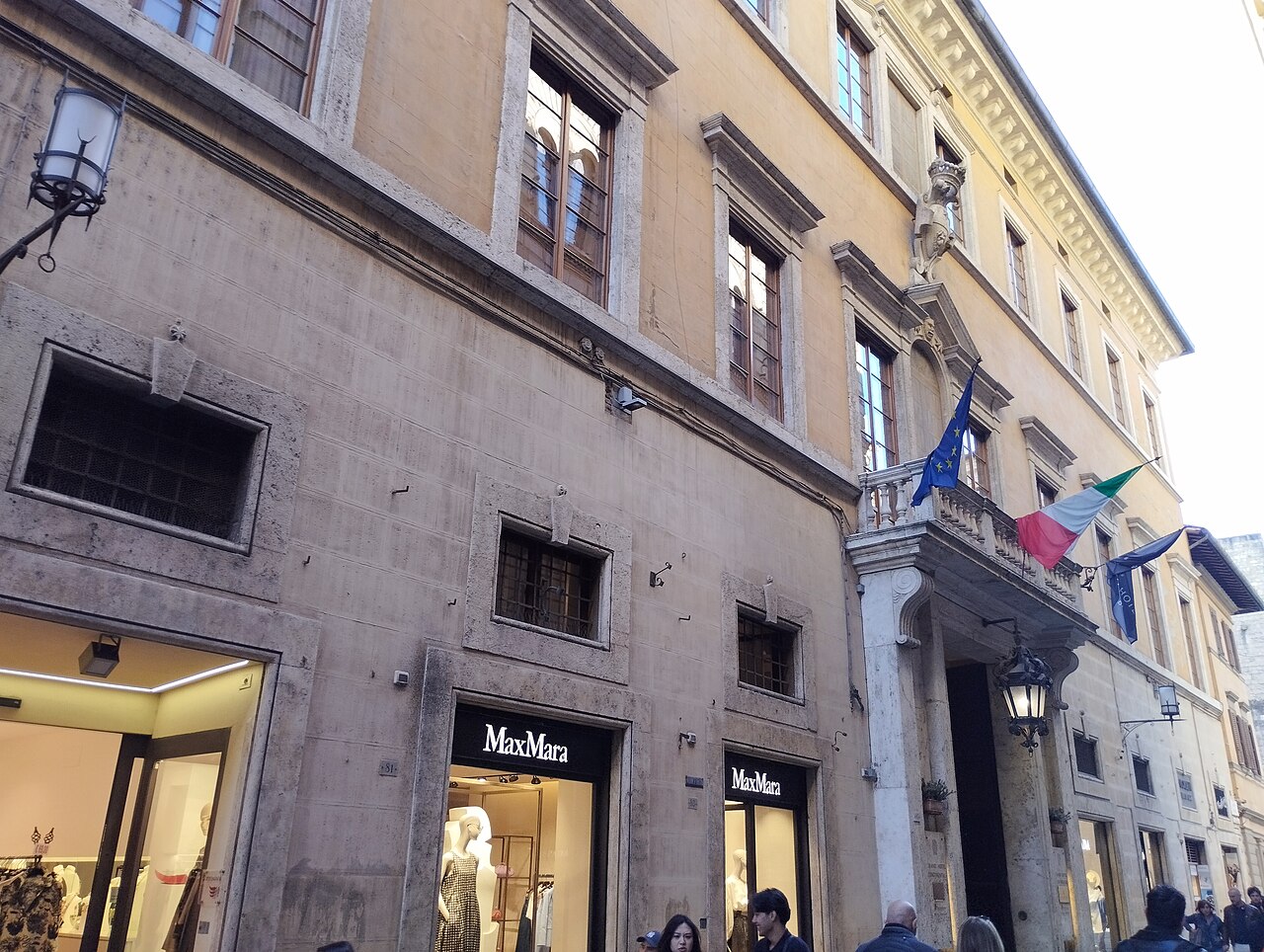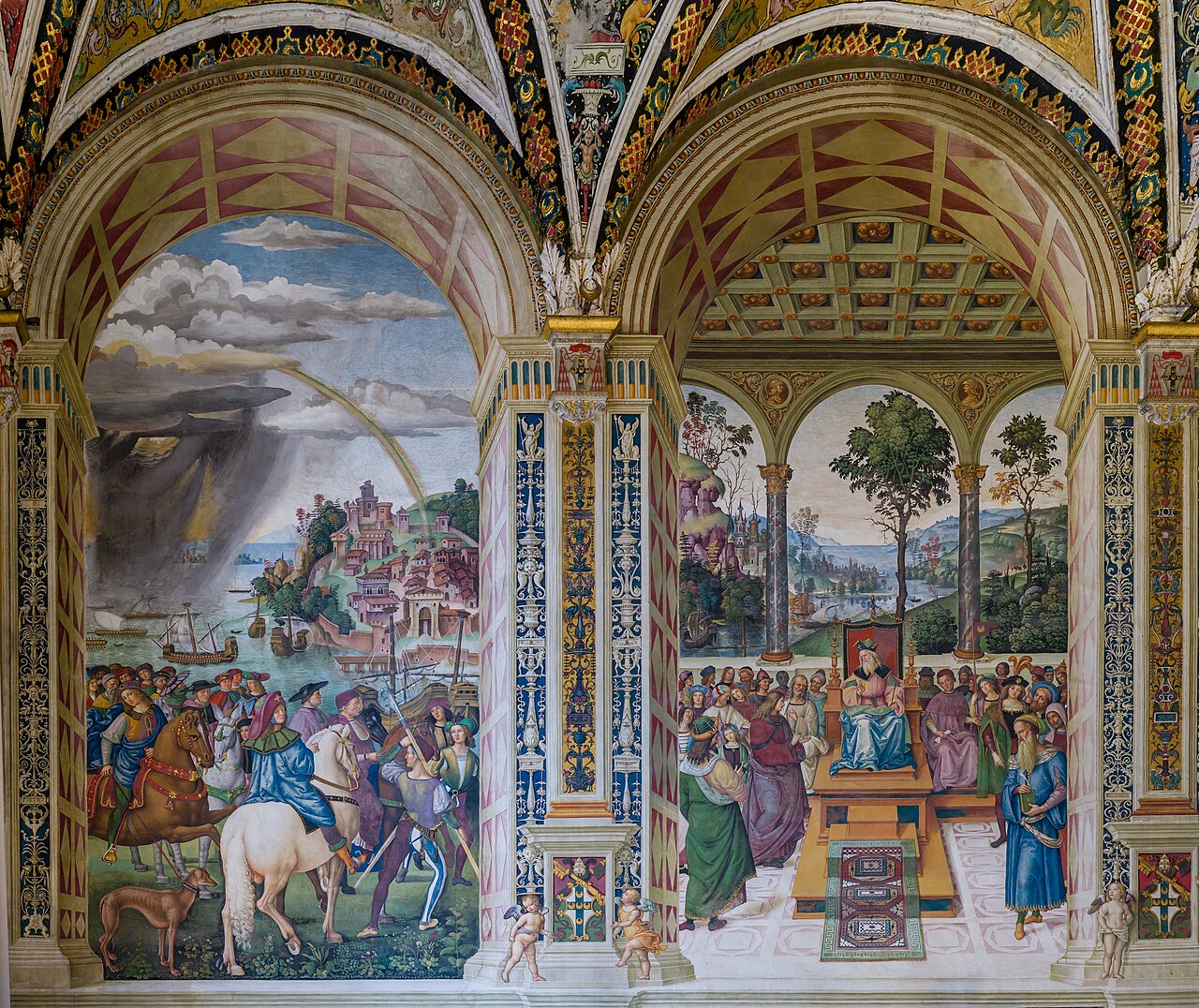
Siena is a medieval hill city of brick and stone built around one great shell-shaped square, and it makes an excellent base for the hills and wine country of southern Tuscany. This guide covers Siena itself and the places around it: San Gimignano, Montepulciano, Montalcino, Pienza, the Val d'Orcia and Chianti. Florence and Pisa are not covered here.
How many days
Two days is the minimum for Siena alone, which lets you see the cathedral complex, the Palazzo Pubblico and the Campo at an easy pace. Add one day each for the Val d'Orcia (Pienza, Montalcino and Montepulciano together) and for San Gimignano or Chianti, and four days is comfortable. If you have only one day, spend it in Siena and skip the countryside.
What to book ahead
The cathedral and its complex sell timed tickets that you can buy in advance, and a pass covers the museum, baptistery, crypt and viewpoint for three days. Museum entry at the Palazzo Pubblico can be bought online, but tickets for the Torre del Mangia cannot be booked in advance and are sold on the day at the palace ticket office, so go early to secure a slot. For Chianti, the small-group wine day trip from Siena is the easy way to taste without driving. Book it a day or two ahead.
Where the sights fit
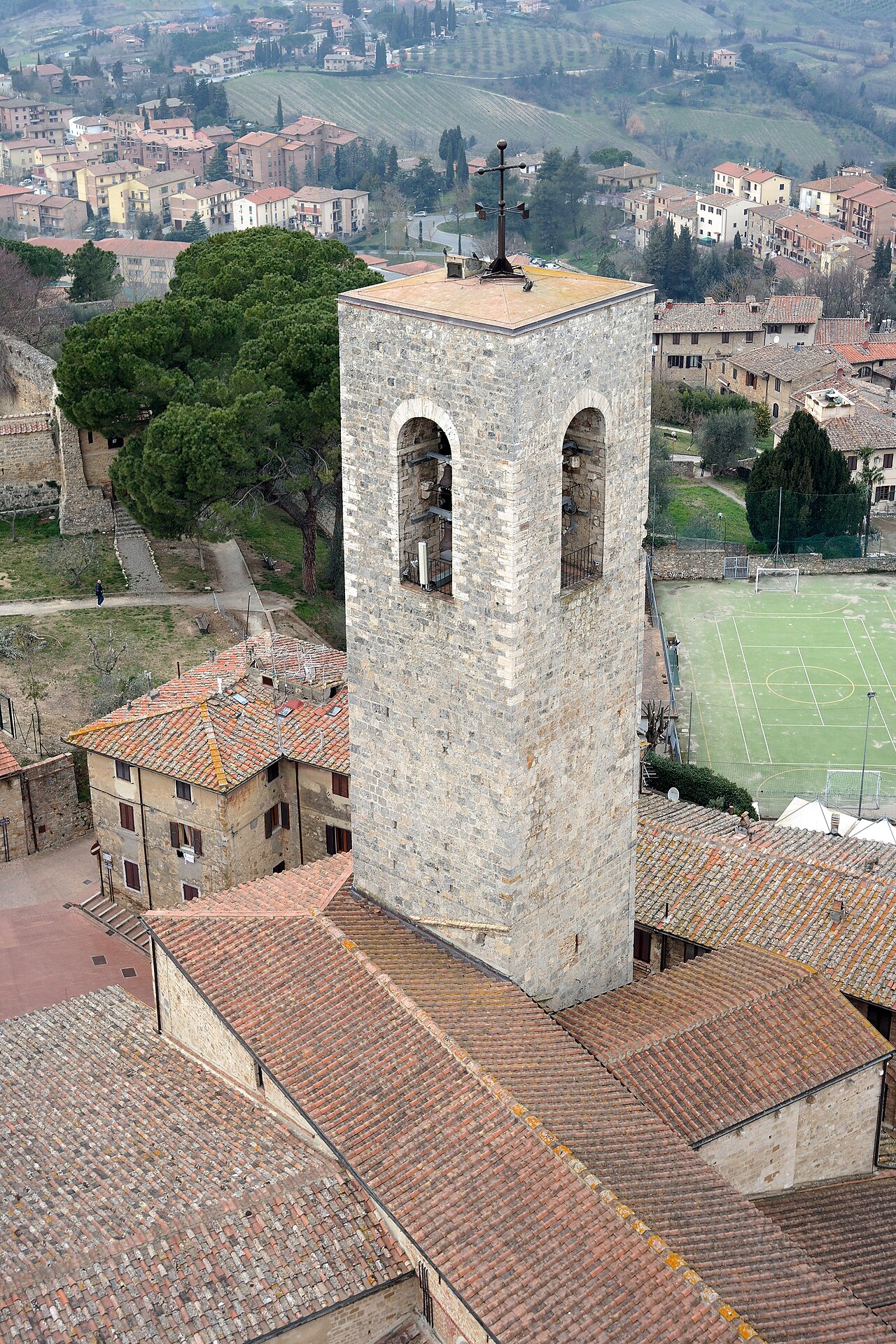
Start in Piazza del Campo, which is free and open at all hours, then climb the Torre del Mangia and see the Civic Museum with its frescoes of good and bad government. Walk up to the cathedral, with its inlaid floor, then cross the square to Santa Maria della Scala, a former pilgrim hospital, which is closed on Tuesdays in winter. San Gimignano is the classic hill-town skyline with the frescoed Collegiata. Pienza, Montalcino and Montepulciano are the Val d'Orcia trio, and Montalcino has a white truffle fair in November in most years.
Getting around
Siena's historic centre is a limited traffic zone, and rental cars do not have permits to enter it, so park outside the walls and walk. Within the old town everything is on foot, but the streets are steep and cobbled. San Gimignano can be reached by car or bus. The Val d'Orcia is best explored by car or with a driver, because public transport is limited, so a guided day trip from Siena is a sensible alternative if you do not want to drive winding roads.
What the cooler months feel like
In autumn and winter the weather is cool and often foggy in the mornings, daylight is short and the crowds of summer are gone. Hours shrink: the cathedral complex typically opens from half past ten until half past five, and the Palazzo Pubblico museum from ten until six, with the tower closing at four. The cathedral closes early on some feast days. The Collegiata in San Gimignano has shorter winter hours, so confirm before you go. Some small restaurants and hotels close for part of the winter, so check before you travel.
Food and wine
Pici, a thick hand-rolled pasta, is the regional dish, and pecorino cheese from Pienza is the souvenir to bring home. Brunello di Montalcino, Vino Nobile di Montepulciano and Chianti Classico are the three wines to try, and the easiest way to taste is a museum tasting in Montalcino or a small-group day trip.
Practical tips
Wear shoes with grip for cobbles, dress with covered shoulders and knees for churches, keep a layer for hill-town wind and book dinner on weekends. Keep bags closed in crowded squares, and allow extra time for narrow winding roads if you drive.