Strasbourg is a year-round city, but each season gives it a different character, and the best time depends on what you want from your trip. Alsace sits in the rain shadow of the Vosges mountains, which makes it one of the driest regions in France, with cold winters, warm summers and generally pleasant spring and autumn days. Here is a season-by-season guide to help you choose.
Winter, late November to December: the Christmas market
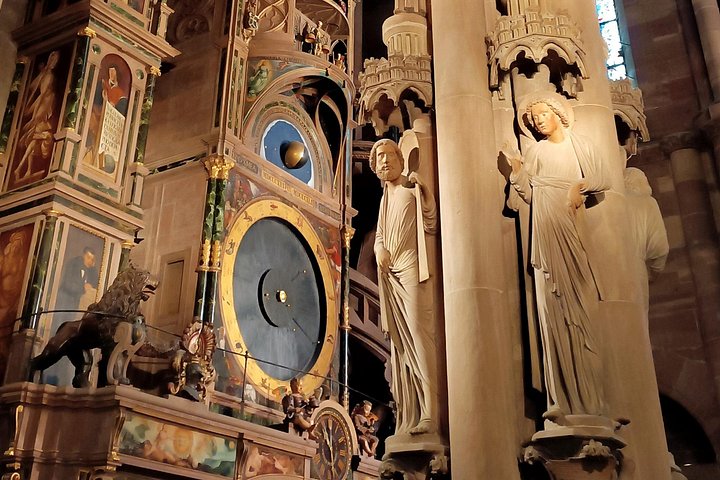
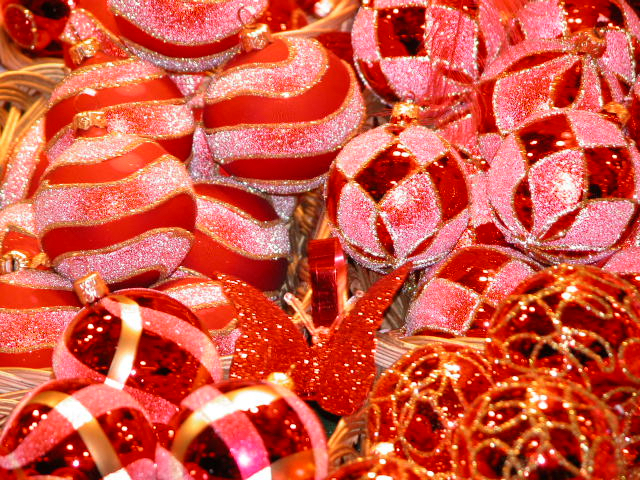
This is the most famous time to visit, and the city is transformed. From the last week of November until Christmas Eve, the Christkindelsmärik fills a dozen squares with chalets, lights and the scent of mulled wine, and the giant tree on Place Kléber is the centrepiece. Colmar and the villages of the Wine Route hold their own smaller markets. The atmosphere is magical, but this is also the busiest and most expensive period, with hotels booking out months ahead, weekends that are shoulder to shoulder and the Grande Île closed to cars during market hours. If you can, come on a weekday, visit the cathedral early and book dinner in advance. Wrap up warmly, because evenings are cold, and remember that daylight is short.
Deep winter, January and February: quiet and cheap
After the market closes, the city empties and prices drop. Days are cold, often grey and sometimes foggy, but museums are uncrowded, winstubs are cosy and you can have the cathedral almost to yourself. The cathedral platform keeps winter hours and closes on certain holidays, and some attractions on the Wine Route reduce their opening hours, so check before you travel. This is the best season for bargains and for indoor sightseeing.
Spring, March to May: blossom and fewer crowds
Spring brings blossom to the vineyards and parks, longer days and mild temperatures, though showers are possible. The Orangerie park comes alive, storks return to their nests, and the terraces on the canals reopen. Easter weekends can be busy, but otherwise this is a lovely, balanced time for a first visit, with good availability and fair prices. Vineyards are green rather than golden, and the Wine Route villages are quiet and easy to explore.
Summer, June to August: long days and festivals
Summer is warm and sometimes hot, with long evenings that suit canal-side dining and boat tours. Flower boxes cover the half-timbered houses in Petite France and Little Venice in Colmar, and the Wine Route is at its most scenic. It is also peak season, with more tour groups at the cathedral, the Batorama boats and the Haut-Koenigsbourg castle, and hotel prices that rise accordingly. Start early, book timed tickets where possible and use the middle of the day for museums or a long lunch in the shade.
Autumn, September to November: harvest and colour
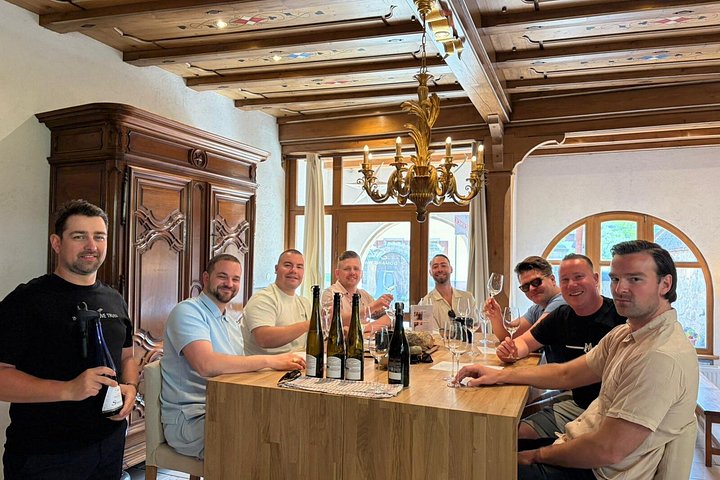
Many locals consider autumn the best season. The grape harvest turns the vineyards gold and red, new wine and tarte aux quetsches appear in winstubs, and the weather is often settled and mild in September and October. Crowds thin after the summer holidays, prices ease and a drive along the Wine Route is at its most beautiful. By November the days shorten and the air turns cold, but the build-up to the Christmas market adds its own excitement.
Choosing by interest
For the Christmas market, plan for the weeks from late November to Christmas Eve. For wine and villages, choose September and October, or late spring. For museums and good prices, pick January, February or early March. For canals, terraces and long evenings, go in June or September. For the European Parliament, remember that plenary weeks, held twelve times a year, fill hotels and can raise prices, so check the calendar if you want a quiet stay.
Weekly rhythms
Whatever the season, remember that the Palais Rohan museums and the Unterlinden Museum in Colmar close on Tuesdays, the MAMCS and the Œuvre Notre-Dame museum on Mondays, and that many restaurants close one day a week. Sundays are quieter in shops, though the tourist sights are open. Plan your museum days around these closures and you will avoid disappointment in any month. Whatever you choose, build a little slack into your plans. Strasbourg is compact, so a shorter trip can still feel full, and a spare half-day lets you adapt to the weather, switch a market visit to a weekday or add an unplanned stop in Colmar. Book hotels early for the Christmas weeks, for summer weekends and for Parliament plenary weeks, and check museum hours again just before you travel.