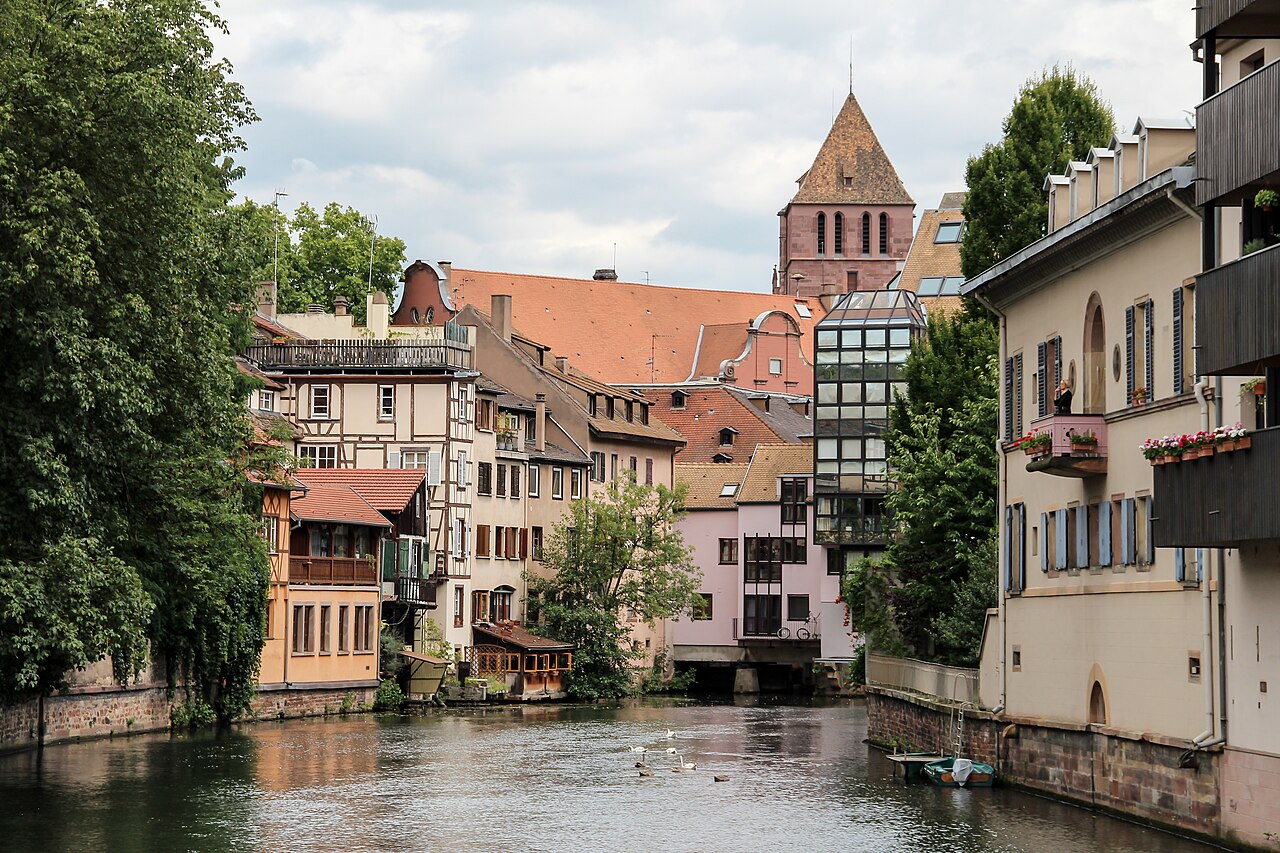
Alsace has one of the most distinctive food cultures in France, a blend of French technique and German generosity that comes from centuries of living on the border. Strasbourg is the best place to start, because the dishes are on every menu and the setting, in a half-timbered tavern beside a canal, is half the pleasure. This guide explains what to order, where to eat, and how to fit tastings and markets into your days.
Start with a winstub
The winstub is the traditional Alsatian tavern, a cosy, wood-panelled room where local wine is served by the glass and the menu is built around hearty regional cooking. Winstubs are found throughout the Grande Île and Petite France, and in the villages of the Wine Route. Expect shared tables, quick service and portions that are generous, and book ahead for weekends and in December, when the best ones fill days in advance. If you want one meal that sums up Alsace, make it a winstub dinner.
Dishes to order
Tarte flambée, called flammekueche in Alsatian, is a thin, crisp base spread with fromage blanc, onions and bacon, baked in a hot oven, and it is perfect for sharing with a glass of wine or beer. Choucroute garnie is sauerkraut cooked with white wine and served with a heap of sausages, ham and pork, a dish that is more subtle than it sounds. Baeckeoffe is a slow-cooked casserole of marinated meats and potatoes baked in a sealed dish, ideal on a cold evening. Spaetzle, small egg noodles, often come alongside meat dishes, and Alsatian cheeses, above all the strong, washed-rind Munster, end many meals. For dessert, look for kougelhopf, a yeasty ring cake, tarte aux quetsches in late summer when the plums are ripe, and Christmas biscuits called bredele. Vegetarians should ask about options, as traditional menus are meat-heavy, though many restaurants now offer a meat-free tarte flambée or salads.
Wine
Alsace is one of the few French regions that labels its wines by grape variety rather than by village or estate. The classic varieties are Riesling, Gewurztraminer, Pinot Gris, Muscat and Sylvaner, along with Pinot Blanc and, for reds, Pinot Noir. Most Alsace wines are dry, though some, labelled late harvest or selection of noble grapes, are sweet and best with dessert or foie gras. Crémant d’Alsace is the local sparkling wine and a good-value alternative to champagne. If you are unsure, ask for a recommendation to match your dish; most winstub staff love being asked.
Tastings and cellar visits
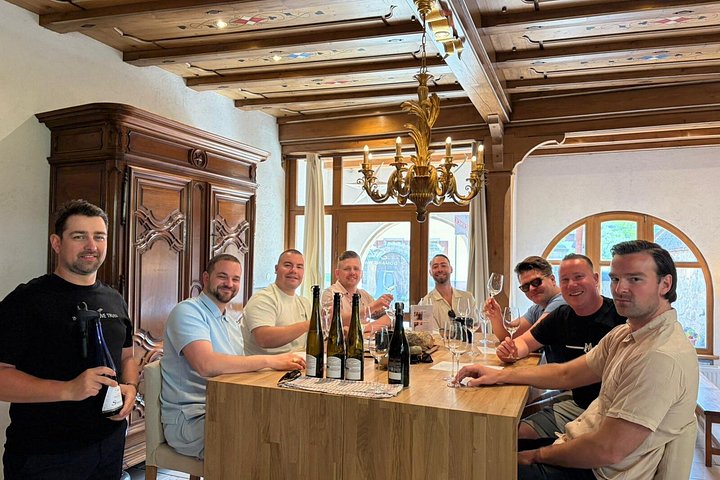
The easiest way to taste is on the Wine Route, where many winegrowers in Riquewihr, Kaysersberg and Eguisheim welcome visitors. Small family estates prefer a call ahead, and some close for lunch. In Colmar, the Museum of Alsatian Wines combines an audio-guided visit with a tasting, and in Strasbourg there are tasting rooms and organised experiences if you do not have time for a day trip. If you are driving, nominate a driver or join a small-group tour so that everyone can taste.
Beer and spirits
Alsace is also a beer region, with a long brewing tradition, and you will find local lagers and craft beers on tap in many bars and brasseries. Fruit brandies, known as eaux-de-vie, made from pears, cherries, plums and raspberries, are the classic digestif and are best sipped slowly after a heavy meal.
Christmas market food
At the Christmas market, mulled wine is served in a deposit mug that you can return or keep, and food chalets sell tarte flambée, roasted chestnuts, pretzels, sausages and gingerbread. For a better meal, treat the stalls as snacks and book a seated dinner for the evening. Weekday afternoons are the best time to graze without queueing.
Practical tips
Lunch is usually served from about noon to two, and kitchens often close between lunch and dinner, so late-afternoon meals can be hard to find outside the market season. Dinner starts around seven. Many restaurants close one or two days a week, often Sunday or Monday, so check before you go. Tipping is not obligatory since service is included, though rounding up is appreciated. Tap water is free in restaurants when you ask for a carafe d’eau. Finally, if you want a guided introduction, a food walking tour of the old town is a good way to taste several specialities in a morning or afternoon and to learn where to come back for dinner.