Tangier sits at the north-western tip of Africa, where the Atlantic meets the Strait of Gibraltar, and it feels both Moroccan and Mediterranean. For decades it was an international zone, which left a cosmopolitan mix of Moroccan, Spanish and French influences. Many visitors arrive by ferry from Tarifa for a day, others as the first stop on a longer Morocco trip. Either way, a little planning makes the visit easier.
Book ahead: the short list
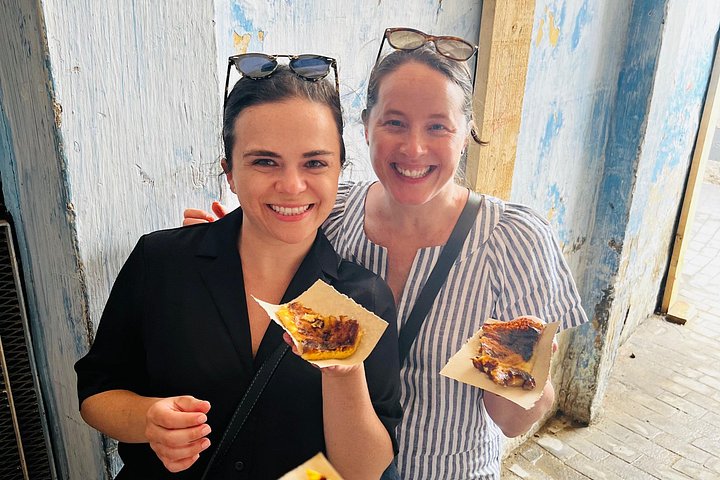
Book a guided walk through the medina and Kasbah for your first morning, since the lanes are confusing and touts gather near the gates. If you like food, a medina tasting tour is a strong second booking. For the coast, the Cap Spartel and Caves of Hercules excursion is easy to reserve a day or two ahead. For longer days out, the Chefchaouen trip runs daily, and the Tetouan private tour is worth arranging in advance. Asilah is the easy one, because you can go by train without booking anything.
If you arrive by ferry from Tarifa
The crossing is short, roughly an hour, and the Tangier Ville port is close to the medina. Check your return sailing time before you set out, build in a generous margin, and bring your passport. Choose one main activity rather than three: a medina and Kasbah walk with lunch, or the Cap Spartel excursion followed by an hour in the Petit Socco. Avoid Chefchaouen or Tetouan on a ferry day, because delays could cost you your return sailing.
How long to stay
One day gives you the medina and Kasbah, a museum and sunset tea. Two days add Cap Spartel and the Caves of Hercules, or the Legation. Three days let you add a day trip to Asilah, Tetouan or Chefchaouen. Day one: the guided walk in the morning, the Kasbah Museum and the Petit Socco, then Cafe Hafa at sunset. Day two: the American Legation Museum, the Grand Socco and the coast. Day three: a day trip.
Getting around
Inside the medina you walk. Outside it, petit taxis are cheap and plentiful, so agree on the meter or fare before setting off. Grand taxis serve longer routes such as the caves. The high-speed train links Tangier with Rabat and Casablanca, and a standard train runs south to Asilah. Your hotel can arrange a driver for day trips.
Where the sights fit
The Grand Socco is the gateway to the medina, and rue Siaghine leads down to the Petit Socco. The Kasbah and the Kasbah Museum are at the top of the old town, and the American Legation is a short walk from the Grand Socco. Cafe Hafa is in Marshan, near the Kasbah. Cap Spartel and the Caves of Hercules lie west of the city, about twenty kilometres away.
What to wear and how to behave
Dress modestly, covering shoulders and knees, which is respectful and helps you blend in. Ask before photographing people, carry small notes for tips and tea, and politely decline unlicensed guides. Bargain with a smile.
When to go
Spring and autumn are the most comfortable seasons. Summer is warm and busy, and winter can be breezy and wet, so bring a layer. Ramadan changes opening hours and the rhythm of the city, so check dates if you travel then.
Money, language and everyday tips
The currency is the Moroccan dirham, and cards work in hotels and larger restaurants, but cafes, taxis, markets and tips are mostly cash, so carry small notes. Arabic and French are widely spoken, and many guides and hotel staff also speak English or Spanish, so a few words of greeting go a long way. Ask the price before you sit in a taxi or order something unusual, keep valuables zipped away in crowded lanes, and check opening hours before each museum visit, since patterns can change.
Pacing your days
Tangier rewards slow mornings and long afternoons. Start early, when the medina is calm, rest in the middle of the day, and return to the terraces and squares at golden hour. Try not to schedule more than two main sights a day, and leave room for mint tea, because the cafe stops are part of the experience rather than a break from it.
Where to stay
The medina and Kasbah put you in the middle of the old town, while the new town and the hillside offer easier access by car. Our where to stay guide compares the options.