Tangier is a year-round destination, but the experience changes with the seasons. The city sits where the Atlantic meets the Strait of Gibraltar, so it is breezy, often cooler than inland Morocco and more changeable than many visitors expect. This guide describes each season plainly, so you can choose the months that suit your plans and your tolerance for heat, crowds and rain.
Spring: the most comfortable season
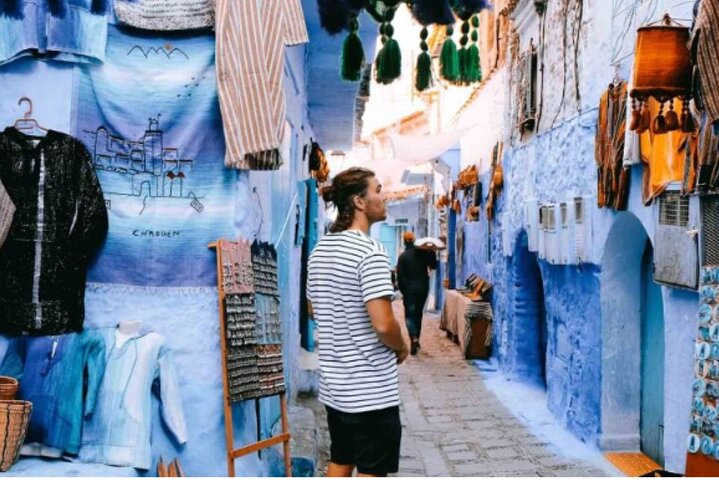
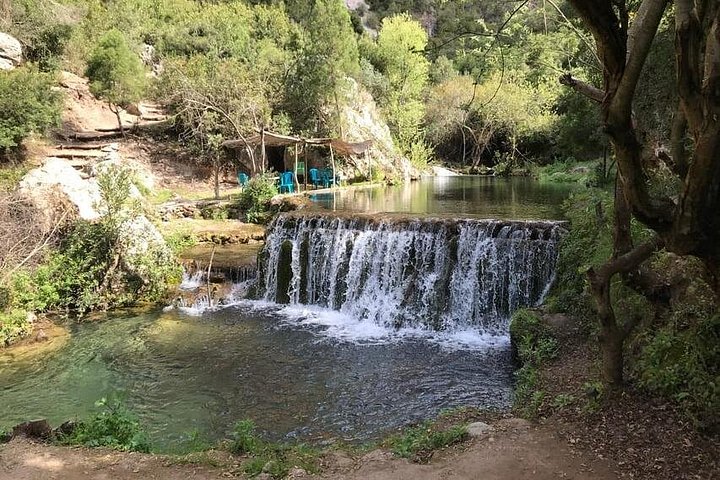
Spring, roughly March to May, is the favourite time for most visitors. Days are mild, the countryside around the Rif is green, and walking through the medina is a pleasure. Cafes spill onto the squares and Cafe Hafa fills at sunset. It is a good time for day trips to Chefchaouen and the Akchour waterfalls, since the hills are green and falls usually run well after wet months. Book hotels and tours a little ahead, because spring is popular.
Summer: warm, busy and coastal
Summer, roughly June to September, is warm, with sea breezes along the coast and heat inland. The city is lively, beaches are busy and many Moroccan and European visitors arrive for holidays, so hotels fill and ferries from Spain are crowded. Rooftop and outdoor pools open, with seasonal pools usually running from late spring or early summer to early autumn, so check the dates for the hotel you choose. Plan sightseeing for morning and late afternoon, rest in the middle of the day and take a layer for the evening breeze. Long drives to Chefchaouen or Tetouan are hotter, so leave early.
Autumn: easy and golden
Autumn, roughly October to November, is the second-best season. The sea is still warm enough in early autumn, crowds thin, and light is soft for photographs. It is a pleasant time for the medina, the coast and day trips, and prices often ease. Showers begin to appear later in the season, so pack a light waterproof layer.
Winter: quiet, cool and wet
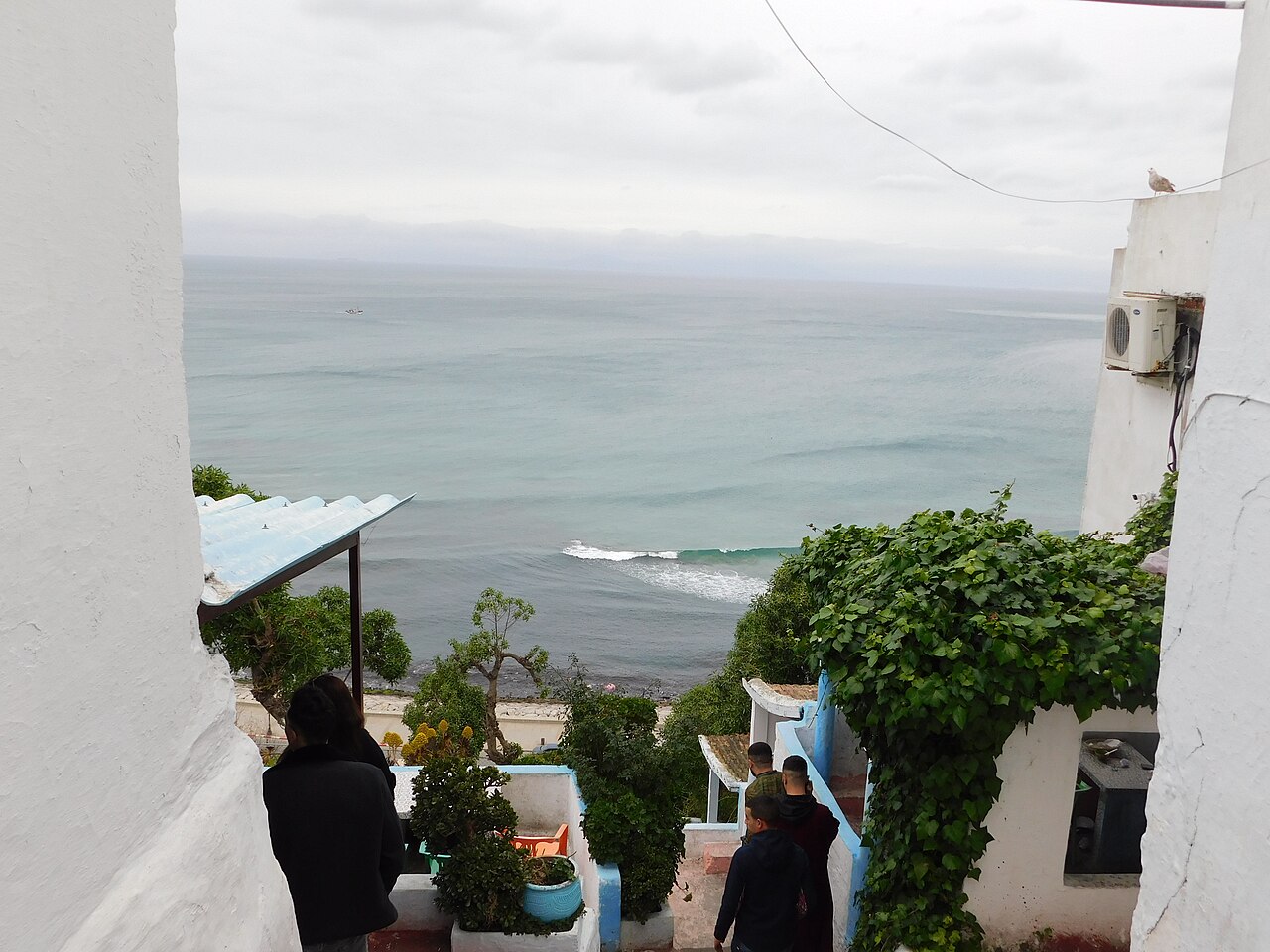
Winter, roughly December to February, is the low season. Days can be breezy, grey and wet, and the Atlantic is rough, so Cap Spartel can be wild and dramatic rather than sunny. The upside is value and quiet: hotels are cheaper, the medina is calmer and the cafes feel local. Some pools, terraces and seasonal restaurants close, so check which facilities are open for your dates. Bring a proper coat, waterproof shoes and an umbrella, and keep your plans flexible. Heavy rain can affect mountain trails and day trips.
Ramadan
Ramadan moves about eleven days earlier each year, so it falls in a different season over time. During the month, many cafes and restaurants close during daylight hours and open after sunset, shops and museums may change their hours, and the city comes alive at night with families gathering to break the fast. Visitors are asked to be discreet about eating and drinking in public during the day. It is a rewarding time to visit if you adapt, and a frustrating one if you expect normal opening hours, so check the dates before booking, and confirm hours for the Kasbah Museum, the Legation and Cafe Hafa.
Holidays and weekly rhythms
Religious and national holidays shift timetables, and the end of Ramadan and the summer return of overseas Moroccans bring heavy traffic and full ferries. The Kasbah Museum is normally closed on Tuesdays all year, and Friday midday changes the pace of the medina. Check museum hours before every visit, since patterns can change.
Packing by season
In spring and autumn, bring layers, a light waterproof and comfortable walking shoes. In summer, bring sun protection, a hat, loose cotton clothing that still covers shoulders and knees, and a scarf or light jacket for breezy evenings. In winter, bring a warm coat, waterproof shoes and an umbrella. All year, flat shoes with grip are best for the medina, and a small day bag that zips closes the gap on crowded squares.
Crowds through the week
Weekends fill the beaches and cafes with local families, and the Grand Socco and Petit Socco are busiest in the evening. Weekday mornings are the calmest time for the medina, the Kasbah and the museums, whatever the season, so schedule your most popular sights early and keep late afternoons for terraces and sunsets.
Which month should you choose?
For comfort, aim for April, May, late September or October. For beaches and long evenings, choose summer and accept the crowds. For value and quiet, choose winter and bring layers. If you are crossing from Spain for a day, any season works, but allow extra time in summer and after holidays for port queues, and keep your return sailing in mind.