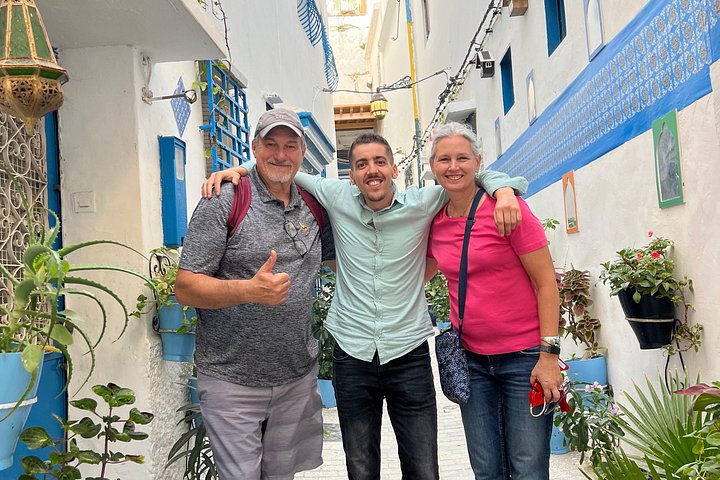
Three days is the sweet spot for Tangier. It is long enough to see the old town properly, reach the coast at Cap Spartel and still take one full day out of the city, and short enough that nothing feels rushed. The plan below is built around the city's rhythms: mornings for walking and museums, the middle of the day for lunch and a rest, and late afternoon for the terraces and viewpoints where Tangier is at its best. Swap days around if the weather or your energy asks you to.
Before you start
Two practical points shape the order. The Kasbah Museum is normally closed on Tuesdays, so do not plan it for that day, and the American Legation keeps its own hours that can differ between weekdays and weekends, so check before you go. Friday is the main prayer day and the pace of the medina shifts around midday. Wear flat shoes with grip, carry small notes for tea and tips, and dress modestly with shoulders and knees covered.
Day one morning: the medina and the Kasbah
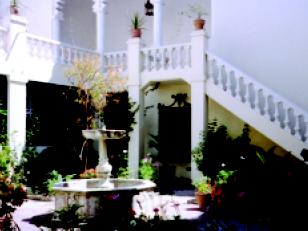
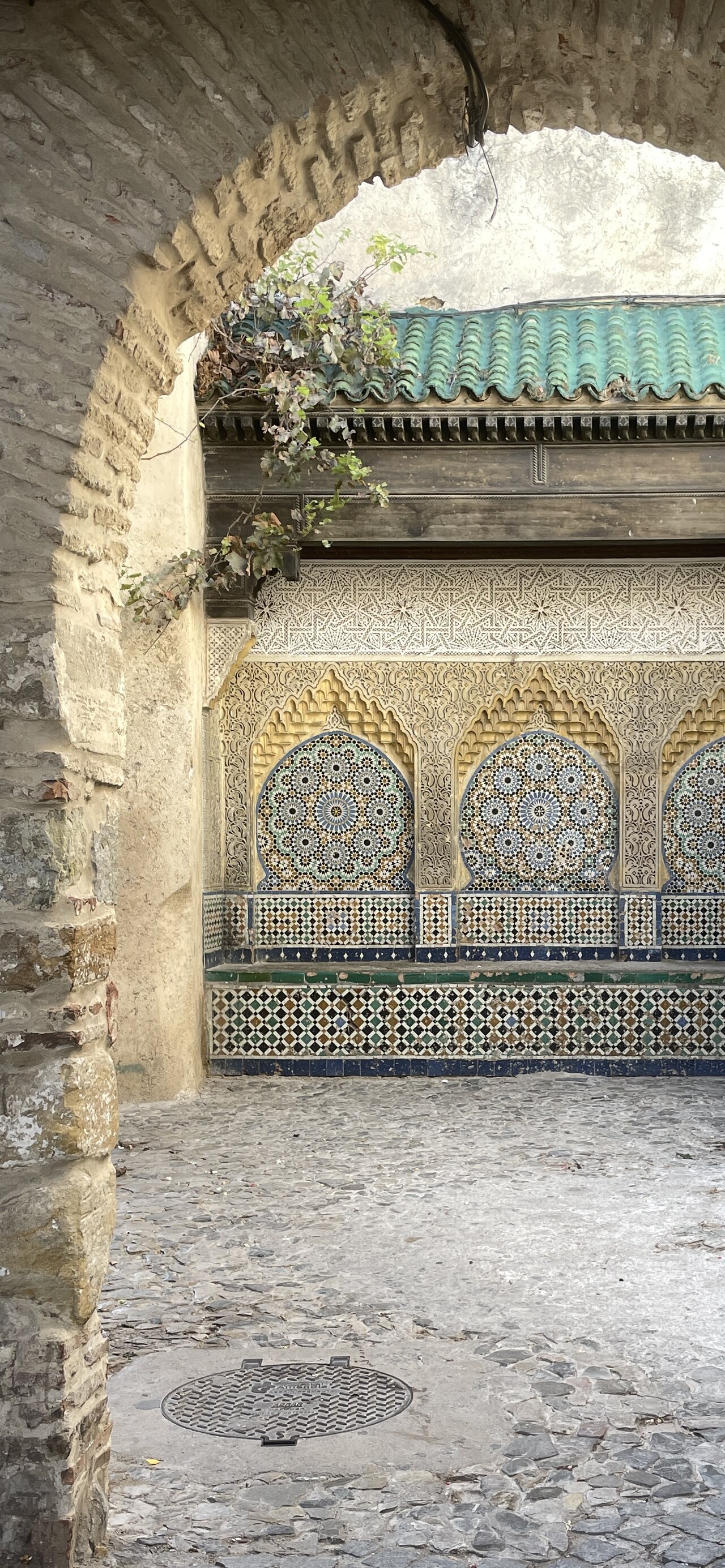
Start early at the Grand Socco and enter the medina through the arch. A guided walk on your first morning pays for itself, because the lanes are steep, unsigned and easy to lose, and a guide explains what you are seeing. Follow rue Siaghine down to the Petit Socco, then climb to the Kasbah and its museum in the old sultan's palace, Dar el Makhzen. The garden court is a good place to rest. Allow about an hour and a half at the museum, then head back down for lunch in the medina.
Day one afternoon and evening: Marshan and Cafe Hafa
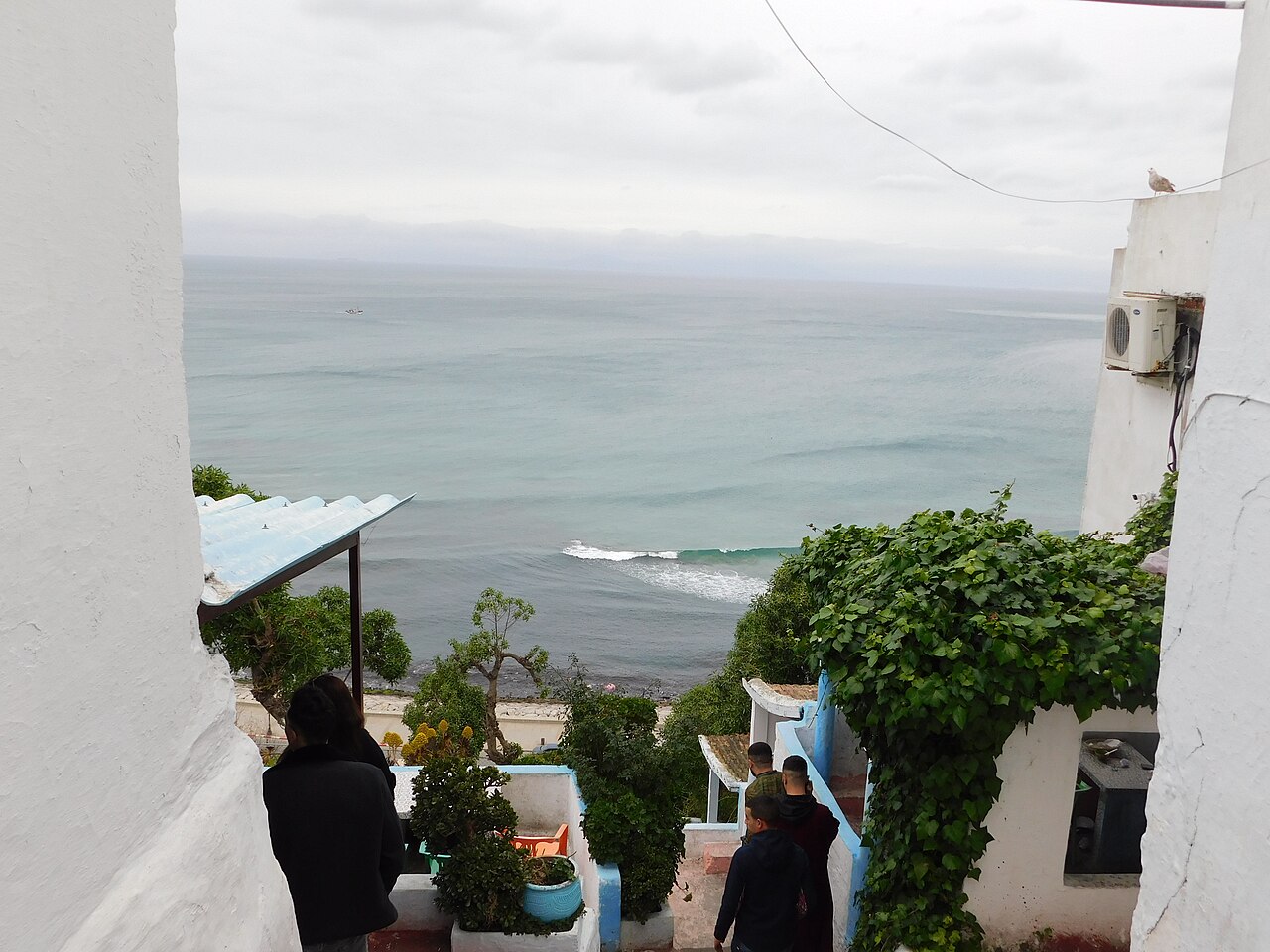
After lunch, rest during the hottest hours. In the late afternoon, take a short taxi or a pleasant walk through the Marshan district to Cafe Hafa, the cliffside tea terrace opened in 1921. Arrive about an hour before sunset to claim a table on the lower terraces, order mint tea and watch the light change over the Strait. On a clear evening the lights of Spain come on across the water. Have dinner back in the medina or near the Grand Socco.
Day two morning: food and a quiet museum
Spend the morning on food. A medina food tour is the quickest way to taste Tangier and gives you a mental map of where to eat, and a cooking class is the longer, hands-on alternative if you prefer to learn. Afterward, visit the American Legation Museum, a calm courtyard house that was the first US diplomatic property abroad, with a wing for the writer Paul Bowles. It takes about an hour and sits close to the Grand Socco.
Day two afternoon: Cap Spartel and the Caves of Hercules
Take a short excursion west of the city, about twenty kilometres, to Cap Spartel, where the Atlantic meets the Mediterranean, and the Caves of Hercules, a sea-carved cavern with an opening that guides love to point out. Joining a tour or hiring a driver is the practical way, because public transport is limited. Bring a layer for the wind. Return in time for dinner, and if you have energy, spend an hour in the Petit Socco after dark when the cafes are lively.
Day three: choose one big day out
Pick a single day trip rather than squeezing in two. Chefchaouen is the famous blue town in the Rif mountains and the most popular choice. Asilah is the easy, relaxed option, a whitewashed seaside town you can reach by train without booking anything. Tetouan offers a craft-filled Andalusian medina and a quieter day. If you prefer walking in nature, the Akchour waterfalls pair neatly with Chefchaouen. Whichever you choose, set out early and plan to be back in Tangier for a late dinner.
If you only have two days
Combine day one as written with a half-day at Cap Spartel and the Legation on day two, and skip the day trip. If you arrive on a ferry from Spain for a single day, choose the guided medina walk and a late lunch and do not attempt a day trip, because delays can cost you your crossing.
Where to sleep
The medina and Kasbah put you steps from the first morning, while the city centre is easier by car. Our where to stay guide compares the options, and the hotels we recommend range from a hillside palace to Kasbah guesthouses.