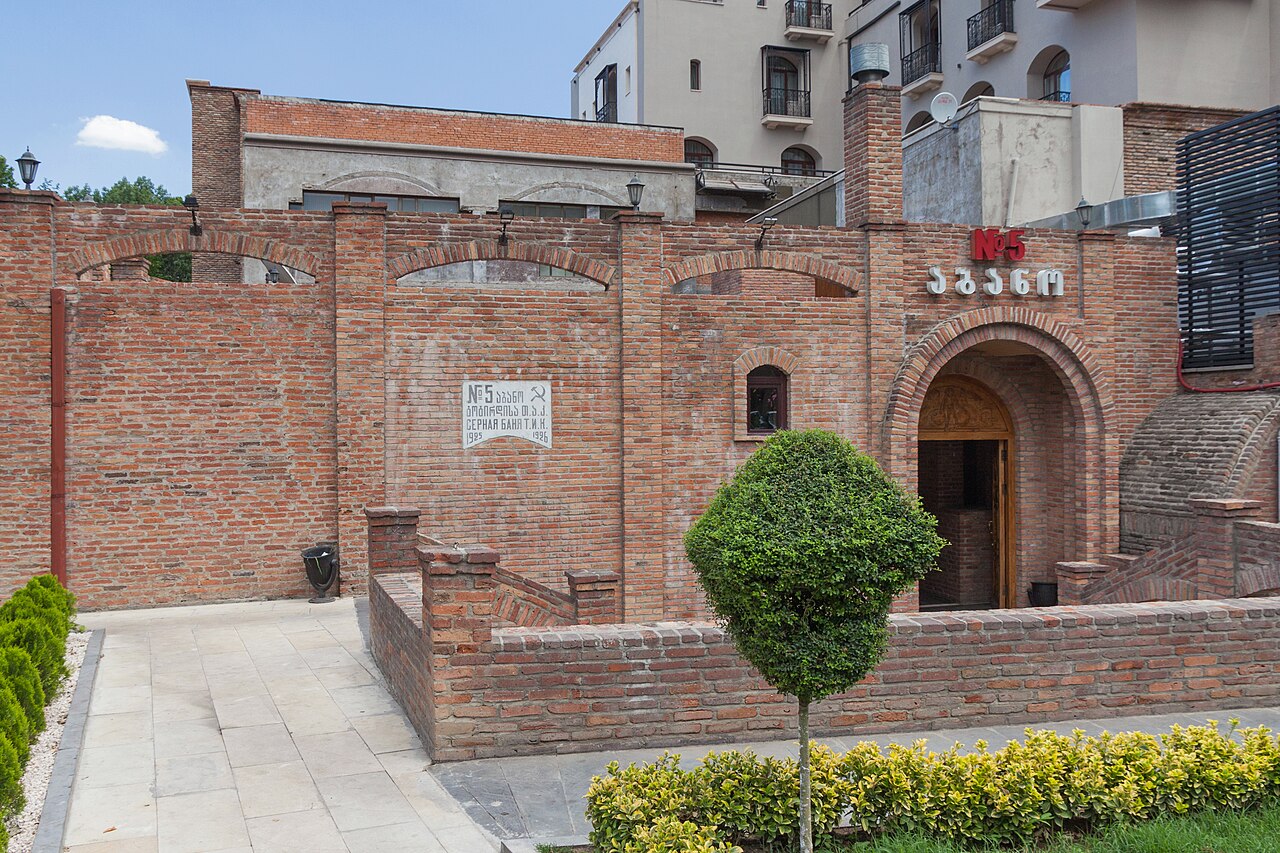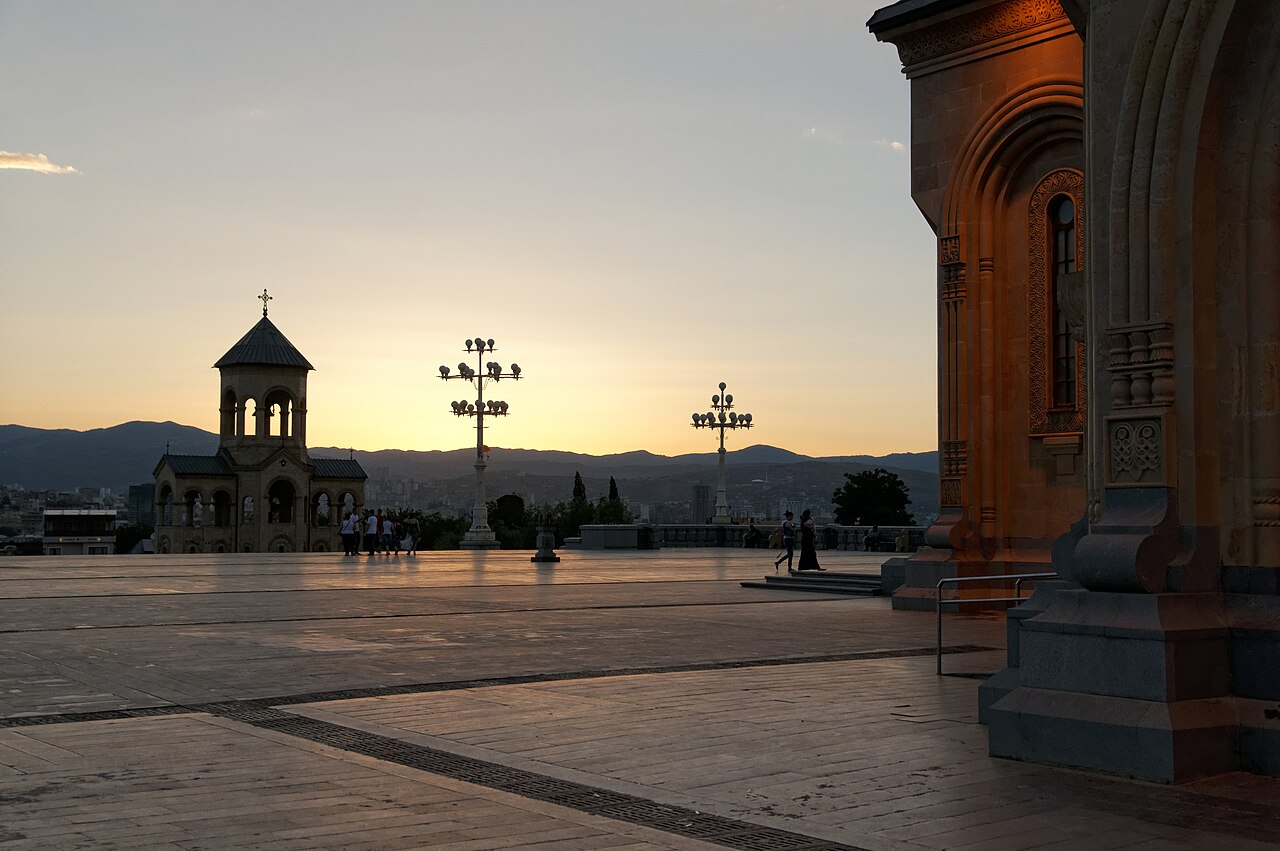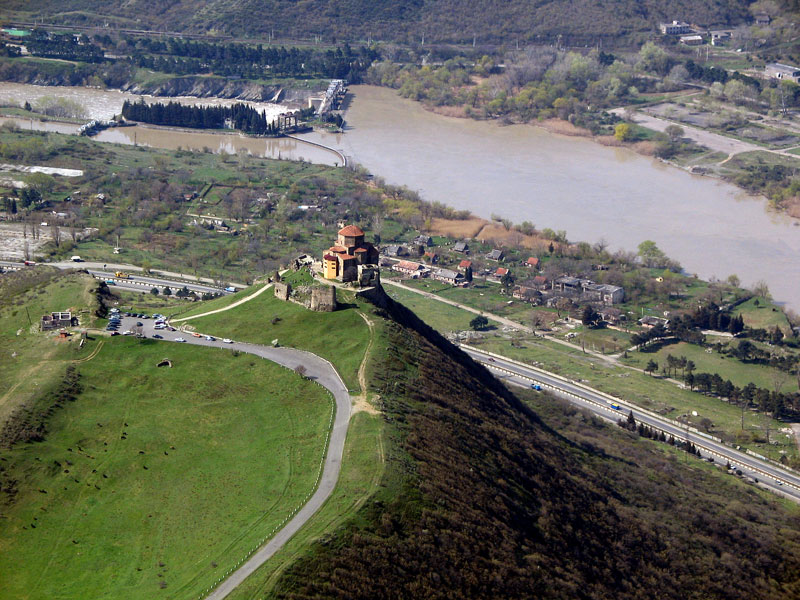
Tbilisi is compact, friendly and easy to love, and most of what a first-timer wants to see sits within a few kilometres of the river. The old town, with Narikala Fortress, the sulfur baths and the lanes of balconied houses, climbs the right bank; Sololaki and Rustaveli Avenue, with the National Museum, spread north and west from Freedom Square; and Holy Trinity Cathedral rises on its hill across the water in Avlabari. Beyond the city, three classic day trips show off the country: Mtskheta, the ancient capital, half an hour away; the wine region of Kakheti, about two hours east; and Kazbegi, in the high Caucasus, about three hours north.
How many days
Four days is the sweet spot for a first visit: two in the city and two for day trips, usually Kazbegi and Kakheti, with Mtskheta squeezed into a half day. Three days works if you pick one big trip. With a week, add a night in the mountains at Stepantsminda and a slower day in Sighnaghi or Telavi.
The winter catch
The road to Kazbegi is open year-round, but from November to February the stretch over the Jvari Pass closes temporarily several times each season for snow and avalanche risk, usually for a few hours and occasionally for one to three days. In winter, book the Kazbegi trip for your first or second day so you can move it if the pass shuts, check with your operator the evening before, and pack warm layers. A new road and tunnel that bypass the pass are not expected to open fully until 2027. In the city, the Rike-Narikala cable car switches to winter hours from 1 November, closing at 22:00 rather than midnight.
What to book ahead
The big day trips sell well, so reserve the Kazbegi and Kakheti tours a few days ahead; both are among the most reviewed experiences in Georgia, and both offer free cancellation up to the usual cutoff. Book a private room at the sulfur baths, especially for a weekend evening or at Chreli Abano. The Georgian dinner and dance show and the private food tour in Sololaki are also worth reserving early. Most sights in the city, including Narikala, Holy Trinity Cathedral and the churches of Mtskheta, are free and need no booking.
Day one: the old town
Join the morning walking tour, which rides the cable car up to Narikala, walks to the Mother of Georgia statue and ends by the sulfur baths. Soak in the baths in the afternoon, then take the dinner and dance show or a slow dinner in the old town.
Day two: Kazbegi
Take the full-day tour up the Georgian Military Road to Ananuri, Gudauri and Gergeti Trinity Church. It is a long day, so plan a quiet evening.
Day three: Kakheti
Spend the day in Sighnaghi and Bodbe with nine tastings of qvevri wine and chacha, or swap in the private food tour and an afternoon at the National Museum if you would rather stay in town. Remember the museum is closed on Mondays.
Day four: Mtskheta and the cathedral
Do the five-hour Mtskheta tour in the morning, then visit Holy Trinity Cathedral in the late afternoon light and end with dinner in Sololaki.
Getting around
Walking is the best way to see the old town and Sololaki, but the hills and cobbles are steep, so bring shoes with grip. The metro is cheap and simple, with handy stations at Liberty Square, Rustaveli and Avlabari; pay with a Metromoney card or a contactless bank card, which also works on buses and the cable car. Ride-hailing apps are cheap and reliable for everything else, including the half-hour trip to the airport. For the mountains and wine country, take a guided tour or hire a driver rather than driving yourself.
Practical tips
Dress modestly for churches: shoulders and knees covered, and a scarf for women. Carry some cash in lari for markets, baths and small cellars. Georgian food is generous, so share dishes, and learn to say gaumarjos, cheers, for the toasts. Above all, accept the hospitality; it is the soul of the country.