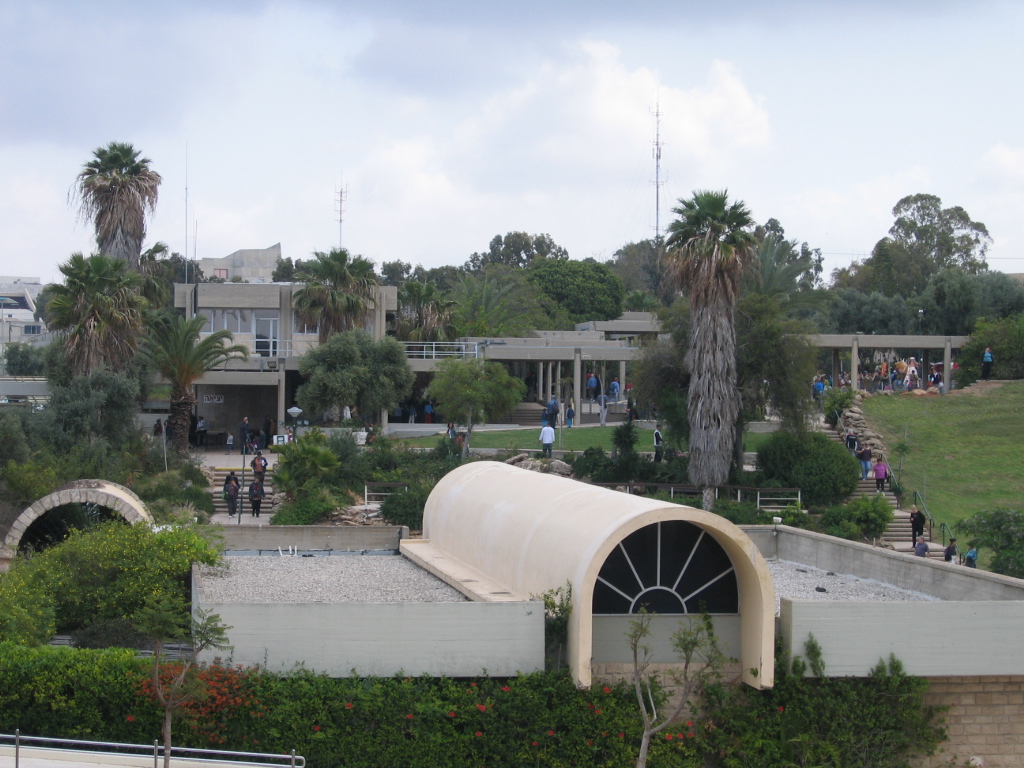
The Eretz Israel Museum, also known as MUZA, sits in the leafy Ramat Aviv district in the north of the city, on Haim Levanon Street. It is a multidisciplinary museum devoted to the material culture of the land, past and present, with collections that span archaeology, ethnography, crafts, art and photography. Its pavilions are spread across a campus rather than stacked in one building, so a visit includes walking outdoors between exhibits. The park around the museum is free to enter, and it includes a pond, a reconstructed olive press and flour mill, a sundial square, archaeological pieces from the collection and shaded paths with seating. The Jewish Culture and Folklore Pavilion holds a large collection of Judaica and folklore, and rotating exhibitions fill other halls. Because the museum covers so much ground, it suits travelers who like to wander and learn without being rushed through a single narrative. It also gives a calmer, greener alternative to the busy seafront.
Why it matters
This is where the everyday history of the region is laid out, from ancient tools and glass to crafts and folk traditions, and it complements the art-focused museums downtown. Seeing how olives were pressed and grain was milled in the garden makes the archaeology tangible, and the setting shows another side of Tel Aviv beyond the beach and the Bauhaus streets.
How to visit
The museum is closed on Sundays, opens late on Thursdays, closes early on Fridays and keeps midday hours on other days, but times are adjusted from time to time, so check before you go. The park and grounds are free to enter while exhibitions and activities are ticketed, with discounts for students, seniors and residents and free entry for children under eighteen.
Paid parking is available near the museum, and an audio guide is offered for selected exhibits. Plan two to three hours if you want to see several pavilions, and wear comfortable shoes for the grounds.
Pair it with
The Palmach Museum, which is on the same street, and the Tel Aviv Museum of Art if you want a second museum on another day. It is a good choice for a quieter morning or an overcast afternoon. A cafe sits at the museum entrance for a break, and the nearby university district has more places to eat.
What to expect
The experience
A campus of pavilions and outdoor exhibits, including archaeology, crafts, folklore and a garden with a reconstructed olive press and mill.
Best time
A weekday morning or a cooler part of the day, since the grounds are partly outdoors.
How long
Two to three hours for several pavilions.
Tips
The museum is closed on Sundays and opens late on Thursdays. Children under eighteen are admitted free.
Quick picks
- Best for
- Curious travelers who enjoy archaeology, crafts and a green setting.
- Families
- The garden, mill and open grounds give children room to move, and entry is free for those under eighteen.
- Couples
- A quiet, unhurried outing away from the seafront crowds.
- Pair with
- The Palmach Museum next door and a seafront walk later.
- Time needed
- Allow half a day if you want the full campus.
Good questions
Where is the Eretz Israel Museum?+
It is on Haim Levanon Street in Ramat Aviv, in the north of Tel Aviv. Several bus lines and the Tel Aviv University railway station serve the area.
Is the park free?+
The park and grounds are free to enter, while the exhibitions and museum activities require a ticket.
Which day is it closed?+
The museum is closed on Sundays. It opens late on Thursdays and closes early on Fridays.
Is it good for children?+
Yes, the open grounds and garden suit families, and children under eighteen are admitted free, though special exhibitions, workshops and the planetarium can carry a charge.
How long should I allow?+
Two to three hours covers several pavilions and a walk through the garden.