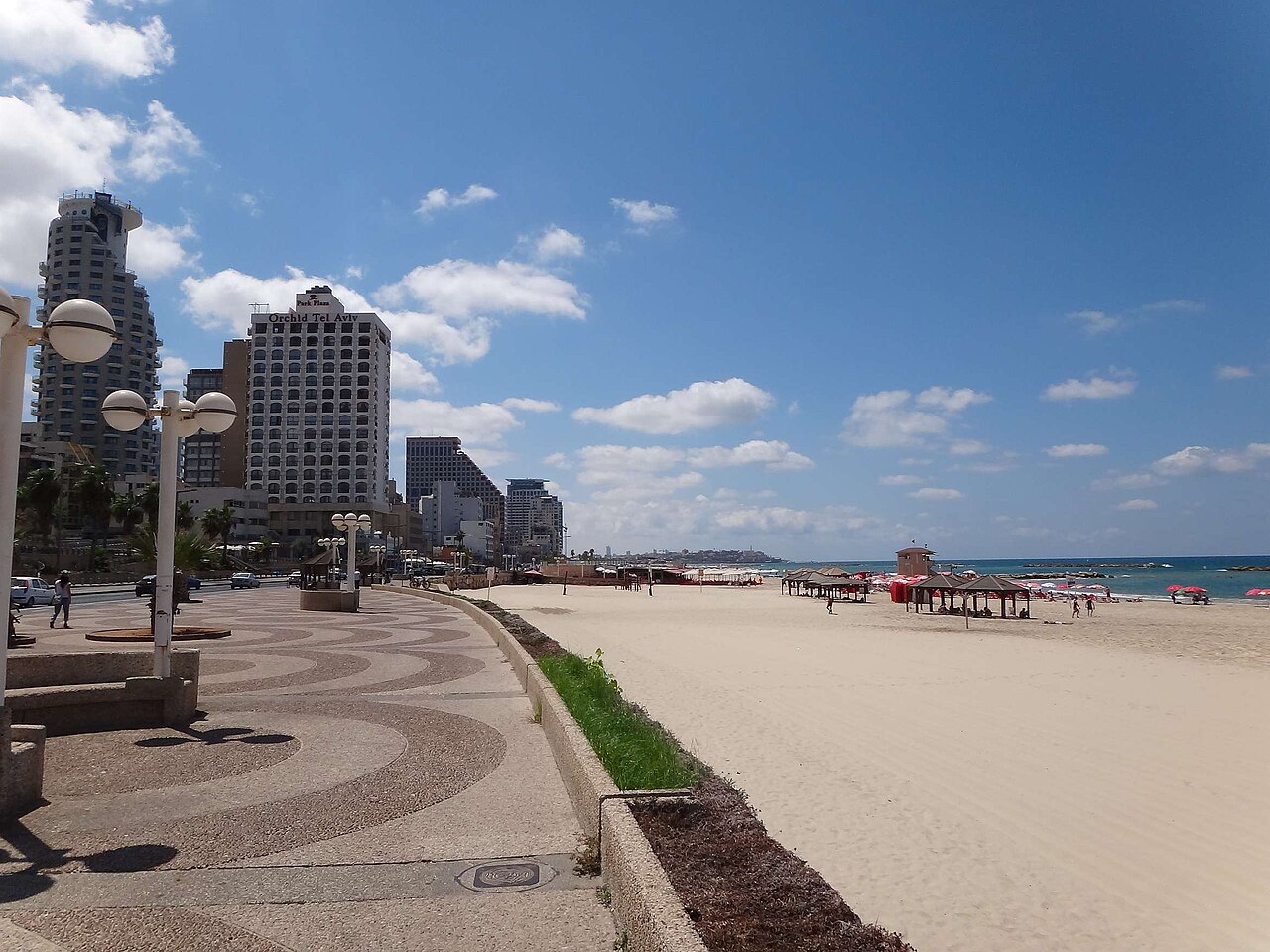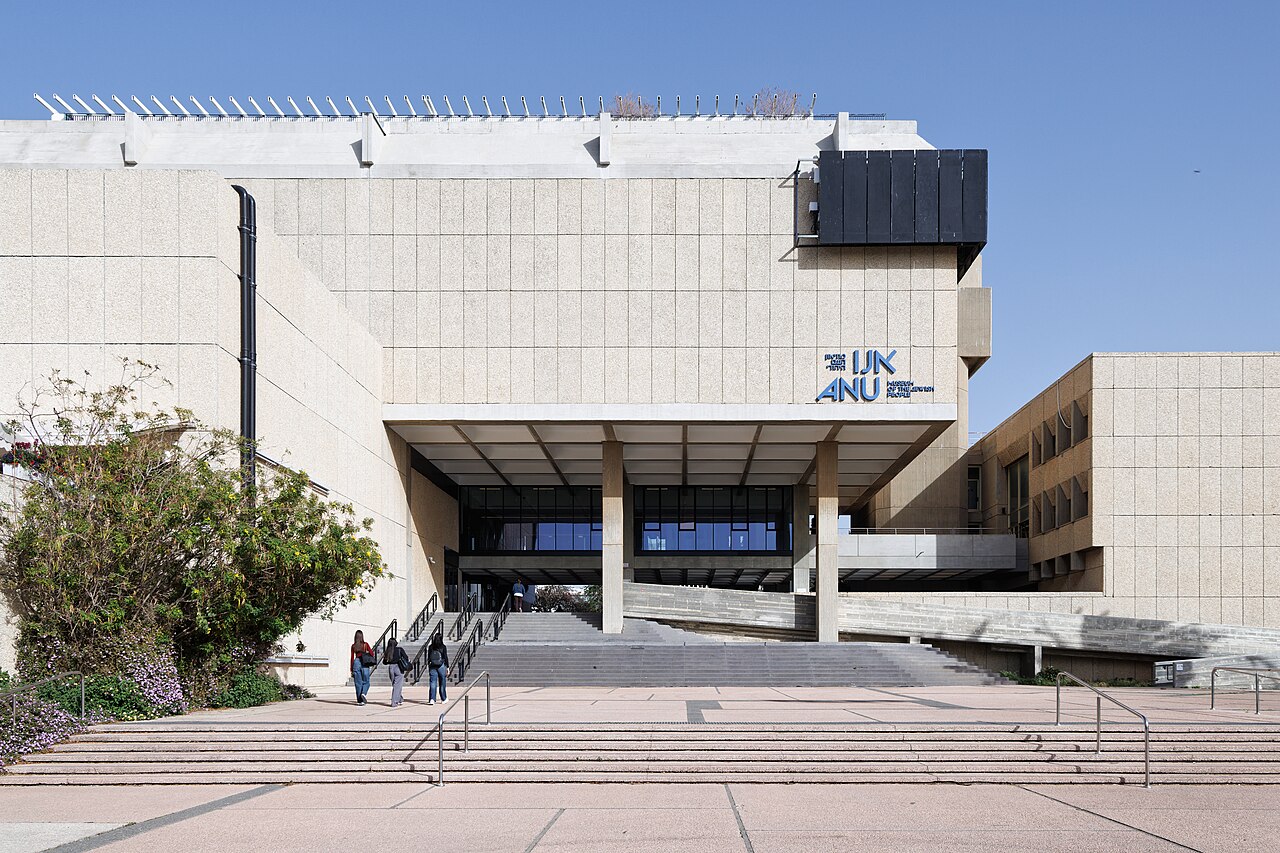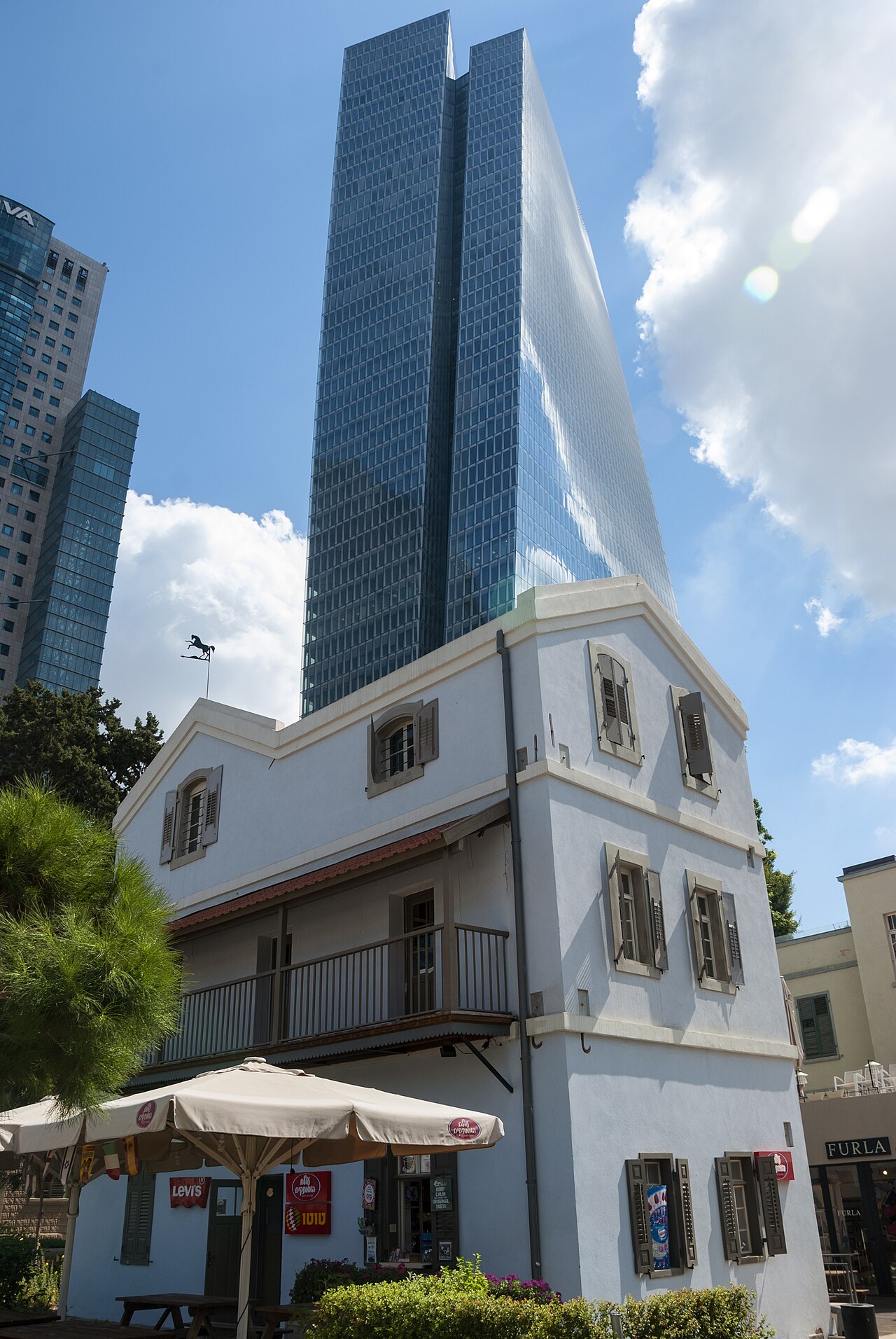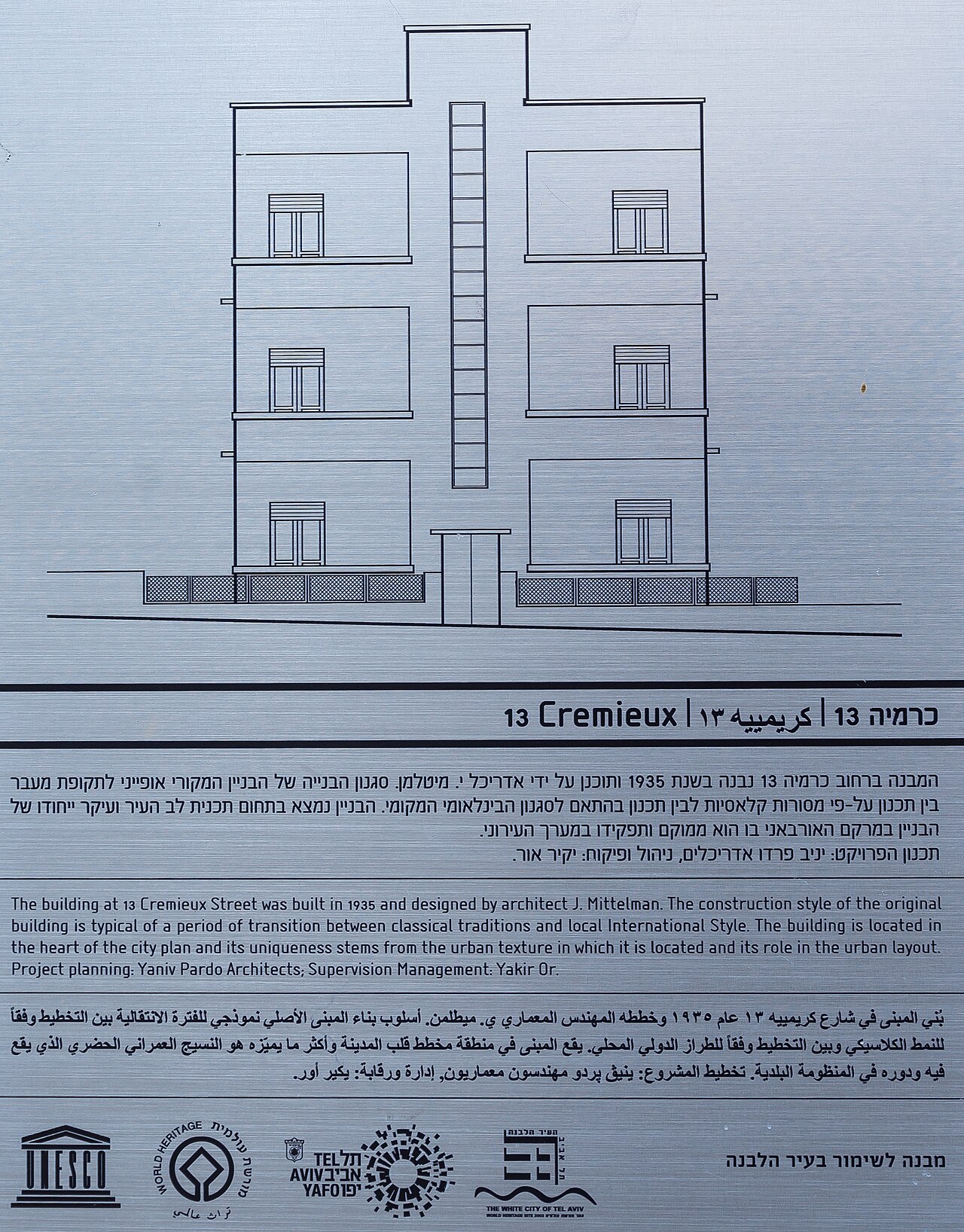
The White City is the central part of Tel Aviv built from the early 1930s into the 1950s, and it holds one of the largest collections of International Style, or Bauhaus-influenced, buildings anywhere. UNESCO recognized it as a World Heritage site in 2003. The municipality counts roughly four thousand buildings from the period, and many were designed by architects who trained in Europe and adapted Modern Movement ideas to a hot Mediterranean climate. You will spot flat roofs, rounded corners, strip windows, deep balconies that work as sun shades and simple white or pale facades. The layout follows a plan by Sir Patrick Geddes, with tree-lined boulevards and a human scale that still feels fresh. Rothschild Boulevard is the easiest place to start, and Bialik Street and the surrounding blocks reward slow walking with a camera and a curious eye.
Why it matters
The White City shows how a modern city was planned and built in a single generation, and how European ideas were reshaped for local conditions. The balconies, shutters and pale colors were practical answers to sun and sea air as much as style choices. Many buildings were neglected for decades, and restoration work has brought a growing number back to life, though you will still see weathered examples beside polished ones, which is part of the story.
How to visit
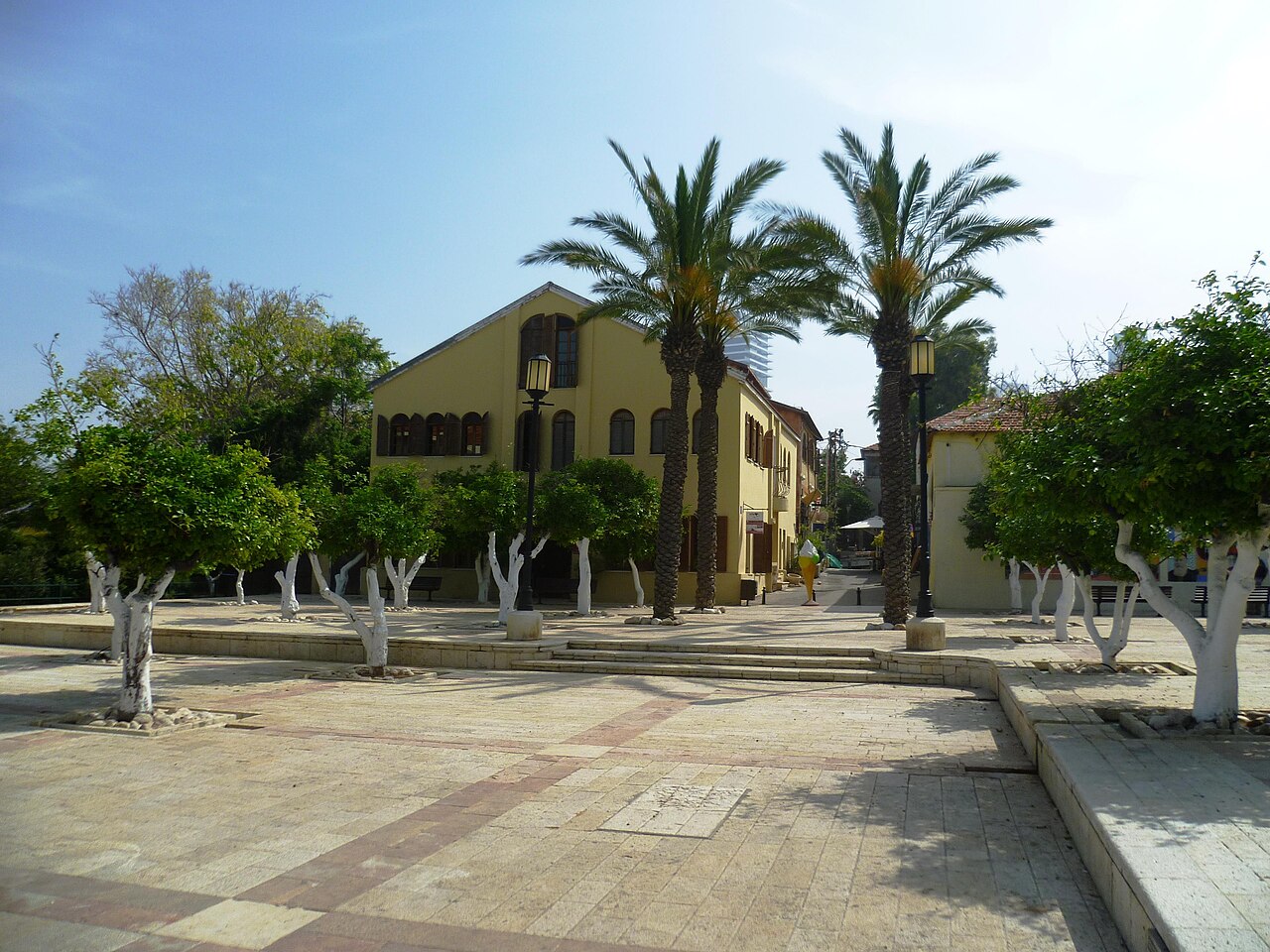
There is no entry fee for the streets, and the best approach is a self-guided walk along Rothschild Boulevard, then a detour onto Bialik Street and the side streets near Dizengoff Square. A visitor center for the area, the White City Center, operates from the restored Liebling House on Idelson Street near Bialik Square, and it is worth checking its hours and exhibitions before you go. Walk in the morning or late afternoon, look up above the shop fronts, and peek into open stairwells and courtyards, but do not enter private residential buildings.
Pair it with
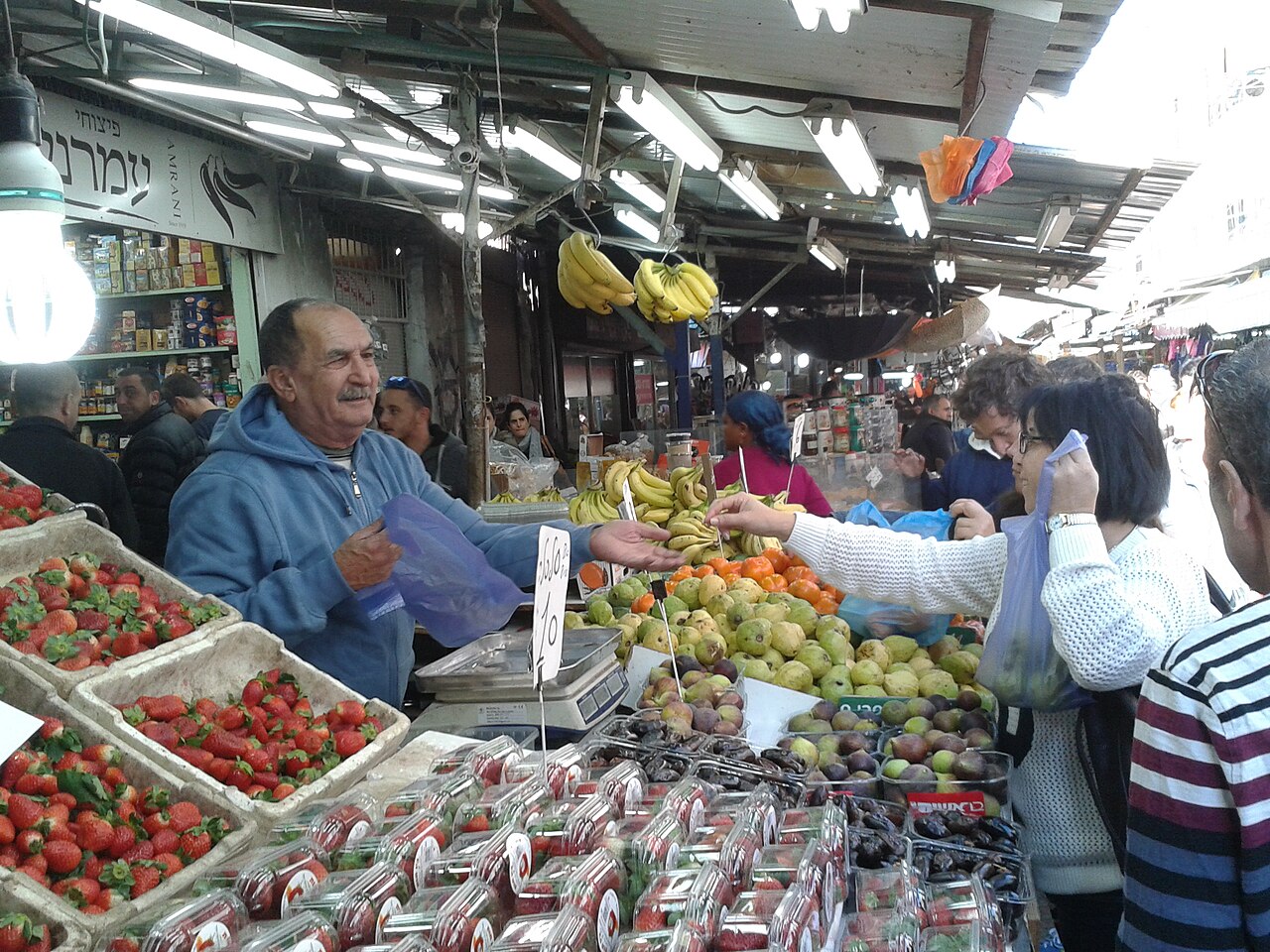
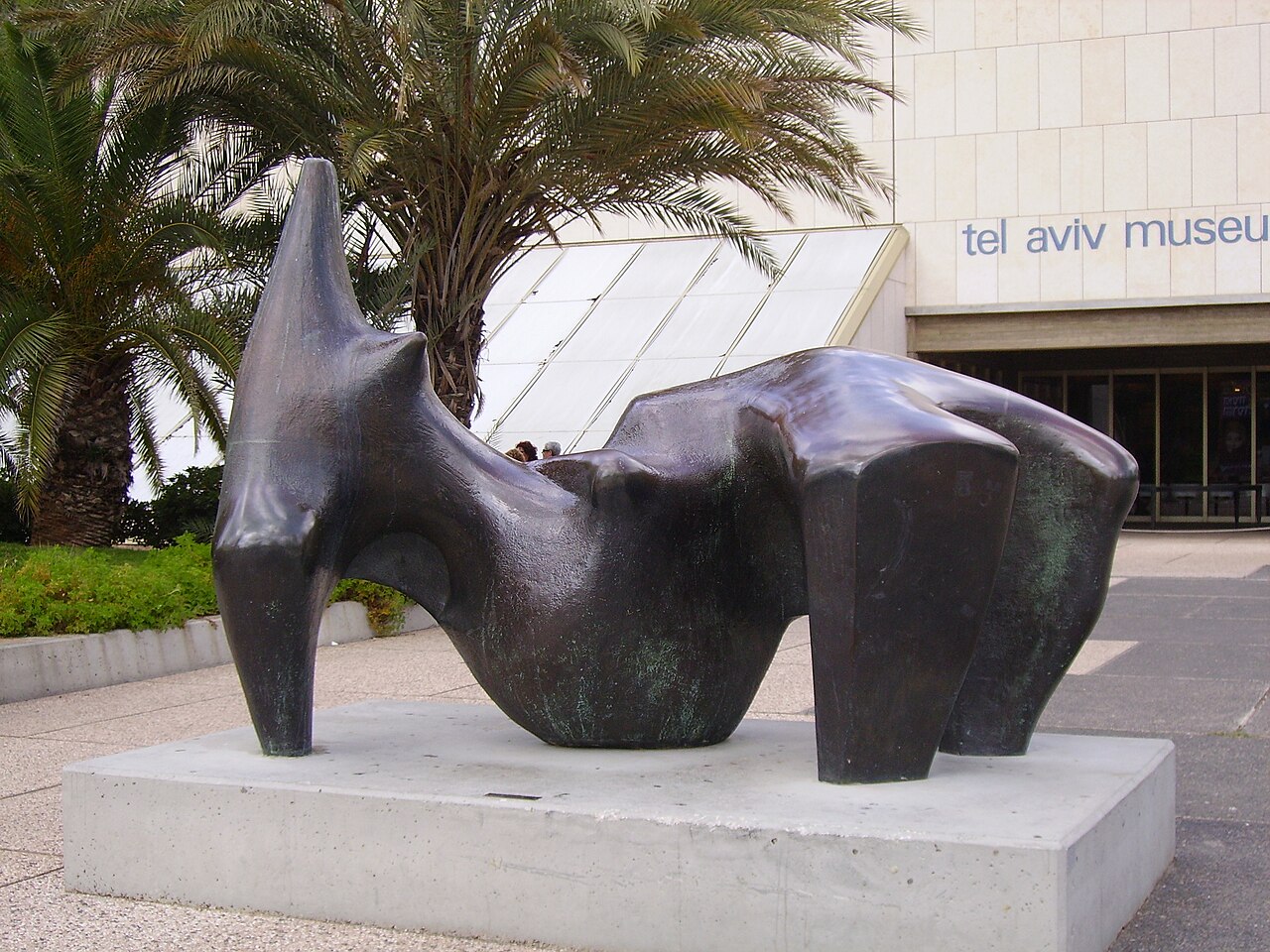
Carmel Market for lunch, Neve Tzedek for a quieter loop, a stop at a Rothschild Boulevard cafe and the Tel Aviv Museum of Art for a contrast in modern design. Guided walks add useful stories about architects and restoration, while audio tours and printed maps suit independent walkers.
What to expect
The experience
A free self-guided walk past International Style buildings along boulevards and side streets, with optional guided or audio tours.
Best time
Morning or late afternoon for softer light and cooler walking.
How long
About two hours for Rothschild Boulevard and Bialik Street.
Tips
Look up above shop fronts, respect residents in private buildings and check the White City Center hours before visiting.
Quick picks
- Best for
- Architecture and design lovers and first-timers who want to understand the city.
- Families
- The walk is flat and shaded in places, though older children will enjoy it more than toddlers.
- Couples
- Stroll Rothschild Boulevard and stop at a cafe for a relaxed design-spotting afternoon.
- Pair with
- Carmel Market, Neve Tzedek and the Tel Aviv Museum of Art.
- Time needed
- Two hours is enough for a good loop, or half a day with stops.
Good questions
Why is it called the White City?+
Many of the International Style buildings were built with pale facades that reflect the sun. The name now describes the whole central historic zone.
Is there an entry fee?+
No, you can walk the streets for free. Guided tours, audio tours and some exhibitions charge their own fees.
Where should I start?+
Rothschild Boulevard is the easiest and most rewarding starting point. From there, walk to Bialik Street and the blocks around Dizengoff Square.
When was it recognized by UNESCO?+
The White City of Tel Aviv was inscribed as a World Heritage site in 2003. It is valued for its Modern Movement architecture adapted to local conditions.
Can I go inside the buildings?+
Most are private homes or businesses, so you will mainly see the exteriors and lobbies that are open to the public. Visitor centers and museums in the area offer more access.