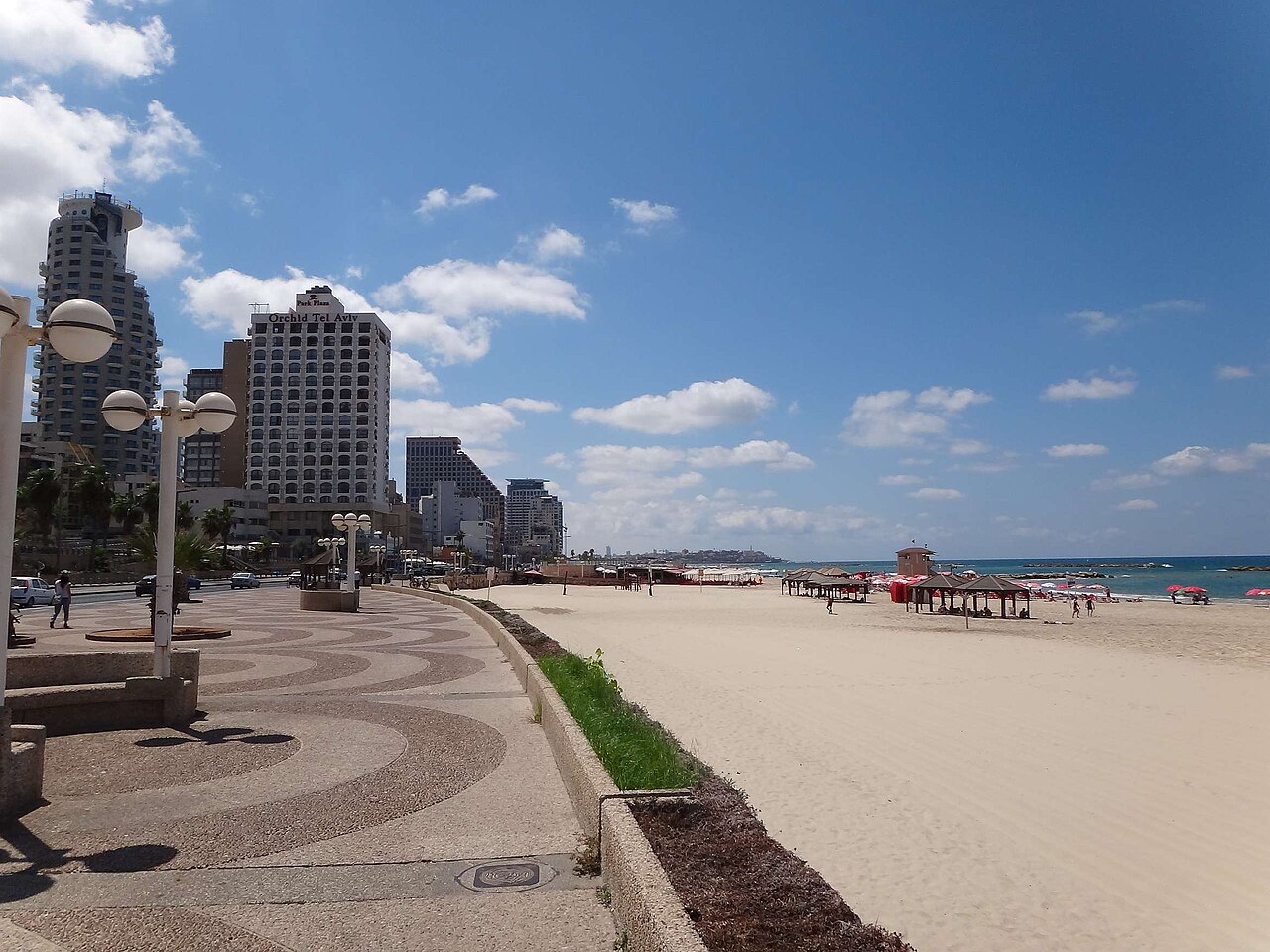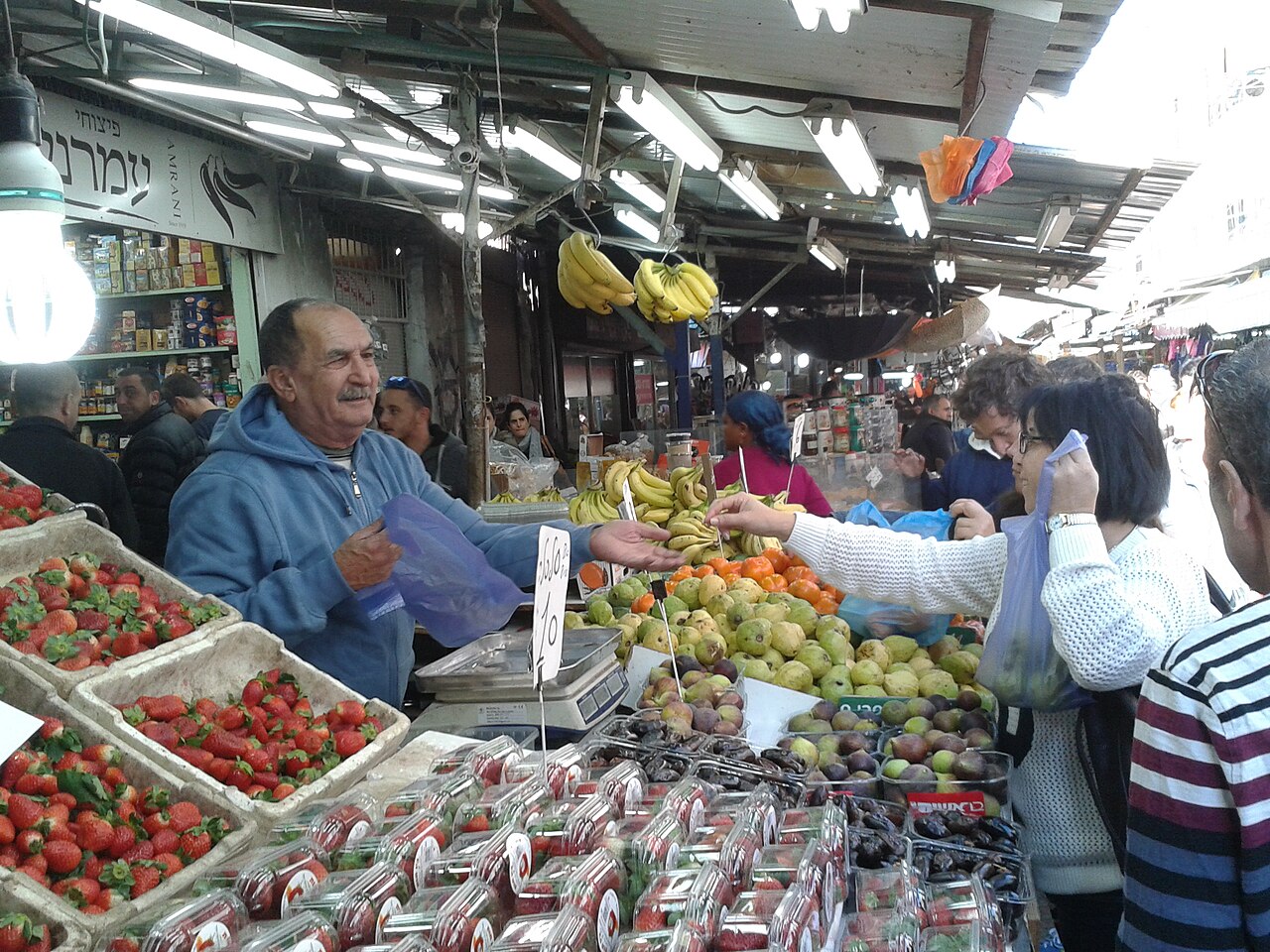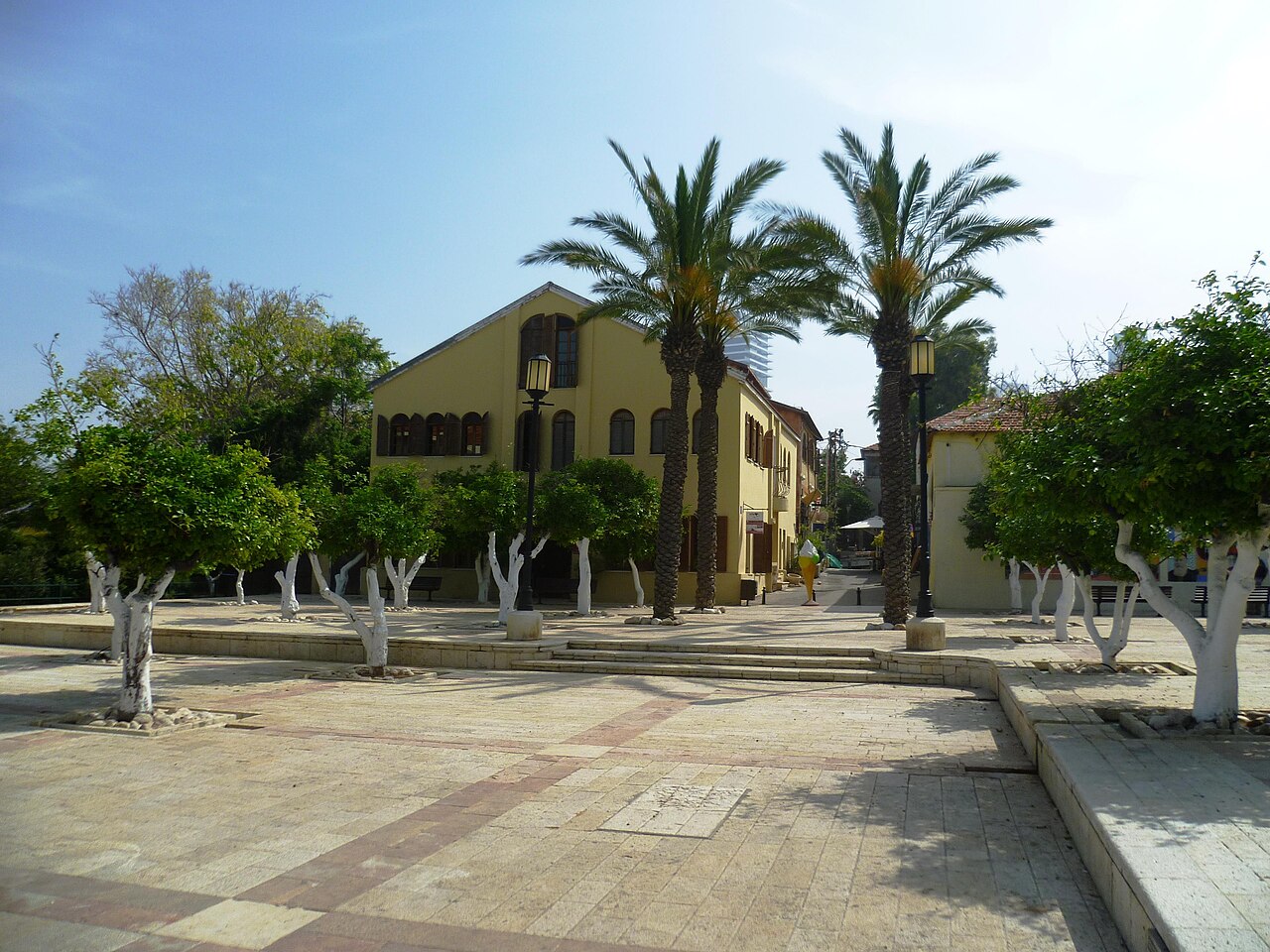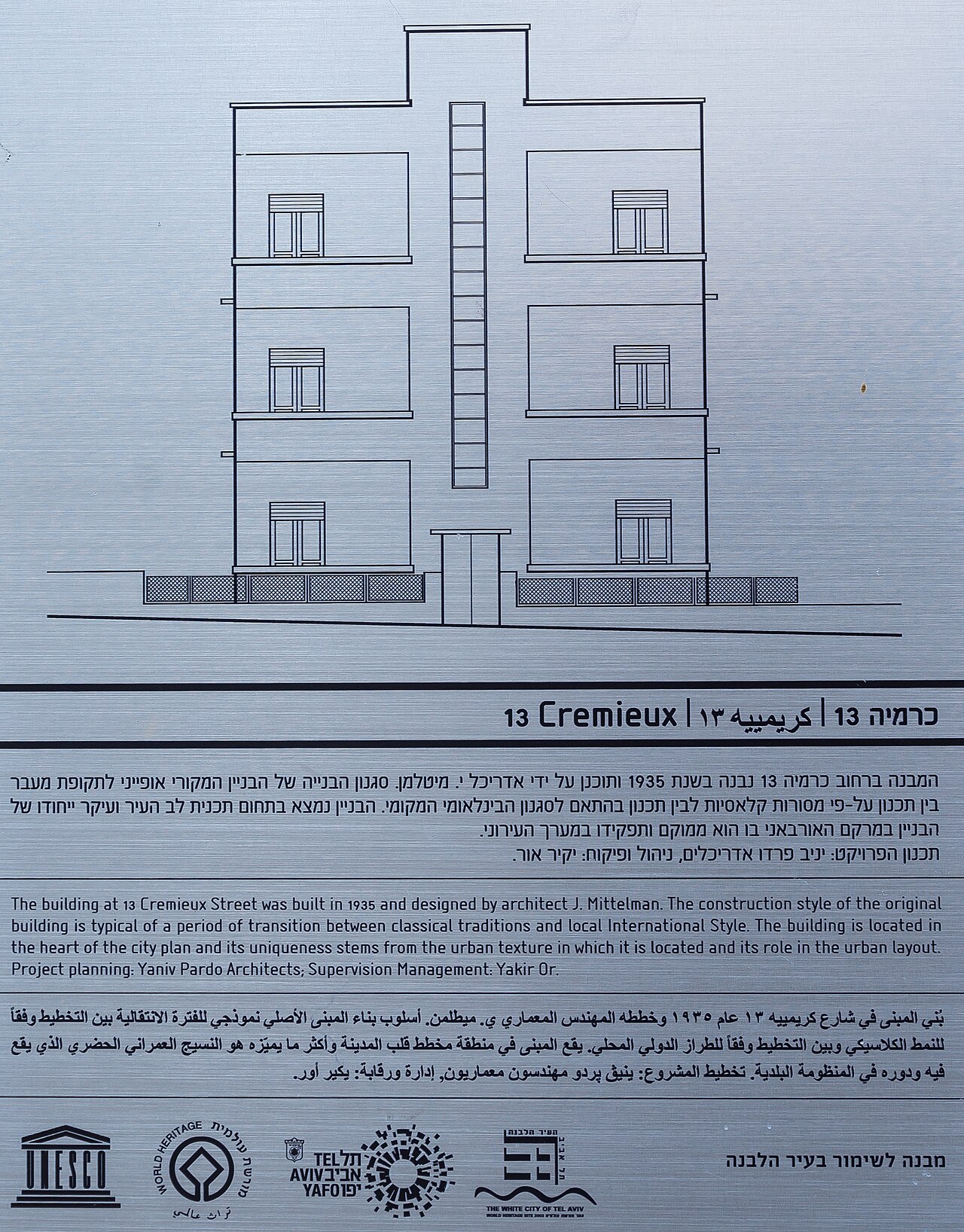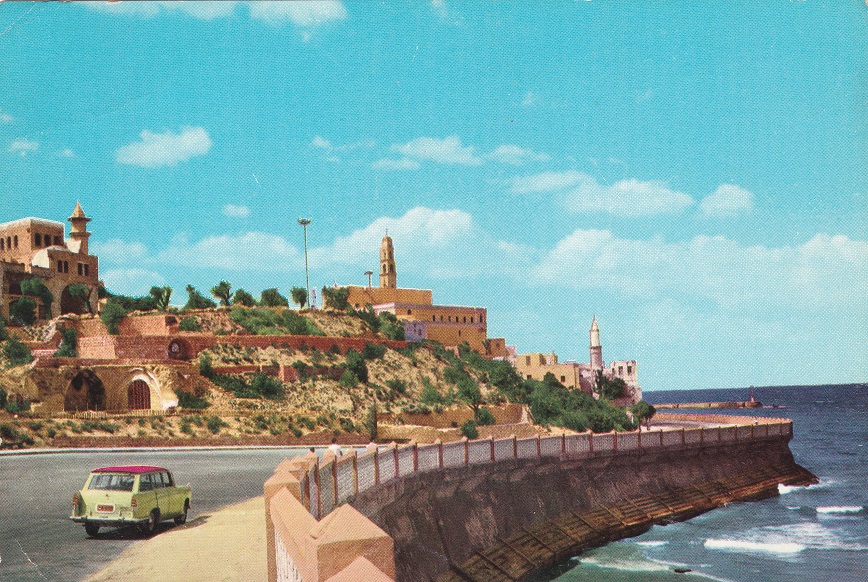
Old Jaffa is the historic port town that Tel Aviv grew out of, and it is still part of the same municipality today. It sits on a rocky headland above the Mediterranean, and its stone lanes, arched passages and sea-facing terraces feel a world away from the Bauhaus boulevards a few kilometers north. The area has been settled since the Bronze Age, and over the centuries it passed through many hands, which is why you will see Ottoman, Crusader and later buildings side by side. Highlights include the Ottoman-era clock tower, St. Peter’s Church, the Mahmoudiya Mosque, the small working harbor and the flea market streets just inland. Artists’ galleries and workshops fill many of the restored buildings, and the waterfront taverns are popular at sunset. Plan to wander without a fixed route, because the best moments here are usually the unplanned ones.
Why it matters
Jaffa is one of the oldest port cities on the eastern Mediterranean, and Tel Aviv was founded in 1909 as a new garden suburb beside it. Walking the headland gives you the deep history that the modern city lacks, and it explains why the two names are now joined as Tel Aviv-Yafo. The harbor still has fishing boats, and the view north along the coast to the skyline is one of the best photo spots in the region.
How to visit
Entry to the quarter is free and the lanes are open at all hours, although galleries and shops keep their own hours and many close on Saturday afternoons and evenings. Wear shoes with grip, because the old stone steps and cobbles are polished and uneven, and bring water in warm months. Midday in summer is hot and busy, so early morning or the hour before sunset is more pleasant. Churches and the mosque are active places of worship, so dress modestly and be respectful if you step inside.
Pair it with
The flea market and the nearby Ajami lanes for lunch, the beach promenade for a walk back toward the city, and Neve Tzedek, which is a short stroll north. A guided walk can unlock the stories behind the alleys, but the area also works well on foot with a map and an open afternoon.
What to expect
The experience
An open-air walk through a restored stone quarter with a clock tower, churches, a mosque, a small harbor, galleries and a flea market nearby.
Best time
Early morning for quiet lanes or the hour before sunset for golden light over the sea.
How long
Two to three hours, longer if you stay for a meal at the harbor.
Tips
Wear grippy shoes, dress modestly for religious buildings and expect some shops to close on Saturday evenings.
Quick picks
- Best for
- First-time visitors who want history and sea views in one walk.
- Families
- Open lanes and the harbor suit children, but the steps and uneven stone need care with strollers.
- Couples
- Sunset on the headland followed by dinner by the water is a classic pairing.
- Pair with
- Neve Tzedek and the beach promenade, both an easy walk north.
- Time needed
- Allow half a day if you want to browse the flea market too.
Good questions
Is Old Jaffa free to visit?+
Yes, the quarter is an open public area and walking its lanes costs nothing. Individual galleries, tours and some small museums may charge their own fees.
How far is Jaffa from central Tel Aviv?+
It is roughly a quarter of an hour by car or bike from the city center and a pleasant walk along the promenade from the southern beaches. Buses and the light rail also reach the area.
Is Jaffa open on Saturday?+
The lanes are always open, and many cafes and restaurants stay busy on Saturdays. Some shops and galleries close for the Sabbath, so plan browsing for other days.
What are the main things to see?+
Look for the clock tower, St. Peter’s Church, the Mahmoudiya Mosque, the harbor and the flea market streets. The lanes between them hold small galleries and viewpoints.
When is the best time to go?+
Early morning and late afternoon are the most comfortable and the most photogenic. Midday heat and weekend crowds can make the lanes feel busy.