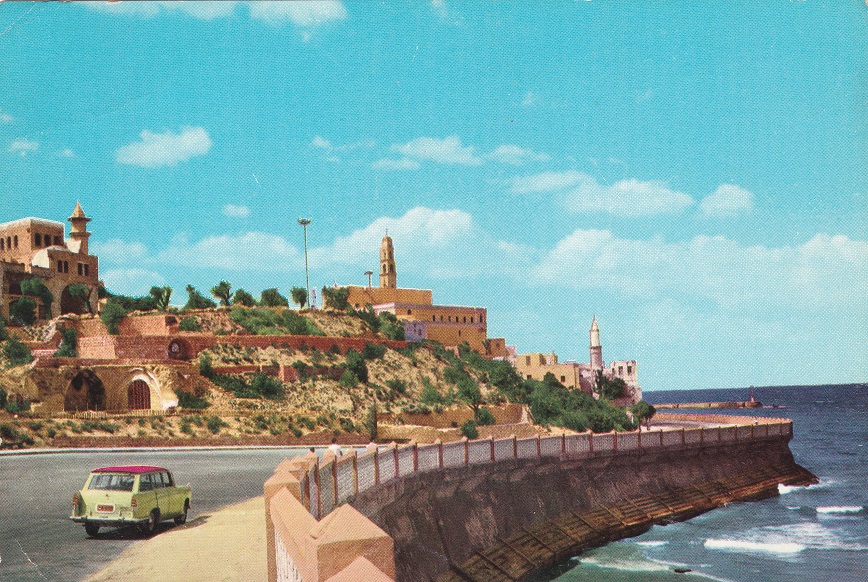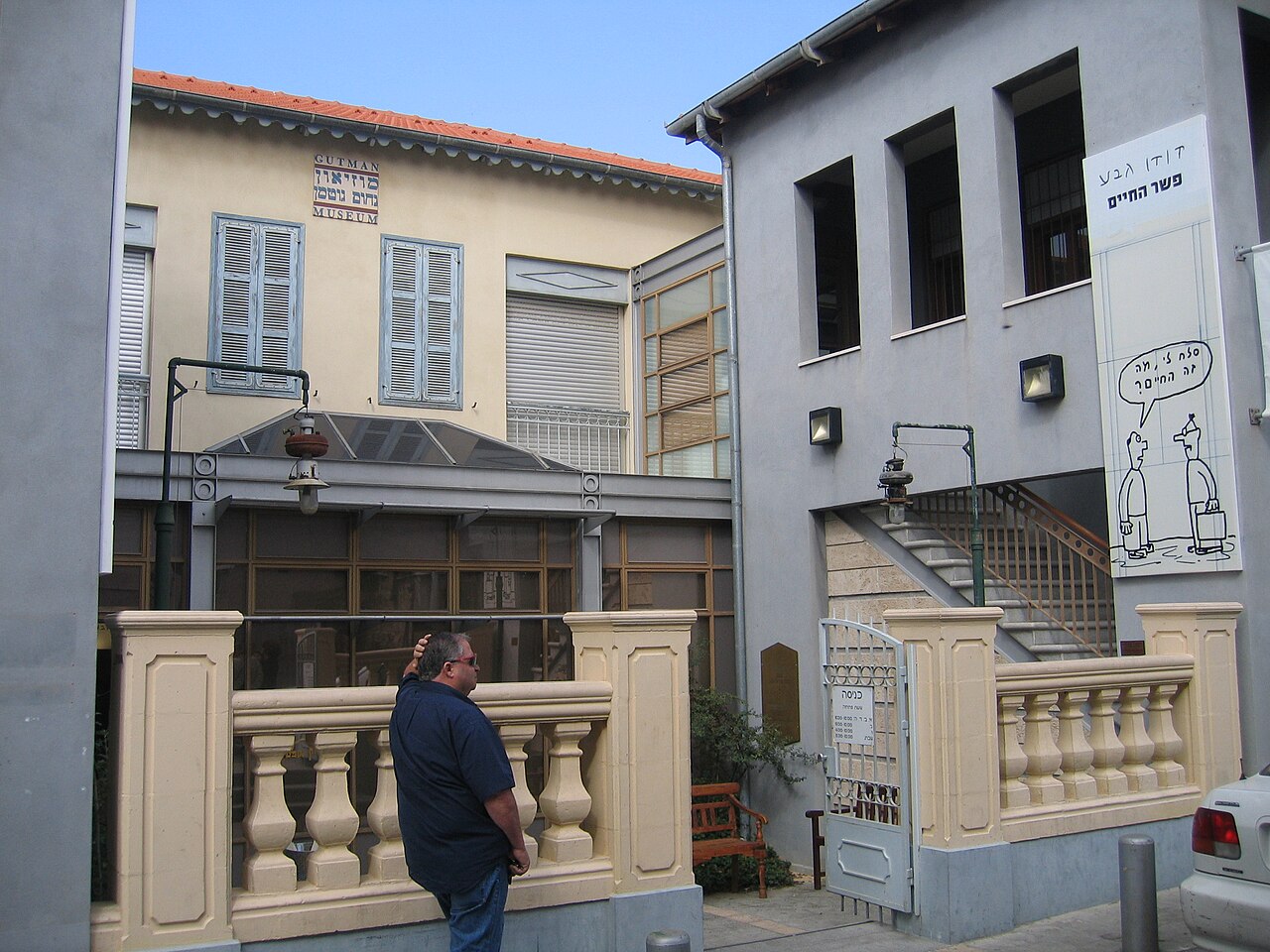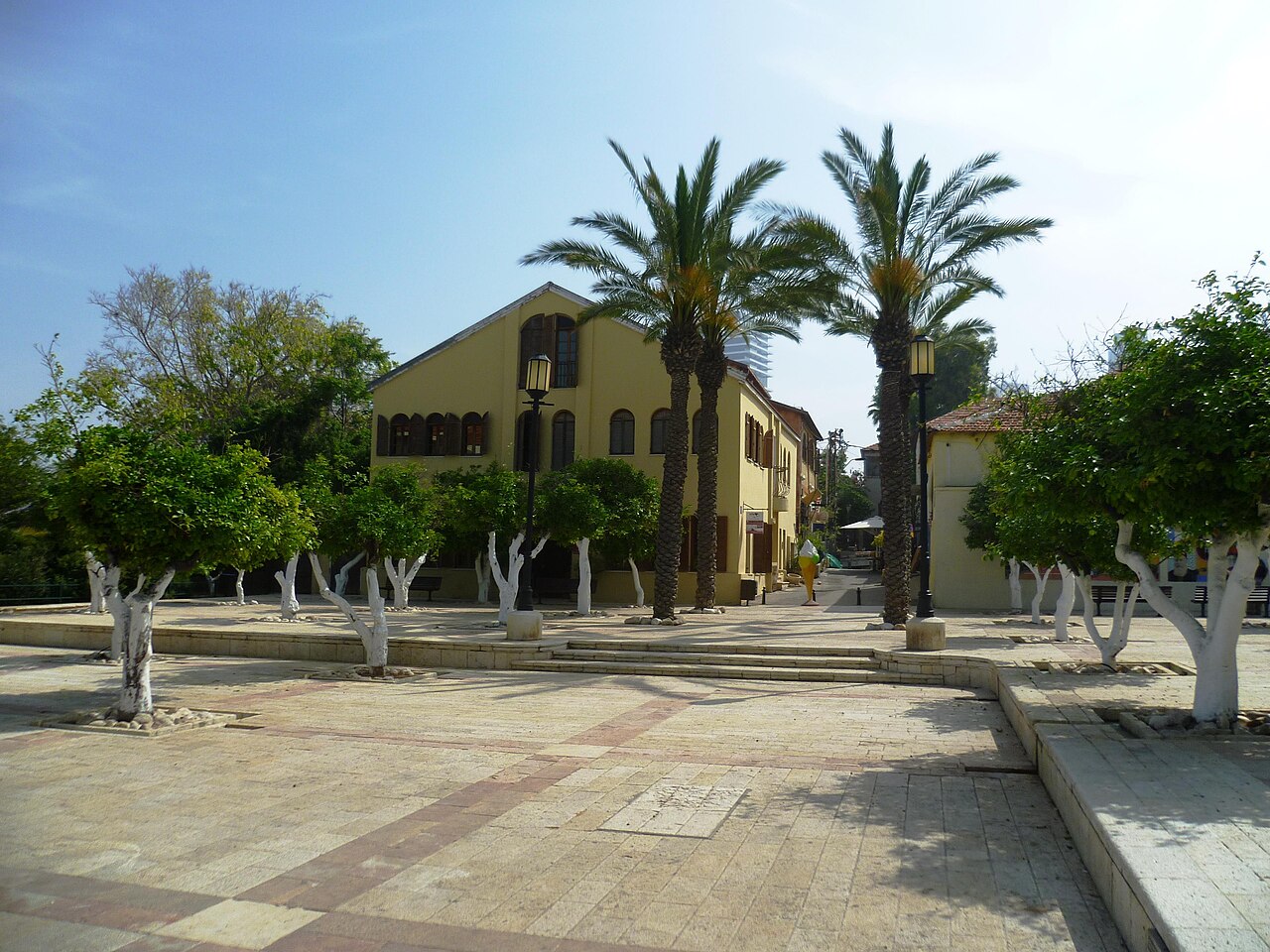
Neve Tzedek was founded in 1887 and was the first Jewish neighborhood built outside the walls of Jaffa, which makes it the seed from which Tel Aviv grew. After years of decline the area was restored from the 1980s onward, and it is now one of the city’s most appealing districts, full of narrow lanes, painted shutters, small boutiques, design shops and shady cafes. The Suzanne Dellal Centre for Dance and Theatre, home of the Batsheva Dance Company, anchors the neighborhood with a pretty piazza and gardens. Rokach House and Chlouche House show how early residents lived, and the Nahum Gutman Museum celebrates one of Israel’s best-loved artists. Shabazi Street is the main strip for browsing and snacking. The pace here is slower than in the rest of the city, so wander without a plan and let the side streets lead you.
Why it matters
Neve Tzedek links the ancient port of Jaffa with the modern city, and its low stone and plaster houses show what the earliest Tel Aviv looked like before the high-rise skyline. It is a quiet counterpoint to the beach and the market, and it is where many visitors slow down, sit in a courtyard cafe and feel the history of the place.
How to visit
The neighborhood is free to explore and open at all hours, though shops and galleries keep their own schedules and many close on Saturday evenings or for a break around midday. Walking is the best way to see it, and a loop takes an hour or two depending on how many stops you make. Summer afternoons are hot, so aim for morning or late afternoon. Wear comfortable shoes, because some lanes are cobbled and uneven. If you want performances, check the Suzanne Dellal Centre’s program in advance.
Pair it with
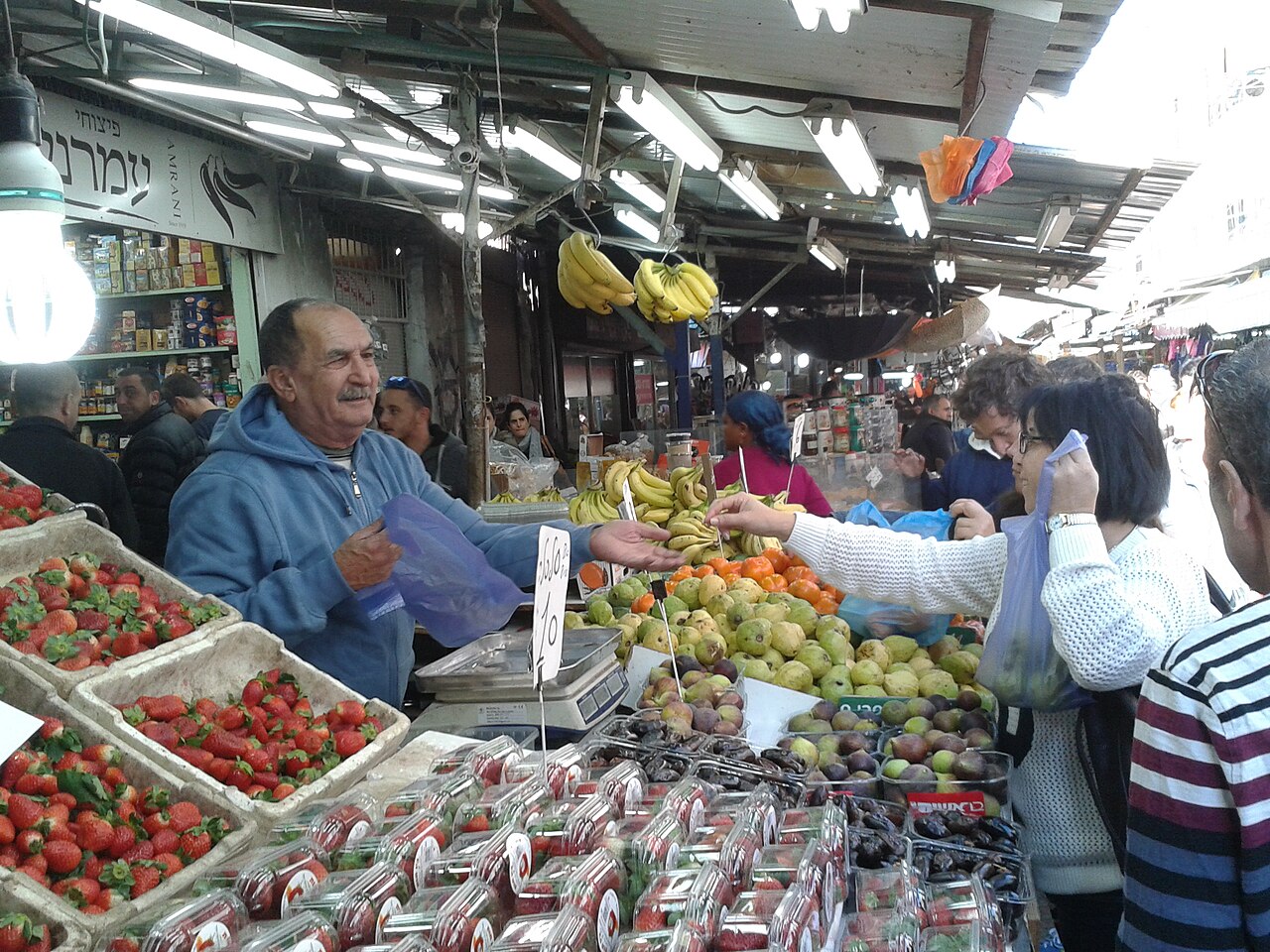
The Nahum Gutman Museum for a paid indoor stop, Carmel Market on the northern edge, Old Jaffa to the south and the seafront promenade to the west. For context on the buildings and artists, a short guided walk adds a lot, but a self-guided stroll is just as pleasant for most people.
What to expect
The experience
A free self-guided stroll through quiet restored lanes with boutiques, galleries, cafes and a dance center.
Best time
Morning or late afternoon, when the lanes are cooler and the light is soft.
How long
One to two hours, longer if you stop for coffee or a gallery.
Tips
Wear comfortable shoes for cobbles, and note that some shops close for a midday break or on Saturday evenings.
Quick picks
- Best for
- Couples and slow walkers who like boutiques, cafes and old houses.
- Families
- The lanes are calm and traffic-light, though cafes and shops are more adult than child focused.
- Couples
- Coffee in a courtyard followed by a gallery stop makes an easy half-day.
- Pair with
- The Nahum Gutman Museum, Carmel Market and Old Jaffa.
- Time needed
- Allow ninety minutes to two hours for a relaxed loop.
Good questions
Is Neve Tzedek free to explore?+
Yes, the neighborhood is public and walking its lanes is free. Museums, performances and tours charge their own prices.
What is Neve Tzedek known for?+
It was the first Jewish neighborhood built outside Jaffa and is now known for boutiques, cafes, restored houses and the Suzanne Dellal Centre for Dance and Theatre.
How long should I spend there?+
Most visitors enjoy one to two hours for a loop. Add time if you plan to visit the museum or sit for a long coffee.
Is it far from the beach?+
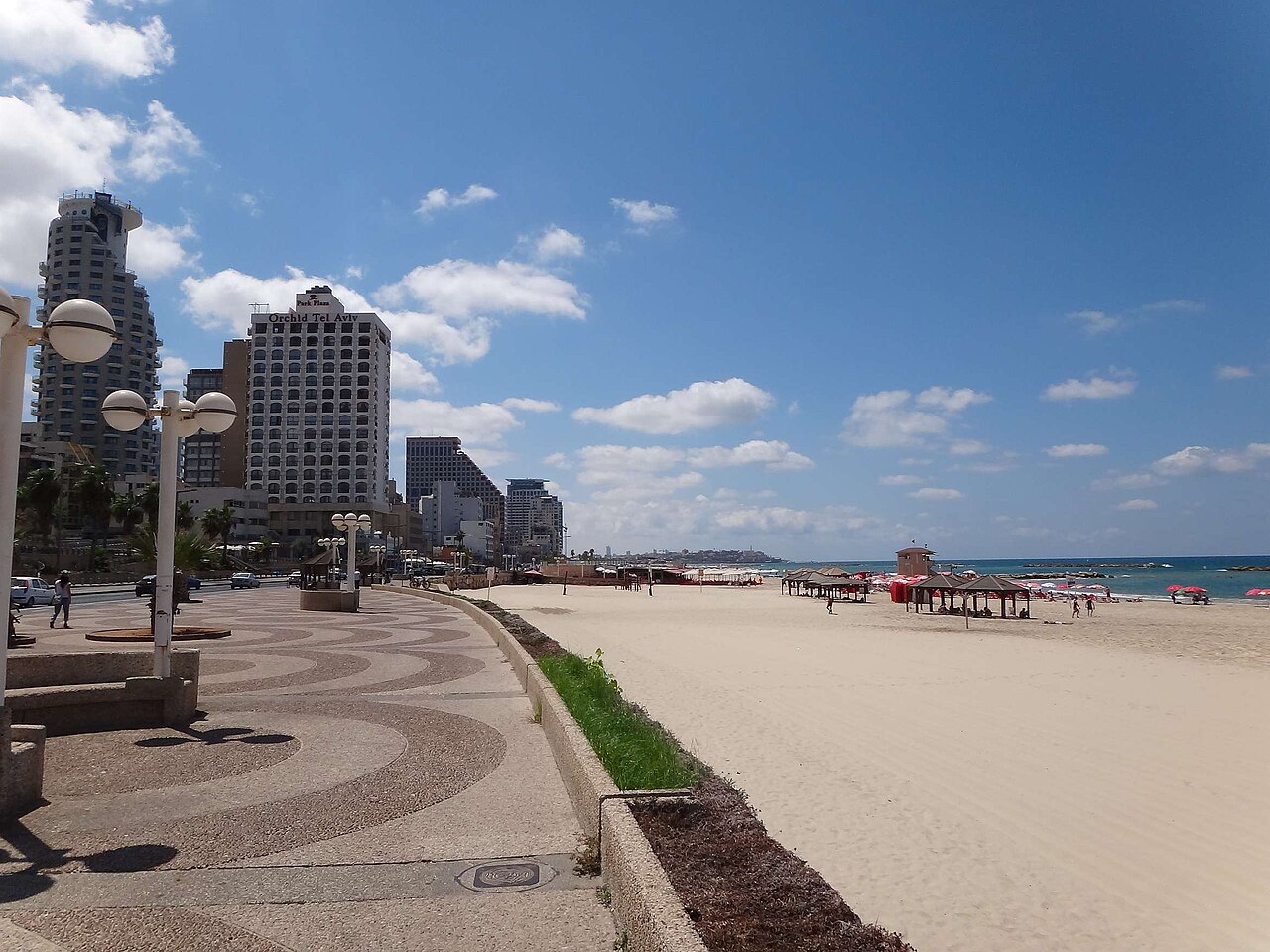
No, the sea and promenade are a short walk to the west. Jaffa is a pleasant stroll south and Carmel Market lies to the north.
Are shops open on Saturday?+
Some cafes and shops open, but others close for the Sabbath, especially later in the day. Check ahead for specific places you want to visit.