Tenerife is a good island to eat on, and the best of the food is simple, local and cheap. Canarian cooking developed from the produce of volcanic soil, the Atlantic and the farm animals of the hills, with influences from Spain, Portugal, Africa and Latin America, and it is quite different from the mainland. The resort areas serve international menus, but a few steps off the promenade, or in the towns of the north, you can eat very well on dishes that locals have been making for generations. This guide covers the signature foods, the drinks, the kinds of place to look for and some tips that will make the meals part of the trip.
Papas arrugadas and mojo
The dish that defines the islands is papas arrugadas, small local potatoes boiled in very salty water until the skins wrinkle and a fine crust of salt forms. They are served with mojo, a sauce of oil, garlic and spices, in a red version (mojo rojo), made with chilli and paprika, and a green version (mojo verde), made with coriander or parsley. They arrive as a starter or a side dish and are often the best thing on the table. Many menus also offer queso asado, grilled local cheese, with mojo.
Gofio and local staples
Gofio is a flour made from toasted grain, typically wheat or maize, that has been eaten on the islands for centuries. It is stirred into soups and stews, kneaded into dough or mixed with milk and honey as a dessert or breakfast. Other staples to try include ropa vieja, a stew of shredded meat and chickpeas, and sancocho, a dish of salted fish with potatoes and mojo that is often served at celebrations. Goat meat and rabbit in a marinade called salmorejo are traditional in the hills. Fresh fish, such as grilled local catch, is best at harbour towns, and it is worth asking what is in season and local rather than choosing a fixed menu.
Cheese, bananas and sweets
Goat cheese is a speciality, sold fresh, cured or smoked, and you can often taste it at markets and at some wineries. Bananas grow on terraces in the north and west, and the small local variety is sweeter than those in most supermarkets. Sweet treats include bienmesabe, a dessert of almond and honey, and a range of local pastries. A coffee called a barraquito, a layered drink of condensed milk, coffee, liqueur and lemon peel, is a Tenerife favourite and is easy to find in cafés. Honey rum is a local liqueur that is served as a digestif.
Wine
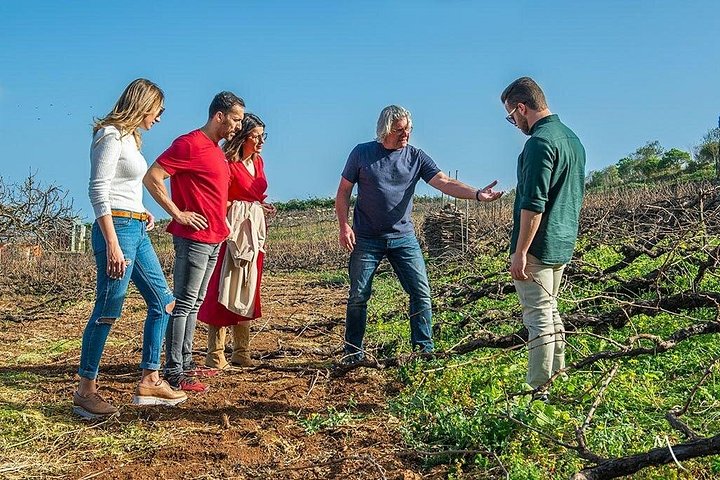
Tenerife has several wine regions, with vineyards on volcanic soil, high terraces and vines that are trained in unusual ways. Many of the grapes are rarely grown elsewhere, and the wines have a mineral, volcanic character that makes them an interesting change from mainland styles. The north is the easiest area to visit, and a winery tour with a tasting is a good half-day outing. Bodegas Monje, near El Sauzal, runs wine and cheese visits for visitors. In some seasons, informal wine taverns called guachinches open in the north to sell the new wine with simple home cooking, and they are among the most authentic and cheapest places to eat if you can find an open one.
Where to eat
In the resorts of the south, the seafront promenades have plenty of choice, and the best approach is to walk a street or two inland, where the menus are shorter and the prices lower. In Puerto de la Cruz, La Laguna and the villages of the north, look for small family restaurants that fill with locals at lunchtime, many of which serve a daily set meal. Harbour towns such as Garachico and the fishing villages on the coast are good for fresh fish. Markets in Santa Cruz and La Laguna are good for cheese, fruit and snacks. Lunch is the main meal for many Canarians, and dinner often starts late, after eight in the evening.
Practical tips
Ask for the plato del día for a good-value lunch, share starters so that you can try more dishes, and be careful with the mojo, because the red version can be spicy. Tipping is modest, and a few coins or a small round-up is usual. Opening hours vary, and many places close on one day a week, so check before you go. Pair a food day with sights in the area, such as a winery visit and the old town of La Laguna, or the dragon tree of Icod and the harbour of Garachico.